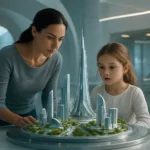

The transformation of traditional public spaces into futuristic Knowledge Hubs reveals a powerful synergy between architecture, technology, and human interaction. This exploration delves into how libraries are evolving beyond mere repositories of books into dynamic digital ecosystems, fostering lifelong learning and connectivity. Each section examines key pillars—form, function, and community—demonstrating how visionary design catalyzes a new era of innovation and collective empowerment.
Reimagining Architectural Forms
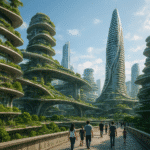
At the heart of modern Knowledge Hubs lies a commitment to fluid, organic geometries that defy conventional orthogonal layouts. Architects draw inspiration from natural phenomena—wave patterns, cellular structures, and crystalline lattices—to craft spaces that feel both futuristic and harmonious. Through parametric modeling and advanced material science, library hubs become sculptural landmarks that invite exploration.
Parametric Design and Biomimicry
Parametric software platforms enable designers to manipulate thousands of data points, generating complex curves and surfaces that optimize daylight, ventilation, and acoustics. Biomimetic principles further inform façade systems, where adaptive skins respond to external conditions—opening like petals to welcome sunlight or closing to provide insulation during colder months.
- The integration of sustainability goals drives the use of recycled composites and self-healing concrete.
- Lightweight tensile structures create floating canopies that blur boundaries between interior and exterior.
- Dynamic shading devices, inspired by pine cones and lotus leaves, regulate solar gain automatically.
Spatial Flexibility and Adaptive Layouts
Futuristic libraries adopt modular furniture systems on rails and tracks, allowing spaces to shift seamlessly from quiet reading zones to collaborative workshop areas. Transparent floor plates and mezzanine walkways foster visual continuity, promoting serendipitous encounters among visitors. These fluid interiors support a variety of immersive experiences, from augmented reality exhibitions to interactive projection mapping events.
Integrating Technology and Knowledge
As repositories of information transition into digital Knowledge Hubs, the underlying infrastructure must be robust, secure, and infinitely scalable. Next-generation libraries leverage cloud computing, edge servers, and decentralized ledger technologies to store vast archives and facilitate real-time content distribution across global networks.
Immersive Learning Environments
Virtual reality (VR) pods and mixed-reality (MR) workstations transport users into simulated universes—recreating ancient civilizations, cosmic expeditions, or molecular processes. These fully managed digital labs empower researchers to manipulate data in 3D space, while holographic projectors overlay contextual information onto physical books or artifacts.
- AI-driven recommendation engines curate personalized reading lists based on individual interests and learning styles.
- Blockchain registration ensures provenance and copyright protection for digitized manuscripts and artworks.
- Human–computer interfaces incorporate tactile feedback and eye-tracking to enhance accessibility for diverse audiences.
Connectivity and Smart Infrastructure
Ultra-fast 5G and forthcoming 6G connectivity underpin seamless collaboration among global research communities. IoT sensors monitor occupancy, air quality, and equipment usage, adjusting HVAC systems and lighting in real time to maximize energy efficiency. Multi-tiered cybersecurity protocols authenticate users via biometric verification, protecting sensitive materials while fostering open access to public domain resources.
Sustainability and Community Impact
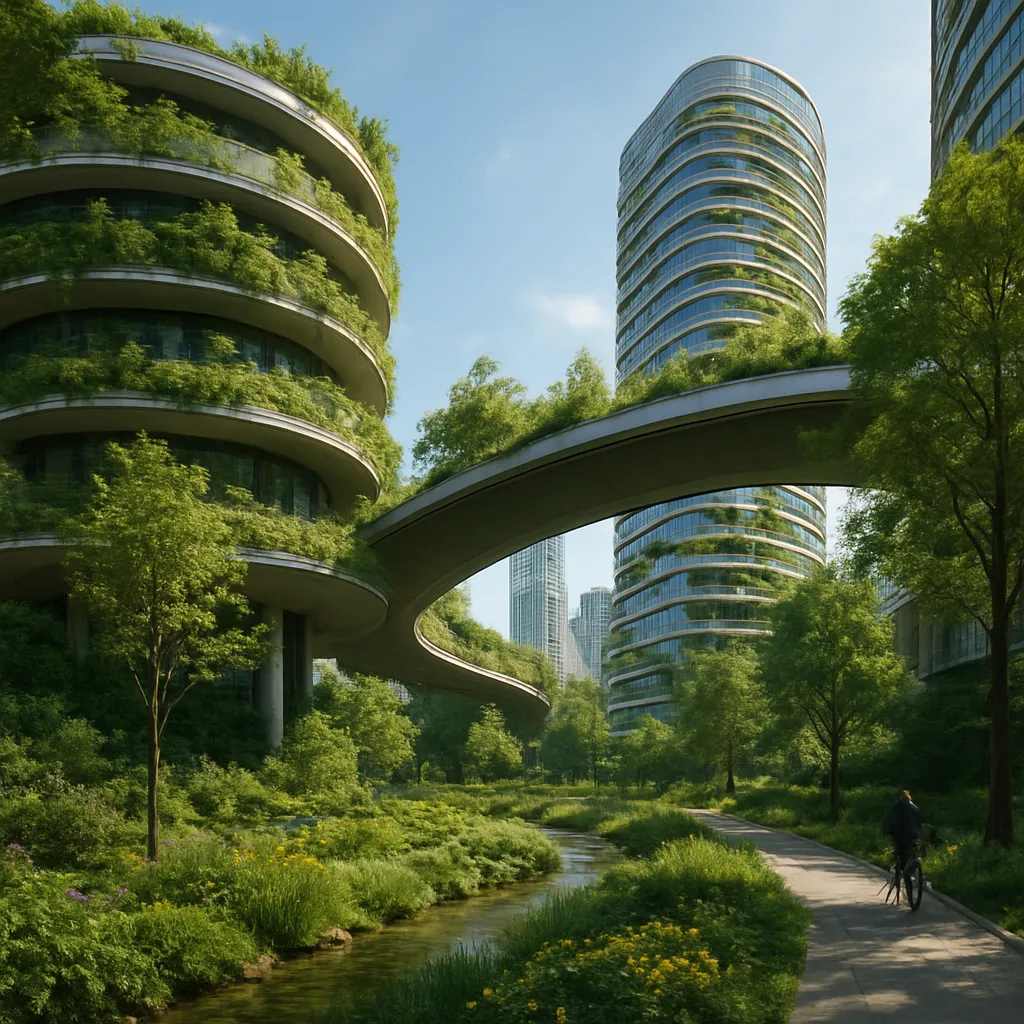
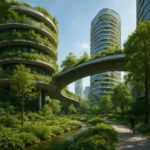
Futuristic Knowledge Hubs prioritize the well-being of both planet and populace. Green roofs, vertical gardens, and aquaponic systems integrate ecosystems into building envelopes, purifying air and reducing the urban heat island effect. Rainwater harvesting and greywater recycling support irrigation for onsite agriculture, providing fresh produce for community events and educational initiatives.
Social Inclusivity and Outreach
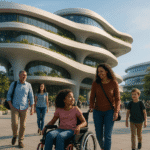
Beyond architectural marvels, the true value of a Knowledge Hub emerges through its engagement with local communities. Onsite makerspaces, digital fabrication labs, and shared kitchens foster cross-disciplinary collaboration. Outreach programs extend into underserved neighborhoods via mobile mini-hubs—autonomous vehicles stocked with books, tablets, and VR headsets—bridging the digital divide.
- Pop-up workshops teach coding, robotics, and design thinking to youth and senior citizens alike.
- Multilingual digital archives preserve indigenous languages and oral histories.
- Public forums and hackathons invite citizens to co-create solutions for urban challenges.
Measuring Impact Through Data Analytics
Advanced analytics platforms track foot traffic, digital resource downloads, and participation rates in educational programs. Visualization dashboards present key metrics on community engagement, carbon footprint reduction, and learning outcomes. This continuous feedback loop empowers stakeholders to refine services, reconfigure spaces, and prioritize initiatives that yield the highest social return on investment.
By merging cutting-edge design with immersive technologies and inclusive programming, the libraries of tomorrow emerge as vibrant hubs of creativity, collaboration, and discovery. These evolving institutions anchor neighborhoods as beacons of lifelong learning, championing the integration of art, science, and civic engagement while charting a compelling trajectory toward the future.