



In the coming decades, retail spaces will evolve into dynamic, sensory-rich environments that transcend mere transaction points. By merging cutting-edge technologies with visionary architectural principles, designers are crafting venues that captivate visitors with multi-sensory experiences. From storefronts that adapt in real time to customer behavior to interiors bathed in virtual overlays, the future of retail will hinge on seamlessly weaving the physical and digital realms.
Immersive Technology Integration in Retail Environments
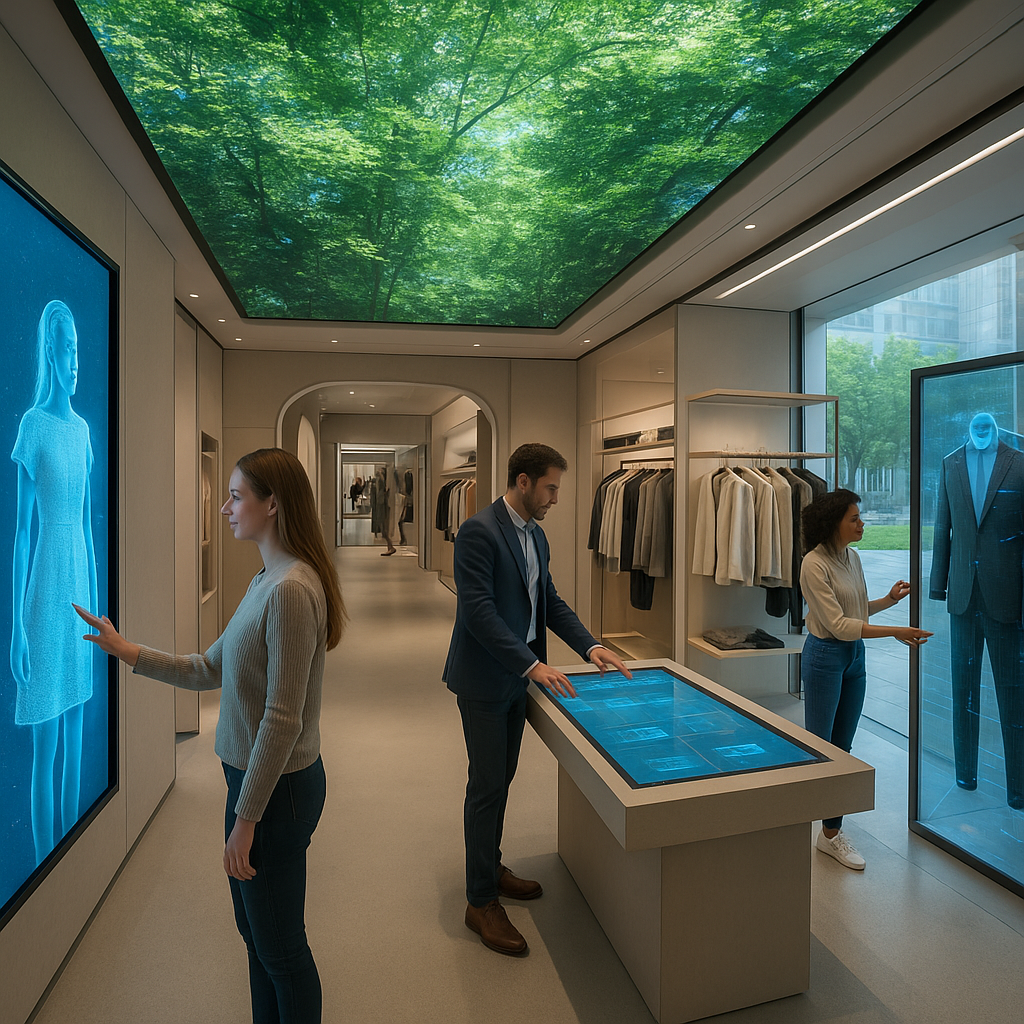
As customers seek deeper connections with brands, architects and technologists collaborate to implement immersive and interactive systems. These spaces are no longer static; they respond to touch, movement, and even emotional cues to curate unique journeys.
Augmented Reality Showrooms
- Virtual Product Try-Ons: By leveraging augmented reality mirrors and lenses, shoppers can visualize fashion items or furniture pieces in real time against their own bodies or living rooms. This eliminates guesswork and increases confidence before purchase.
- Layered Storytelling: AR overlays can project brand narratives onto store walls, revealing product origins, manufacturing processes, or sustainability initiatives. Customers can choose the depth of information they wish to explore.
Mixed Reality Floor Plans
With experiential flooring systems, digital cues guide foot traffic, highlight promotions, or create interactive games that reward exploration. Sensors beneath translucent surfaces detect footsteps, enabling dynamic floor patterns that shift in color or texture.
Sensory Augmentation
Cutting-edge retail designs incorporate ambient scent dispersal, directional audio, and haptic feedback. Imagine touching a display that responds with a gentle vibration to emphasize product features or a store aroma that changes to reflect seasonal themes. These subtle sensory triggers play a crucial role in forging emotional bonds between brands and consumers.
Adaptive and Sustainable Material Innovations
Futuristic retail architecture prioritizes sustainability and resource efficiency without sacrificing aesthetic appeal. Materials research focuses on adaptability, longevity, and environmental harmony.
Biomimicry and Responsive Facades
Inspired by natural phenomena, exterior skins of retail buildings can mimic mechanisms found in pine cones or butterfly wings. These facades adjust their porosity, opacity, or coloration in response to sunlight, temperature, and air quality, optimizing thermal comfort and reducing energy consumption.
Smart Glass and Electrochromic Windows
- Daylight Optimization: Electrochromic panels can darken or lighten upon electrical stimulus, allowing interior brightness to be fine-tuned throughout the day. This reduces reliance on artificial lighting and enhances shopper well-being.
- Privacy on Demand: With a switch, transparent storefront windows can go opaque, transforming display areas into intimate event spaces or private fashion consultations, increasing the utility of every square foot.
Recycled Composites and Renewable Fibers
By upcycling industry byproducts—such as textile scraps or post-consumer plastics—designers create robust yet lightweight structural components. These reclaimed materials can be molded into organic shapes, supporting both aesthetic freedom and environmental responsibility.
Human-Centric and Experiential Design Principles
At the heart of every successful retail concept is a profound understanding of human behavior. The most forward-thinking architects integrate anthropological insights to craft spaces that resonate with diverse audiences.
Personalization and Wellbeing
- Adaptive Lighting Systems: By monitoring biometric data—like heart rate or stress levels—smart lighting can shift color temperature to soothe or energize visitors, promoting a tailored shopping mood.
- Curated Spatial Zoning: Instead of uniform layouts, stores adopt flexible partitions that reconfigure based on individual preferences or group dynamics. This level of personalization transforms retail from transactional to transformational.
Community and Collaborative Hubs
Retailers are reimagining their premises as experiential hubs where locals gather for workshops, co-working sessions, or live performances. By fostering a sense of belonging, brands deepen loyalty and encourage word-of-mouth sharing.
Inclusive Accessibility
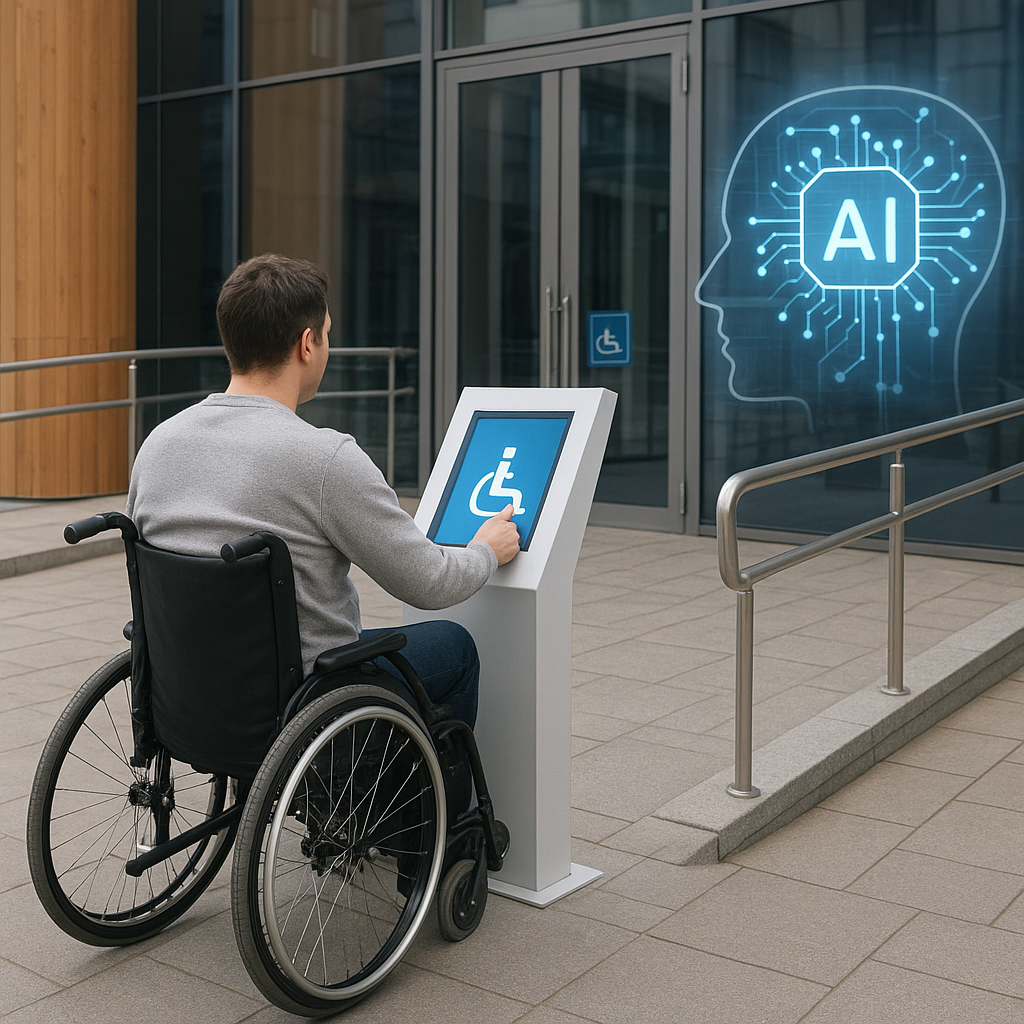
Designers champion equitable experiences by integrating tactile pathways for the visually impaired, multilingual interactive interfaces, and ergonomic displays that adjust to wheelchair heights. Accessibility features are no longer afterthoughts but integral design pillars.
Future Prospects: Data-Driven Evolution and Modular Flexibility
The ability to collect and analyze real-time data will underpin the next generation of retail spaces. Intelligent environments adapt layouts, product assortments, and ambient conditions based on continuous feedback loops.
Predictive Customer Flow Management
By harnessing data-driven analytics from footfall sensors and purchase histories, stores can preemptively allocate staff, reposition popular items, or launch targeted promotions, ensuring optimal resource deployment and customer satisfaction.
Modularity and Rapid Reconfiguration
- Plug-and-Play Fixtures: Furniture and shelving units are designed as modular elements that connect via magnetic or mechanical joints. This allows swift reorganization to accommodate pop-up collaborations or seasonal displays.
- Scalable Event Spaces: Retail floors can expand or contract using telescoping walls and retractable ceilings, adapting to intimate workshops one day and large-scale product launches the next.
Digital Twins and Virtual Testing
Retailers will increasingly employ digital twin technology—virtual replicas of physical stores—to simulate customer behavior, test layout changes, and forecast operational outcomes. This practice minimizes costly downtime and refines design choices before real-world implementation.
By embracing these visionary strategies, the retail environments of tomorrow will offer visitors immersive, adaptive, and sustainable experiences. The convergence of advanced materials, real-time intelligence, and human-centric principles heralds a new era where the line between commerce and culture blurs, transforming shopping into an inspiring journey of discovery.