

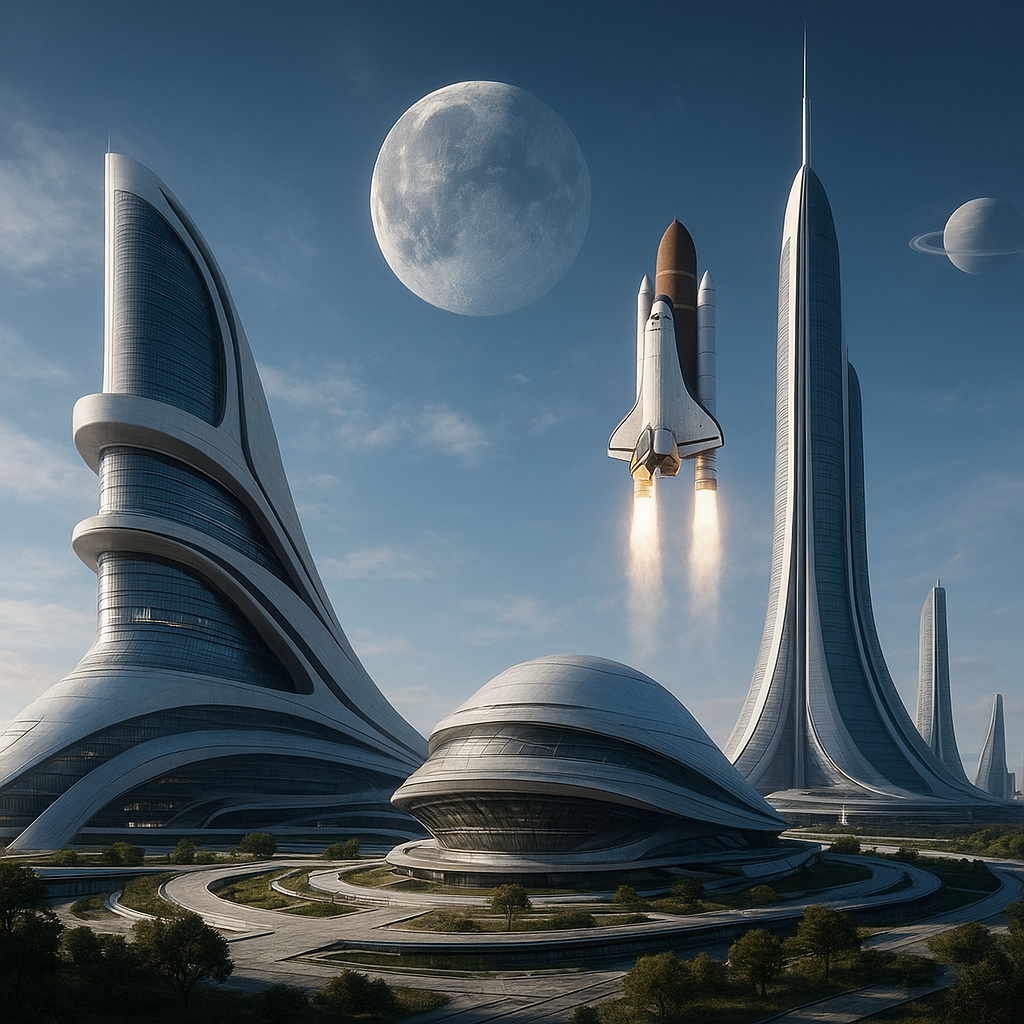
Space exploration has catalyzed a remarkable evolution in futuristic architecture, driving designers and engineers to rethink the very essence of building on Earth and beyond. By harnessing lessons learned from cosmic missions, architects are developing bold new forms, innovative materials, and adaptive systems that respond to ever-changing environments. This exploration-inspired creativity is not limited to far-off planets—it is reshaping urban landscapes, promoting sustainability, and opening pathways to resilient living spaces both on and off our home planet.
Advanced Materials and Structural Systems
Research conducted aboard the International Space Station and other orbiting laboratories has yielded breakthroughs in lightweight, high-performance composites. These components are transforming the way structures are conceived, enabling forms once deemed impossible under Earth’s gravity.
- Nanotechnology-enhanced composites: Leveraging carbon nanotubes and graphene to create materials with exceptional strength-to-weight ratios.
- Self-healing polymers: Formulations developed to repair microcracks in space gear now inform coatings that extend building lifespan.
- Aerogel insulation: Space-grade aerogels bring unparalleled thermal performance to terrestrial and extraterrestrial habitats.
- Shape-memory alloys: Metals programmed to deform and return to original shapes facilitate adaptive façades.
These innovations foster architectural forms that can span vast distances, cantilever dramatically, or morph in response to environmental stimuli. They also reduce resource consumption, aligning with the broader goal of creating zero-waste buildings and communities.
Adaptive Environments and Sustainability
Space habitats must maintain life in sealed, controlled conditions. This necessity has led to the development of closed-loop ecological systems, advanced water reclamation, and hydroponic farming technologies. Through integration of these systems, architects are learning to design buildings that are not only self-sustaining but also resilient to climate extremes.
Closed Ecological Life Support Systems (CELSS)
- Water recycling loops that purify wastewater into potable water.
- Bioreactors that convert carbon dioxide into oxygen via algae or plant walls.
- Modular hydroponic units ensuring continuous food production in minimal footprint.
- Energy-efficient LED lighting and photovoltaic skins derived from solar arrays tested in space.
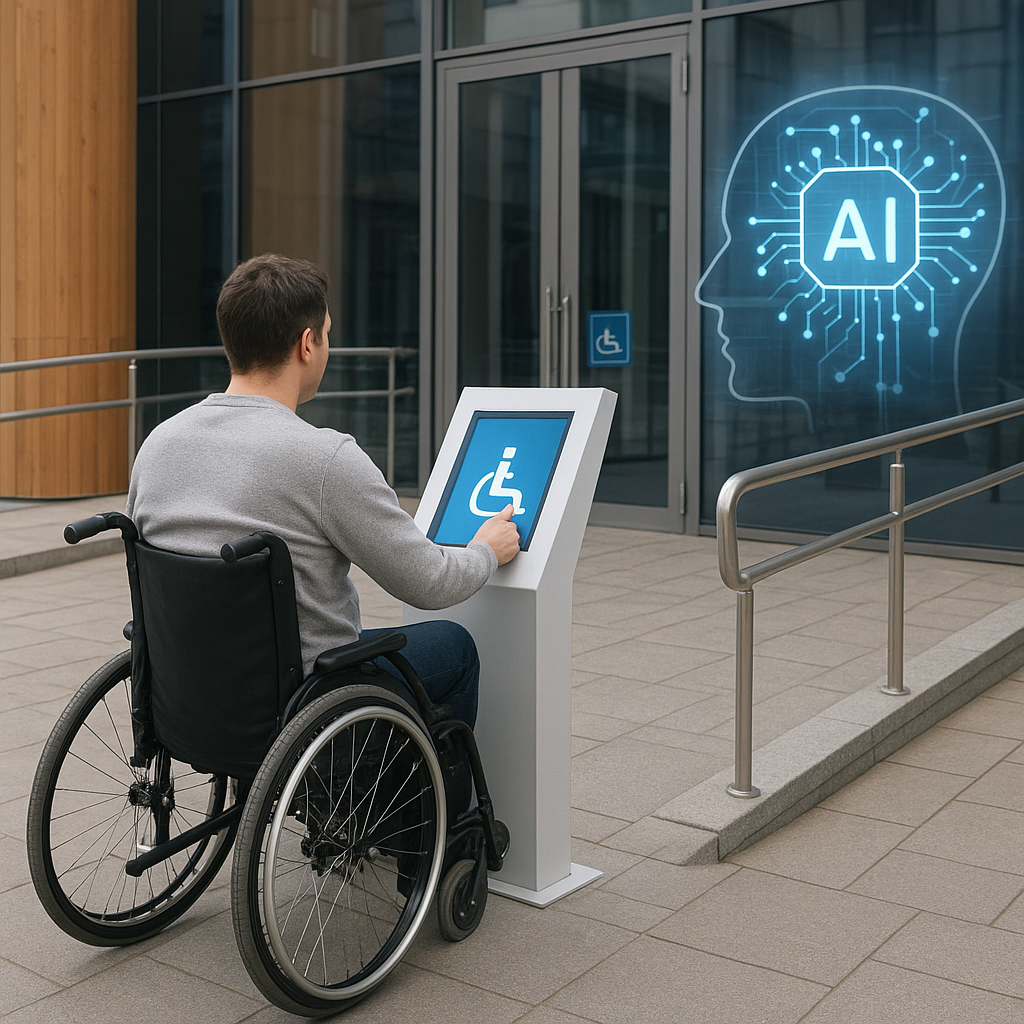
By marrying these adaptive solutions with predictive sensors and building management AI, future structures will dynamically optimize energy use, internal climates, and resource flows. Urban centers on Earth stand to benefit immediately, while lunar and Martian colonies will rely on these systems to close survival loops in hostile environments.
Orbital Habitats and Extraterrestrial Construction
The dream of living beyond Earth drives the quest for sustainable extraterrestrial settlements. Concepts range from rotating wheel stations in low orbit to pressurized domes on the Moon and buried habitats on Mars. Engineers employ techniques such as in-situ resource utilization (ISRU) to extract building materials directly from local regolith or ice.
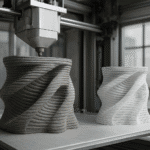
- 3D printing with lunar or Martian soil analogs, reducing launch mass from Earth.
- Regolith shielding to protect life support modules from radiation and micrometeorites.
- Inflatable structures that expand once deployed, then harden into rock-like composites.
- Robotics swarms assembling prefabricated or printable components in low gravity.
Such projects underscore the importance of microgravity studies, as structural behaviors in orbit inform the design of large, lightweight truss networks and tension-based frameworks. These strategies also inspire terrestrial high-rise construction, where weight reduction and rapid deployment are at a premium.
Digital Design Tools and Robotics Integration
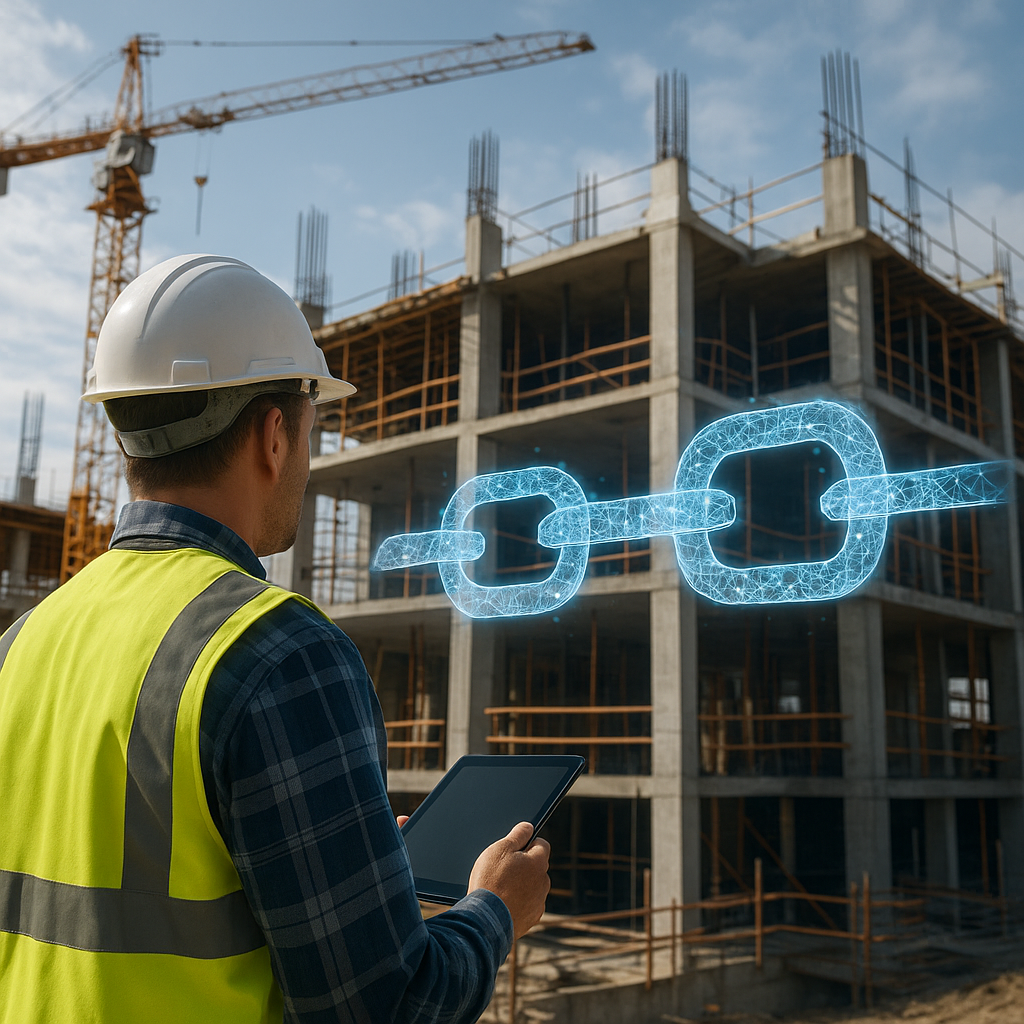
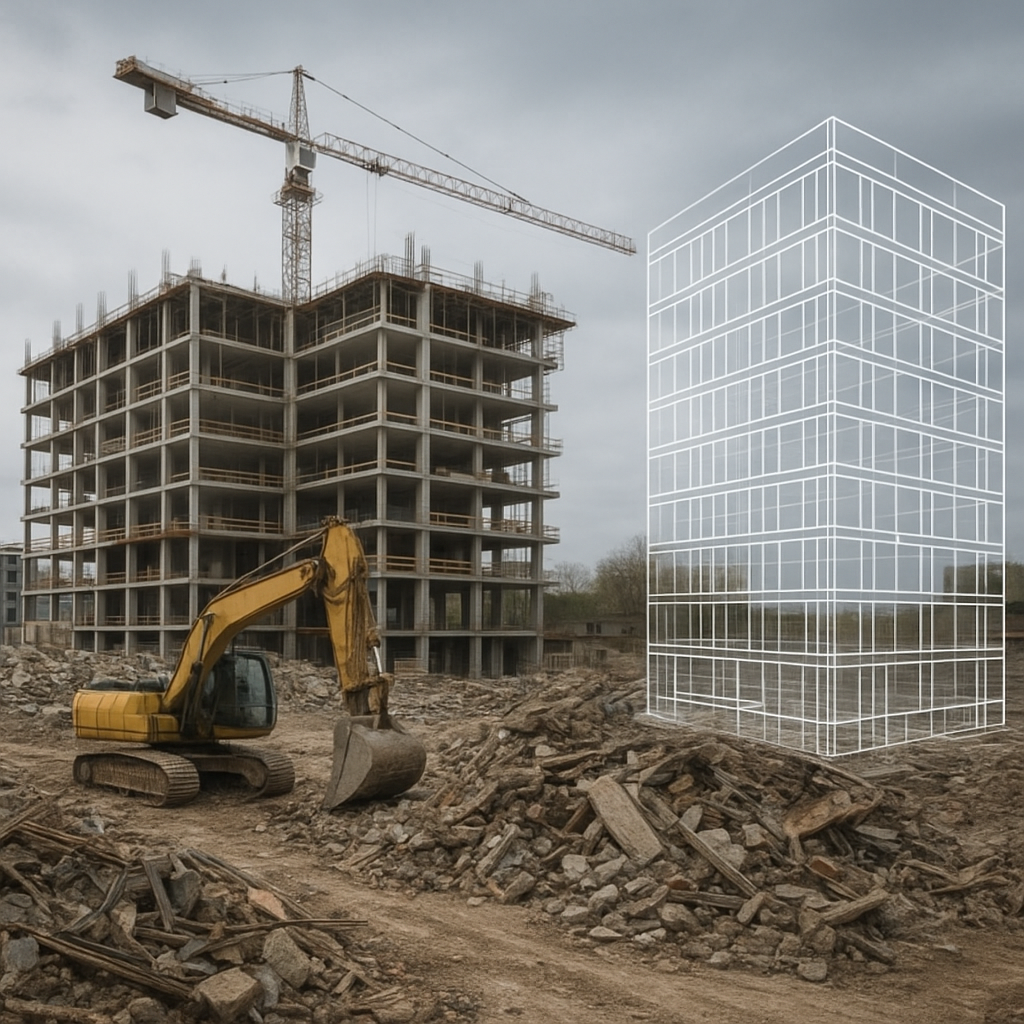
The intersection of AI, virtual reality, and autonomous machines heralds a new era of architectural practice. In space mission planning, digital twins simulate habitat performance under extreme conditions, allowing designers to refine layouts before a single module is built. On Earth, similar workflows are transforming concept to completion.
Autonomous Construction and Assembly
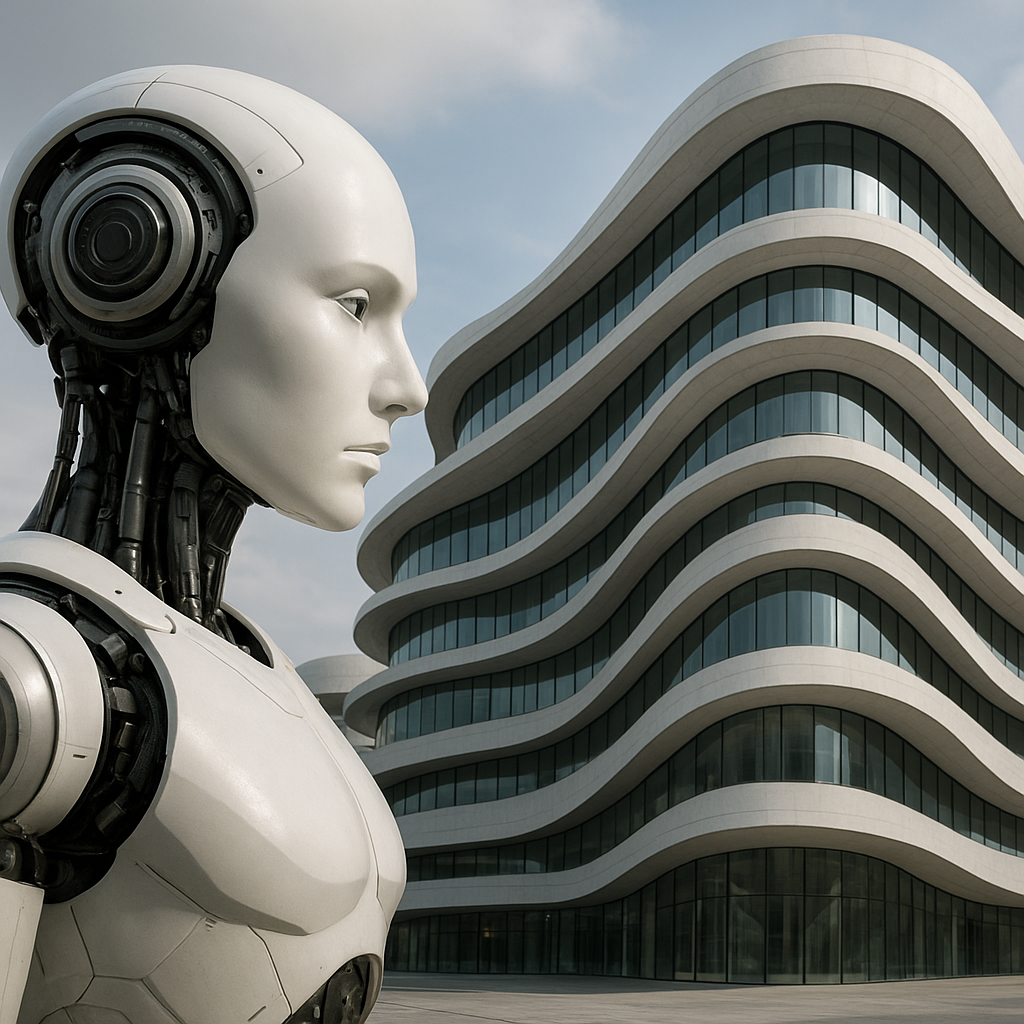
- Robotic arms performing precise bricklaying for lunar base walls.
- Drones surveying surfaces and deploying micro-robots for interior finishing.
- AI-driven scheduling that synchronizes human and robotic tasks for optimal efficiency.
- Parametric design platforms that adjust structural parameters in real time based on sensor feedback.
These systems are supported by innovation in sensor networks, machine learning algorithms, and 3D modeling engines that bridge the analog–digital divide. As a result, the architectural process becomes more responsive, predictive, and capable of delivering radically new forms tailored to specific operational contexts.
Visionary Impacts on Earthly Architecture
The ripples from space-focused research extend deep into urban design and public infrastructure. From skyscrapers enveloped in self-cleaning, radiation-resistant coatings to floating habitats along shorelines that mimic orbital station modules, the aesthetic and technical vocabulary of architecture is expanding.
- Smart façades inspired by deployable solar sails to optimize daylight and energy collection.
- Dynamic shading systems modeled on spacecraft thermal blankets.
- Modular emergency shelters deployable via air launch vehicles for rapid disaster response.
- Underground and submerged structures designed to resist seismic pressures, taking cues from lunar lava-tube concepts.
By embracing lessons from human voyages to the Moon, Mars, and beyond, architects are challenging convention and championing resilient, efficient, and awe-inspiring built environments. The synergy between architectural ambition and space science promises to shape the next century of design across our planet—and wherever humanity dares to go.