
The Influence of cinematic storytelling on architectural imagination has never been more pronounced. As filmmakers craft sprawling vistas of neon-lit cities and gravity-defying megastructures, architects and urban planners draw inspiration from these visual narratives to envision tomorrow’s built environment. By examining the interplay between screen-based fantasies and real-world design, we uncover how speculative futures inform contemporary practice, while pushing the boundaries of innovation and sustainability.
Cinematic Inspirations Shaping the Urban Skyline
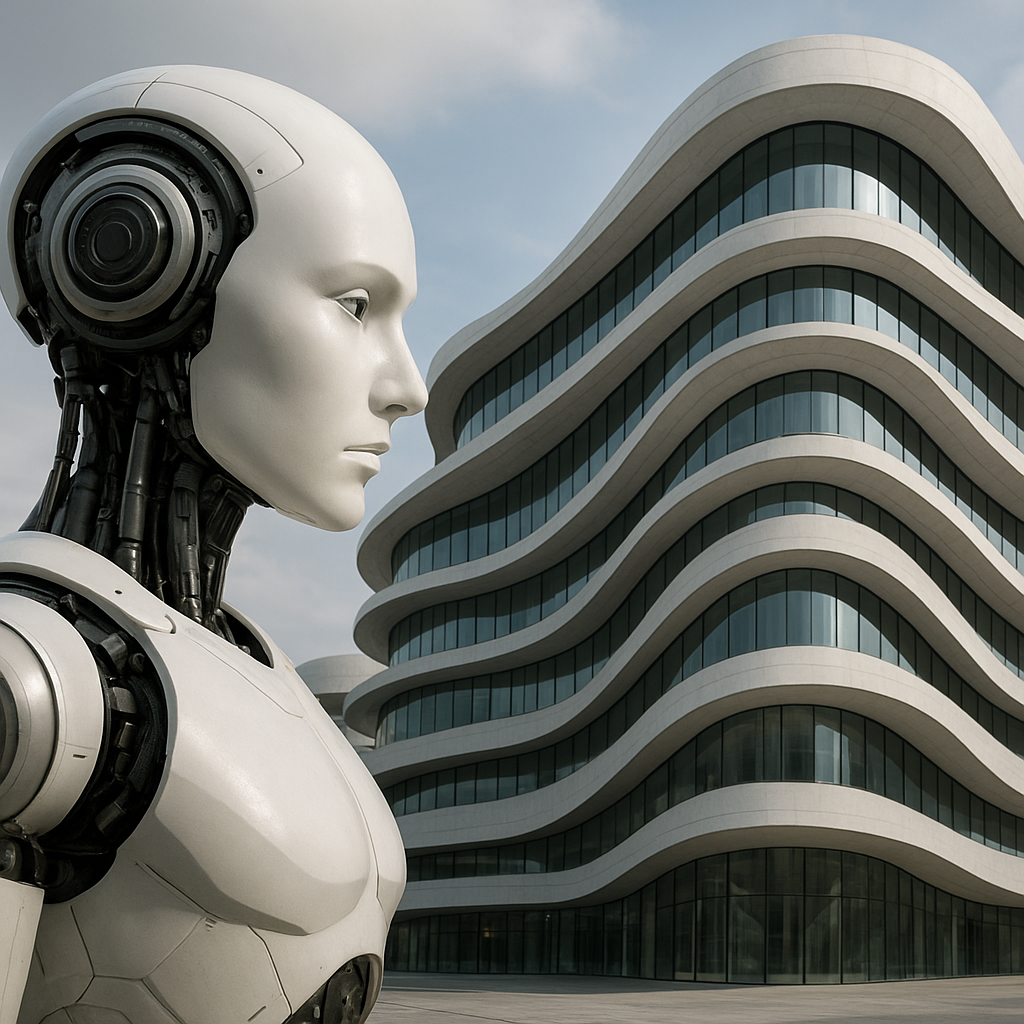
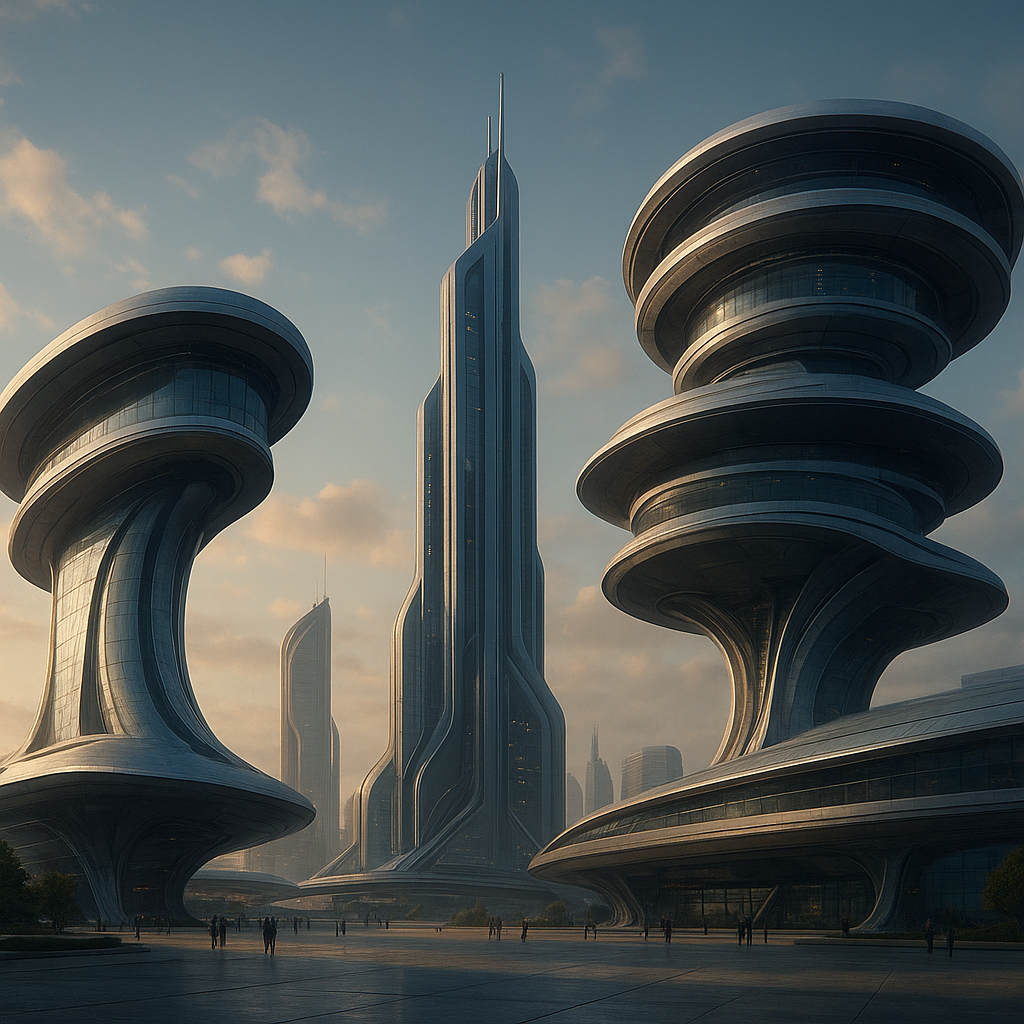
Science-fiction epics present urban environments that defy modern constraints. From towering spires suspended above clouds to entire metropolises carved into alien landscapes, these films become blueprints for the boldest ideas in architecture. Directors and production designers often collaborate with concept artists to create cityscapes rich in detail, integrating elements of retrofuturism, brutalism, and neo-organic forms. Such visions galvanize architects to rethink the familiar grid, experimenting with parametric geometries and fluid façades.
Examples of cinematic influence include:
- The cascading terraces of Blade Runner’s Los Angeles inspiring vertical neighborhoods and sky bridges.
- The monolithic pyramids in Stargate invoking monumental civic centers and cultural hubs.
- The modular habitats of The Expanse prompting off-world settlement prototypes and inflatable modules.
By translating on-screen marvels into practical schematics, designers harness the emotive power of visuals to propose real-world structures that blend form and function in unexpected ways.
Technological Innovation and Sustainable Design
Futuristic films frequently depict self-sufficient towers equipped with energy harvesters, water recyclers, and fully integrated ecosystems. These scenarios fuel architectural research in biomimicry and closed-loop systems, driving a shift from fossil-fuel dependence toward renewable sources. The idea of buildings functioning like living organisms stimulates exploration of composite materials that adapt to temperature changes, filter pollutants, and even repair structural damage autonomously.
Key strategies adopted from sci-fi narratives include:
- Photovoltaic skins that resemble living tissue, capturing solar energy across every surface.
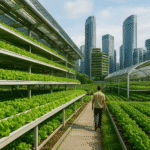
- Vertical farms embedded within towers, reducing transportation emissions and promoting urban sustainability.
- Smart shading devices inspired by insect wings, optimizing daylight and interior comfort.
These design solutions underscore how speculative technologies on screen often precede real-world breakthroughs, motivating multidisciplinary teams to bridge fiction and feasibility.
Virtual Reality, AI, and Immersive Prototyping
Virtual reality and artificial intelligence are staples of futuristic cinematography, depicting fully interactive city simulations and self-evolving structures. Architects employ VR platforms to immerse clients in proposed spaces, allowing them to navigate and alter environments in real time. This immersive approach reduces miscommunication, accelerates decision-making, and fosters a collaborative ethos between stakeholders.
Moreover, generative design algorithms—echoing sci-fi portrayals of autonomous construction—enable rapid iteration of structural forms based on performance criteria. By feeding parameters such as wind load, material yield, and circulation efficiency into AI systems, designers receive multiple optimal configurations within minutes.
Notable advantages of this methodology:
- Enhanced validation of complex geometries prior to physical prototyping.
- Integration of environmental data streams to predict building performance over decades.
- Dynamic customization for occupants, offering adaptable layouts that respond to daily routines.
Through these digital tools, the architectural profession channels the visionary spirit of movie futurism into tangible design processes.
Biomimetic and Adaptive Structures
Many futuristic films dramatize cities that respond organically to human presence—structures that expand, contract, and reconfigure to optimize comfort and utility. This concept propels real-world research into adaptive façades and morphing materials, where kinetic panels open like flower petals to harness sunlight or close defensively during storms. By emulating natural growth patterns, architects aspire to create buildings that evolve alongside their inhabitants.
Research areas include:
- Smart alloys and polymers that change shape under electrical stimuli, allowing for self-adjusting building skins.
- Sensors networked throughout the envelope to monitor occupancy, air quality, and structural health.
- Modular units that can be reconfigured on-site, supporting pop-up urbanism and emergency shelters.
This focus on modularity and user-centric responsiveness echoes the adaptability seen in science-fiction narratives, where habitats continuously transform to meet unforeseen challenges.
Speculative Urbanism and Cultural Impact
By depicting extreme social and environmental conditions, sci-fi movies challenge architects to consider how cities might navigate resource scarcity, population surge, and climate upheaval. Scenes of glittering utopias contrast with dystopian wastelands, prompting design experiments in resilient infrastructures and equitable public realms. Planners study these imagined scenarios to develop contingency frameworks that can withstand ecological shocks or geopolitical shifts.
Highlights of speculative urbanism include:
- Flood-resistant districts perched on elevated platforms, inspired by cinematic visions of rising seas.
- Underground arcologies protecting citizens from harsh surface conditions.
- Distributed energy microgrids ensuring uninterrupted power in fragmented societies.
Such concepts reinforce the role of architecture not only as a physical craft but as a medium for social commentary, envisioning societies that either flourish or falter based on the built environment’s capacity to adapt.