

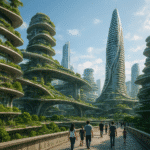

Emerging from the realm of science fiction, the integration of robotics into building construction is reshaping our vision of tomorrow’s cityscapes. As architects and engineers collaborate with advanced machines, the once fantastical notion of automated skyscrapers and self-assembling dwellings is becoming reality. This exploration delves into the cutting-edge innovations driving the next era of futuristic architecture, highlighting the transformative potential of intelligent machines on construction sites around the world.
Advancements in Robotic Construction Technology
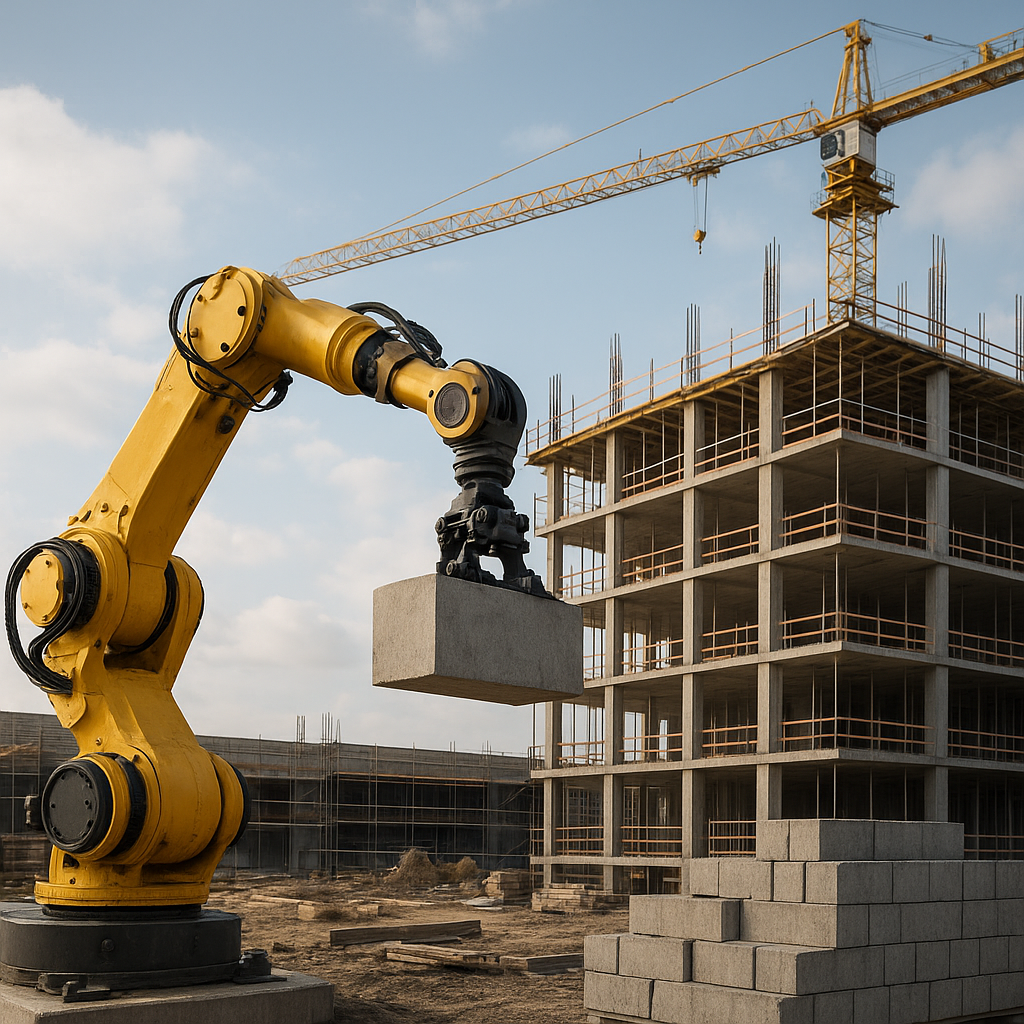
The rapid evolution of construction robotics has been fueled by breakthroughs in sensor systems, materials science, and automation protocols. From mobile bricklaying arms to aerial drone assemblers, each robotic platform enhances productivity while minimizing human error.
- Precision additive manufacturing: Robots now deposit layers of concrete or polymer with millimeter accuracy, enabling complex geometries and reducing material waste.
- Swarm robotics: Coordinated fleets of compact machines collaborate on tasks such as drilling, welding, and painting, optimizing workflows through real-time communication.
- Exoskeleton integration: Construction workers equipped with powered suits can lift heavier components and perform repetitive tasks longer, merging human creativity with mechanical strength.
These innovations rely on advanced algorithms that continually refine performance. Machine vision systems detect deviations in structural assembly, adjusting robotic movements on the fly to maintain structural integrity. As a result, projects that once took months can now be completed in weeks, fostering unprecedented efficiency and quality control.
Integrating AI and Automation for Sustainable Architecture
Sustainability is at the heart of next-generation construction. By combining artificial intelligence with robotics, builders can optimize resource consumption, reduce carbon footprints, and promote sustainability at every stage.
Smart Material Selection
AI-driven analysis evaluates environmental impact data before recommending eco-friendly materials. Robotic handlers then precisely source and place these components, ensuring that buildings perform better over their lifecycle. Examples include:
- Recycled composite panels assembled by robotic arms, reducing landfill waste.
- Biomimetic structures printed with living materials that adapt to local climates.
Energy-Efficient Construction Processes
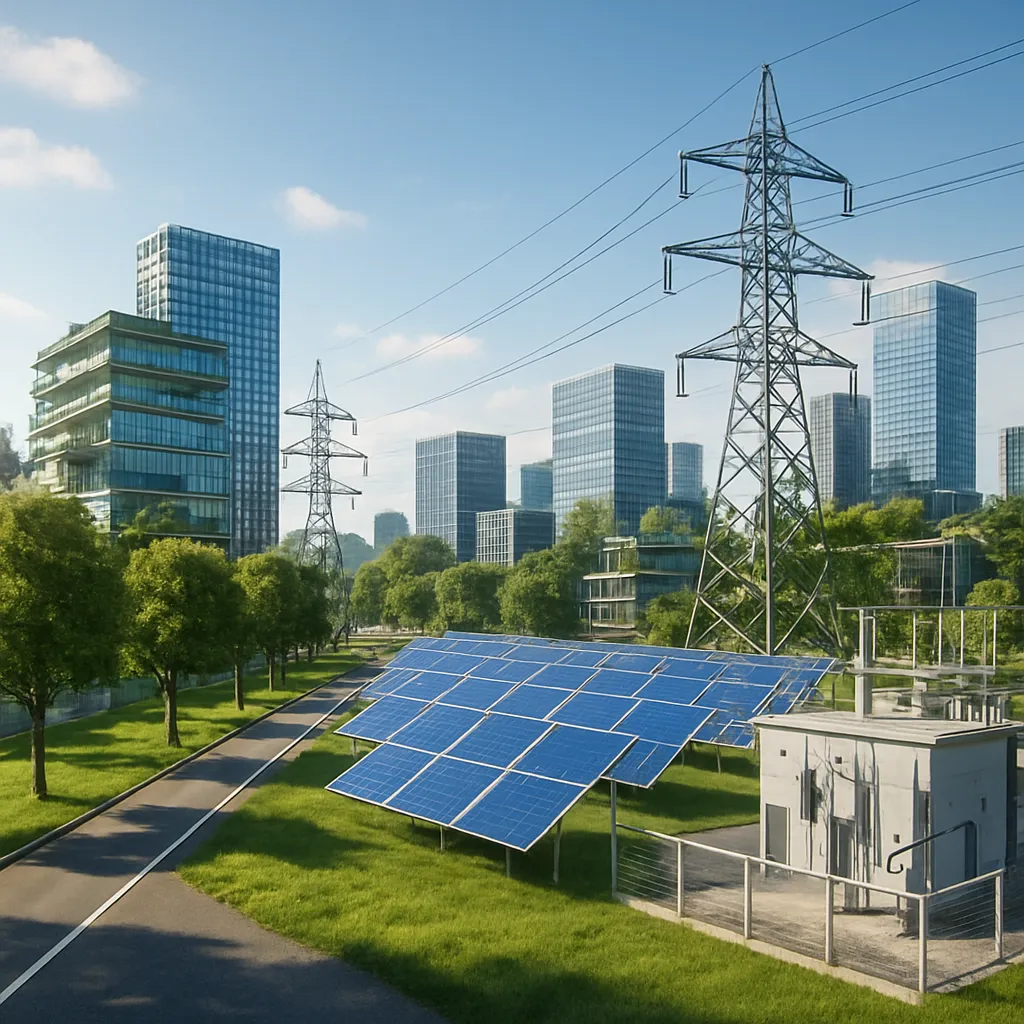
On-site energy harvesting systems power robotic cells through solar panels and kinetic-energy recapture floors. Real-time monitoring platforms adjust robotic workloads to off-peak energy hours, minimizing strain on the grid. The synergy of AI and robotics in these scenarios fosters a harmonious balance between construction speed and ecological responsibility.
Design Flexibility and Customization with Robotics
The modular nature of robotic construction tools offers architects unprecedented design freedom. Instead of being confined by standardized building blocks, designers can explore organic shapes, fluid facades, and adaptive interiors that respond to user needs.
- Parametric frameworks: Algorithms generate unique structural layouts based on environmental data, site constraints, and user preferences.
- On-demand fabrication: Robotic printers assemble customized furniture and fixtures in situ, ensuring a seamless integration of form and function.
- Adaptive skins: Robotic maintenance drones reconfigure facade elements to regulate solar exposure and ventilation across changing seasons.
Such levels of customization rely on modularity and interconnected design software. Digital twins—virtual replicas of buildings—simulate future performance, helping teams refine plans before robots deploy heavy machinery. This process not only accelerates development but also empowers clients to visualize and adjust the aesthetics of their spaces in real time.
Challenges and Future Prospects in Robotic Construction
Despite remarkable progress, several hurdles remain on the path to fully autonomous construction zones. Addressing these challenges will define the next decade of innovation:
- Regulatory frameworks: Standardizing safety protocols for human-robot collaboration requires new legislation and cross-industry partnerships.
- Cost barriers: High initial investments in robotics and AI platforms can deter small-scale builders, highlighting the need for scalable leasing models and shared equipment hubs.
- Skill gaps: Training a workforce proficient in coding, robotics maintenance, and data analytics is essential to harness the full potential of automated systems.
Looking ahead, the convergence of robotics with emerging fields such as nanotechnology and bioengineering promises even more radical transformations. Imagine self-healing concrete infused with microbots that detect and repair cracks, or shape-shifting structures that adapt their form according to seismic activity. These concepts underscore the importance of adaptability and resilience as guiding principles for futuristic architecture.
As robotics continues to mature, the boundary between living organisms and built environments will blur. Buildings may grow like coral reefs, guided by programmable cells, while construction factories evolve into intelligent ecosystems. In this unfolding scenario, the synergy between human ingenuity and machine precision will chart the course for the cities of tomorrow.