


Emerging cities are no longer passive canvases for human activity but dynamic organisms shaped by data, AI, and intricate networks of information. Architects and planners leverage real-time insights to craft environments that anticipate needs, adapt to changing conditions, and foster a symbiotic relationship between people and place. Through the lens of futuristic architecture, we explore how cutting-edge technologies and design philosophies converge to create urban landscapes of unprecedented intelligence and vitality.
Intelligent Sensing and Urban Flow
Real-time Monitoring with Sensor Arrays
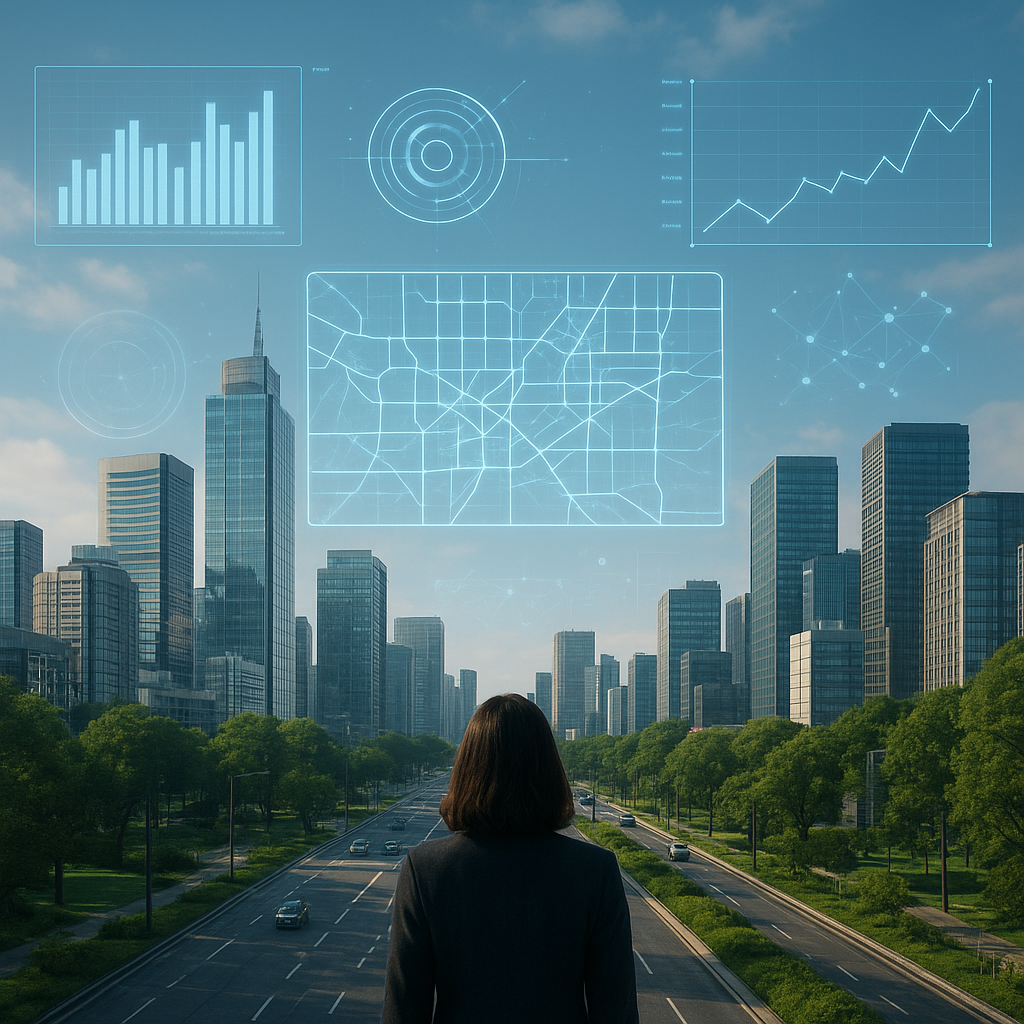
Modern buildings and public spaces integrate vast arrays of sensors that continuously capture environmental, structural, and human metrics. From air quality detectors embedded in streetlights to pressure-sensitive flooring in transit hubs, these devices feed a central brain that interprets crowd densities, noise levels, and energy consumption patterns. By visualizing this information on interactive dashboards, city managers can pinpoint bottlenecks in pedestrian movement or identify zones where lighting and heating require adjustment.
Dynamic Resource Allocation
With streams of live data, urban systems can enact automated responses. Traffic signals adjust green-light durations based on vehicular flow; waste collection routes recalibrate when dumpsters approach capacity; and irrigation networks deliver water precisely to rooftop gardens showing signs of stress. This kind of on-the-fly optimization minimizes waste, reduces operational costs, and elevates the comfort of inhabitants without the need for manual intervention.
Algorithmic Design and Architectural Form
Procedural Generation and Simulation
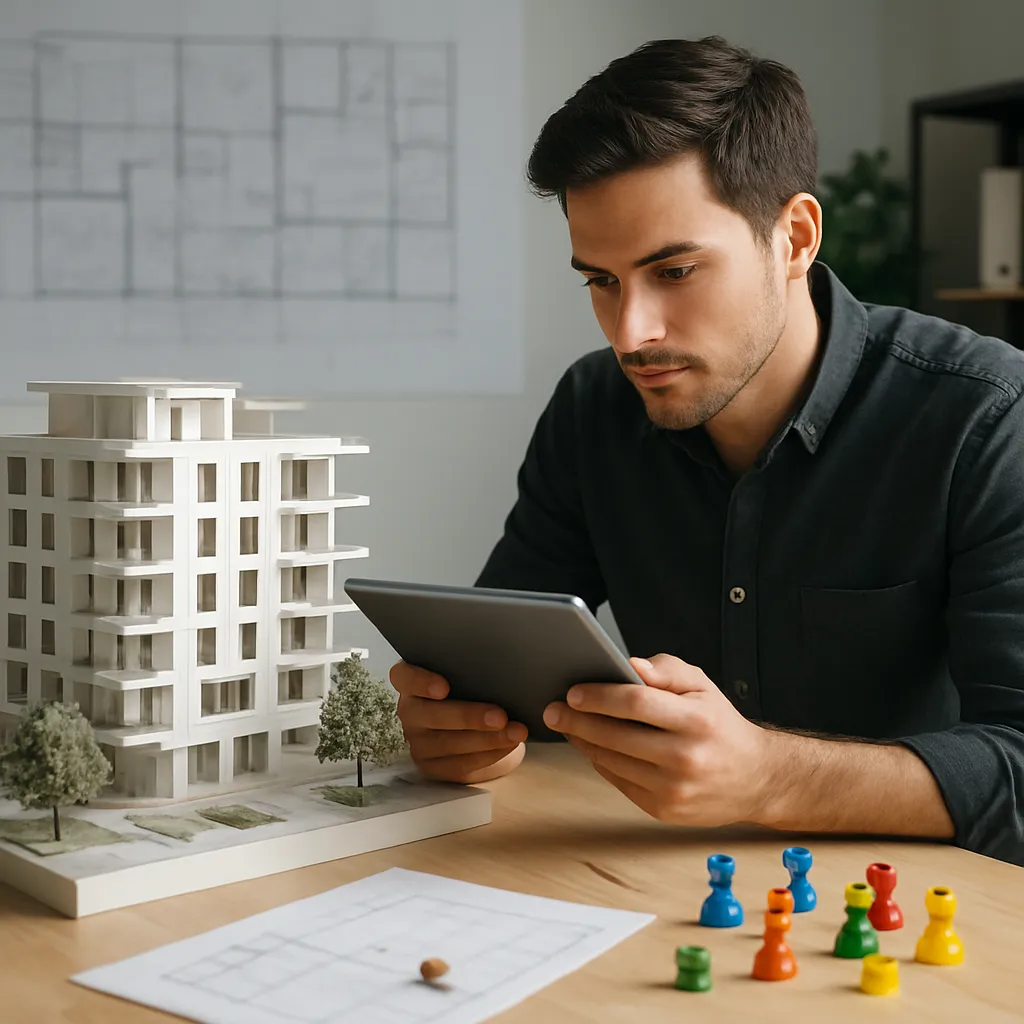
Architects increasingly rely on parametric tools that employ generative algorithms to explore countless design permutations. By defining constraints—sunlight exposure, structural load limits, material availability—these systems produce forms that respond organically to local context. Subsequent simulation modules evaluate each variant for wind resistance, thermal performance, and acoustic comfort, enabling teams to select configurations that strike an ideal balance between aesthetics and functionality.
Adaptive Facades and Material Innovation
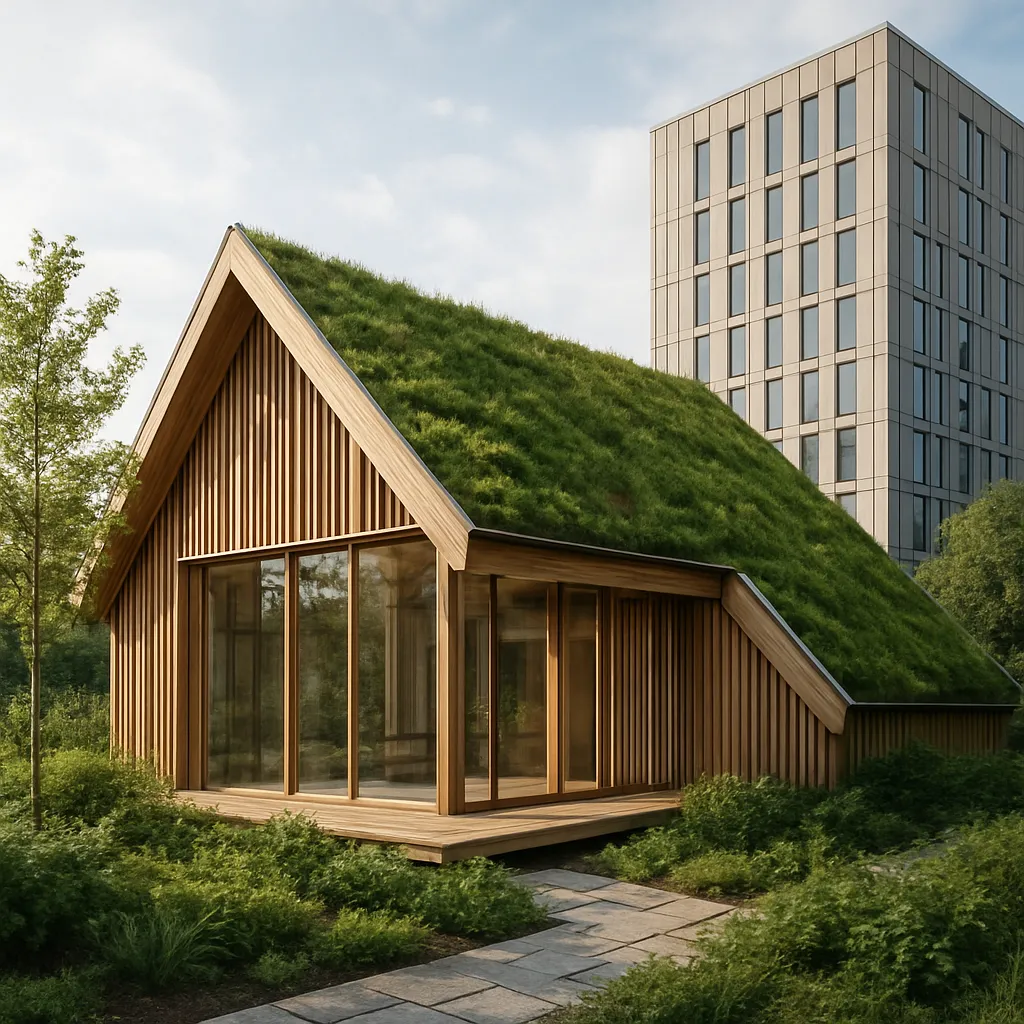
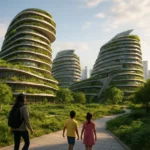
Futuristic towers often feature skin-like exteriors embedded with shape-shifting panels. Controlled by actuators and powered by embedded photovoltaics, these living facades modulate transparency, insulation, and ventilation. On hot afternoons, slats open to promote airflow; when storms approach, they seal shut to protect occupants. Innovations in bio-based composites and self-healing concretes further enhance durability, ushering in a new era of responsive, low-maintenance architectural envelopes.
Mobility 4.0: Seamless Connectivity
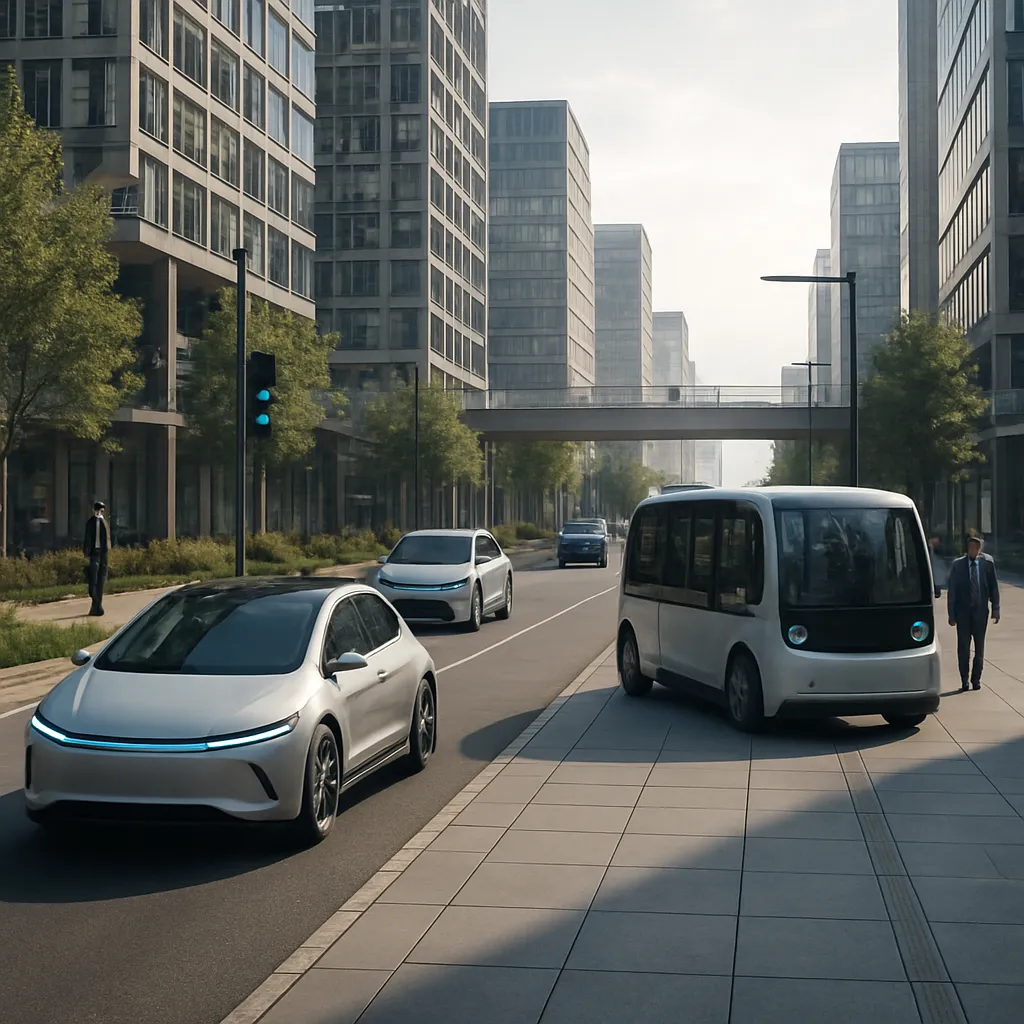
Autonomous Systems and Traffic Optimization
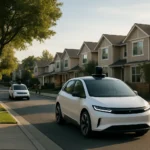
Autonomous vehicles and drones form an invisible lattice that orchestrates both passenger movements and logistics. Connected to a central mobility hub, electric shuttles receive real-time route updates, bypassing congestion by rerouting through less-traveled corridors. Delivery drones link directly to smart lockers, coordinating drop-offs with human foot traffic patterns to minimize conflicts. This layered approach to transportation fosters a fluid urban rhythm where delays and accidents become statistical anomalies rather than daily occurrences.
Intermodal Hubs and Sustainable Transit
At the heart of every next-generation city lies a network of intermodal nodes where hyperloop stations, maglev lines, and bicycle-sharing racks coalesce. These hubs utilize predictive analytics to match capacity with demand, opening additional platforms or bike docks just as rush hour peaks. Renewable energy sources—solar canopies and wind walls—power charging stations, while integrated wayfinding apps guide users through a frictionless door-to-door journey.
Resilient and Sustainable Urban Ecosystems
Energy Distribution and Microgrids
Decentralized energy systems break free from monolithic power plants. Instead, rooftop solar arrays, geothermal collectors, and waste-to-energy units link together in community microgrids. Smart meters monitor generation and consumption down to individual apartments, balancing supply in real time. Should a localized disturbance occur—be it a storm or grid overload—sections of the network island themselves, preserving critical services and enhancing overall resilience.
Circular Economy and Smart Waste Management
Futuristic districts embrace a cradle-to-cradle approach to materials.
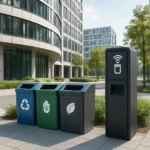
- These neighborhoods deploy AI-driven sorting robots that segregate recyclables at source,
- composting facilities integrated within building basements convert organic waste into soil amendments,
- and digital tokens reward residents for returning items to exchange loops.
By marrying physical infrastructure with blockchain-enabled tracking, cities close resource loops and minimize landfill contributions, advancing true sustainability.
Human-Centered Public Spaces and Well-being
Biophilic Design and Mental Health
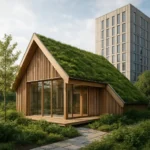
Research increasingly underscores the link between nature integration and psychological well-being. Futuristic plazas incorporate living walls that filter pollutants, while AI-controlled misting systems adjust humidity in microclimate zones. Paths lined with sensor-illuminated pavers guide joggers through aromatic herb gardens at dawn, and augmented-reality installations let visitors visualize urban forests that will bloom decades hence. Such interventions cultivate a profound sense of connection and restorative calm.
Inclusivity Through Digital Platforms
Beyond physical form, cities design digital layers that empower every citizen. Interactive kiosks equipped with gesture recognition offer multi-language assistance; VR-enabled town halls facilitate remote participation in planning sessions; and AI chatbots respond instantly to inquiries about zoning changes. This ensures decision-making processes remain transparent, equitable, and responsive to diverse community voices.
Future Outlook: Towards a Synergic City
As urban landscapes evolve, the boundaries between built form, infrastructure, and inhabitants blur into a cohesive whole. Data-driven design establishes a feedback loop where every footstep, photon, and kilowatt-hour informs future iterations. Innovations in mobility, energy, and public engagement converge in living laboratories that test concepts at neighborhood scale before wider deployment. The resulting cities will not merely house people but will co-create with them—learning, adapting, and thriving on a foundation of continuous improvement and collective imagination.