



The convergence of **immersive** technologies and avant-garde design principles is shaping a new horizon for architectural visionaries. As **VR** platforms evolve, architects and planners are harnessing real-time **simulation**, multi-sensory feedback, and **interactive** environments to transcend the constraints of two-dimensional blueprints. This exploration navigates how visionary practices, underpinned by **parametric** modeling, **biomimetic** inspiration, and **sustainable** strategies, are revolutionizing the very fabric of our built environment.
Immersive Design Ecosystems
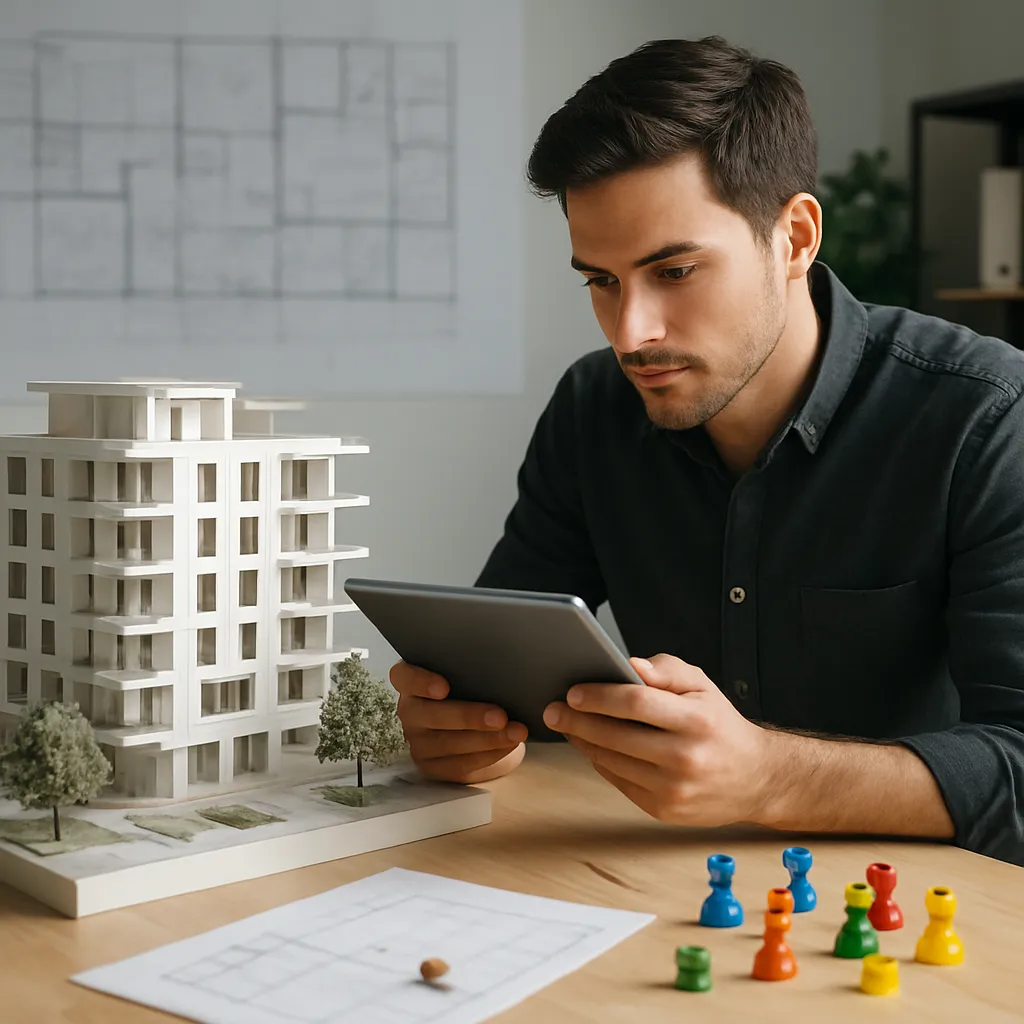
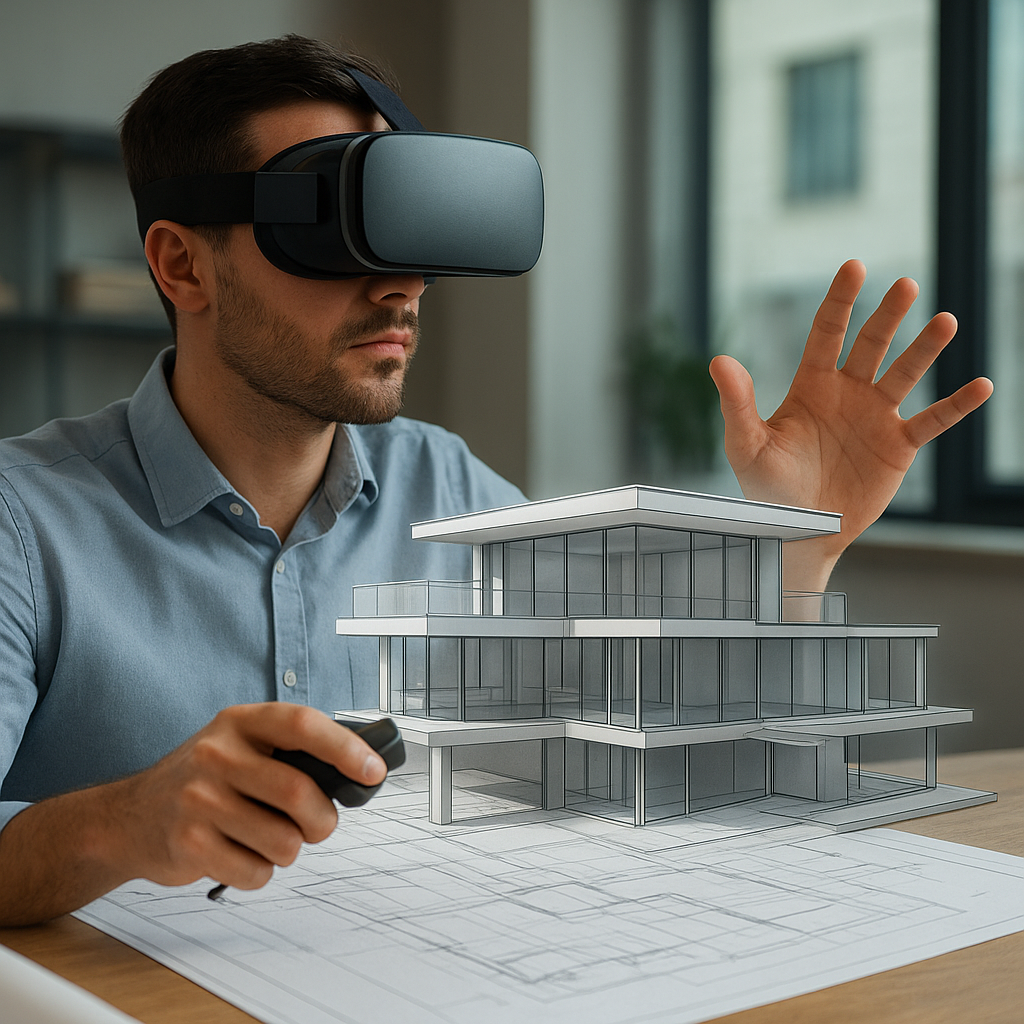
Within the studio realm, designers are integrating **digital twin** methodologies to create living models that react dynamically to human interaction. By donning VR headsets, stakeholders traverse conceptual landscapes that adapt on-the-fly—walls reshape, materials shift textures, and lighting responds to physiological data. These environments foster rapid iteration and democratize decision-making, as clients, engineers, and urban planners collaborate in a **modularity**-driven virtual space.
- Real-Time Collaboration: Multiple users converge in a shared VR environment, annotating, modifying, and approving design elements together.
- Gesture-Based Manipulation: Architects sculpt forms using natural hand movements, enabling fluid exploration of complex geometries.
- Contextual Simulations: Virtual sun-path analyses, wind simulations, and acoustic modeling occur at unprecedented speeds within unified platforms.
Such breakthroughs underscore the shift toward **adaptability**, where feedback loops between code and creative intent blur the line between ideation and realization.
Dynamic Materials and Responsive Structures
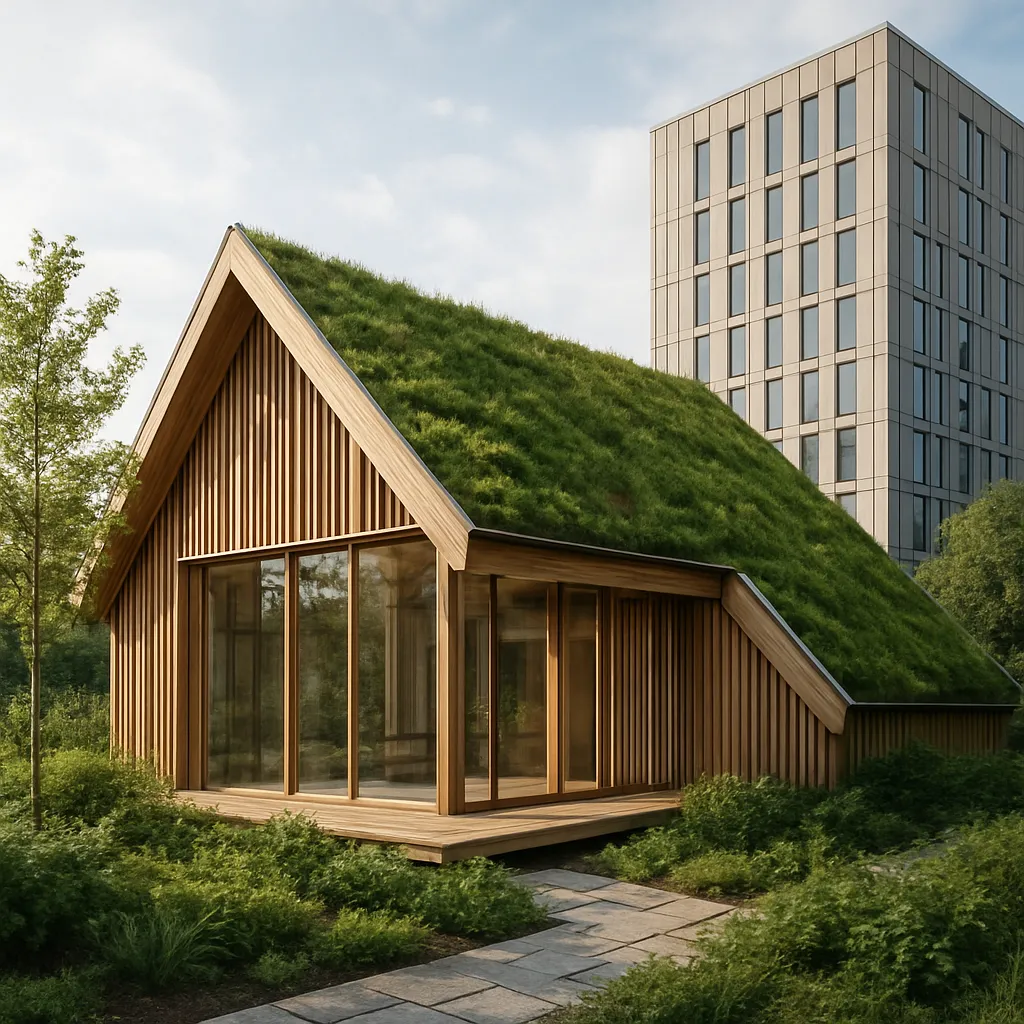
Transcending static façades, futuristic architecture embraces materials that **respond** and **heal**. In tandem with VR prototyping, researchers develop composites embedded with micro-actuators and photochromic pigments. Through simulated stress tests in VR, teams observe how these surfaces morph to optimize daylight harvesting, regulate thermal loads, or repel pollutants.
- Shape-Memory Alloys: VR scenarios reveal where the alloy panels flex, enabling self-adjusting shading systems.
- Biomimetic Coatings: Inspired by lotus leaves and sharkskin, virtual environments measure hydrophobic performance under digital rainfall.
- Smart Textiles: Patterned fabrics within VR zones illustrate how temperature-responsive fibers open or close pores for passive climate control.
By testing these innovations in simulated conditions, architects can refine **sustainability** targets before physical prototypes ever leave the lab.
AI-Driven Urban Planning and Virtual Public Spaces
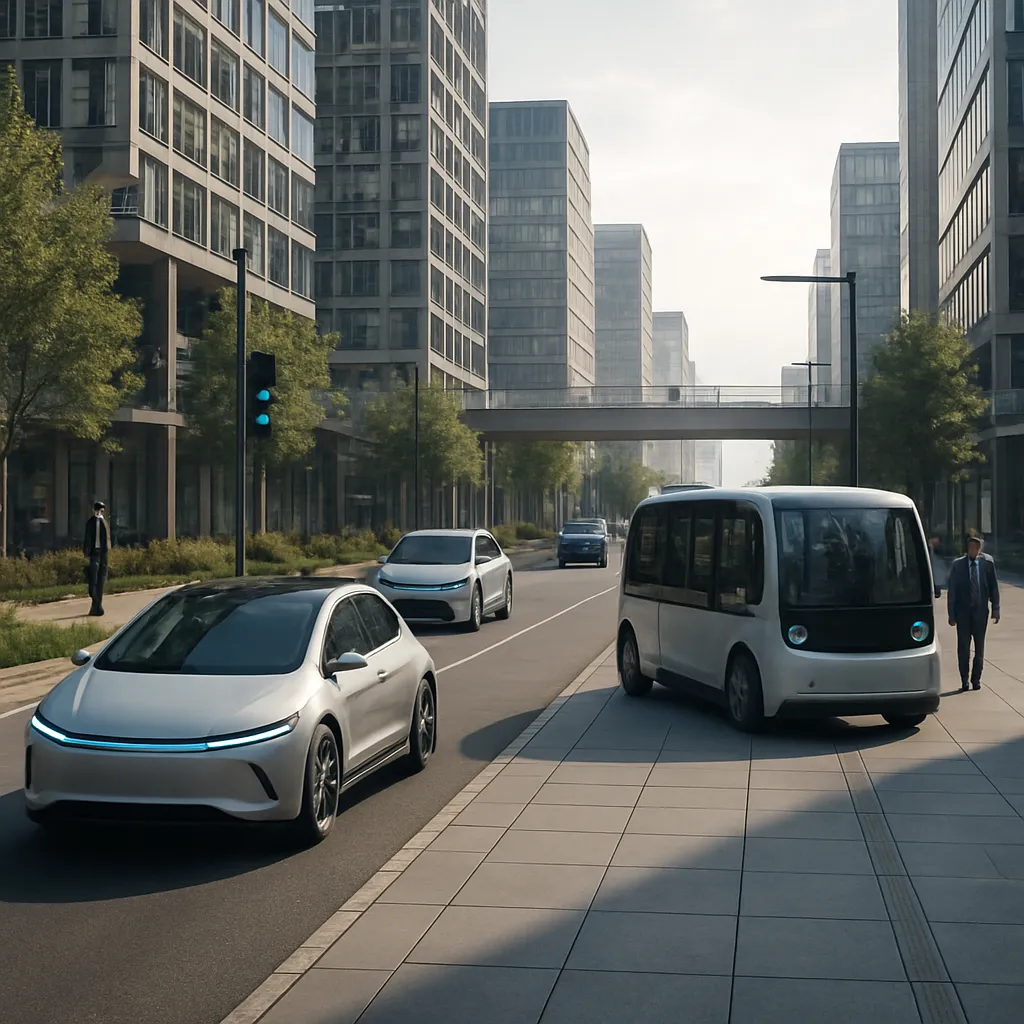
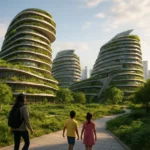
Beyond individual structures, cities themselves are undergoing a metamorphosis through the **fusion** of VR and artificial intelligence. Planners deploy generative algorithms to propose zoning schemes that optimize pedestrian flow and green corridor distribution. Historical data, real-time sensors, and predictive analytics inform these models, rendering sprawling urban networks as interactive **holographic** cityscapes.
Participatory Urbanism
Citizens slip into VR simulations of proposed plazas, transit hubs, and residential blocks, voting on public art placements or microclimate interventions. This **participation** not only fosters community ownership but also surfaces latent needs—like accessible pathways or quiet gardens—that might elude traditional surveys.
Resilience through Simulation
Scenarios of extreme weather, seismic events, or mass gatherings are stress-tested virtually, enabling planners to preconfigure resilient infrastructures—flood barriers that inflate on command, modular shelters that deploy en masse, and dynamic lighting systems that guide crowds during emergencies.
Parametric Futures: Crafting Shapes Beyond Imagination
At the core of many VR-enhanced projects lies **parametric** design, where rules and relationships generate intricate geometries. Designers leverage node-based interfaces to link variables—sun angle, view corridors, material cost—and watch the architectural form evolve in real time. This synergy between computation and human intuition births structures previously dismissed as unbuildable.
- Algorithmic Façades: Patterns derived from natural growth algorithms adapt to environmental conditions, producing façades that breathe and diffuse sound.
- Topology Optimization: Load-bearing elements are sculpted down to organic forms, resulting in lightweight yet robust frameworks visualized in VR down to micron precision.
- Procedural Interiors: Furniture and fixtures emerge from rule sets that ensure spatial harmony, accessibility, and material efficiency.
These **innovations** not only push aesthetic boundaries but also enable more efficient use of resources and labor.
Emerging Realities and the Road Ahead
Looking forward, the convergence of haptic feedback, AI-guided creativity, and real-world data streams promises to further dissolve our distinctions between physical and virtual. Imagine construction robots referencing VR blueprints in real time, 3D-printing building components on site with precision guided by augmented overlays. Picture whole neighborhoods configured overnight to respond to shifting demographics or environmental risks.
As these **technologies** mature, architecture transcends mere shelter, becoming a living canvas where **interactivity**, resilience, and beauty are inseparable. The architects of tomorrow are not just designers, but orchestrators of dynamic systems—melding art, science, and imagination to shape the cities of our collective future.