

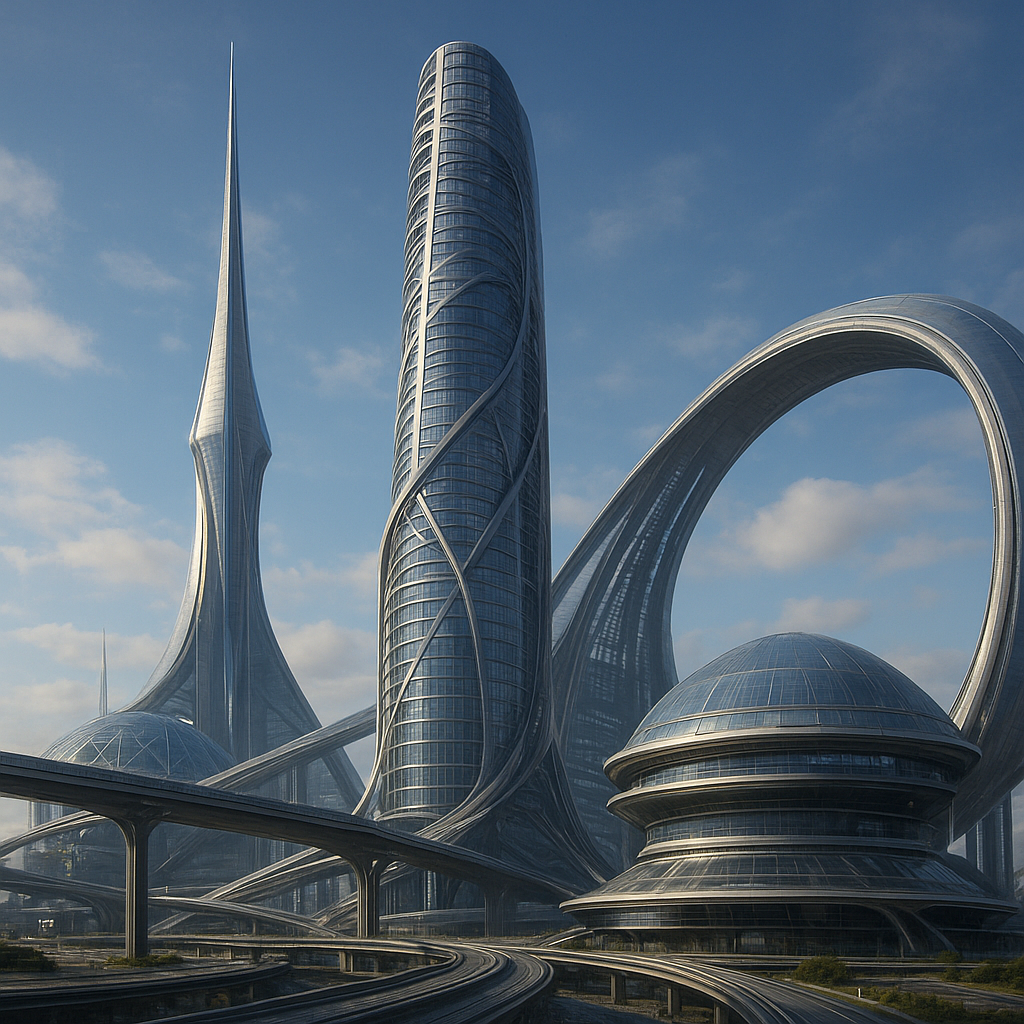
From gravity-defying towers piercing the clouds to translucent domes drifting across ocean trenches, humanity’s architectural ambitions are reaching unprecedented heights. The rise of smartmaterials and breakthroughs in nanotechnology are enabling the conception of structures once confined to the realm of fantasy. This exploration dives into three landmark categories of futuristic architecture, each promising to reshape our cities, our planet, and our very existence.
Sky-High Wonders: Redefining the Urban Skyline
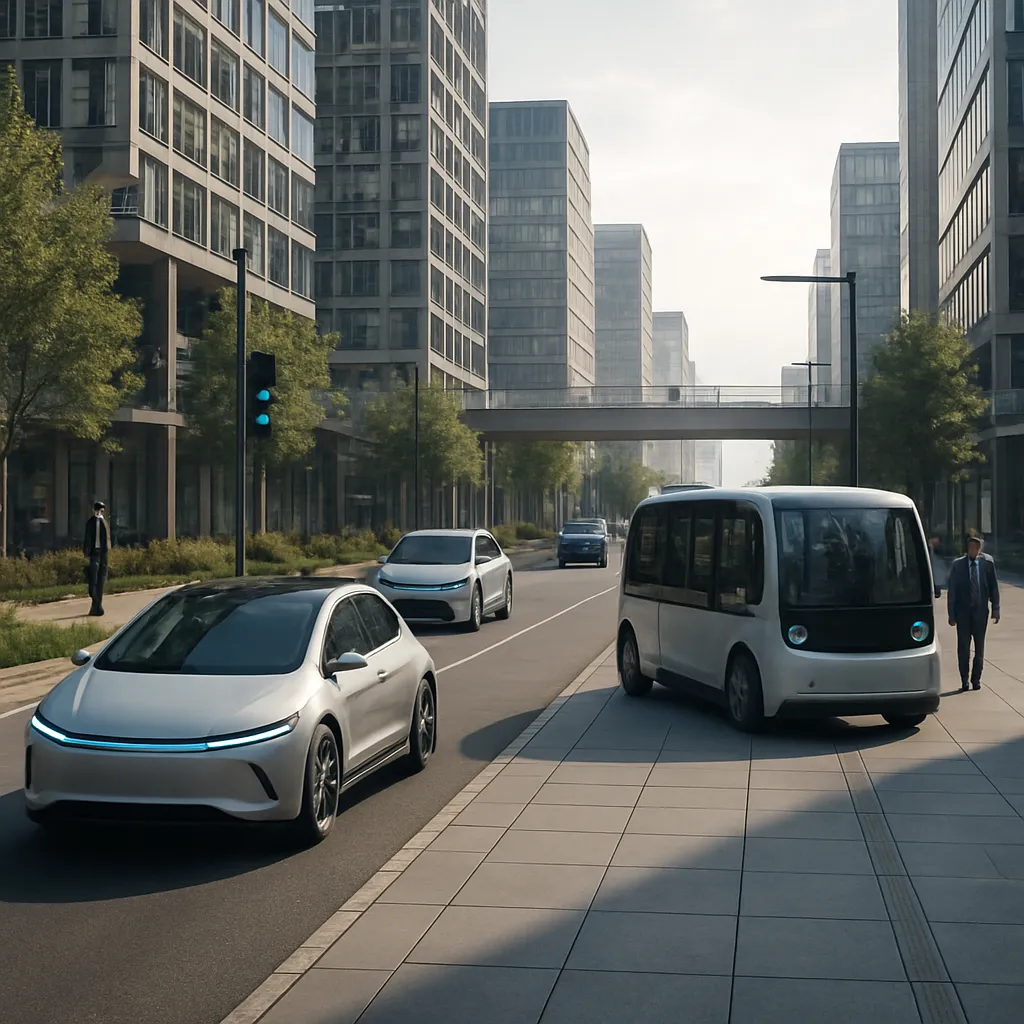
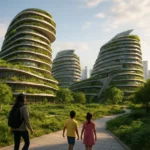
Engineers and architects are crafting vertical marvels that dwarf today’s skyscrapers. These gigantic edifices serve not only as business hubs and residential blocks but also as self-contained ecosystems housing farms, parks, and recreation spaces. Imagine a 3-kilometer-tall tower built from hybrid carbon composites reinforced with exoskeletons, its surface covered by photovoltaic glass panels that harvest solar energy day and night.
- Vertical Farms: Segmented floors cultivate fruits, vegetables, and microgreens using hydroponic and aeroponic systems, reducing food miles and ensuring year-round sustainability.
- Skybridges: Networked connective corridors link towers mid-air, creating graceful walkways wrapped in climatized domes.
- Adaptive Façades: Dynamic skins alter transparency and thermal conductivity in response to weather, powered by embedded AI-driven sensors.
Such megacomplexes address urban sprawl by condensing thousands of people into a single footprint. They embrace vertical mobility through high-speed elevators traveling at supersonic speeds and drone-based personal transports docking at dedicated skyports. Yet, these designs demand innovative solutions to seismic stability, wind shear, and microclimate control. Researchers are exploring tunable mass dampers—giant pendulums suspended within skyscrapers that counteract swaying—paired with superconducting magnetic levitation supports to achieve unprecedented resilience.
Underwater Cities: Submerged Sanctuaries of Tomorrow
Delving beneath the waves unlocks vast territories for expansion. Submerged architecture envisions entire cities enclosed in pressure-resistant domes and tubular corridors, connected to the surface by pressurized elevators. These civil engineering feats must resist colossal hydrostatic pressures, corrosive saltwater, and typhoon-driven waves above.
Structural Innovations
- Archimedes Towers: Vertical cylinders anchored to the seafloor, with buoyant capsules that rise and fall to adjust depth, harnessing ocean currents for power.
- Transparent Alloys: Multi-layered acrylic-steel composites provide panoramic underwater views while ensuring resilience against impacts from marine debris and biotic growth.
- Bioengineered Reefs: Living coral installations cultivated around structural supports act as natural breakwaters and contribute to local ecology.
Engineers plan to utilize geothermal vents to supply heating and desalination, converting steam into fresh water and electricity. Waste management employs closed-loop recycling systems using microbial bioreactors that digest organic refuse and produce nutrient-rich compounds for hydroponic gardens. Meanwhile, ambient noise-canceling membranes line corridors to shield inhabitants from the constant thrum of propulsion turbines and whale calls.
Underwater metropolises open possibilities for research outposts, eco-tourism, and marine conservation centers. By situating laboratories within living reefs, scientists can observe oceanic life in situ, forging a deeper understanding of climate change impacts and pioneering novel bioengineering approaches to preserve biodiversity.
Orbital Habitats: Settlements Among the Stars
Expanding beyond Earth’s gravity well demands habitats that sustain life in microgravity, protect against cosmic radiation, and recycle scarce resources with extreme efficiency. Concepts such as rotating toroidal stations, inflatable modules, and space elevators converge to form blueprints for orbital cities.
The Mechanics of Life Support
- Closed-Loop Ecospheres: Algae-based photobioreactors scrub CO2 and generate oxygen, while synthetic leaf panels optimize photosynthesis under LED illumination.
- Radiation Shielding: Layers of polyethylene foam and regolith from the Moon or asteroids absorb high-energy particles; magnetic field generators create local protective bubbles.
- Modular Expansion: 3D-printed habitat blocks fabricated from in-situ materials dock seamlessly via standardized universal connectors, enabling scalable growth.
Residents aboard these celestial abodes rely on robotic construction arms and autonomous maintenance drones to assemble new modules and repair micro-meteoroid damage. Artificial gravity is achieved through rotation, with habitation rings spinning at calculated rates to mimic Earth’s 1g, averting muscle atrophy and bone density loss. Inside, digital glass windows display Earth’s view or projected landscapes, cultivating psychological well-being.
Beyond engineering, orbital habitats foster new forms of governance, culture, and economics. Free from terrestrial borders, pioneering communities experiment with decentralized decision-making models supported by blockchain-based identity systems. Trade centers orbiting at different inclinations capitalize on Earth-to-space launch corridors, ushering in a robust interplanetary economy fueled by resource extraction on the Moon, Mars, and near-Earth asteroids.
Integrating Futuristic Technologies
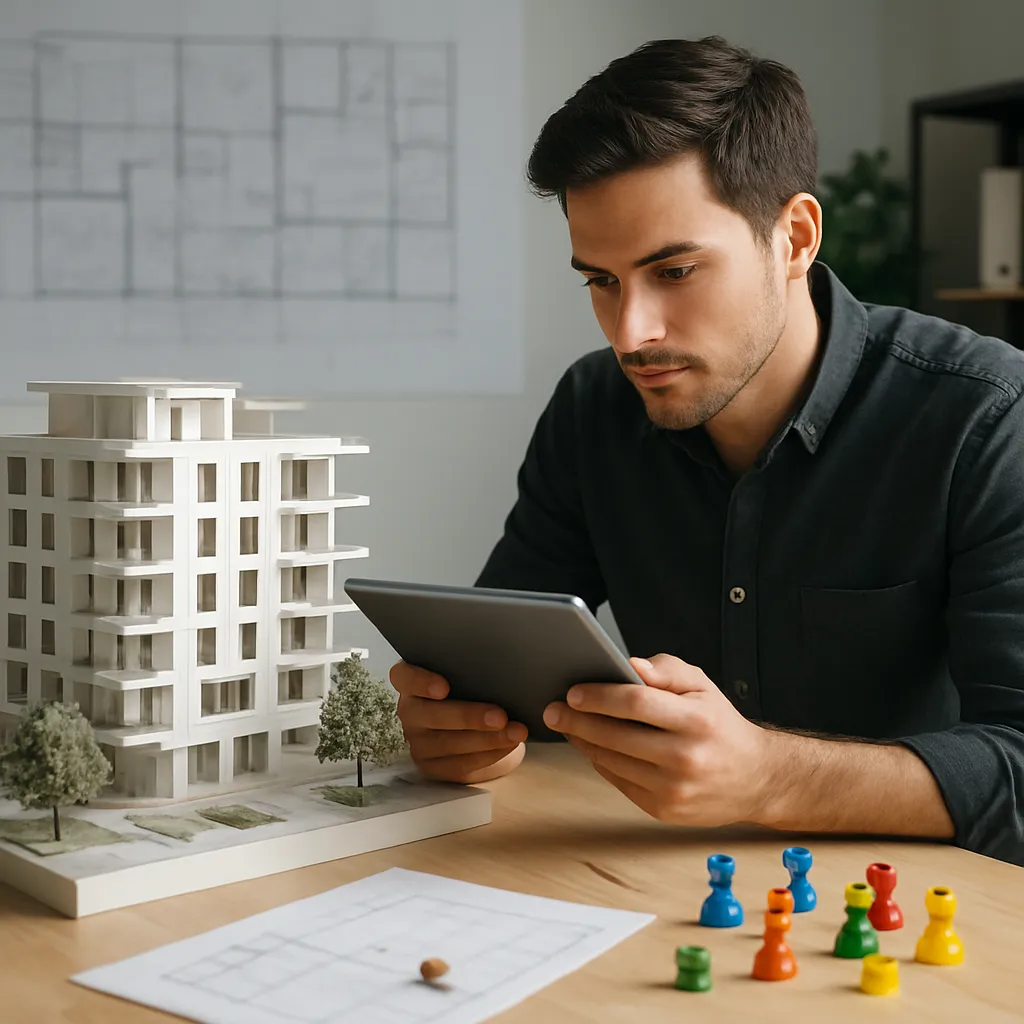
Across all these mega structures, emergent technologies coalesce into unified design frameworks. Digital twin simulations model every stress point in real time, enabling proactive maintenance and dynamic load balancing. Augmented reality overlays assist construction crews and inhabitants by presenting structural data and emergency protocols integrated into wearable visors.
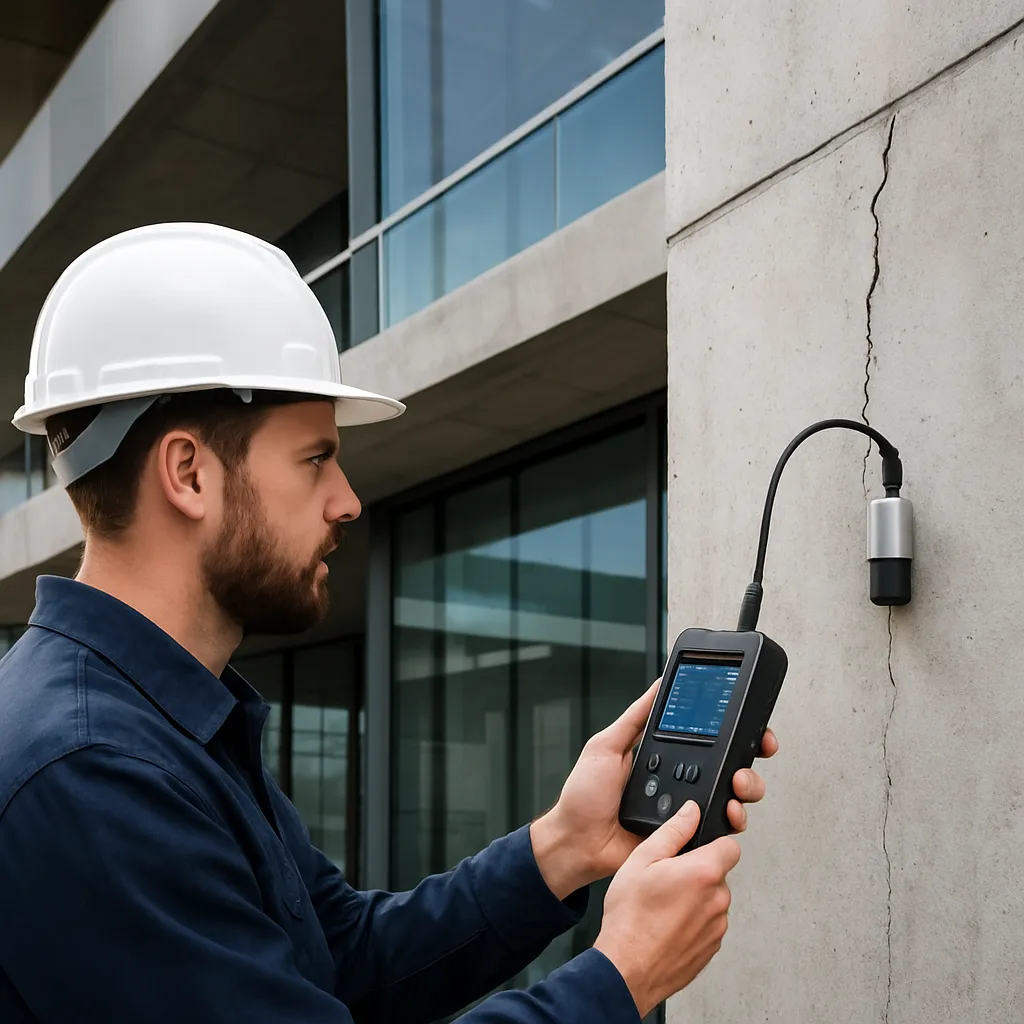
- Self-Healing Materials: Polymers infused with microcapsules of catalyst agents seal cracks and regenerate tensile strength autonomously.
- Energy Harvesting: Piezoelectric floors convert footsteps into electricity; kinetic surfaces on exteriors harvest wind-generated vibrations.
- Neural Interfaces: Direct brain-computer links empower residents to adjust environmental conditions—lighting, temperature, and soundscapes—by thought alone.
The fusion of these capabilities promises a new era of built environments that adapt to changing needs, anticipate natural threats, and integrate seamlessly with ecosystems. Bold visions of vertical cities, underwater sanctuaries, and orbiting colonies showcase the boundless potential of human ingenuity when challenged by extremes of space and sea.