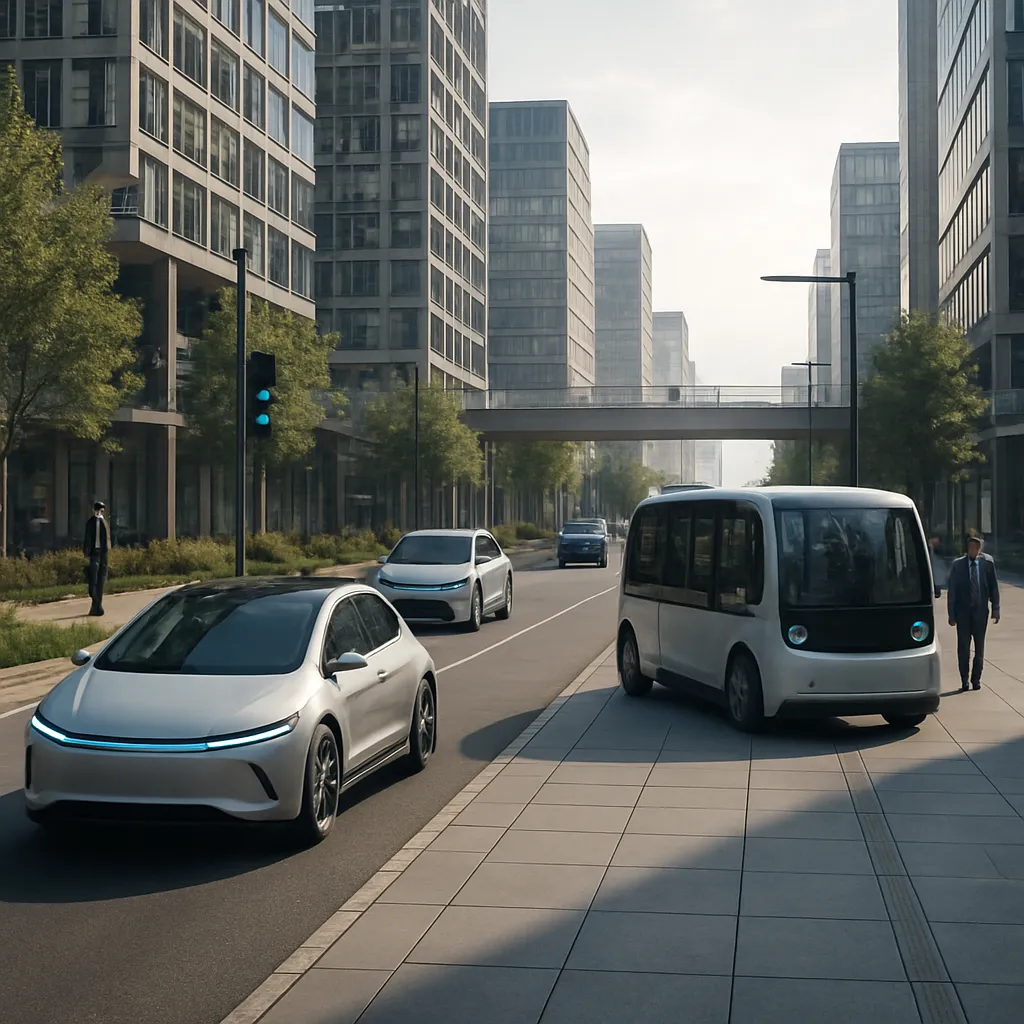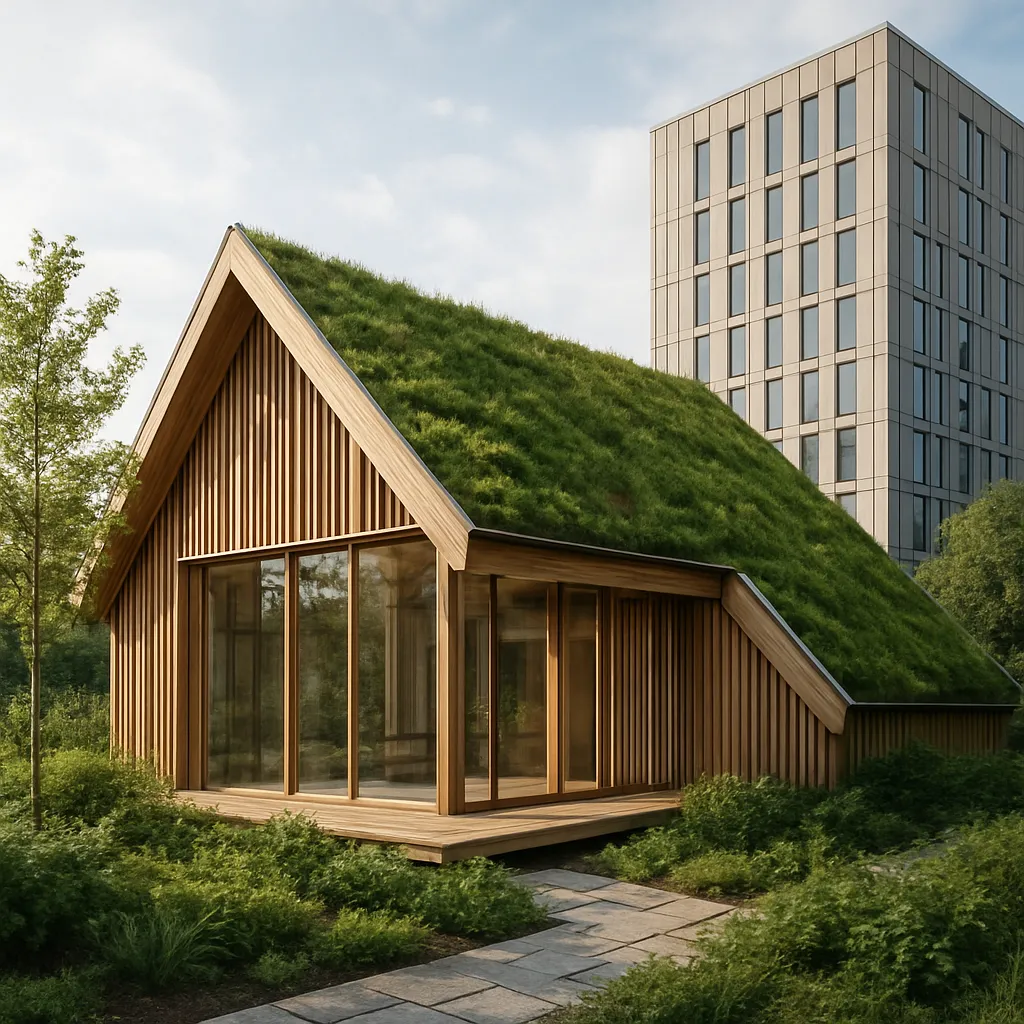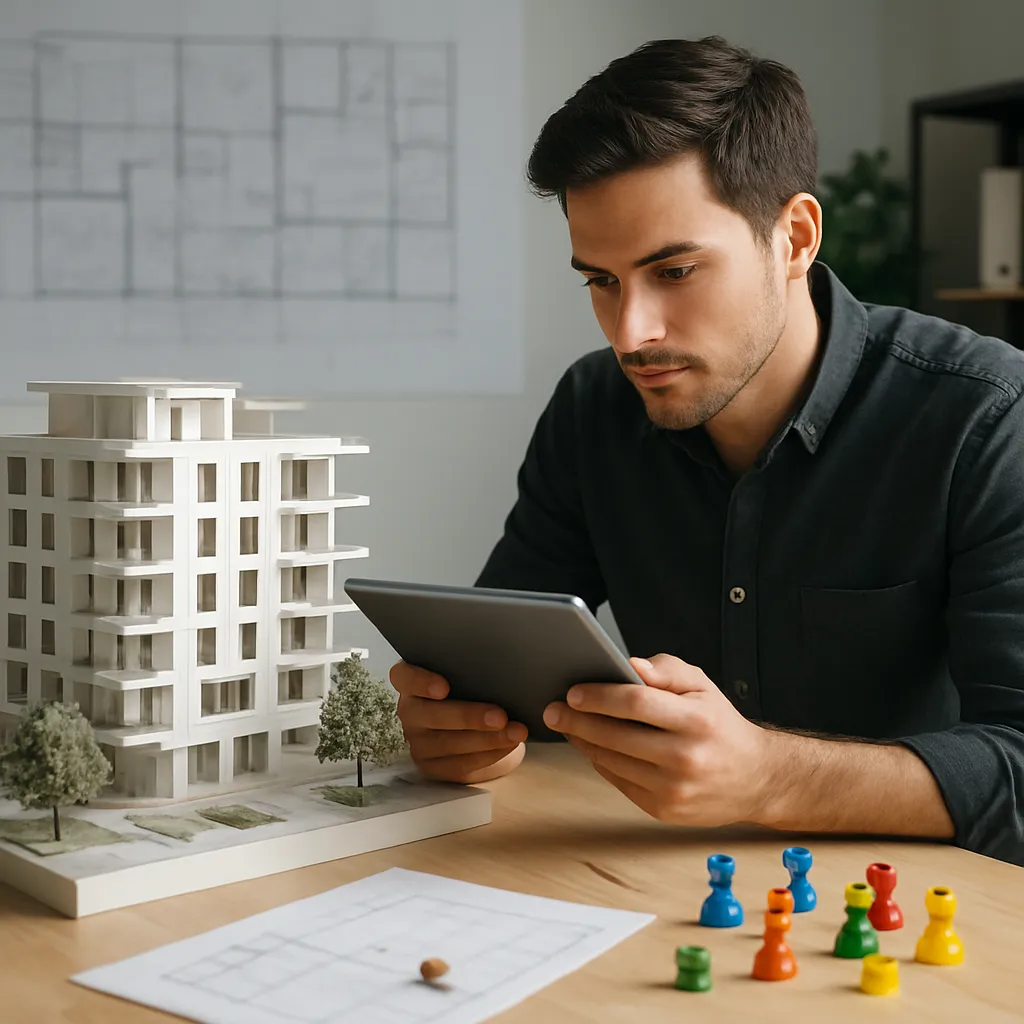


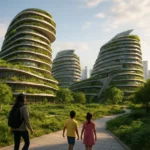


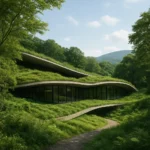



The embrace of minimalism within the realm of futuristic architecture is reshaping the way we envision urban landscapes and the built environment. By distilling design down to its most essential aspects, architects can achieve striking forms that embody both form and purpose. This approach not only highlights the beauty of pure lines and open spaces but also paves the way for groundbreaking solutions that address the challenges of density, energy consumption, and human well-being. The following exploration delves into the driving forces behind this movement, examines the material and technological breakthroughs that make it possible, reviews emblematic case studies, and considers the path ahead for minimalism in the cities of tomorrow.
Conceptual Framework of Minimalist Futurism
At the heart of minimalist futuristic design lies a commitment to simplicity and functionality. Rather than layering ornamentation or creating visual noise, architects strip away all non-essential elements to let the structure’s true purpose shine. The result is a built form that communicates directly, creating an immersive experience for occupants and observers alike.
- Essentialism: Prioritizing only what is necessary, reducing clutter.
- Geometry: Employing pure shapes—cylinders, planes, and grids—for clarity.
- Adaptability: Designing flexible spaces that can evolve with changing needs.
- Technology: Integrating cutting-edge systems for efficiency and responsiveness.
- Comfort: Enhancing human well-being through light, air, and scale.
By focusing on these core pillars, minimalist futurism creates an environment where every detail serves a purpose. The interplay between transparency and solidity, inside and outside, becomes a stage for aesthetics and experience in equal measure.
Material Innovation and Structural Techniques
The rise of new materials and fabrication methods has empowered architects to push the boundaries of structural expression. Minimalist futurism thrives on the synergy between advanced science and timeless design wisdom.
Parametric Geometry as a Tool
Parametric modeling software allows designers to manipulate complex mathematical relationships, generating fluid forms that respond to environmental data, programmatic constraints, and structural forces. This dynamic approach results in:
- Optimized load-bearing frameworks
- Seamless integration of facade patterns with solar orientation
- Cost-effective use of materials, reducing waste
Through these algorithms, a simple architectural gesture can transform into a highly efficient shell, reflecting the union of innovation and economy.
Smart Materials for Adaptability
Beyond concrete and steel, the minimalist futurist turn has embraced sustainability through materials that adapt to environmental conditions. Examples include:
- Thermochromic glass that tints in response to temperature
- Shape-memory alloys in shading systems
- Self-healing concretes that repair microcracks autonomously
By embedding intelligence at the molecular level, buildings become living systems that maintain comfort while reducing operational energy.
Iconic Examples and Case Studies
Several pioneering projects exemplify the power of minimalism within futuristic contexts:
- The Edge (Amsterdam): A fully connected office tower featuring a diagrid facade, smart lighting, and a gridless floor plan that adapts to tenants’ needs.
- Genesis Towers (Dubai): Twin skyscrapers with fluid silhouettes, clad in perforated aluminum panels that regulate light and ventilation.
- Foldhaus (Seoul): A residential prototype built from prefabricated, foldable modules, enabling rapid assembly and reconfiguration.
- SeaOrbiter (Barcelona): A floating research vessel with a minimalist hull that combines structural efficiency and seamless integration of sensory labs.
Each of these exemplars demonstrates how technology and design intent converge to create spaces that are at once bold and unadorned, proving that less can indeed be more.
Challenges and Evolving Trends
Minimalist futurism must navigate a variety of obstacles, from regulatory hurdles to cultural expectations. The quest for unrestricted open plans sometimes clashes with fire safety codes or local zoning laws. Moreover, communities may resist designs that appear too stark or alien to their heritage.
Balancing Context and Vision
Successful projects find ways to honor the surrounding built fabric while introducing forward-looking elements. This involves:
- Careful material selection to complement existing textures
- Incorporating public art or green spaces to promote social engagement
- Engaging stakeholders early to align minimalist concepts with local identity
Digital Twins and AI-Driven Optimization
Looking ahead, the integration of adaptability and real-time data will dictate how buildings evolve post-construction. Digital twins simulate occupant behavior, energy flows, and maintenance requirements, enabling fine-tuning of minimalist environments to ensure peak performance and user satisfaction.
As architects harness AI algorithms and immersive visualization tools, the boundary between design intent and lived reality narrows. Futuristic minimalism thus emerges not merely as an aesthetic choice but as a holistic strategy for creating resilient, human-centered habitats.