

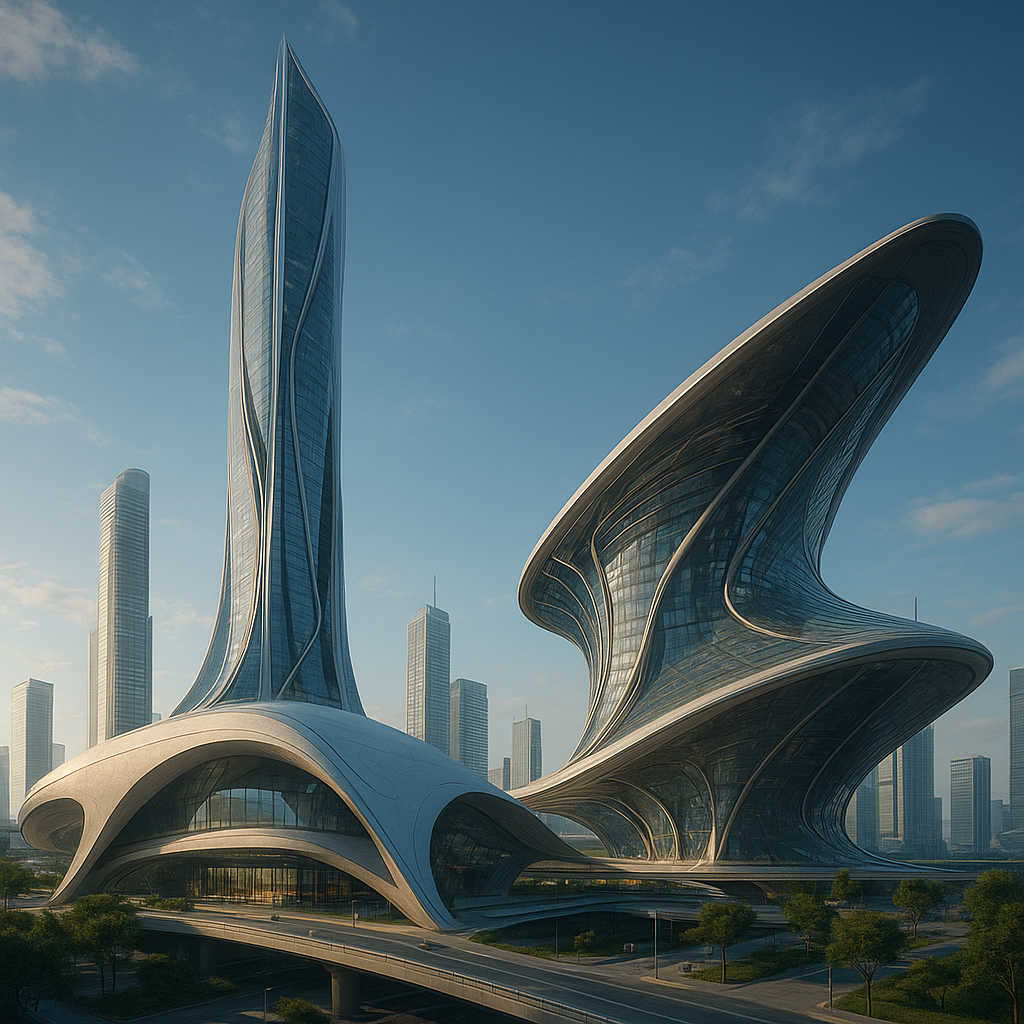
The Rise of Futuristic Architecture explores how cutting-edge technology reshapes our built environment. From dynamic façades to self-regulating interiors, architects now harness digital tools and advanced **materials** to craft structures that respond to human needs in real time. This article delves into the evolution, technological integration, and social ramifications of a design paradigm driven by innovation, efficiency, and environmental stewardship.
Evolution of Architectural Innovation
Architectural visionaries of the 20th century laid the groundwork for today’s futuristic forms. Pioneers like Buckminster Fuller experimented with geodesic domes, while high-tech architects championed exposed steel and glass. More recently, the advent of parametric design has revolutionized how shapes are conceived, allowing computers to optimize every curve and angle. Firms such as Zaha Hadid Architects and Bjarke Ingels Group leverage complex algorithms to produce fluid geometries that once seemed impossible.
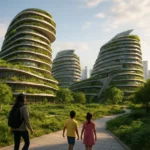
Simultaneously, biomimicry inspires structures that emulate living organisms—shell-like canopies mimic seashell curvature to direct airflow, while leaf-inspired roofs maximize rainwater harvesting. In these examples, form follows function and nature, rather than strict ornamentation rules. As digital fabrication methods matured, the boundary between art and engineering blurred, giving rise to the iconic skyscrapers with twisting profiles and dynamic silhouettes.
Parametricism and Digital Craft
The term Parametricism defines a style heavily reliant on computational processes. Designers feed constraints—such as daylight requirements, structural loads, and material cost—into software that iterates countless configurations. The result? Buildings that adapt their geometry to local climate conditions, minimize resource use, and create unique spatial experiences. This data-driven approach contrasts sharply with earlier methods, where manual drafting limited complexity.
Technological Integration in Contemporary Design
Thanks to advancements in AI and robotics, construction sites increasingly resemble high-tech workshops. Autonomous drones survey terrain in hours rather than days, while 3D printers fabricate concrete modules on site. These innovations accelerate timelines and reduce waste. Smart façades lined with photovoltaic panels harness solar energy, powering internal climate control systems without external electricity.
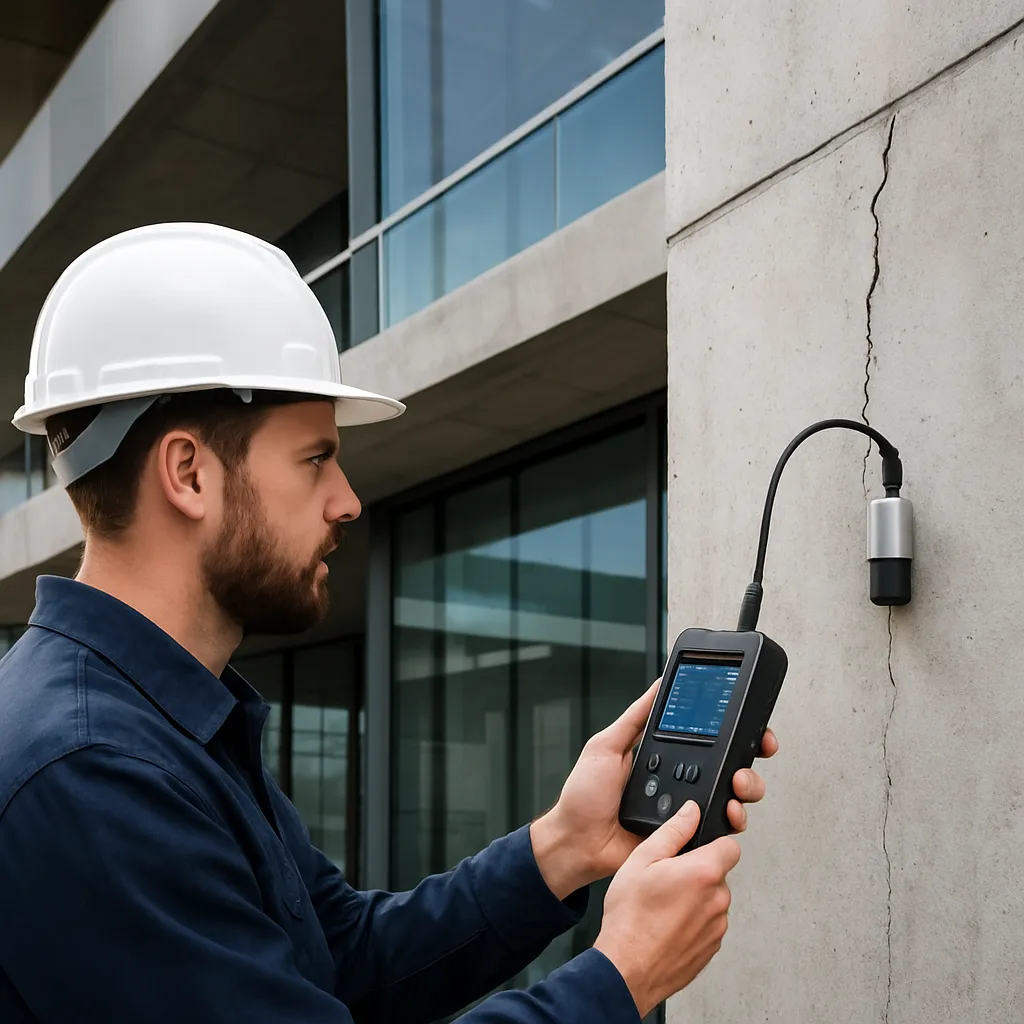
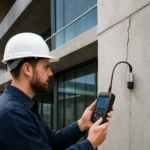
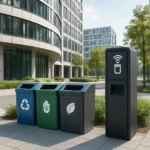
Embedded sensors monitor temperature, humidity, and occupancy, enabling buildings to self-adjust lighting and air circulation for optimal comfort. These Internet of Things networks communicate with digital twin models—virtual replicas of the physical structure—allowing maintenance teams to predict equipment failures and optimize performance. In some projects, adaptive shading systems react to sunlight, repositioning louvers in real time to prevent glare and excessive heat gain.
Advanced Materials and Construction Methods
Nanotechnology enhances coating materials to repel dirt, resist corrosion, and self-heal minor cracks. Ultra-light composites and carbon fiber elements decrease structural weight while increasing strength, opening possibilities for cantilevers and floating platforms. Modular construction, driven by factory precision and off-site assembly, cuts labor costs and accelerates project delivery. Prefabricated living units connect like building blocks, enabling rapid urban expansion when demand surges.
Environmental and Social Impact
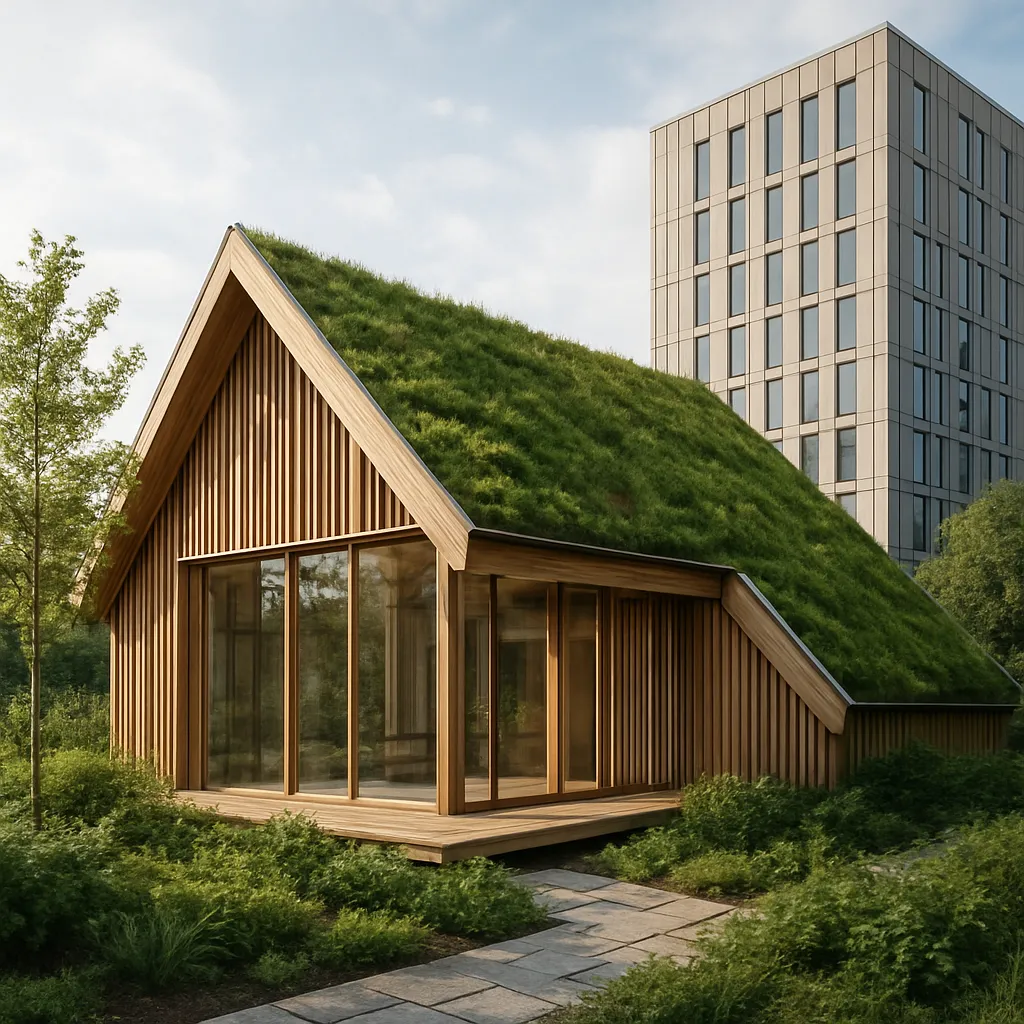
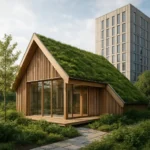
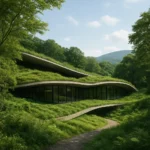
Futuristic architecture often prioritizes sustainability. Net-zero buildings combine passive solar design, advanced insulation, and renewable energy systems to eliminate carbon emissions. Green roofs and living walls promote biodiversity in dense cities, filtering pollutants and reducing the urban heat island effect. Vertical farms integrated into high-rise façades enable local food production, shrinking supply chains and delivering fresh produce directly to residents.
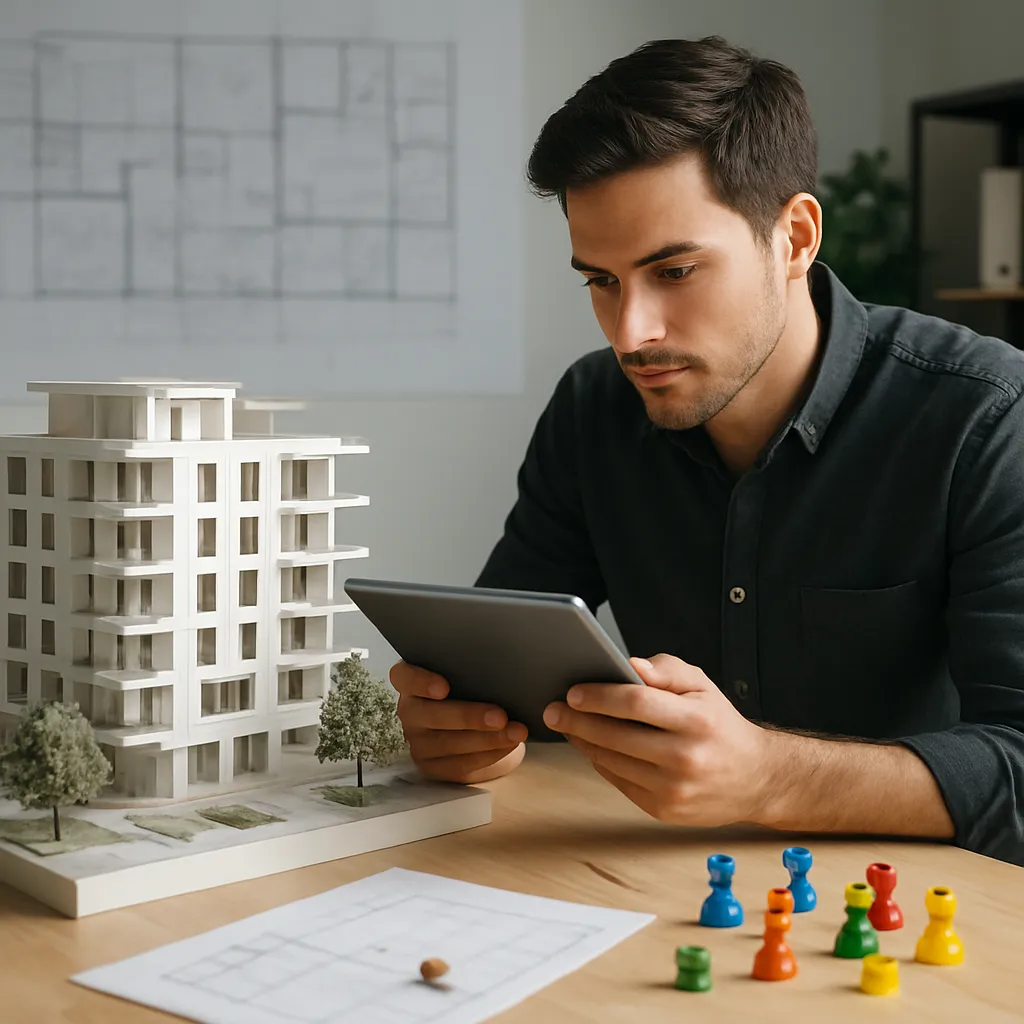
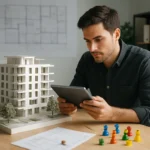
Community engagement plays a critical role: interactive public spaces equipped with augmented reality portals bring citizens closer to building operations, fostering a sense of ownership. Crowdsourced data on usage patterns guides future expansions, making architecture a collaborative endeavor. Design charrettes and digital platforms invite stakeholders to visualize proposals in three dimensions before ground is broken.
Resilience and Adaptive Strategies
Climate change demands structures that can endure extremes. Flood-resistant foundations, retractable barriers, and amphibious platforms ensure continuity of use even during severe weather events. Automation in water management systems detects rising levels and activates pumps or floodgates without human intervention. Retrofit projects apply adaptive reuse principles, converting obsolete industrial sites into cultural hubs, reducing demolition waste and preserving historical character.
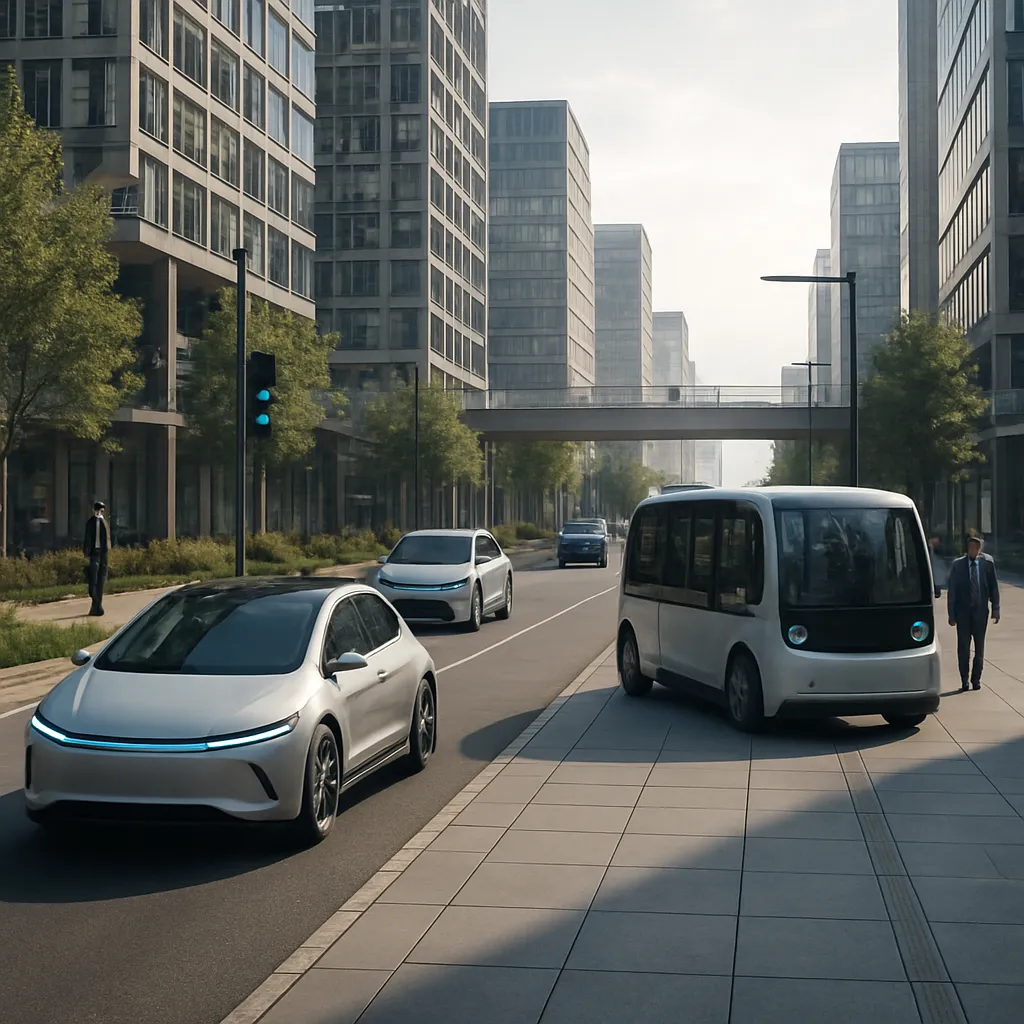
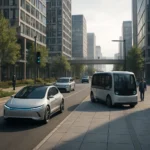
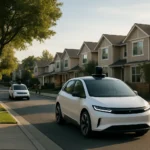
Smart cities integrate these building innovations within a network of intelligent infrastructure: autonomous transit systems coordinate with dynamic traffic signals, while energy grids optimize consumption across districts. Digital twins of entire neighborhoods enable long-term planning and real-time incident response, bolstering public safety and resource efficiency.