

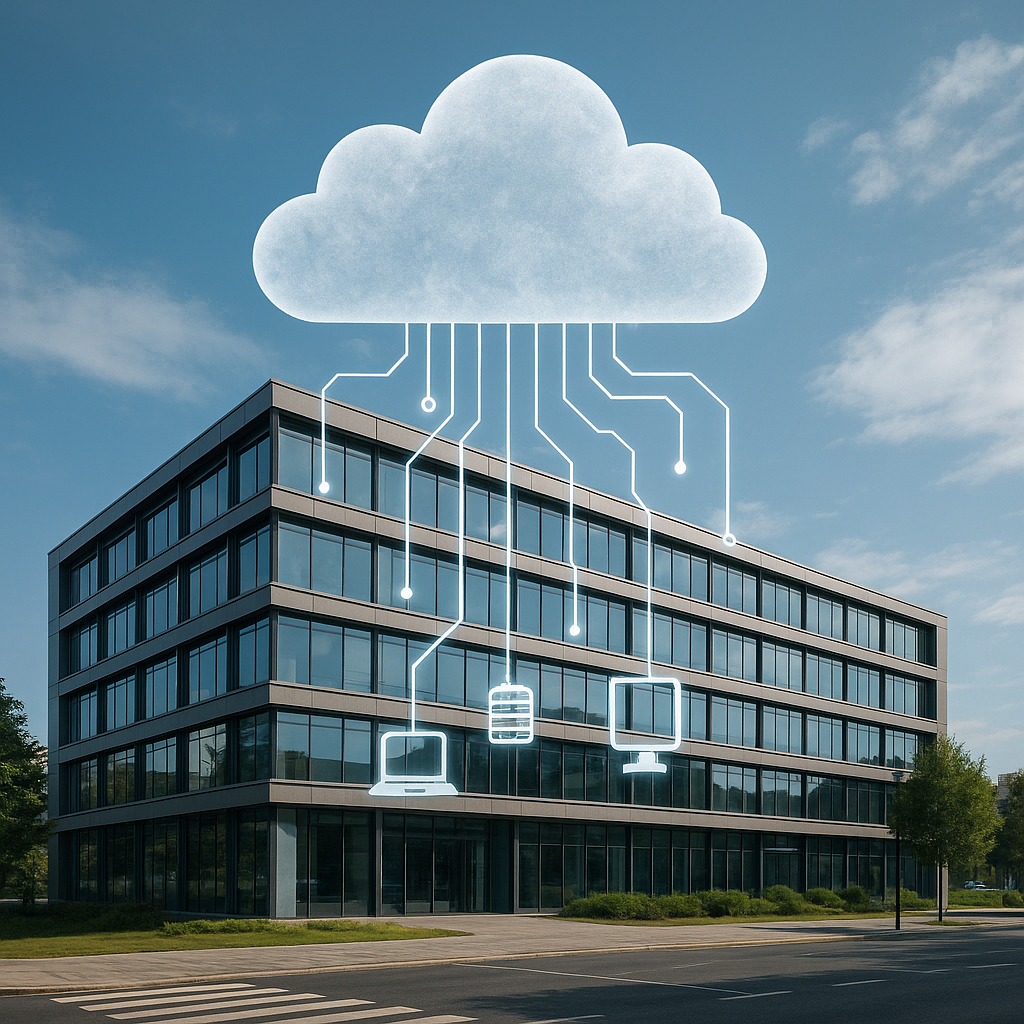
The convergence of cloud computing and architectural design is reshaping how buildings are conceived, constructed, and managed. By harnessing vast computational power, architects and engineers can simulate entire ecosystems, optimize energy flows, and collaborate across continents in ways previously unimaginable. This article explores how this technological fusion paves the way for truly futuristic structures that adapt dynamically to human needs and environmental demands.
Environmental Intelligence and Sustainability
The pursuit of eco-friendly design has been elevated by cloud-enabled platforms that analyze climate data, energy consumption patterns, and material performance. Through predictive algorithms hosted in the cloud, designers achieve unprecedented scalability in testing countless configurations of façades, insulation, and renewable energy systems. Cloud-based simulations run in parallel, drastically reducing turnaround times for evaluating carbon footprints and thermal comfort.
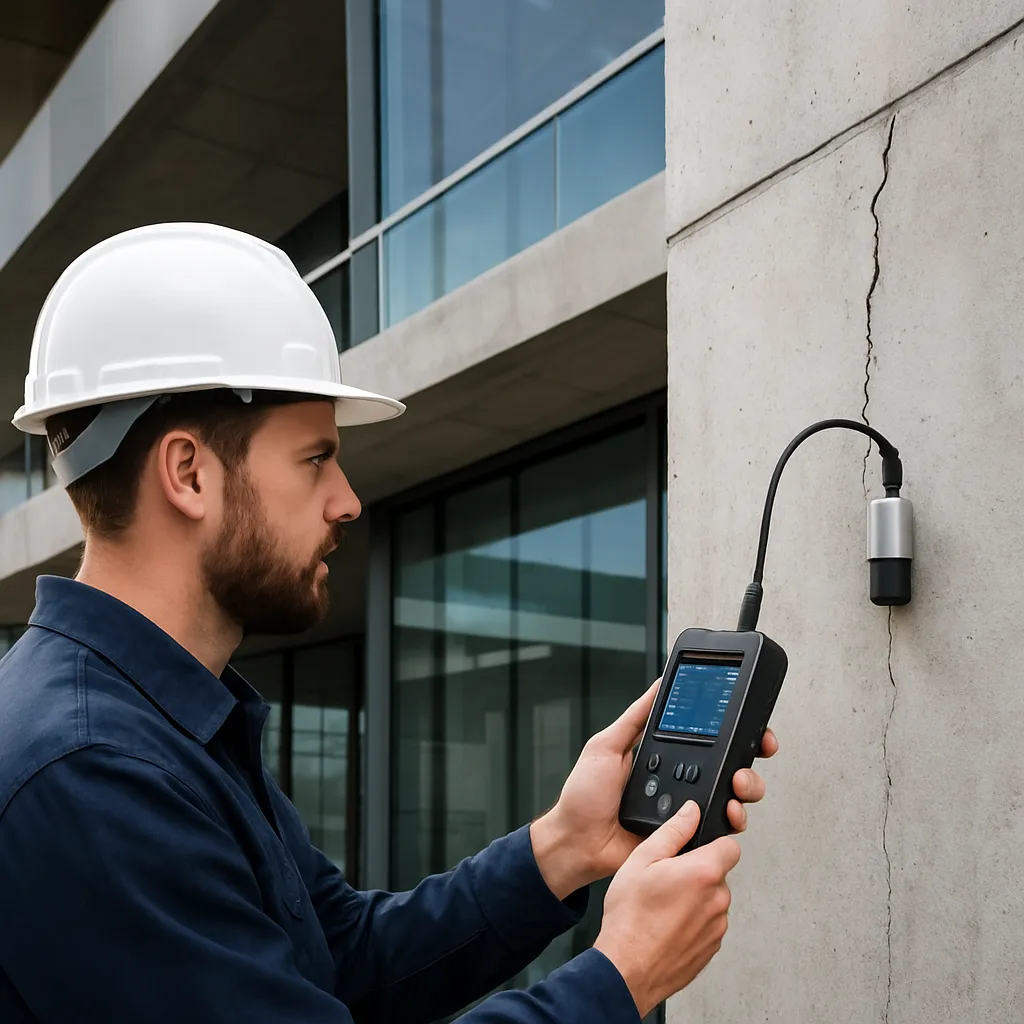
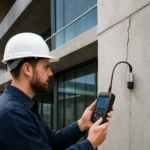
Moreover, these systems foster resilience by continuously monitoring environmental sensors embedded in façades and structural elements. In a coastal development, for example, real-time alerts flag rising humidity or salinity, prompting automated adjustments in ventilation or protective coatings. This level of responsiveness ensures buildings not only meet sustainability targets at handover but maintain optimal performance over decades.
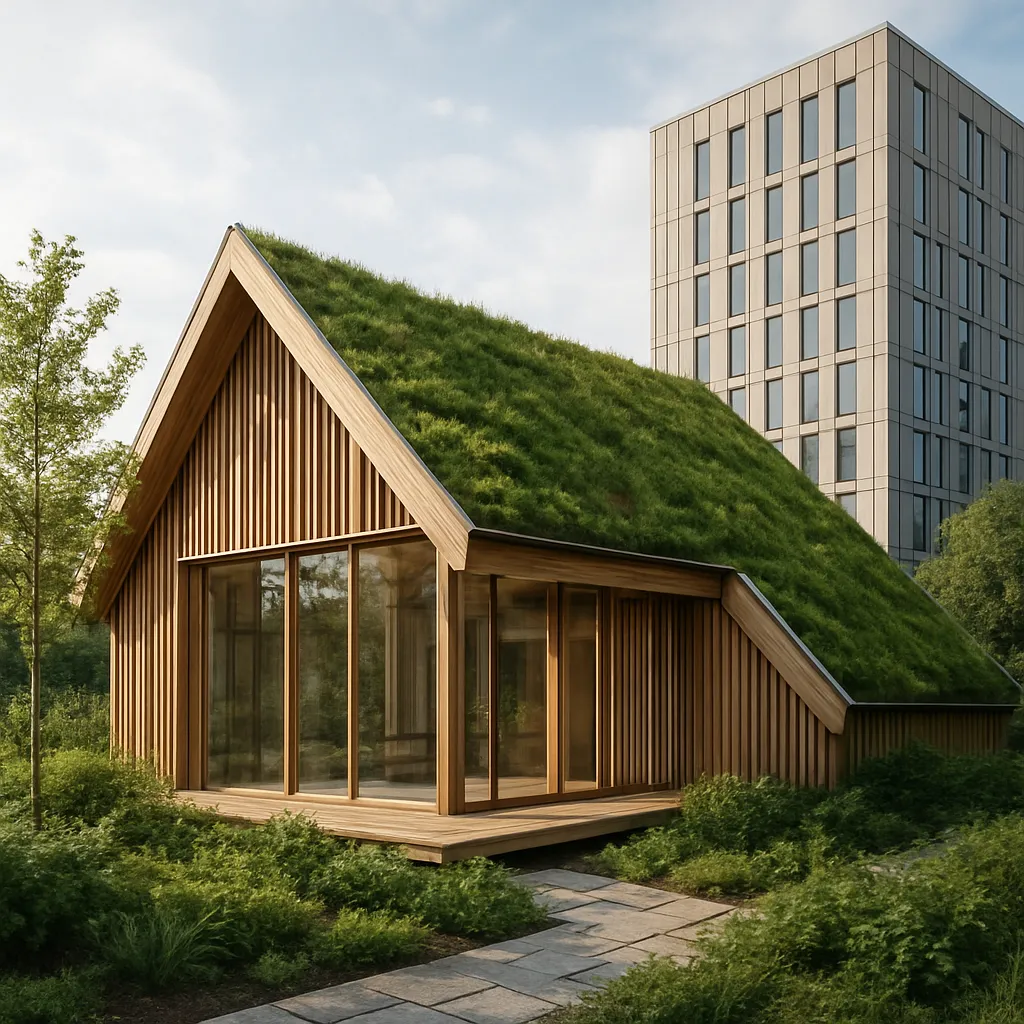
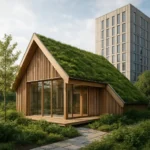
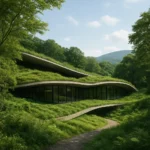
Integration of photovoltaic surfaces, green roofs, and bio-reactive walls becomes seamless when guided by cloud analytics. Architects can overlay satellite imagery, meteorological forecasts, and user behavior data to calibrate renewable energy yields. The result is a living architecture where each component—be it solar panel arrays or water-harvesting membranes—operates in perfect harmony with the ecosystem.
Cloud computing also democratizes access to advanced modeling tools. Smaller firms can tap into high-performance clusters to run complex fluid dynamics or daylighting studies without investing in on-premises hardware. This fosters a broader culture of sustainability in the architectural community, accelerating adoption of green practices across the board.
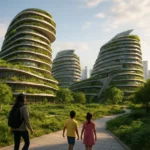
By leveraging distributed computing resources, architects can simulate whole-city microclimates and optimize urban canopies for heat island mitigation. Such granular insights, delivered via cloud dashboards, empower stakeholders to implement shading strategies and vegetation corridors that improve public health and reduce energy loads.
Synergy of Edge and Cloud in Smart Cities
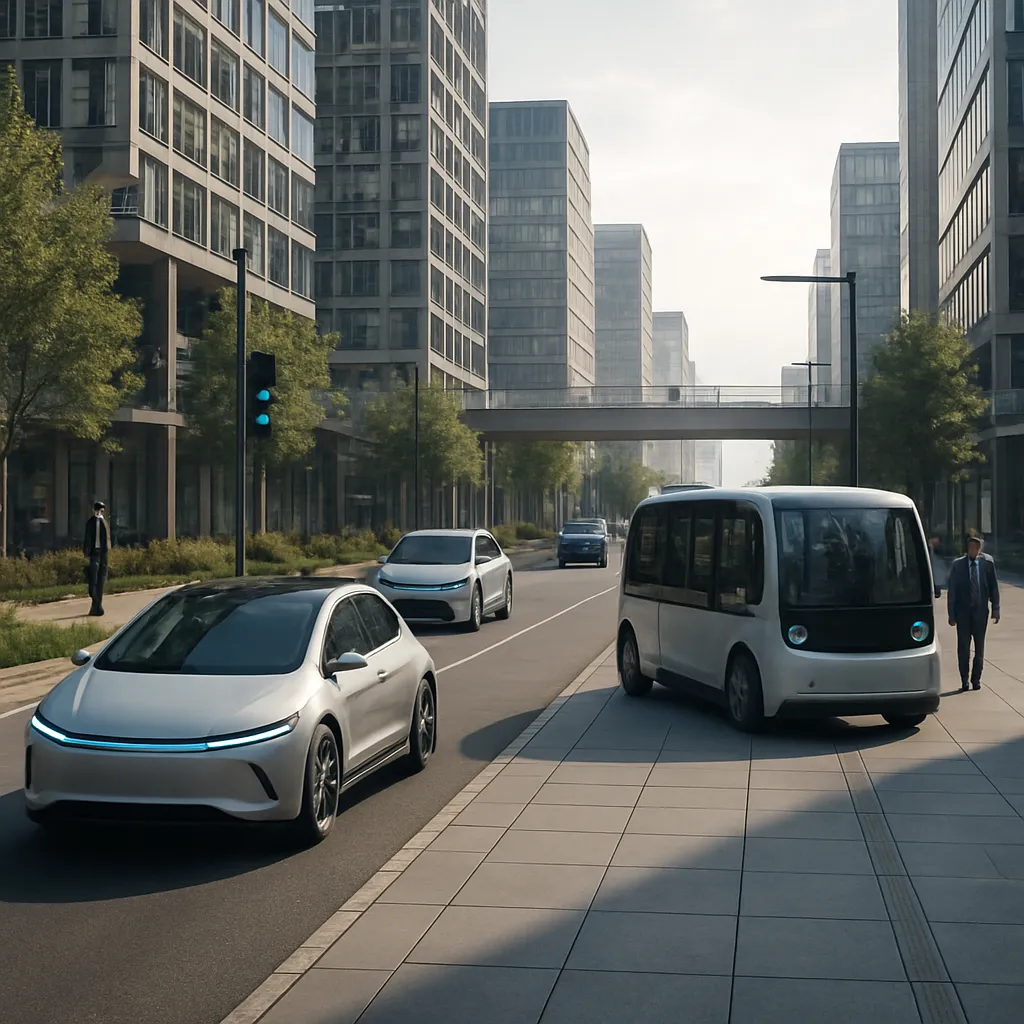
Edge computing nodes located within buildings and infrastructure now connect to central cloud hubs, creating a hierarchical network for data processing. This integration unlocks low-latency decision-making where critical adjustments—like elevator dispatch or emergency lighting—occur at the edge, while longitudinal analytics and machine learning models train in the cloud.
Real-time Monitoring and Adaptation
Through IoT sensors synced with cloud servers, building management systems achieve a level of agility once reserved for aerospace applications. Temperature, occupancy, air quality, and structural health metrics feed into a unified platform that delivers insights on energy optimization and maintenance needs. Automated routines can throttle HVAC output when spaces are unoccupied or reroute power during peak demand, ensuring efficiency and occupant comfort.
- Automated fault detection with instant alerts
- Predictive maintenance scheduling powered by historical data
- Dynamic resource allocation based on usage patterns
- Enhanced occupant experience through personalized environments
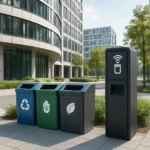
With the cloud’s elastic resources, these processes scale across entire urban districts. Cities can orchestrate public lighting, traffic signals, and waste management systems from a centralized control room, leveraging both real-time and archival data to refine service delivery and reduce operational costs.
Modular Construction and Digital Twins
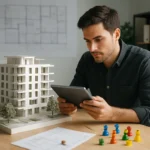
Prefabrication has soared in precision and efficiency thanks to cloud-based design libraries and fabrication workflows. Architects distribute parametric models to off-site factories where robotic arms assemble modules with exacting tolerances. This industrialized approach shortens project timelines and minimizes on-site waste.
The concept of Digital Twins extends beyond static replicas; these dynamic virtual counterparts mirror live conditions of physical assets. Cloud-hosted twins integrate sensor feeds, maintenance logs, and environmental data, offering a comprehensive view of performance over time. Facility managers tap into these models to test hypothetical interventions—such as façade retrofits or HVAC upgrades—before implementing them onsite.
Automation and Prefabrication
Cloud orchestration platforms coordinate workflows between designers, engineers, and manufacturers. Automated quality checks occur at each fabrication stage, with data uploaded to shared repositories for transparency. This level of automation ensures that each module aligns seamlessly during on-site assembly, reducing human error and accelerating delivery.
Furthermore, cloud-driven machine learning refines production processes by analyzing build metrics and identifying patterns that lead to defects or delays. Continuous improvement loops emerge as manufacturers adopt these insights, boosting productivity and driving down costs for clients.
As modular units stack and interlock, they form adaptable habitats capable of reconfiguration to meet evolving functional needs. A mixed-use high-rise can repurpose residential pods into office spaces or pop-up retail venues with minimal structural intervention, showcasing a new paradigm of architectural flexibility.
Collaborative Design and Data-driven Planning
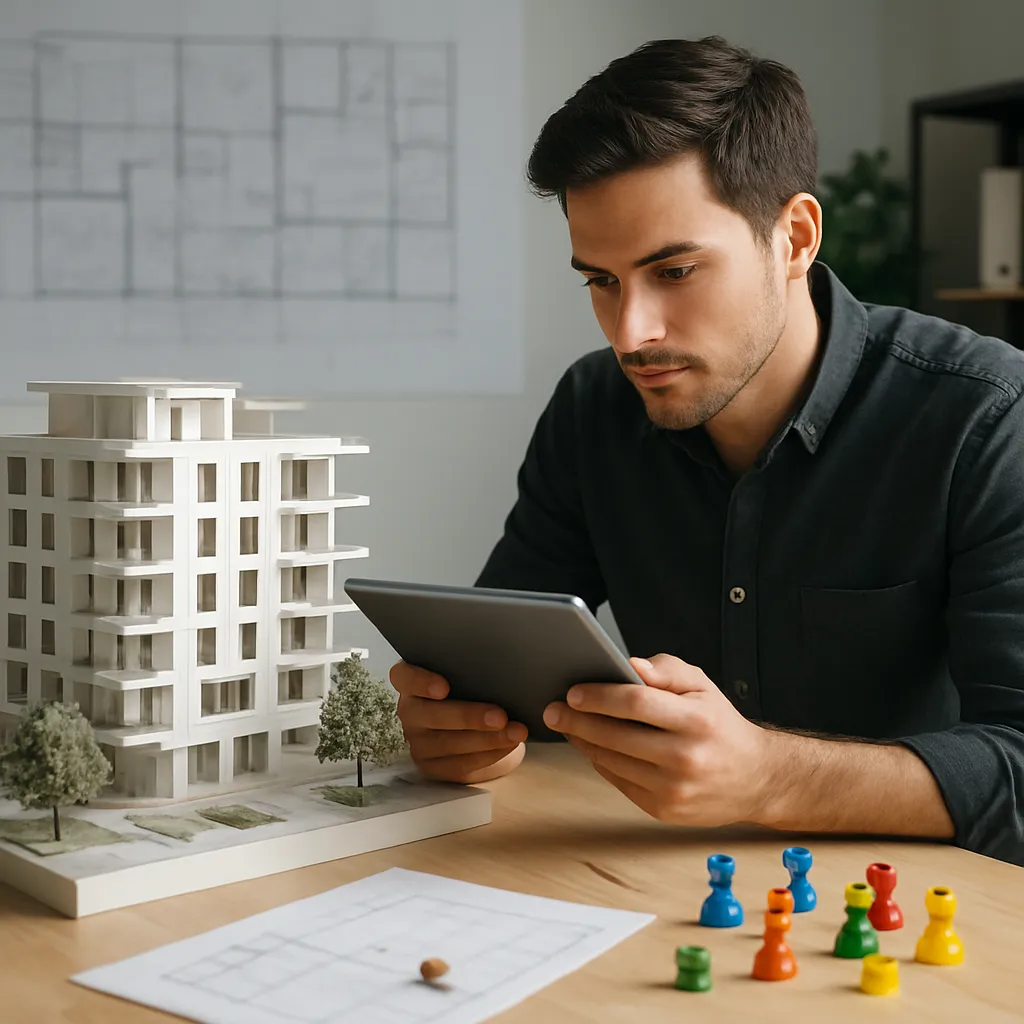
Global teams converge in cloud-based BIM environments, editing 3D models simultaneously and sharing feedback through integrated communication channels. This collaboration streamlines decision-making and reduces errors caused by fragmented information. Stakeholders visualize project stages in immersive VR sessions, exploring design alternatives and experiencing proposed environments before ground is broken.
Urban planners leverage cloud analytics to forecast population growth, traffic flows, and resource demands. By layering demographic projections over infrastructure maps, they generate data-driven scenarios that guide zoning policies, public transit expansions, and utility upgrades. This predictive approach minimizes risks and ensures investments yield maximum social and economic returns.
Advanced generative design algorithms, powered by cloud GPUs, propose thousands of structural configurations that balance aesthetics, performance, and cost. Architects choose among these optimized options based on project priorities, whether maximizing daylight or achieving a specific form language. This infusion of computational intelligence heralds a new era of innovation in architectural expression.
The cloud also supports decentralized funding models, enabling community-driven projects where contributors monitor progress through online dashboards. Transparency in budgets, timelines, and environmental impacts fosters trust and encourages civic engagement in shaping the built environment.
As cloud computing continues to evolve, it will underpin the architecture of tomorrow—where buildings learn, adapt, and evolve alongside the people they serve. By uniting physical craft with digital prowess, designers forge a path toward truly intelligent and human-centric spaces.