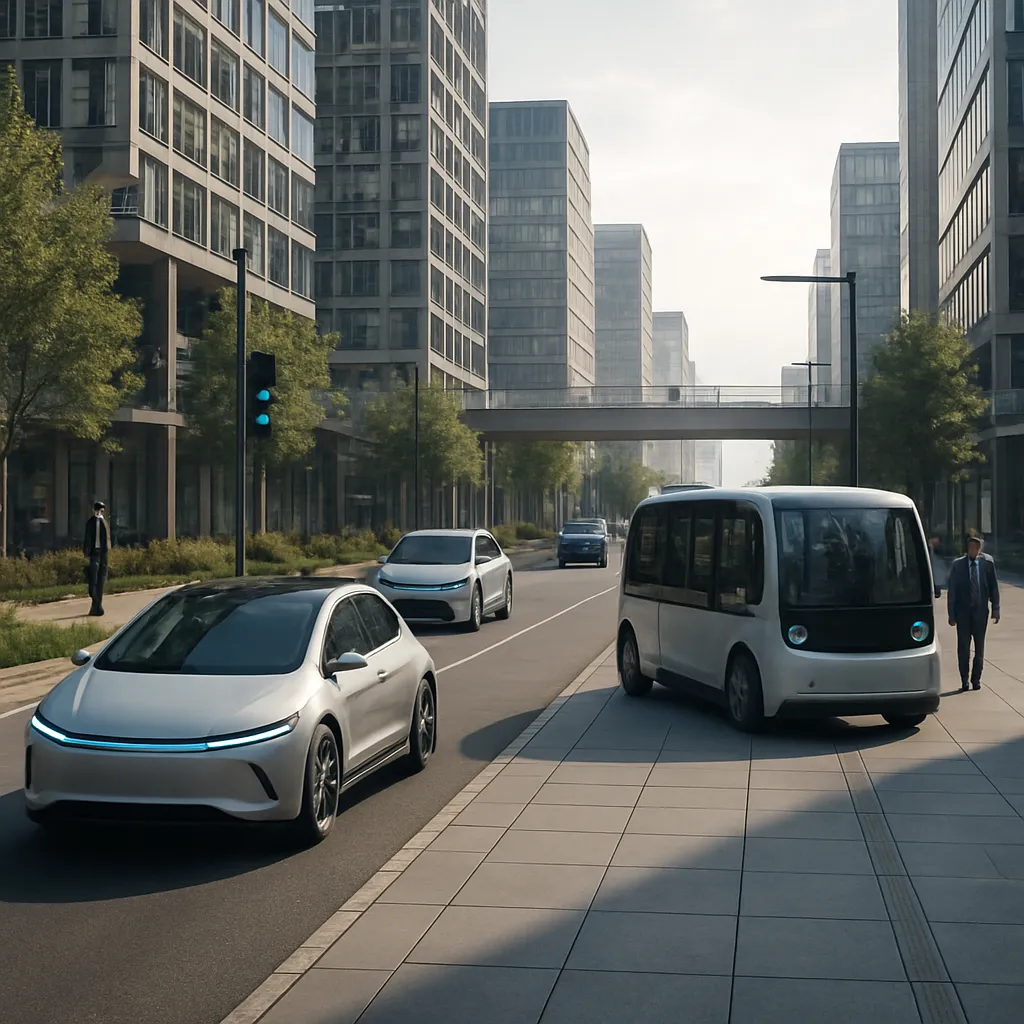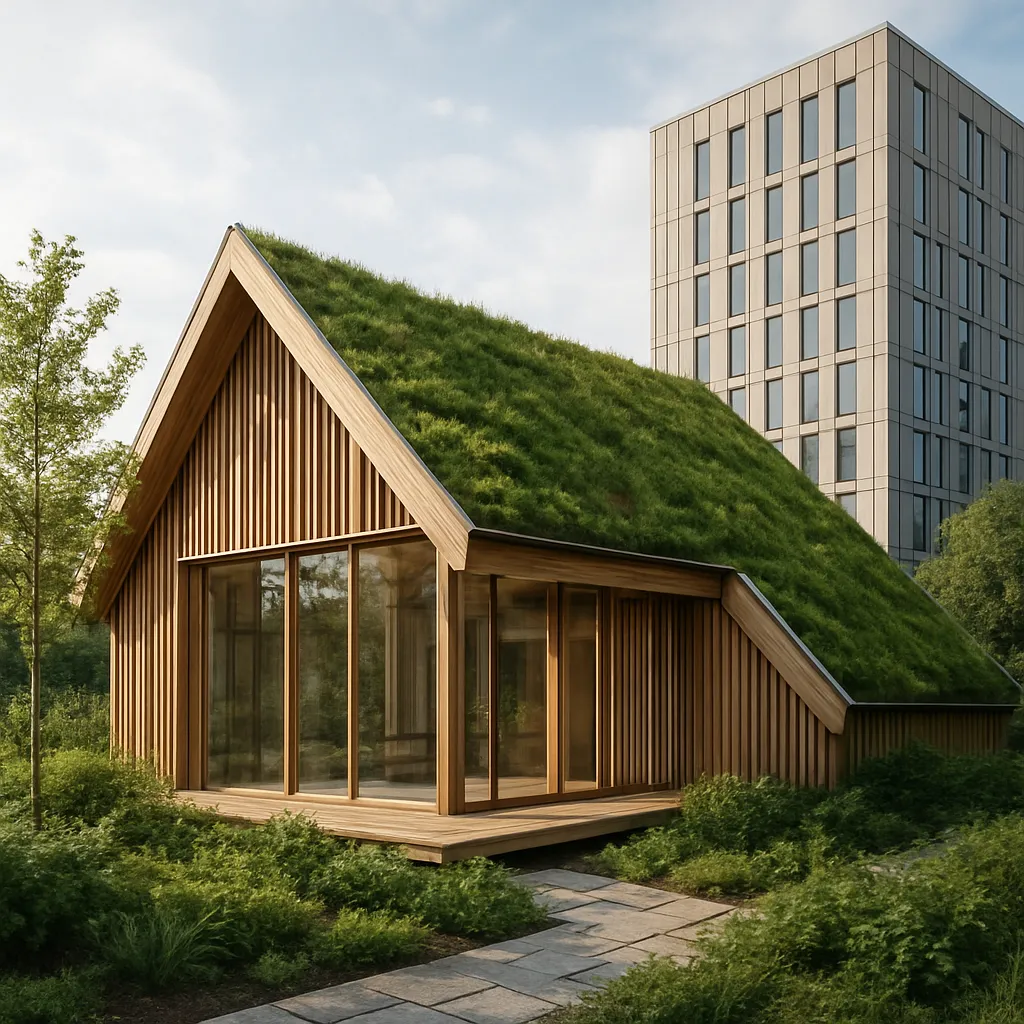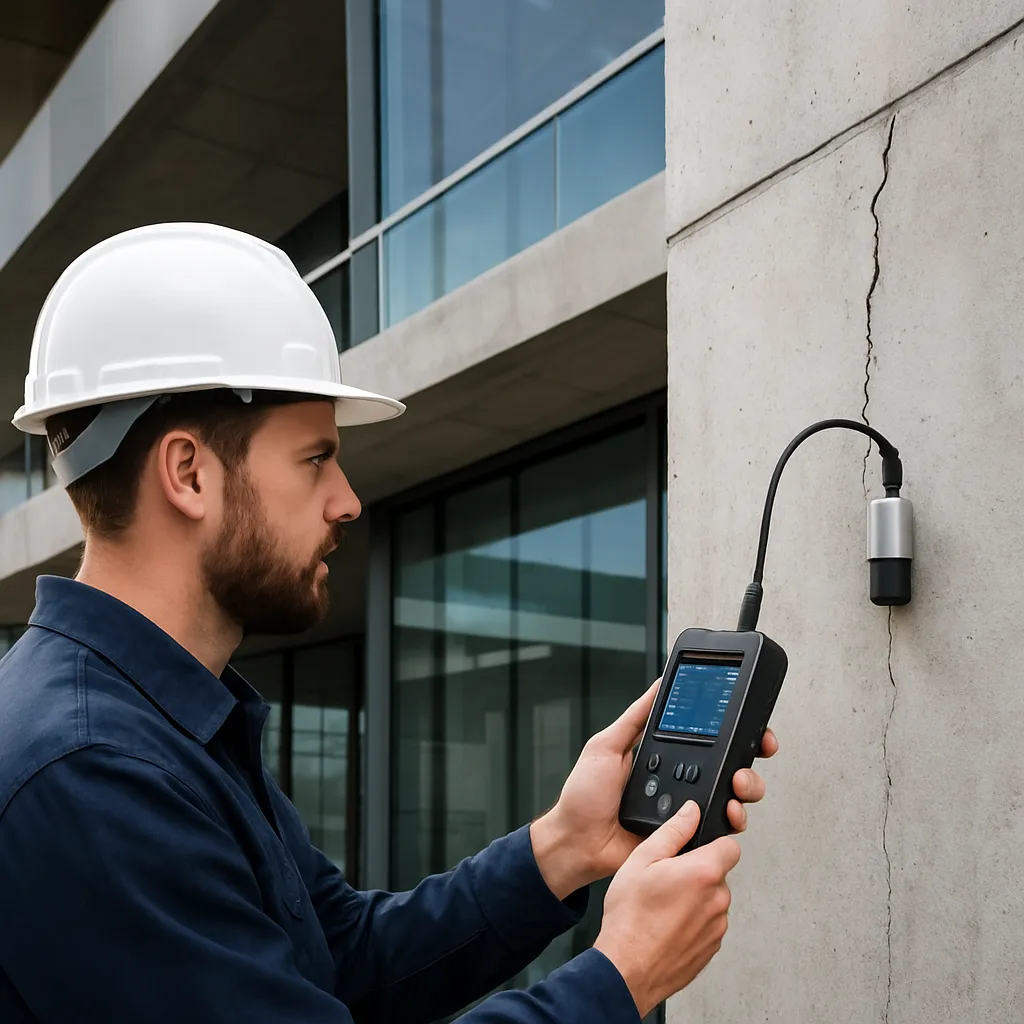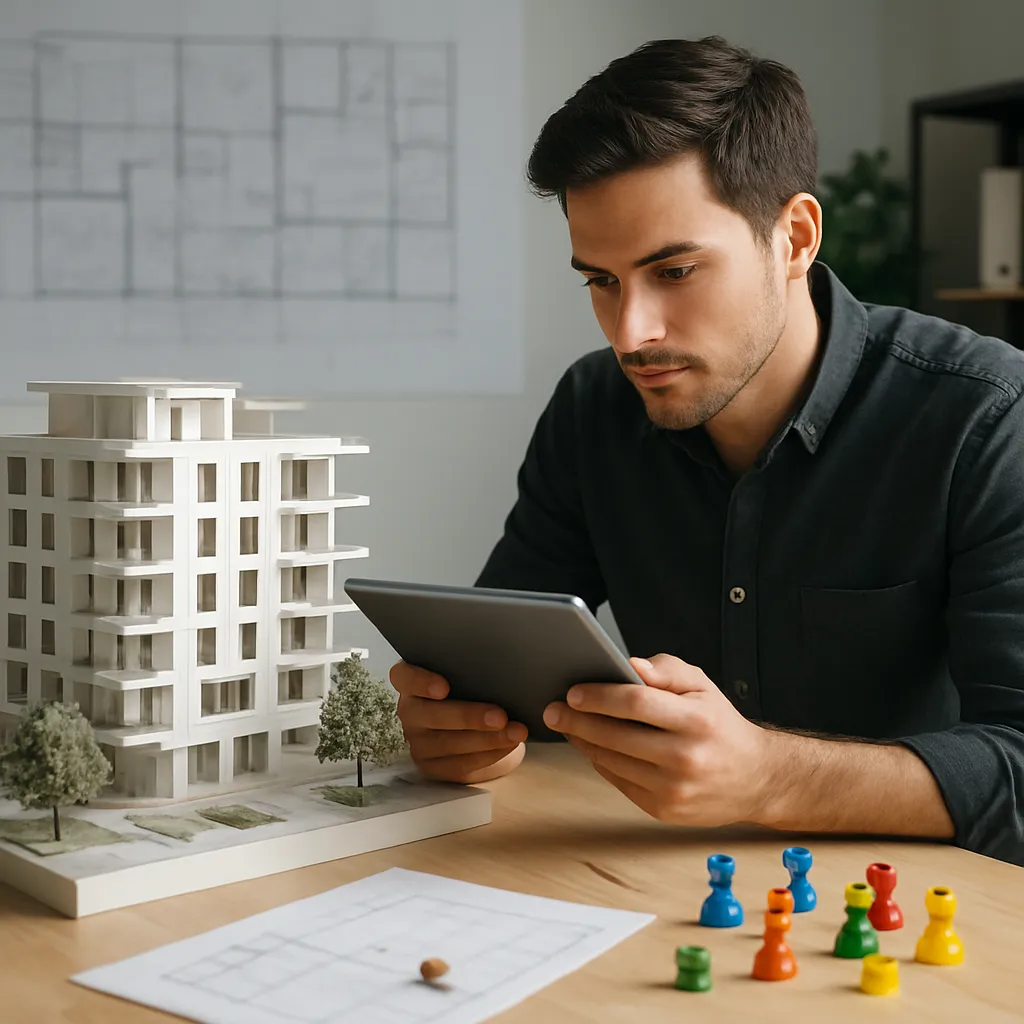
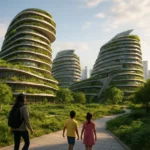

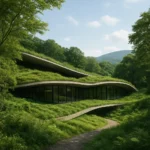


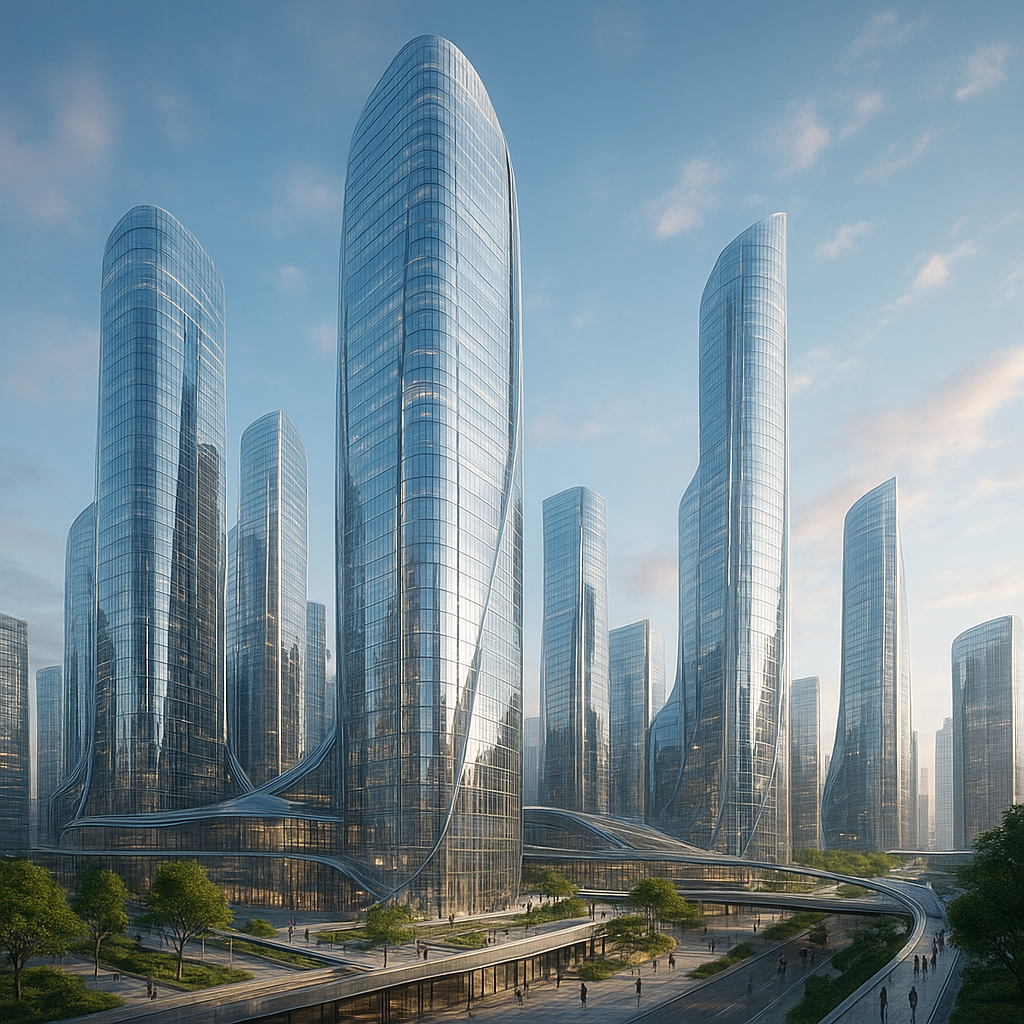
The vision of a city enveloped in glass has transcended the realm of science fiction to become a tangible reality. Transparent urban landscapes are redefining how inhabitants interact with their surroundings, blending architecture, technology, and ecology into a harmonious whole. This exploration delves into the transformative journey of glass-based design, highlighting breakthroughs that promise to reshape skylines and daily experiences.
Evolution of Transparent Urban Landscapes
Since the pioneering curtain walls of the early 20th century, the role of glass in architecture has shifted from mere enclosure to active participant in city life. Architects began to appreciate the inherent transparency of glass not just as an aesthetic feature, but as a means to blur boundaries between interior and exterior. Landmark structures such as Ludwig Mies van der Rohe’s Seagram Building introduced minimalism, while subsequent developments explored full-height glazing to maximize daylight and panoramic views. Over decades, the relentless pursuit of innovative solutions led to self-cleaning coatings, low-emissivity layers, and laminated safety panes.
Today’s transparent cities leverage advances in design philosophy, borrowing from nature’s wisdom. Concepts like biomimicry inspire façades that mimic the adaptive skins of living organisms, regulating heat and airflow. Urban planners integrate these dynamic envelopes to reduce energy consumption and enhance occupant well-being. As glass technology evolved, the notion of a static façade gave way to responsive skins that adjust to environmental cues, making transparency a living, breathing element of cityscapes.
Cutting-Edge Materials and Technologies
At the heart of futuristic glass architecture lies a convergence of materials science and digital engineering. Emerging metamaterials, engineered on the nanoscale, grant façades remarkable properties such as selective light filtering, waveguide channels for photovoltaics, and even holographic projection capabilities. These developments pave the way for buildings that generate power, display real-time data, and respond to human presence.
Key innovations include:
- Smart Glass: Electrochromic and thermochromic panes that tint on demand, optimizing glare control and thermal comfort.
- Photovoltaic Glazing: Transparent solar modules embedded within glass layers, turning entire façades into energy generators.
- Programmable Glass: Surfaces coated with conductive polymers enabling interactive displays, touch-sensitive controls, and dynamic privacy settings.
- Parametric Design: Algorithm-driven geometry that customizes each glass panel for structural efficiency and optimal light distribution.
Architectural firms are experimenting with large-scale prototypes such as Solaria Tower, featuring a helical glass shell that tracks the sun, and Aqua Plexus, a mixed-use complex whose adaptive glazing manages humidity and light for indoor aquatic ecosystems. These pilot projects showcase how programmable, energy-harvesting façades can transform carbon-intensive glass boxes into net-zero landmarks.
Environmental Integration and Human Experience
Transparent architecture is not solely about spectacle; it places human comfort and environmental stewardship at the forefront. By harnessing natural daylight, glass-based structures reduce reliance on artificial lighting, fostering a deeper connection between occupants and circadian rhythms. Innovations in triple-glazed units with inert gas fills and vacuum insulation deliver superior thermal performance, minimizing energy losses through transparent surfaces.
Biophilic and Social Benefits
Studies underline how panoramic views and daylight exposure enhance cognitive function, boost mood, and increase productivity. Glass atriums become communal hubs where sunlight and greenery merge, cultivating a biophilic experience. Urban planners weave skybridges and transparent walkways into dense districts, creating visually open corridors that encourage pedestrian movement and spontaneous social interaction.
Climate Resilience and Sustainability
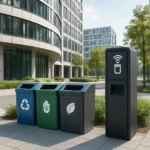
Transparent cities adopt an integrative approach to sustainability. Façade-integrated rainwater harvesting channels water to rooftop gardens, while embedded sensors monitor air quality and adjust ventilation in real time. By using recyclable glass composites and adhering to circular economy principles, developers reduce lifecycle emissions. The transparent city thus emerges as a resilient organism, capable of adapting to climate extremes and population growth.
Navigating Future Challenges and Opportunities
Despite its allure, glass-based futuristic design faces technical, regulatory, and socio-cultural hurdles. The energy footprint of large-scale glass production and recycling remains significant, urging the industry to refine manufacturing methods and source raw materials responsibly. Moreover, urban heat island effects may be exacerbated by reflective glass surfaces unless mitigated through strategic shading and advanced coatings that absorb and convert infrared radiation.
Regulatory frameworks must evolve to address privacy concerns associated with fully transparent façades. Zoning codes and building standards are being updated to balance openness with occupant confidentiality. Likewise, insurers and risk assessors are exploring novel models to underwrite structures with programmable materials and embedded electronics, ensuring safety without stifling innovation.
Emerging Frontiers
- Augmented Reality Integration: Future façades may serve as canvases for digital overlays, displaying wayfinding cues or artistic projections on demand.
- Dynamic Urban Ecosystems: Glass corridors connecting vertical farms and bio-reactors, fostering localized food production within high-rises.
- Adaptive Modularity: Prefabricated, interchangeable glass panels that enable rapid reconfiguration of building functions and layouts.
- Resilient Hybrid Skins: Composite systems that combine glass with phase-change materials and kinetic shading devices for unparalleled thermal regulation.
The transparent cities of tomorrow will be shaped by interdisciplinary collaboration among architects, engineers, material scientists, and policymakers. As these avant-garde visions move from concept to construction, the line between built environment and digital realm blurs, ushering in an era where cities are not just seen but felt, computed, and lived in symbiosis with nature.