







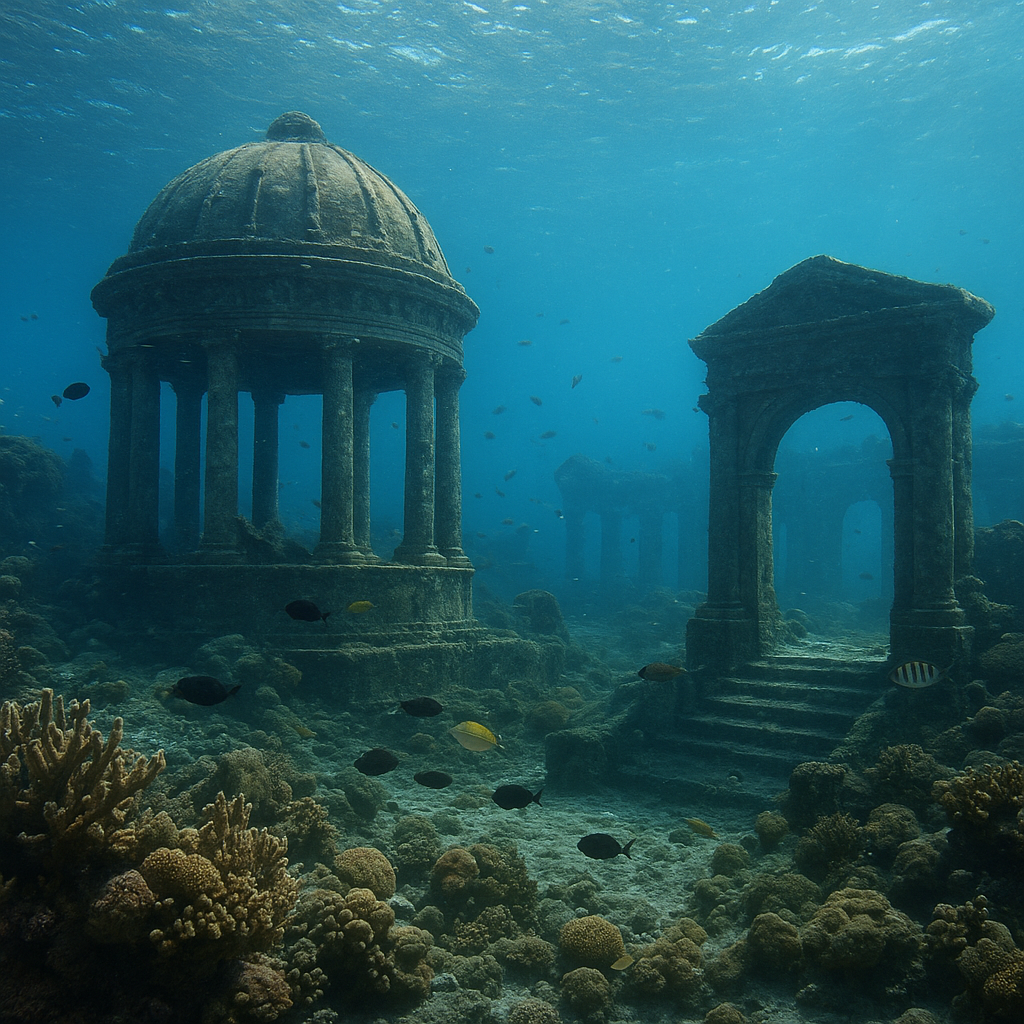
Underwater Architecture: Exploring Life Beneath the Waves dives into the bold vision of submerged habitats that blend advanced engineering, ecological harmony, and futuristic aesthetics. This exploration reveals how humanity may adapt to rising sea levels, expand scientific frontiers, and cultivate sustainable communities beneath the ocean’s surface.
Emerging Materials and Design Principles
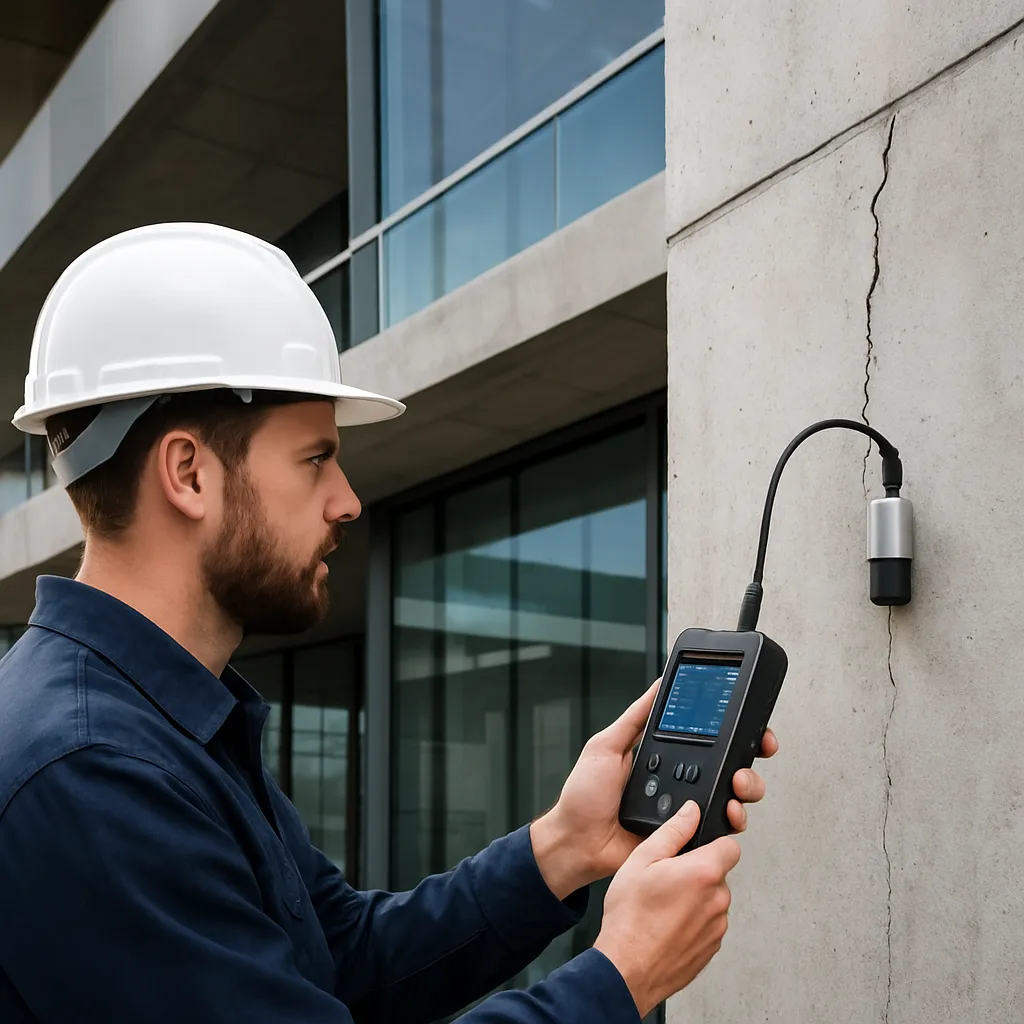
The success of submerged structures hinges on innovative materials that withstand immense pressure, corrosion, and biofouling. Designers turn to nanotechnology coatings to repel saltwater and inhibit microbial growth. Self-healing concrete composites, infused with microcapsules of mineralizing agents, autonomously seal cracks that form under stress. These components encourage long-term sustainability by reducing maintenance downtime and preventing structural failure.
Form follows function in undersea architecture: sleek, curved exteriors minimize turbulence and optimize hydrodynamics, whereas modular units snap together like marine-scale LEGO blocks. This modularity enables rapid deployment and customization of living quarters, research labs, and cultivation bays. Transparent pressure-resistant domes made from advanced ceramics allow panoramic views of the marine world, while tinted bio-glass filters harmful UV rays and attenuates sound pollution.
Biomimicry plays a crucial role in design. Architects study the ribbed structure of clam shells and the lattice-like strength of sponge skeletons to craft structures that absorb shock from strong currents. Integrating natural patterns fosters bioluminescence within building surfaces: embedded light-emitting proteins create soft, ambient illumination, reducing dependence on electrical lighting.
Advanced Technologies Driving Subaquatic Structures
Robotic Construction and Maintenance
Building beneath the waves requires precision and resilience. Autonomous underwater vehicles (AUVs) equipped with ultrasonic welding tools assemble prefabricated modules into intricate formations. These robots navigate by sonar mapping and deploy swarms of micro-drones that inspect weld seams, detect corrosion hotspots, and apply protective coatings. The synergy between human engineers and robotics ensures rapid construction in depths beyond safe diving limits.
Maintenance crews rely on humanoid diving suits with exoskeletal frames to perform delicate interior repairs. These suits, powered by hydraulic actuators and AI-driven control systems, amplify human strength while offering haptic feedback to prevent accidental damage. Through remote operation, experts onshore can assist in real time, guiding mechanical arms to adjust valves, recalibrate sensors, or replace filter membranes.
Energy Harvesting and Environmental Control
Energy autonomy is critical for remote underwater installations. Tidal turbines and seabed-mounted hydrokinetic converters capture the relentless motion of currents, transforming kinetic energy into electricity. Solar arrays float on the surface, linked via tethered cables, while vertical-axis wind turbines installed on floating platforms supplement power during calm currents. Collected energy is stored in high-capacity battery banks protected from pressure by composite hulls.
Climate control within these habitats relies on heat-exchange systems that draw thermal gradients between warm surface layers and frigid deep water. Advanced membranes regulate humidity and extract oxygen from seawater through electrochemical oxygen generators. A network of sensors monitors internal CO₂ levels, temperature, and salinity, adjusting ventilation and water purification cycles automatically. This closed-loop system maintains a stable environment for human occupants and experimental aquaculture.
Integrating Marine Ecosystems and Human Needs
Successful underwater cities must harmonize with existing marine ecology. Biologists cultivate coral nurseries on structural frameworks, promoting reef restoration and boosting biodiversity. Underwater farms grow seaweed and shellfish that filter toxins and produce organic matter for feedstock, creating a circular economy. Residents harvest these crops, reducing supply-chain dependencies and supporting local food security.
The integration of living laboratories fosters continuous research. Observatories equipped with high-definition cameras and environmental sensors record behavioral patterns of fish, marine mammals, and plankton. Data is processed by AI algorithms to predict migration shifts, spawning events, and ecosystem health metrics. Researchers can intervene by seeding larvae or adjusting nutrient flows to mitigate adverse impacts from climate change.
- Public spaces feature transparent corridors with interactive displays explaining local species.
- Modular apartments provide customizable layouts, convertible from research pods to leisure suites.
- Emergency escape pods are designed with buoyant frames and acoustic beacons for rapid ascent.
Community life thrives through shared amenities: hydroponic gardens produce fresh produce; communal dive platforms host cultural events; and virtual reality theaters offer simulations of surface landscapes, preserving a psychological link to the world above.
Future Scenarios: Underwater Cities and Research Labs
Envision a network of submerged metropolises connected by pressurized tunnels and high-speed submersible tubes. Each node specializes in a distinct function: deep-sea mining, pharmaceutical bioreactors, underwater tourism hubs, or climate research centers. Residents commute in autonomous submersibles that glide silently through luminous corridors of autonomous traffic control, guided by real-time mapping.
Urban planners draft intricate cityscapes with soaring habitat towers and undulating parks where artificial currents simulate gentle tidal flows. Schools host lessons on subaquatic life cycles, training future marine architects and bioengineers. Tourists experience zero-gravity chambers that mimic both lunar and Martian gravity, preparing astronauts for off-world colonization while also delivering breathtaking leisure experiences.
The fusion of cutting-edge materials, AI-driven systems, and ecological stewardship positions underwater architecture as the next frontier of sustainable living. As nations collaborate on deep-ocean treaties and marine conservation, these submerged habitats may become vital lifelines—protecting coastal populations, advancing scientific discovery, and igniting the imagination of generations to come.