

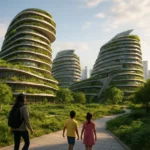


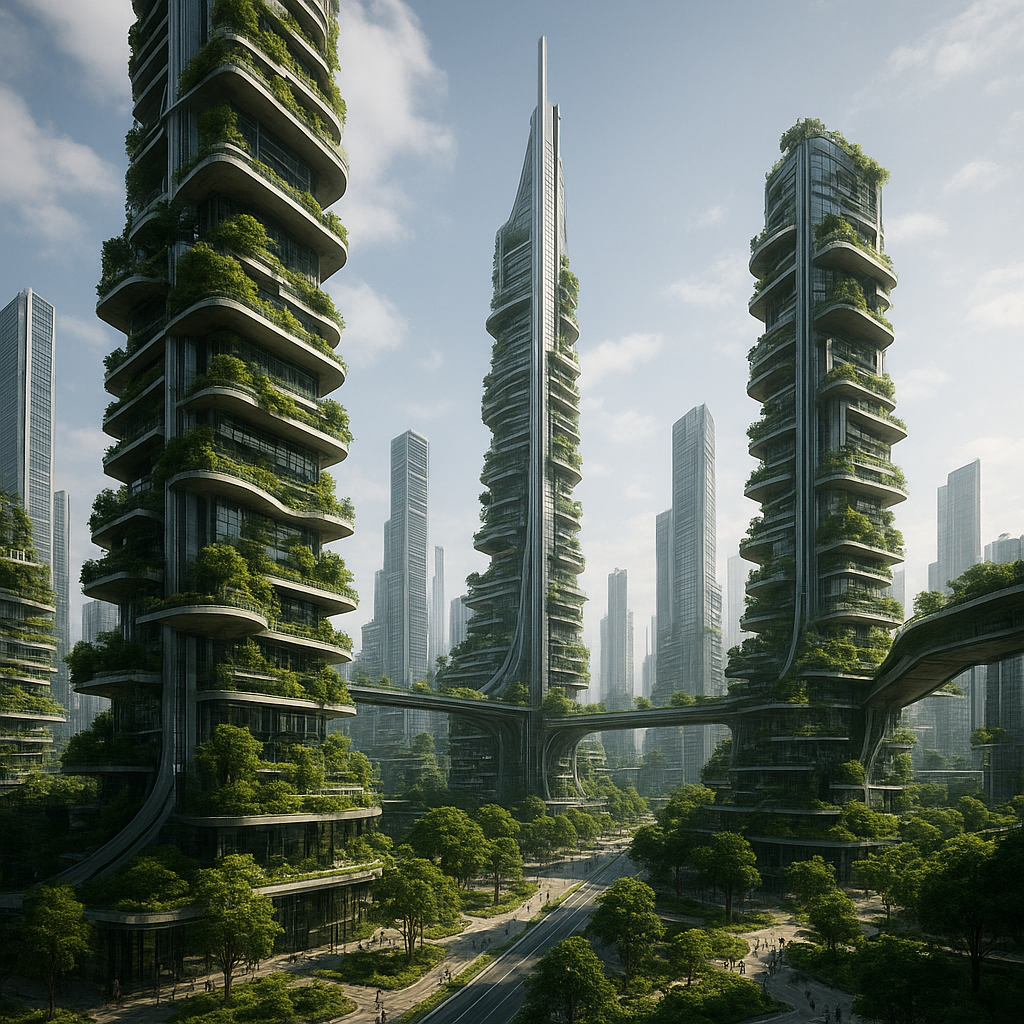
The vertical expansion of human habitats heralds a new era in urban design, where innovation meets necessity, and the skyline transforms into a living organism. Combining cutting-edge architecture and advanced infrastructure, these skyward metropolises challenge conventional notions of city planning and sustainability. In the following exploration, we uncover how vertical cities are reshaping the future of human settlement, offering resilient solutions to space constraints, environmental concerns, and evolving social dynamics.
Urban Evolution in the Sky
Traditional horizontal sprawl has long been the default model for urban growth. However, with land scarcity and environmental pressures mounting, architects and planners are turning their gaze upward. The concept of vertical urbanism involves stacking residential, commercial, and recreational functions into towering structures that operate as self-contained ecosystems. These skyward communities maximize space efficiency and can integrate a spectrum of amenities—schools, parks, healthcare, and markets—within a single footprint.
Multi-Tiered Zoning
By assigning specific functions to different levels, vertical cities create distinct districts in the sky. Lower floors might host bustling retail corridors, mid-levels accommodate office spaces, and upper stories house residential units with panoramic views. Rooftop terraces and sky gardens serve as communal hubs, offering greenery and open-air social spaces hundreds of feet above ground.
- Layered Transport: High-speed elevators and skybridges link diverse zones.
- Green Terraces: Vertical farms reduce food miles and bolster self-sufficiency.
- Mixed-Use Design: Seamless integration of work, life, and leisure.
Such vertical zoning not only economizes land use but also fosters walkable environments that minimize the reliance on ground-level commuting, thus lowering emissions and traffic congestion.
Technological Foundations and Innovations
Achieving stable, efficient, and sustainable vertical cities depends on a suite of advanced technologies. Structural engineers leverage lightweight composites and carbon-fiber-reinforced materials to ensure rigidity and earthquake resilience. Meanwhile, modular construction techniques—where prefabricated units are assembled on-site—accelerate build times and reduce waste.
Smart Systems Integration
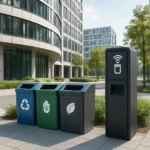
Embedded sensors and IoT networks enable real-time monitoring of energy consumption, water usage, and structural health. Automated shading and natural ventilation systems adapt to climatic variations, optimizing indoor comfort while conserving resources. AI-driven building management platforms coordinate utility flows, waste recycling, and security protocols across millions of square feet.
- Renewable Energy Harvesting: Solar skins and wind turbines integrated into facades.
- Energy Sharing Grids: Microgrids exchange surplus power among neighboring towers.
- Advanced Waste Treatment: On-site bioreactors convert organic waste into biogas.
Elevators evolve into sky-ports, with multi-directional cabins that travel horizontally and vertically. These advanced transit pods reduce wait times and optimize passenger flow, ensuring swift movement within the complex labyrinth of the vertical city.
Social and Environmental Impact
Vertical cities wield the promise of connectivity and enhanced quality of life when designed with people at the core. By clustering residences, workplaces, and leisure spots into unified towers, social interactions become more organic, eliminating isolation often found in monolithic high-rises. Shared sky lounges, co-working pods, and cultural galleries foster multicultural exchanges and civic engagement above traditional city streets.
Urban Biodiversity and Well-Being
Introducing flora and fauna into vertical landscapes creates microhabitats for pollinators, birds, and even fish in aquaponic installations. These living systems improve air quality, moderate temperature extremes, and provide residents with daily exposure to nature—all critical factors in mental health and physical wellness.
- Green Corridors: Vertical gardens connect floor-to-floor ecosystems.
- Recreational Heights: Climbing walls, jogging tracks, and meditation decks 200 meters up.
- Health Monitoring: Wearable tech syncs with building systems to personalize air quality and lighting.
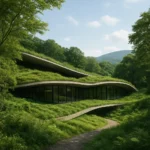
Moreover, the compact footprint of vertical developments frees ground-level land for public parks, wetlands, and community farms. This dual approach balances high-density living with expansive open spaces, ensuring inclusivity and equitable access to nature.
Challenges and Future Outlook
Despite the allure of skyward urbanization, vertical cities encounter significant hurdles. Construction complexity and costs remain substantial, raising questions about affordability and economic feasibility. Regulatory frameworks must adapt to novel building codes and air-rights negotiations, while emergency response protocols require rethinking to accommodate multi-kilometer-high structures.
Resilience and Adaptation
Ensuring safety against seismic events, extreme weather, and system failures demands robust contingency planning. Redundant power networks, vertical evacuation shafts, and drone-assisted rescue operations form critical layers of defense. Additionally, the psychological impact of high-altitude living warrants careful study, with architects designing ample communal spaces and biophilic elements to mitigate vertigo and social isolation.
- Economic Models: Public-private partnerships to subsidize affordable sky housing.
- Regulatory Innovation: Zoning reforms that incentivize vertical densification.
- Community Participation: Inclusive design workshops to align development with resident needs.
Looking ahead, the fusion of nanotechnology, bioengineering, and robotics could propel vertical cities into unprecedented realms. Self-healing materials, living walls cultivated from engineered algae, and autonomous drones for maintenance may soon become standard features. As society grapples with climate change and urban overpopulation, these resilient, high-rise habitats offer a compelling blueprint for the sustainable metropolises of tomorrow.