



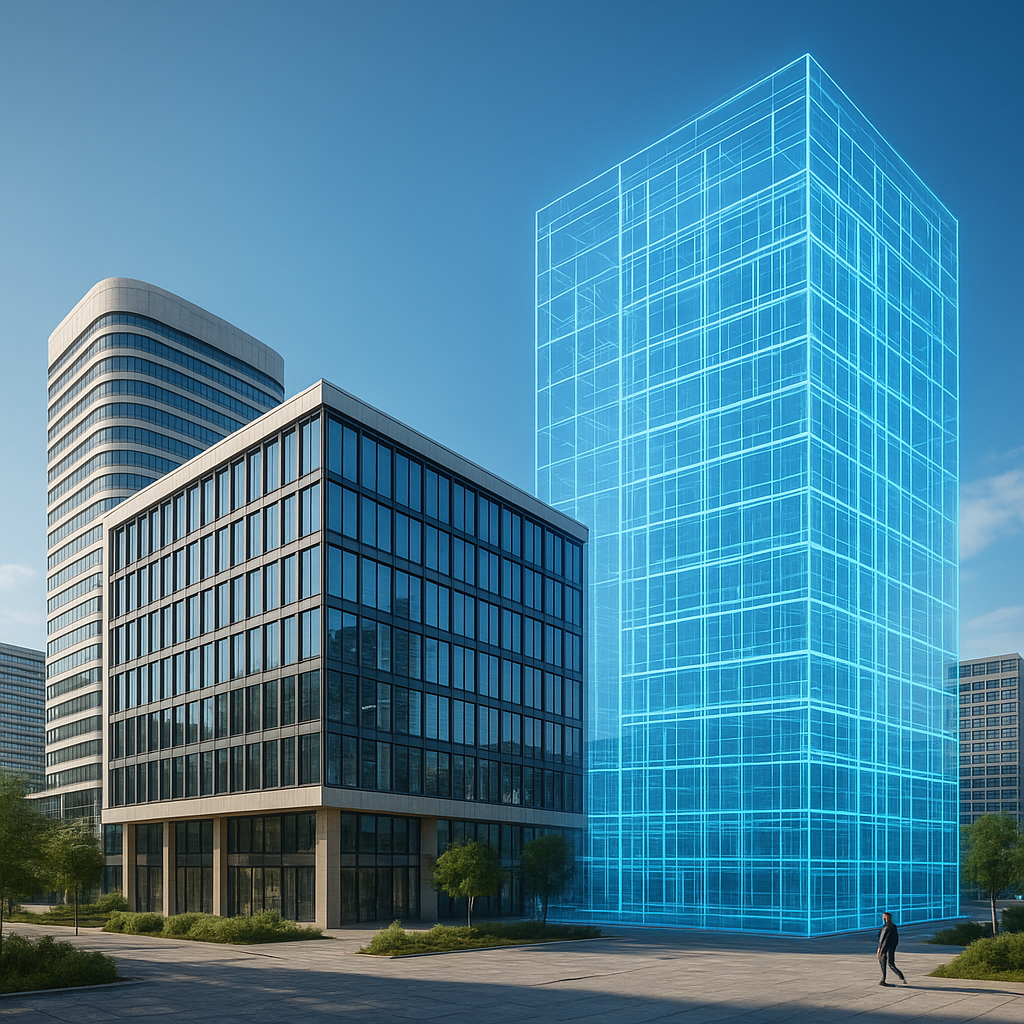
A convergence of physical form and virtual representation is redefining how architects conceptualize and realize structures. In this landscape of advanced modeling and immersive environments, practitioners leverage cutting-edge simulation tools to shape the built environment with unprecedented precision. The synergy between real world performance data and virtual prototypes fosters an innovative design process that transcends traditional boundaries. By embracing networked models and real-time monitoring, architectural teams can optimize every component, from material behavior under stress to energy efficiency across climate cycles. This article explores the transformative potential of digital twins in shaping the future of architectural practice.
Virtual Twins as the Foundation of Futuristic Architecture
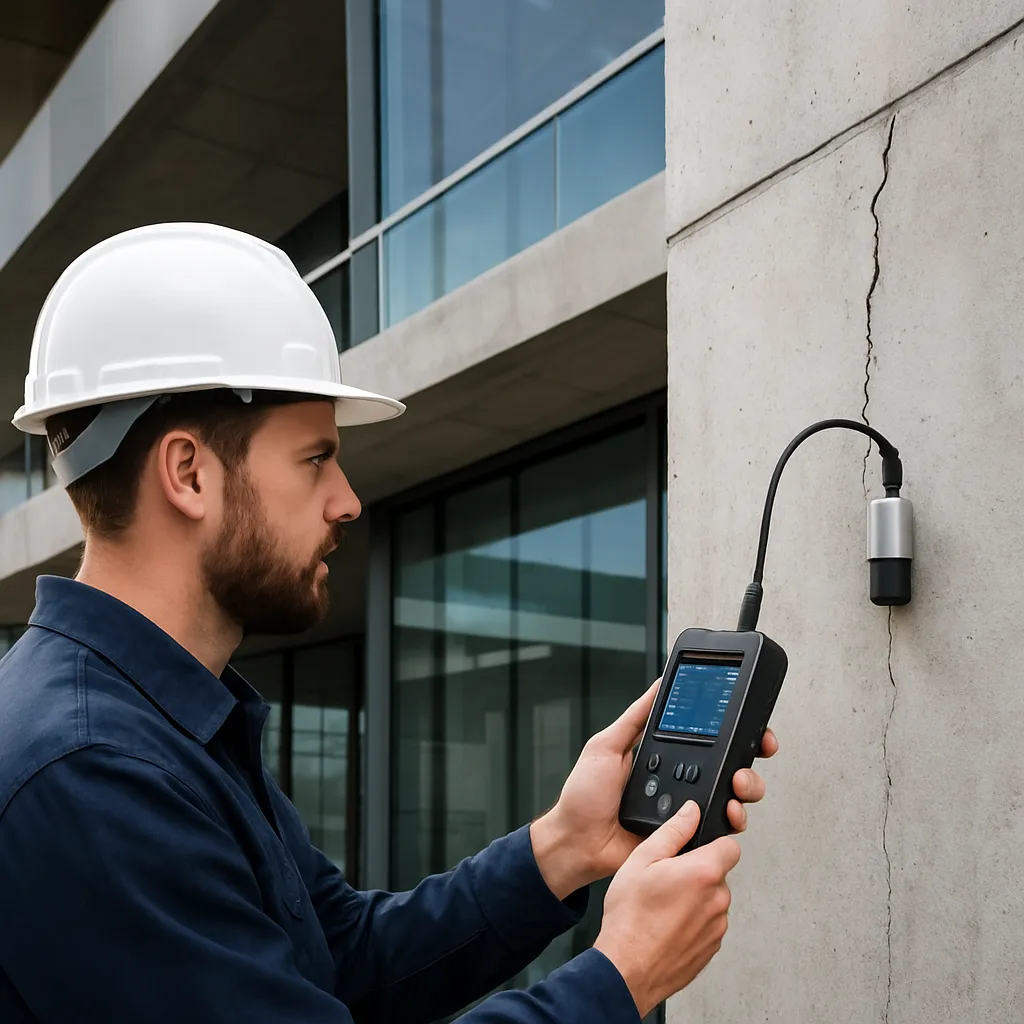
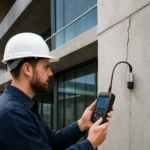
At the heart of next-generation design lies the concept of the digital twin—a dynamic virtual replica of a physical entity that evolves alongside its real counterpart. Architects are increasingly embedding sensor arrays and IoT devices into buildings to stream operational metrics back into virtual models, allowing for continuous calibration of structural performance. This process extends beyond static three-dimensional modeling, ushering in an era where every beam, panel, and system is mirrored in cyberspace with millisecond accuracy.
- Sensors capture temperature, humidity, and load distribution in real time
- Machine learning algorithms analyze trends and predict maintenance needs
- Parametric engines adjust design variables to optimize for energy consumption and occupant comfort
- Cloud-based collaboration platforms enable multidisciplinary teams to iterate on a shared virtual asset
By harnessing these capabilities, design teams can run countless simulations to validate structural integrity under extreme conditions, test innovative materials for resilience, and forecast environmental impact decades into the future. The result is a robust, data-driven workflow capable of delivering complex forms with greater certainty and reduced risk.
Adaptive Environments and Responsive Facades
The advent of sensor-rich skins has given rise to responsive facades that dynamically react to shifting environmental stimuli. These intelligent envelopes can modulate light transmission, airflow, and thermal gain through embedded micro-actuators, advanced glazing technologies, and phase-change materials. By closing the feedback loop between building performance and design iteration, architects can craft envelopes that breathe, shift, and self-regulate without manual intervention.
Sensing and Actuation
Micro-sensor networks monitor external irradiance, wind speed, and pollutant levels, feeding data into control systems that adjust louvers, deploy shading devices, or switch between transparent and opaque states. This continuous adaptation maintains occupant comfort while minimizing reliance on mechanical heating and cooling systems.
Energy Harvesting Integration
Photovoltaic cells and piezoelectric panels embedded within facade components capture solar and kinetic energy, respectively. Surplus energy can be stored in on-site batteries or fed back into the grid, transforming the structure into a small-scale power generator. This synergy elevates the facade from a passive barrier to an active power node within the built environment.
Parametric Urbanism and Networked Infrastructure
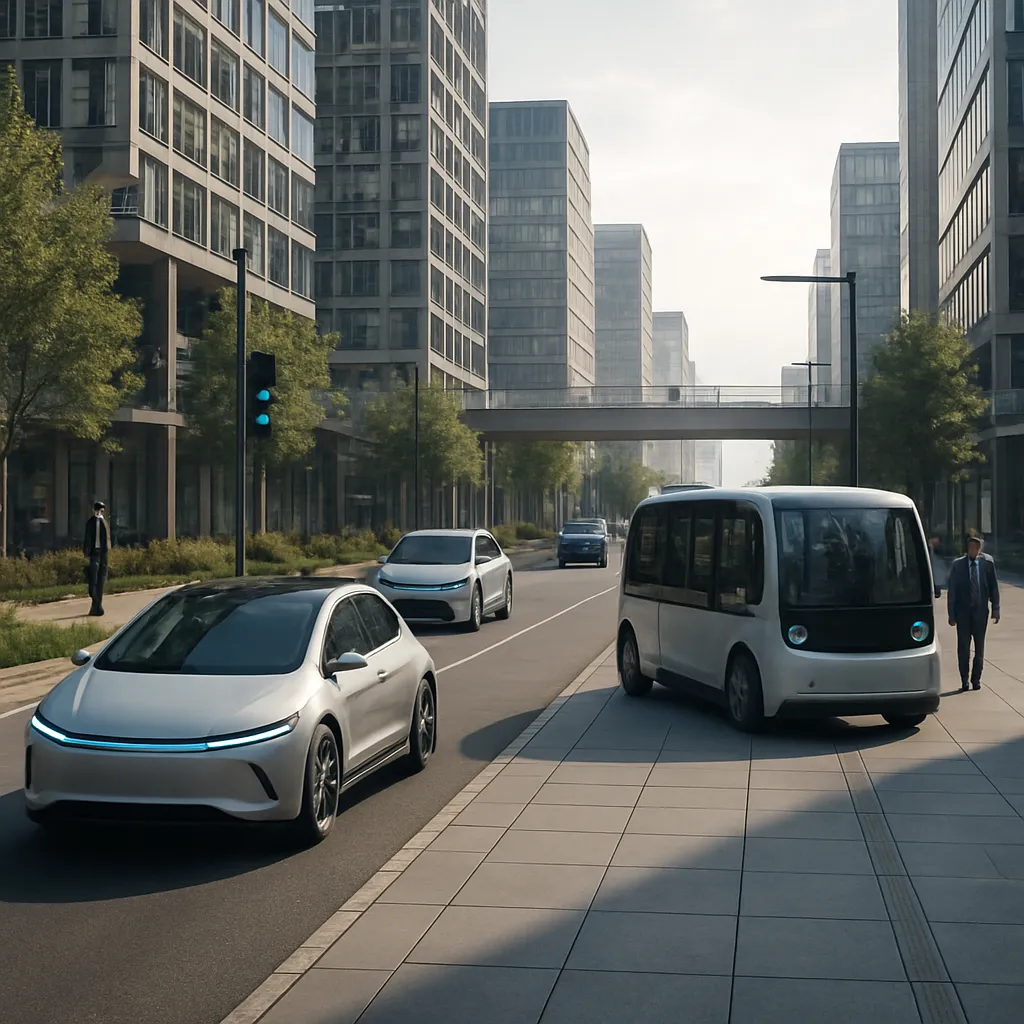
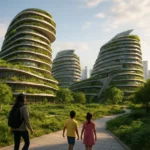
Beyond individual buildings, digital twins are reshaping the fabric of entire cities. Parametric urbanism leverages algorithms to generate fluid masterplans that adapt to evolving demographic and environmental datasets. Each block, corridor, and park can be tuned for optimal walkability, density, and green space allocation through real-time analysis of traffic flows, public transit load, and energy demand patterns.
City-Scale Modeling
High-resolution terrain mapping and LIDAR scans feed into urban digital twins, creating comprehensive repositories of physical, social, and infrastructural data. Simulations can then evaluate emergency evacuation scenarios, pollution dispersion, and resource distribution under a variety of future conditions, guiding planners toward more resilient outcomes.
Distributed Ledger and Governance
Blockchain-based platforms ensure transparency and security when multiple stakeholders interact with shared urban models. Every design revision, zoning change, or environmental assessment is recorded immutably, fostering trust and accountability. This decentralized approach empowers communities to participate directly in the evolution of their neighborhoods through collaborative digital forums.
Future Materials and Immersive Experience Layers
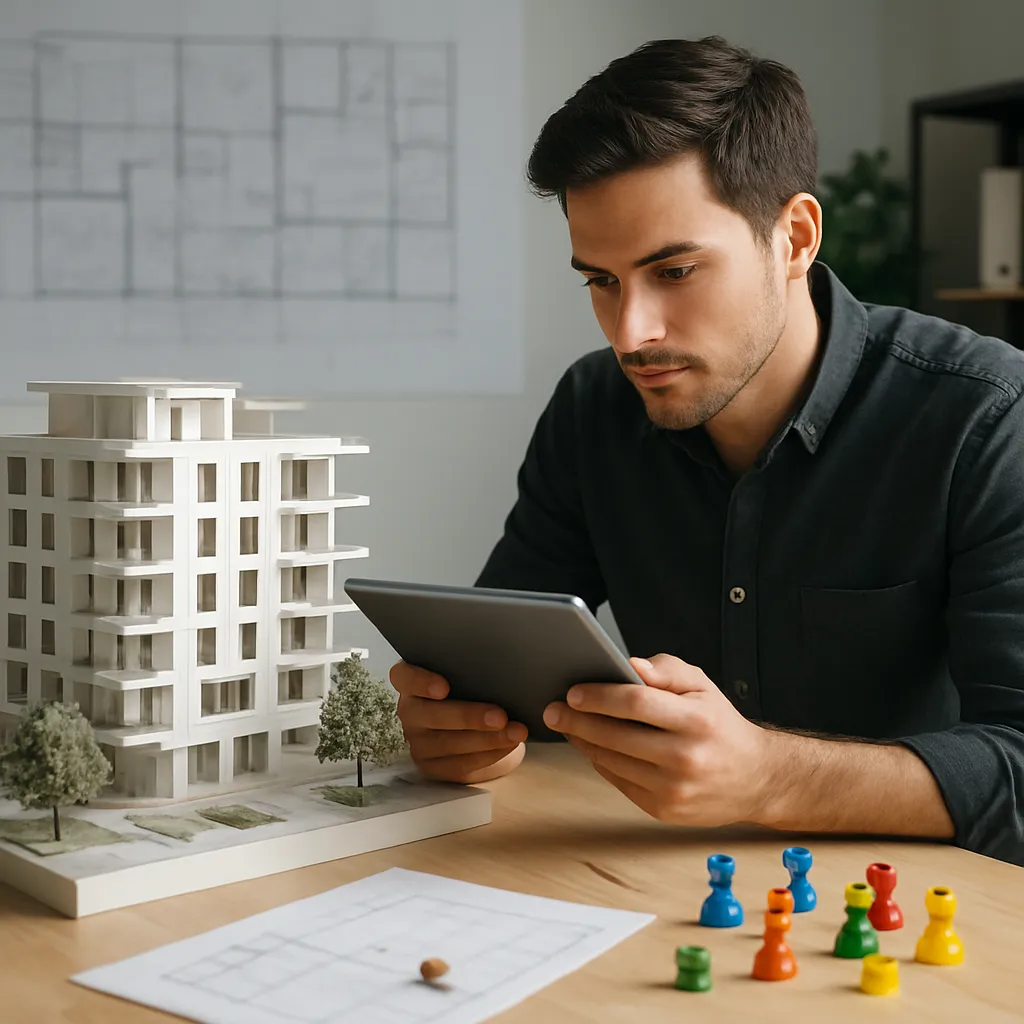
Advances in virtual and augmented reality are blurring the lines between tangible and intangible layers of architectural experience. Clients and end users can step into digital mock-ups of proposed spaces, interacting with lighting scenarios, furniture layouts, and acoustic treatments before a single brick is laid. This early immersion accelerates decision-making and narrows the gap between vision and realization.
Metamaterials and Smart Composites
Engineered at the micro and nano scales, metamaterials exhibit behaviors not found in nature, such as negative thermal expansion or programmable stiffness. When integrated with embedded sensors, these composites can adjust their properties on command, enabling adaptive flooring that responds to occupant movement or wall panels that tune their acoustic absorption characteristics.
Extended Reality Collaboration
Immersive headsets and holographic displays allow distributed teams to convene within a shared 3D environment, annotating and modifying building components in real time. This multiuser presence accelerates coordination across disciplines, from structural engineering to interior design, reducing costly misalignments during the construction phase.