

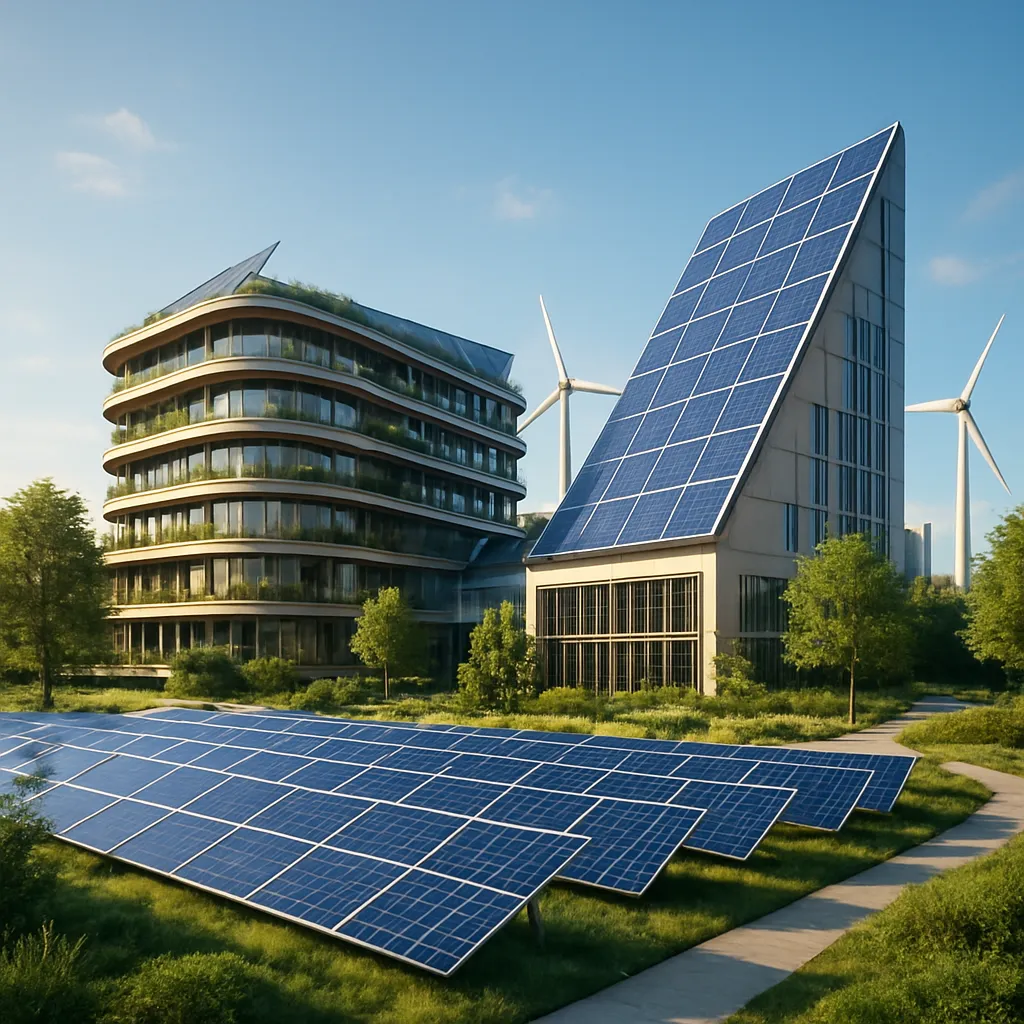
The convergence of cutting-edge technologies and pressing environmental imperatives has set the stage for a seismic shift in architectural practice. As societies strive for a harmonious balance between human habitation and planetary health, the emergence of renewable-powered designs is redefining the very essence of the built environment. This exploration delves into the transformative potential of futuristic architecture, examining how innovative strategies and holistic philosophies can shape resilient, energy-autonomous communities.
Reimagining Energy-Positive Design
Architecture has long been criticized for its heavy reliance on fossil fuels and carbon-intensive materials. Today, the quest for net-zero and even energy-positive structures propels architects to harness sunlight, wind, and geothermal sources. By integrating photovoltaic panels, microturbines, and advanced heat exchangers, buildings can become self-sufficient units that generate more power than they consume.
Passive Strategies and Active Systems
- Orientation and shading: Optimizing window placement and overhangs for passive solar gain in winter and natural cooling in summer.
- High-performance envelopes: Utilizing triple-glazed glass, vacuum-insulated panels, and aerogel blankets to minimize thermal losses.
- Dynamic facades: Employing sensors and actuators to adjust louvers, blinds, or photochromic glass based on real-time climate data.
- Energy recovery: Capturing waste heat from ventilation, graywater, or industrial processes for reuse in heating and desalination.
These synergies of passive and active components exemplify the integration of disciplines once siloed, forging a new paradigm where architecture and engineering merge seamlessly.
Biomimetic and Adaptive Structures
Nature has long served as the ultimate design mentor. Through biomimicry, architects draw inspiration from the self-regulation, resource efficiency, and elegant forms found in flora and fauna. From termite-inspired ventilation towers to lotus-leaf coatings that repel water and pollutants, biomimetic strategies confer both functional and aesthetic benefits.
Self-Healing and Responsive Materials
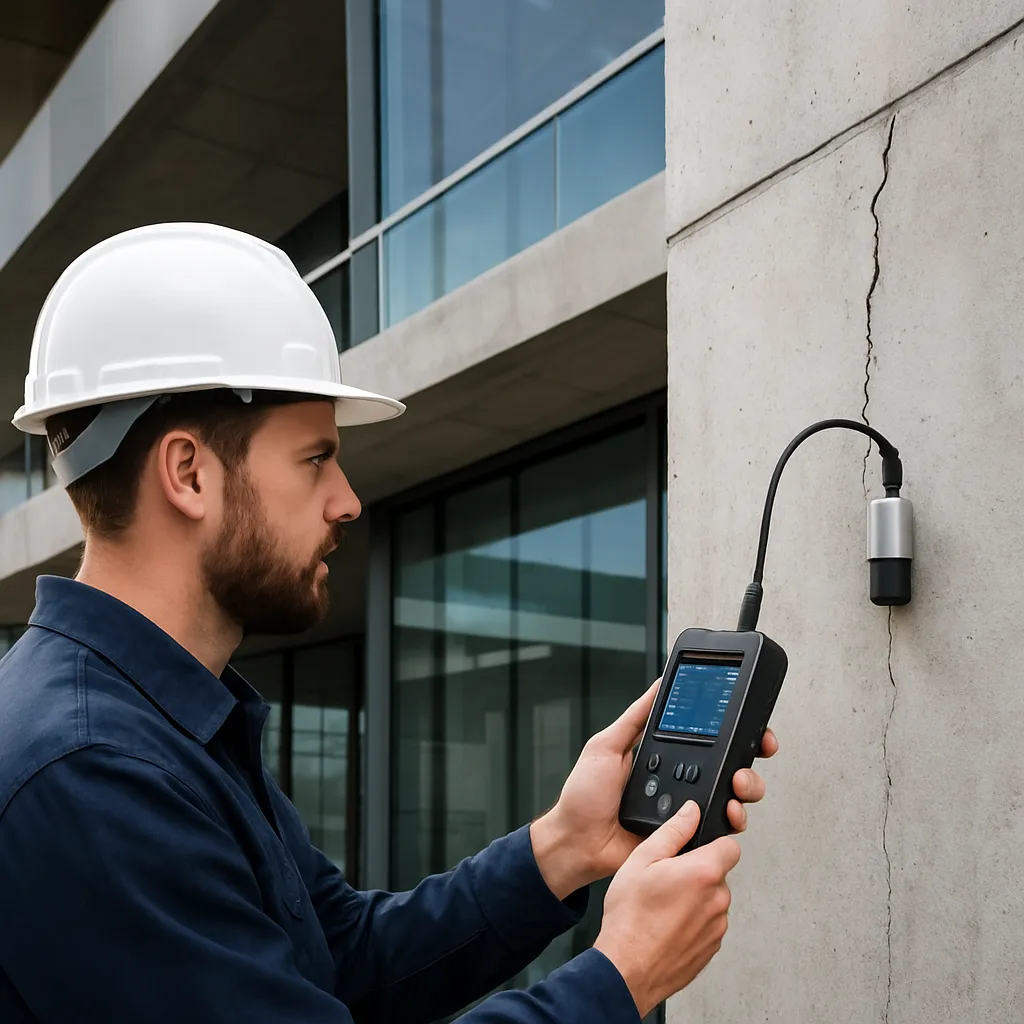
- Self-healing concretes: Incorporating microcapsules of healing agents that activate upon cracking, extending structural lifespan.
- Shape-memory alloys: Metals that revert to predefined geometries when exposed to specific temperatures, enabling adaptive shading systems.
- Phase-change materials: Substances that absorb or release heat during transitions between solid and liquid states, stabilizing indoor climates.
Beyond materials, entire building skins can adapt. Imagine a façade that senses urban noise levels and shifts its texture to muffle traffic sounds, or roof panels that realign to maximize wind capture during storms, bolstering overall resilience.
The Urban Ecosystem of Tomorrow
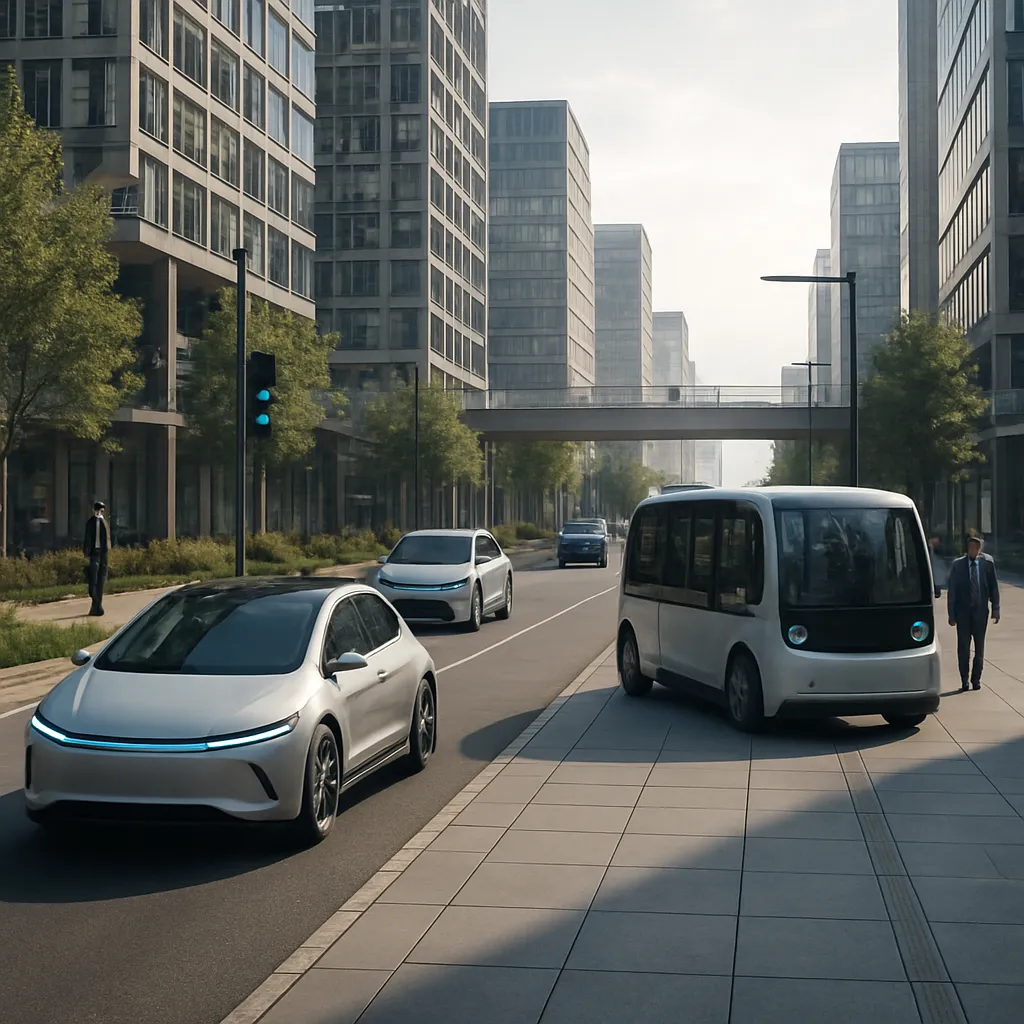
Cities are complex, living systems. Futuristic architecture envisions urban landscapes as integrated ecosystems, where water, waste, energy, and green spaces interact in closed-loop cycles. Smart microgrids distribute power among neighborhoods, balancing loads with predictive analytics and blockchain-enabled energy trading platforms.
Vertical Forests and Hydroponic Communities
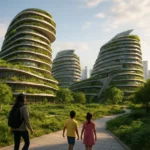
- Bio-integrated towers: Skyscrapers enveloped in trees and shrubbery, enhancing air quality, reducing the urban heat island effect, and supporting biodiversity.
- Rooftop wetland gardens: Natural filtration systems that treat stormwater and graywater, replenishing aquifers and habitats for pollinators.
- Hydroponic bay windows: Modular plant pods attached to residential units, enabling residents to cultivate fresh produce using nutrient-rich water circuits.
These verdant interventions not only provide ecosystem services but also foster social cohesion, as communal gardens and arboreal balconies become sites of daily interaction and cultural exchange.
Modularity, Prefabrication, and Digital Fabrication
The drive for rapid, cost-effective construction is ushering in a new era of modularity and off-site manufacturing. Digital design workflows, coupled with robotic assembly lines, enable the production of complex components with unparalleled precision. Prefabricated volumetric units can be stacked, interlocked, and reconfigured, allowing buildings to evolve alongside changing needs.
Parametric Design and 3D Printing
- Parametric modeling: Architects manipulate algorithms to generate forms optimized for structure, daylighting, and material efficiency.
- Large-scale 3D printing: Using cementitious, polymeric, or biopolymer-based “inks” to fabricate walls, columns, and even entire housing units with minimal waste.
- On-demand customization: Clients can tailor spatial layouts and finishes through digital portals, receiving instant feedback on performance metrics and cost.
Through this lens, each building becomes a dynamic assembly, capable of disassembly, relocation, or reconfiguration, reflecting the societal value placed on resource circularity.
Smart Cities and the Data-Driven Environment
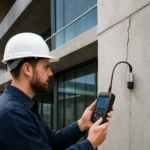
The advent of ubiquitous connectivity and the Internet of Things has transformed buildings into nodes within a vast information network. Real-time data from embedded sensors informs operational decisions, from adjusting HVAC settings to optimizing elevator dispatch. Predictive maintenance systems detect material fatigue or moisture intrusion before visible damage occurs, drastically reducing lifecycle costs.
Urban Digital Twins
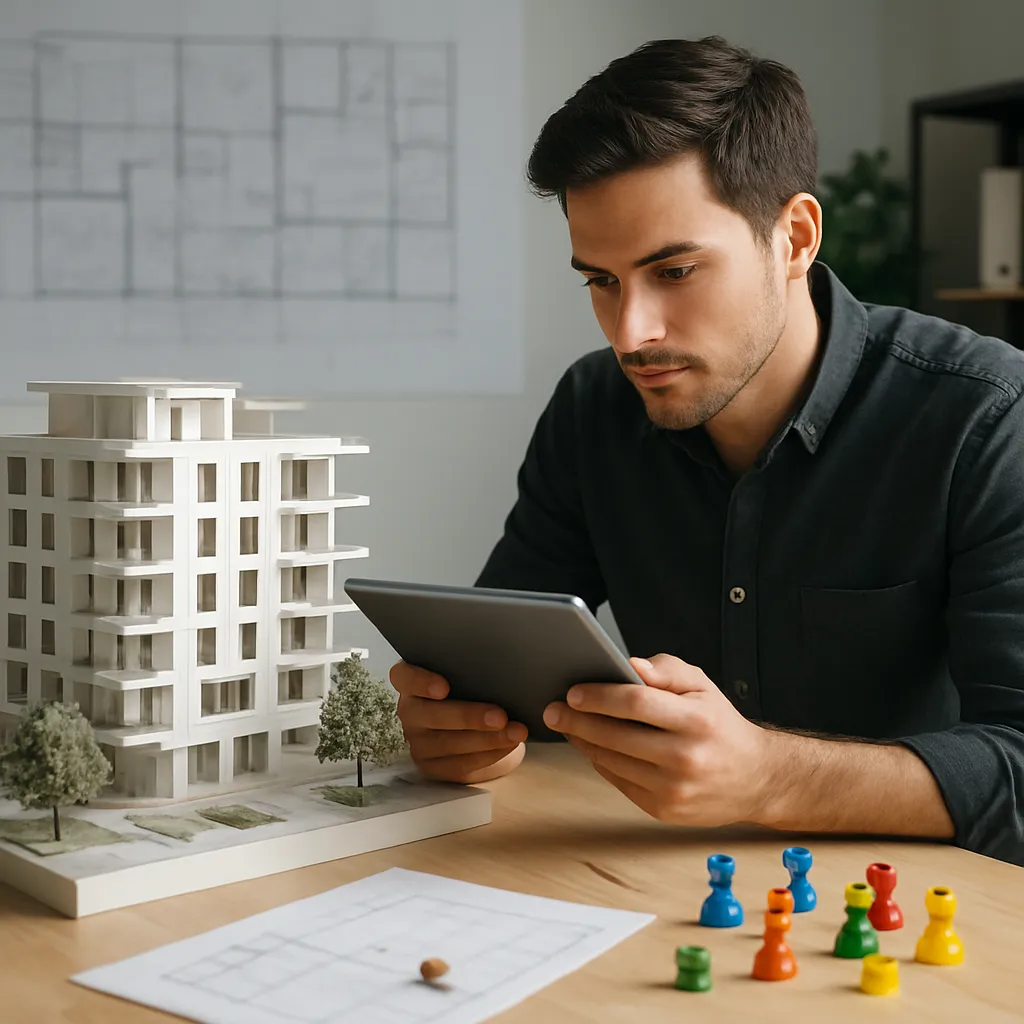
- Virtual replicas: Detailed 3D models mirroring real-world conditions, enabling planners to simulate pedestrian flows, traffic, and emergency scenarios.
- Performance forecasting: Machine learning analyzes historical climate and energy use data to recommend adaptive strategies for cooling and insolation.
- Participatory platforms: Citizens engage with urban models through augmented reality interfaces, co-designing public spaces and environmental interventions.
The result is a hyper-connected city where buildings, infrastructure, and inhabitants collaborate in an intelligent, self-optimizing ecosystem.
Resilience to Climate Extremes
Futuristic architecture must anticipate escalating weather volatility. From floods to heatwaves, structures need to endure and adapt. Elevated foundations, amphibious house prototypes, and flexible exoskeletons allow buildings to float or reconfigure under duress. Energy-positive storm shelters combine solar canopies with rainwater harvesting, ensuring safety and self-sufficiency during crises.
- Permeable pavements: Reducing runoff and preventing urban flooding through engineered porous surfaces.
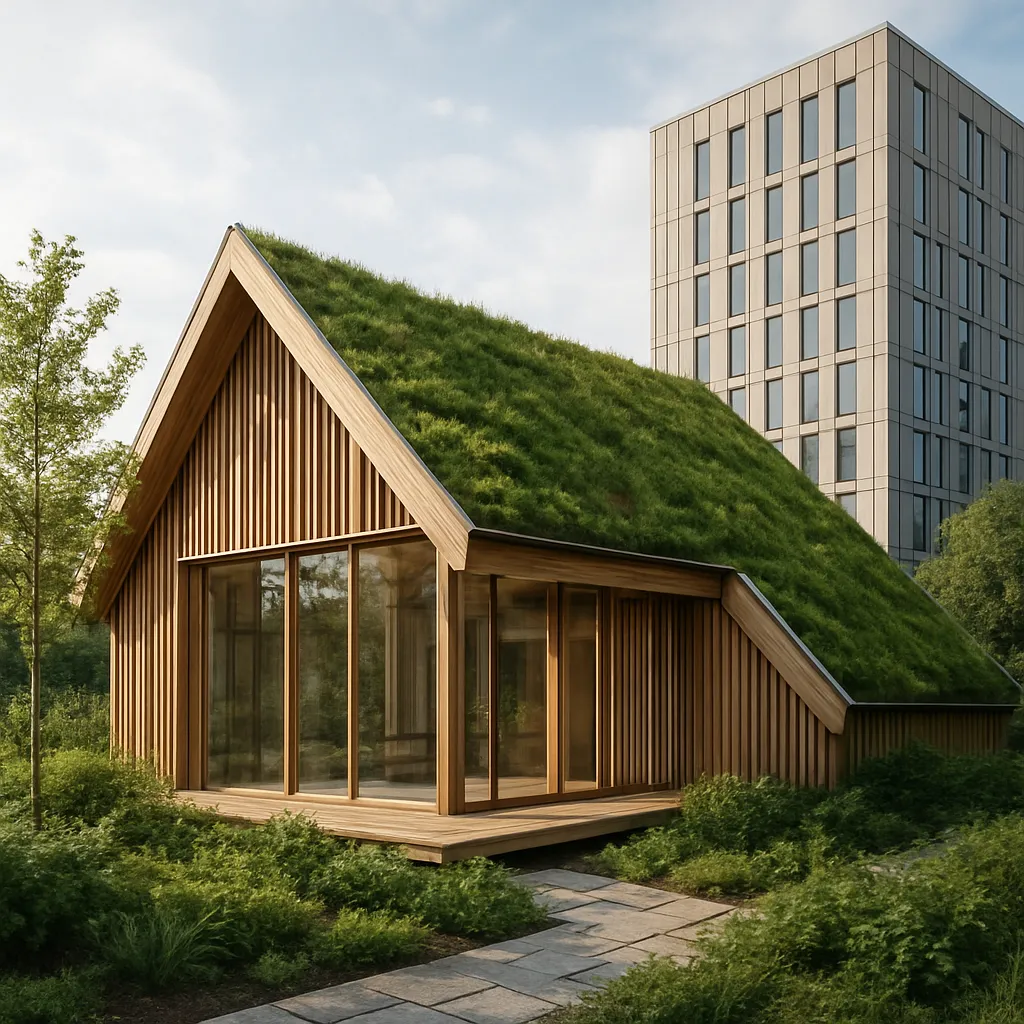
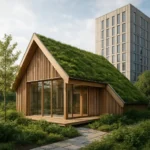
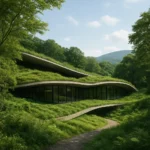
- Green roofs and walls: Insulating interiors against thermal extremes while attenuating stormwater and promoting biodiversity.
- Seismic meta-materials: Engineered geometries that dissipate earthquake forces, preserving structural integrity.
These innovations underscore the critical role of adaptability and robust design in safeguarding communities against an uncertain future.
Emerging Philosophies and Ethical Imperatives
Beyond technical prowess, the future of architecture hinges on ethical choices. Sustainable materials derived from agricultural waste, mycelium-based composites, and carbon-sequestering bio-concretes redefine our relationship with the Earth. Architects are embracing social equity, ensuring that technological breakthroughs benefit all societal strata, not just affluent enclaves.
- Community-driven design: Engaging residents in co-creation workshops to align projects with local values and needs.
- Open-source blueprints: Sharing resources and best practices globally to accelerate the adoption of low-impact solutions.
- Circular economy principles: Designing for disassembly, remanufacturing, and upcycling to minimize embodied carbon.
In this evolving landscape, the architect’s role becomes that of a steward—guiding humanity toward regenerative, inclusive habitats.