



The architecture of tomorrow is being reshaped by an unprecedented fusion of digital intelligence and physical form. As urban environments expand and resource constraints tighten, designers and engineers turn to a network of sensors embedded throughout buildings and infrastructure. These devices collect real-time information, enabling structures to respond dynamically to shifting conditions. By harnessing this continuous stream of data, architects can craft spaces that anticipate human needs, optimize energy consumption and bolster overall resilience.
The Rise of Smart Sensors in Built Environments
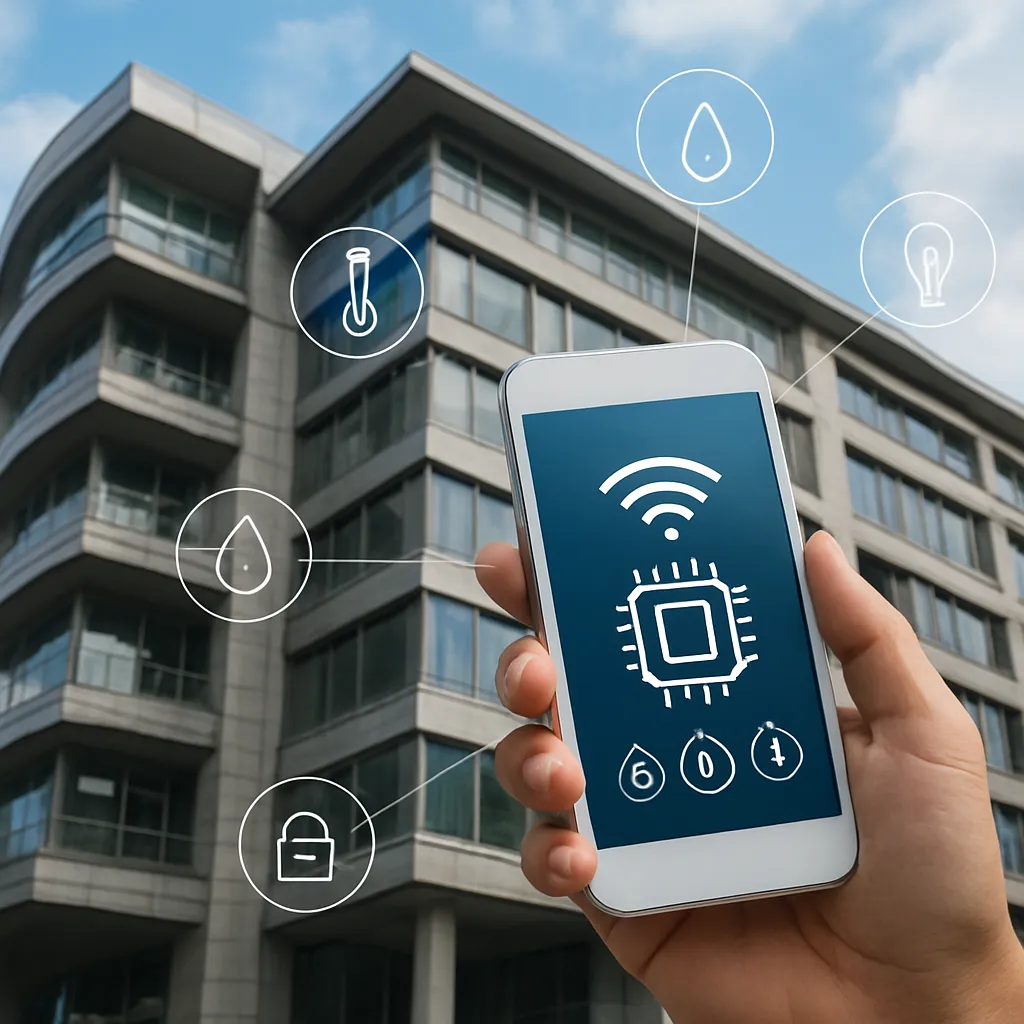
At the heart of futuristic architecture lies an ecosystem of microelectromechanical systems (MEMS) and wireless nodes. Each node is a miniature powerhouse, capable of measuring temperature, humidity, light intensity, structural stress and air quality. By weaving this mesh of monitoring points into façades, floors and ceilings, buildings transition from static objects into living entities. The integration of connectivity protocols—such as 5G and low-power wide-area networks—ensures that data flows seamlessly across every floor and window.
Consider a high-rise office tower fitted with motion detectors and CO₂ monitors. As occupancy fluctuates throughout the day, HVAC systems recalibrate airflow in response to peak loads, reducing wasteful heating or cooling during off-hours. Meanwhile, sunlight sensors adjust smart glass windows to modulate glare and interior temperature, cutting down on electric lighting and air conditioning. These adaptive interventions not only enhance occupant comfort but also drive energy efficiency gains of up to 40% compared to legacy systems.
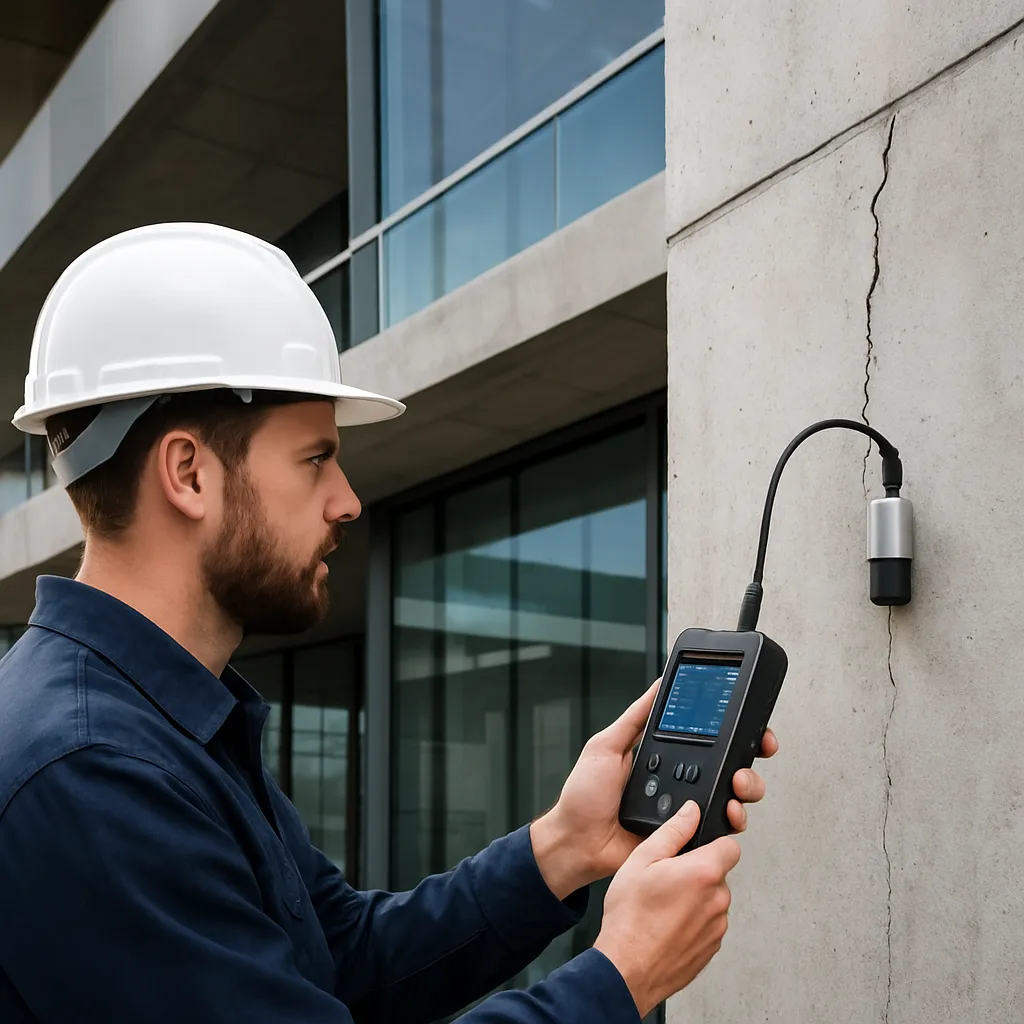
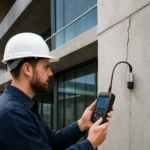
Beyond climate control, structural health monitoring stands to become the next frontier. Fiber-optic sensors embedded within concrete beams can track microcracks and stress accumulation in real time. When measurements breach safety thresholds, automated alerts trigger maintenance crews or even robotic repair units. Such proactive upkeep transforms reactive maintenance schedules into predictive regimes, extending the service life of bridges, tunnels and skyscrapers.
Data-Driven Design and Adaptive Facades
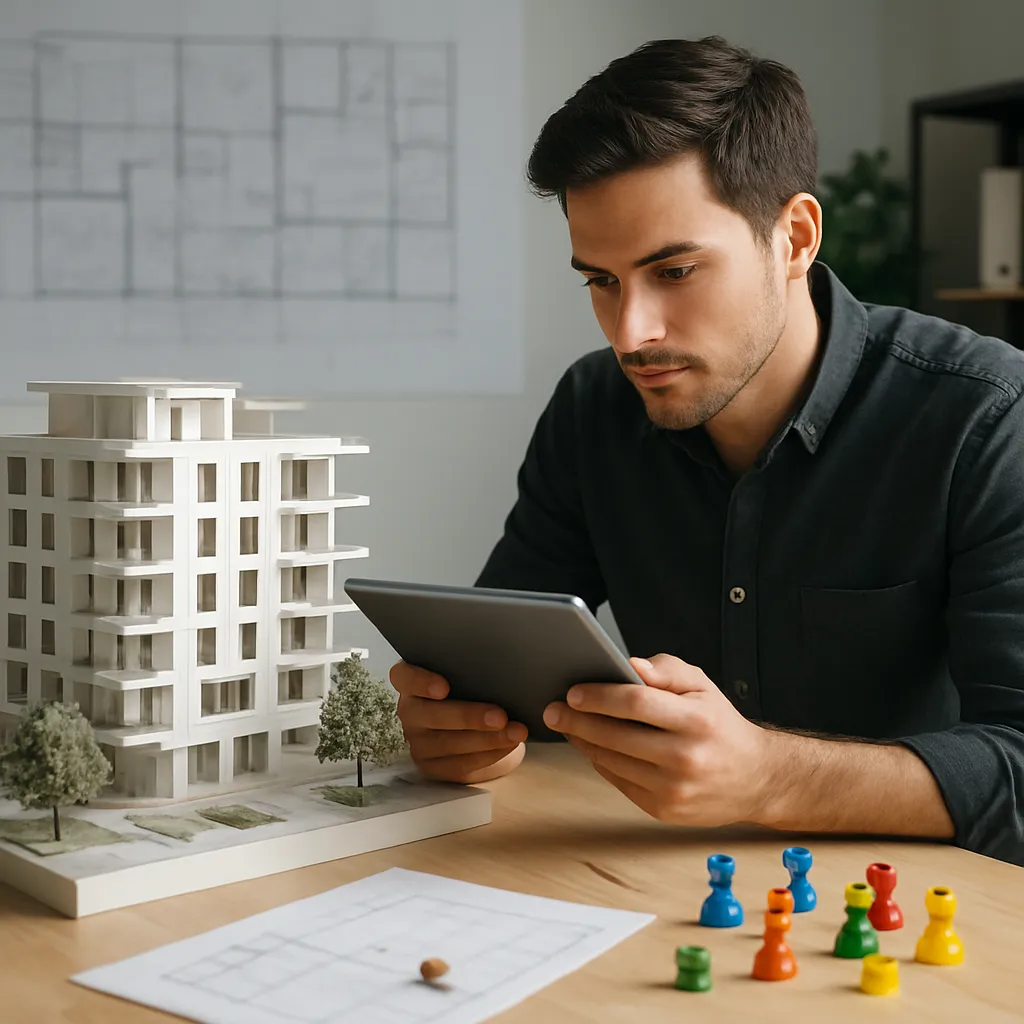
Architects are increasingly treating buildings as data generators, feeding advanced analytics engines that refine every design decision. Through computational modeling and machine learning, simulations ingest historical weather records, pedestrian flows and energy usage patterns. These models produce optimized blueprints with tailored insulation layers, shading devices and ventilation pathways—each meticulously calibrated for local climate and occupancy dynamics.
Responsive Skin Technologies
Adaptive façades represent a striking manifestation of this data-driven approach. Inspired by biomimetic systems found in nature—such as pinecones that open and close with moisture—engineers are crafting exterior skins that morph according to environmental stimuli. Composite panels embedded with shape-memory alloys pivot to shield interiors from harsh solar exposure. Other sections fold to expose solar panels during low sunlight angles, maximizing photovoltaic output. By synchronizing these movements with predictive weather forecasts, buildings harness optimal daylight while minimizing thermal gain.
- Dynamic louvers: Automated shading blades aligned with the sun’s trajectory.
- Photochromic glass: Windows that darken or lighten based on UV intensity.
- Phase-change materials: Latent heat storage elements that stabilize indoor temperatures.
Such adaptive skins not only elevate aesthetic appeal but also slash operational costs. Maintenance is simplified through modular panels, while sensor feedback loops continuously refine algorithms, ensuring façades evolve alongside shifting climatic patterns.
Integration of IoT and Resilient Structures
The convergence of the Internet of Things (IoT) with construction materials signals a paradigm shift. Embedded microchips within steel rebars grant even mundane elements like concrete columns digital identities. Through blockchain-secured registries, each component’s manufacturing history, stress tests and installation date become permanently traceable. This transparent ledger streamlines inspections and enhances supply-chain accountability.
During seismic events, an array of accelerometers and strain gauges transmits live readings to a command center. Advanced algorithms process the incoming data, distinguishing between safe oscillations and structural failures. If damage is detected, automated containment measures—such as deploying inflatable braces or diverting traffic—can mitigate risks. This layered approach elevates building performance, transforming passive landmarks into proactive guardians of urban life.
Meanwhile, modular robotics extend the lifecycle of structures. Self-replicating drones mend cracks with tailored polymer injections; wall-crawling bots conduct interior inspections in crawlspaces; and 3D-printing arms layer composite materials to reinforce weak points. By merging physical repair with real-time analytics, these robotic systems ensure that architecture remains both agile and enduring in the face of environmental pressures.
Human-Centric Urban Planning and Sustainable Impact
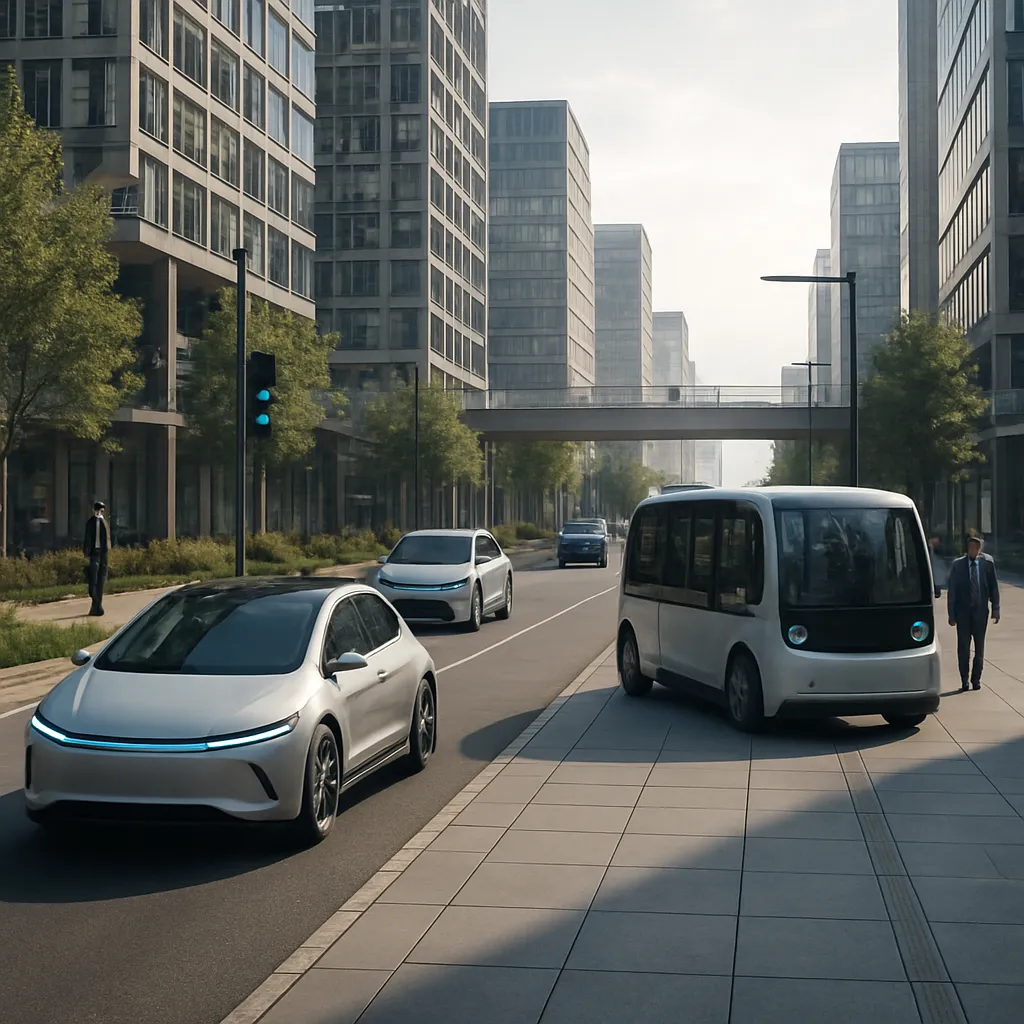
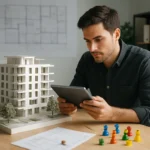
Smart buildings do not exist in isolation. They form intricate nodes within sprawling city ecosystems. Urban planners leverage digital twins—virtual replicas of neighborhoods and transit networks—to forecast the ripple effects of new developments. By running high-fidelity simulations, they assess pedestrian circulation, microclimate alterations and carbon footprints before breaking ground.
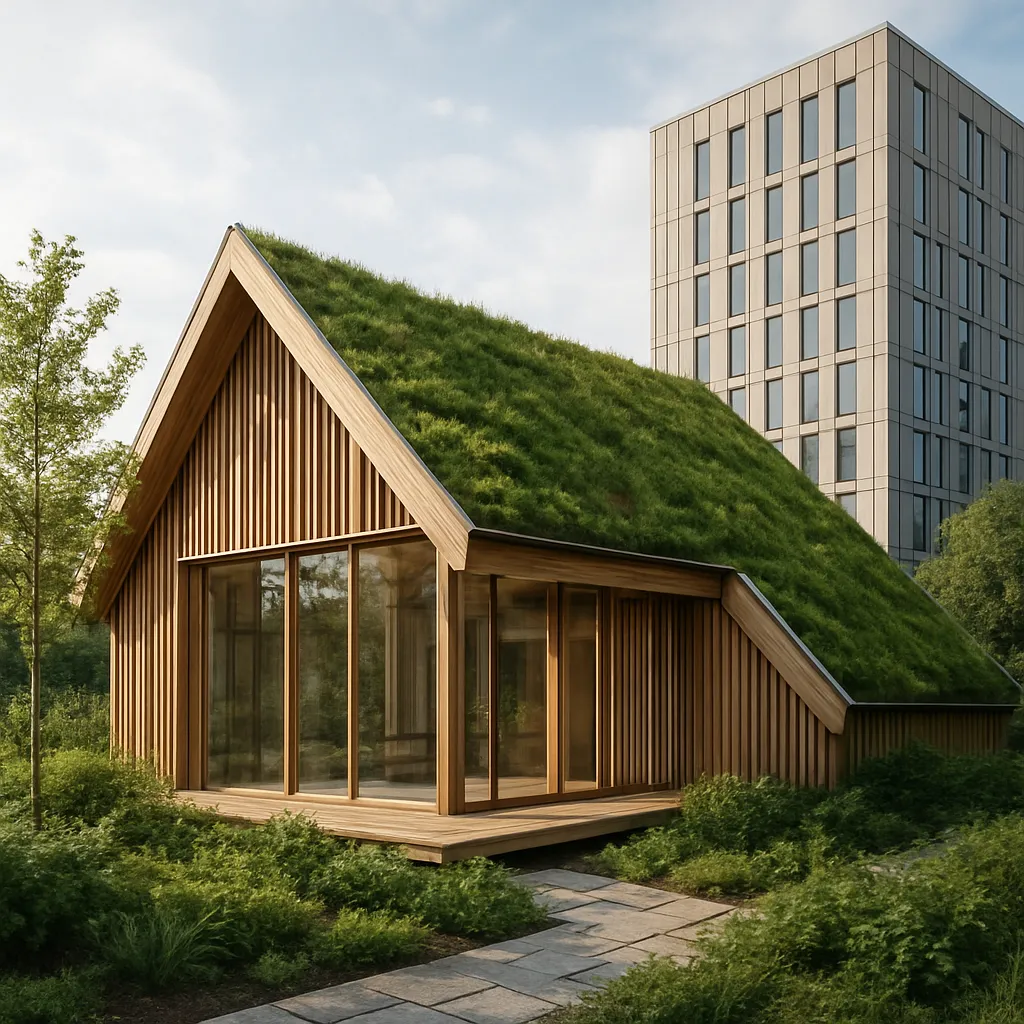
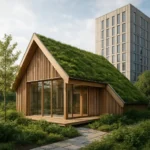
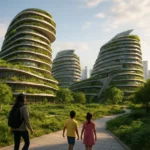
The emphasis on sustainability permeates every decision. Green corridors, vertical gardens and rooftop farms integrate with sensor-driven irrigation systems, reducing water consumption by detecting soil moisture levels. Waste management is optimized through pneumatic tube networks, automatically sorting recyclables and compostables at their source. Public spaces adapt to usage patterns; benches equipped with weight sensors signal maintenance crews to clear debris or restock amenities.
Crucially, the user experience remains central. Occupants navigate buildings via augmented-reality overlays that guide them to free workstations, available conference rooms or nearest e-vehicle charging stations. Personalized climate zones adjust temperature and airflow based on individual preferences stored in secure cloud profiles. This hyper-personalization fosters well-being, productivity and a profound sense of connection between people and the built environment.
Looking ahead, the synergy of these technologies promises to redefine our urban landscapes. By embracing smart sensors, data analytics, adaptive materials and human-centric design principles, we can build cities that are not only efficient and resilient but also enriching spaces that respond to the evolving aspirations of their inhabitants.