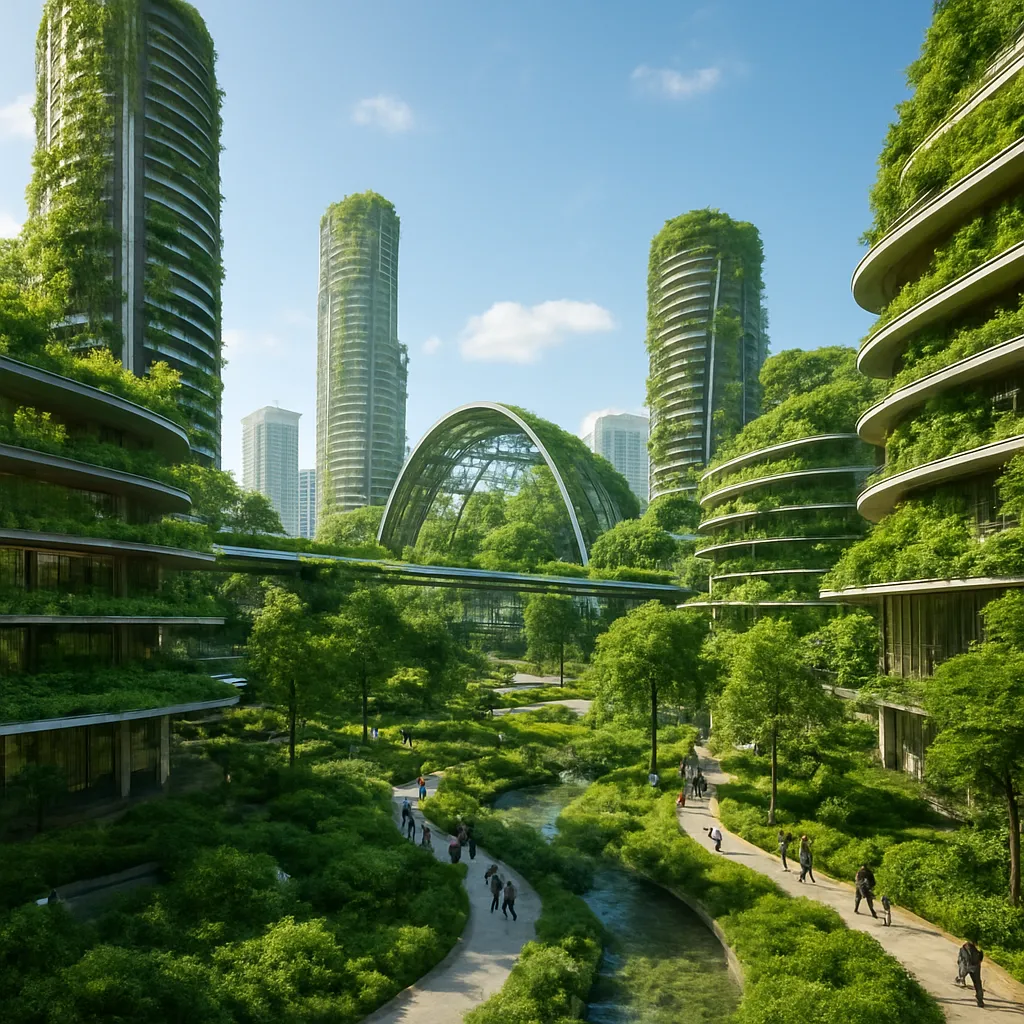
Amid concrete canyons and steel monoliths, the vision of a city reclaimed by nature takes shape through revolutionary design strategies. Futuristic urban planning no longer views skyscrapers and green spaces as opposing forces. Instead, it embraces the concept of **regeneration**, weaving together advanced **technologies** and the living world to create thriving ecosystems in the heart of metropolitan areas. From floating botanical habitats to self-sustaining vertical forests, this movement reimagines every facet of city life—transportation hubs, residential complexes, and public plazas—as networks of **resilience** and ecological exchange. The following sections explore the groundbreaking approaches that are charting a new course for tomorrow’s cities.
Reshaping Urban Landscapes with Green Innovations
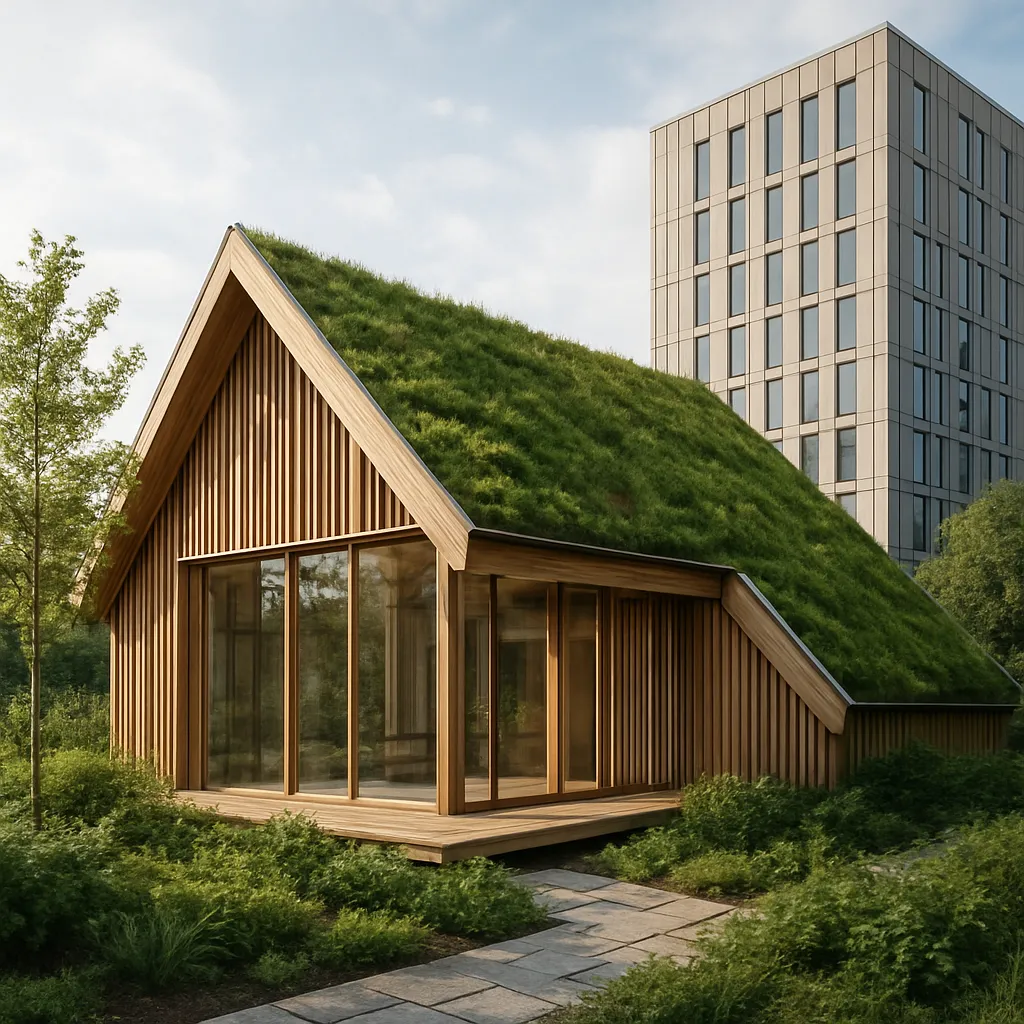
In the relentless pursuit of growth, many cities have sacrificed soil and streams for pavement and pollution. Futuristic architects are reversing that trend by integrating **biophilic** design principles at every scale. Imagine elevated highways enveloped in leafy canopies, where electric air taxis glide above a lattice of suspended gardens. These aerial greenways serve dual purposes: they lower ambient temperatures through natural shading and filter airborne contaminants via living foliage. By transforming infrastructure into dynamic, breathing systems, cities gain not only aesthetic appeal but also functional **sustainability**.
- Floating Wetland Platforms: Modular islands that drift along urban waterways, filtering toxins and providing habitat for birds and fish.
- Regenerative Facades: Building exteriors coated in microbial biofilms that absorb carbon dioxide and slowly convert it into harmless compounds.
- Photovoltaic Canopies: Solar panels integrated with ground-cover plantings, maximizing renewable energy while supporting urban biodiversity.
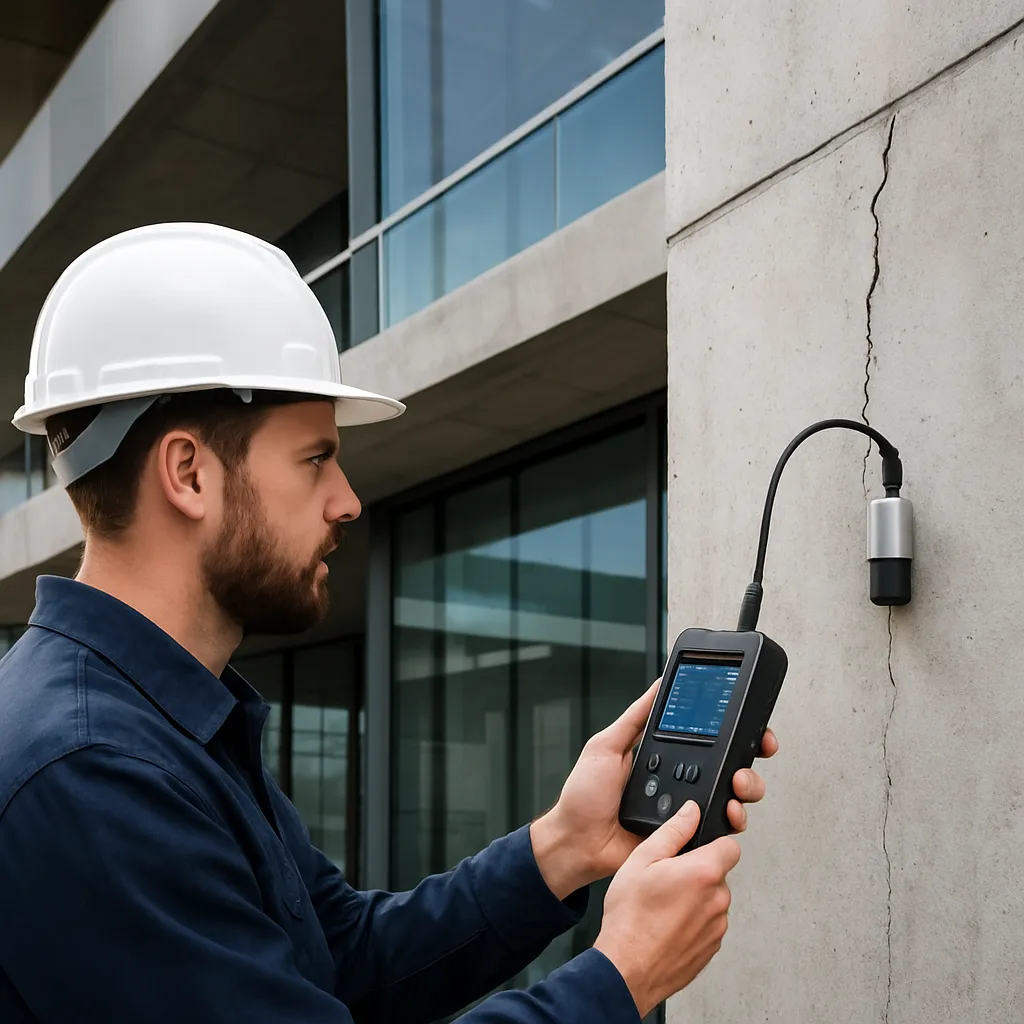
Such innovations rely on smart materials—self-healing concrete that reacts to cracks with an embedded bacterial culture, or transparent solar glass that transforms every window into an energy generator. By fusing material science with nature-inspired processes, designers are creating structures capable of **adaptation** and environmental synergy.
Integrating Biodiversity and Architecture
Traditional architecture often alienates humans from the environment, but cutting-edge projects place the natural world at the core of the built environment. Architects collaborate with ecologists to map species migration patterns, ensuring that high-rises double as vertical corridors for pollinators and small mammals. Green **corridors** snake through districts, linking rooftop apiaries to ground-level parks and urban farms. As a result, native flora thrives alongside food crops, creating pockets of **biodiversity** that boost ecological health and urban food security.
Vertical Forest Towers
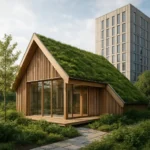
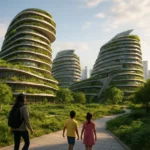
Cities such as Milan and Singapore have pioneered the concept of tower blocks covered in tens of thousands of trees and shrubs. These “living skyscrapers” provide shade, oxygen, and sound insulation while absorbing particulate matter. Futurist architects are taking the idea further by engineering aerodynamic tree canopies that channel wind for natural ventilation, reducing dependence on mechanical cooling systems.
Subterranean Eco-Stations
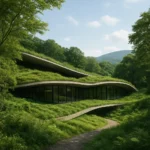
Below ground, former metro tunnels are being repurposed into subterranean habitats for mushrooms, ferns, and amphibians. These cool, humid spaces maintain stable microclimates ideal for delicate species displaced by urban sprawl. By connecting these eco-stations with surface greenways through vertical shafts, designers foster multi-level ecosystems that function in harmony with city life.
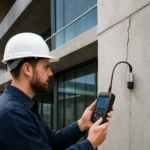
Integrating living matter into built forms demands sophisticated monitoring systems. Embedded sensors track soil moisture, nutrient cycling, and plant health, while AI-driven management platforms adjust irrigation and lighting in real time. This networked approach turns each building into a microcosm of **resilience**, where ecological functions are as critical as structural loads.
Smart Technologies and Community Coexistence
Mass urbanization poses challenges to social equity, but futuristic green design addresses both environmental and human well-being. Smart plazas equipped with responsive canopies modulate solar exposure based on foot traffic and weather conditions, offering shade during heatwaves and capturing rainwater for greywater systems. Interactive digital walls display local biodiversity data, educating residents while celebrating urban nature’s **innovation**.
- Urban Beehive Clusters: AI-mapped hives that monitor bee health, temperature, and honey production, fostering pollinator populations in city cores.
- Bioswale Streetscapes: Roadside plant beds engineered to absorb stormwater, filtering pollutants and preventing sewage overflow.
- Augmented Reality Green Trails: Mobile-guided routes that layer historical and ecological information over real-world green spaces, promoting environmental stewardship.
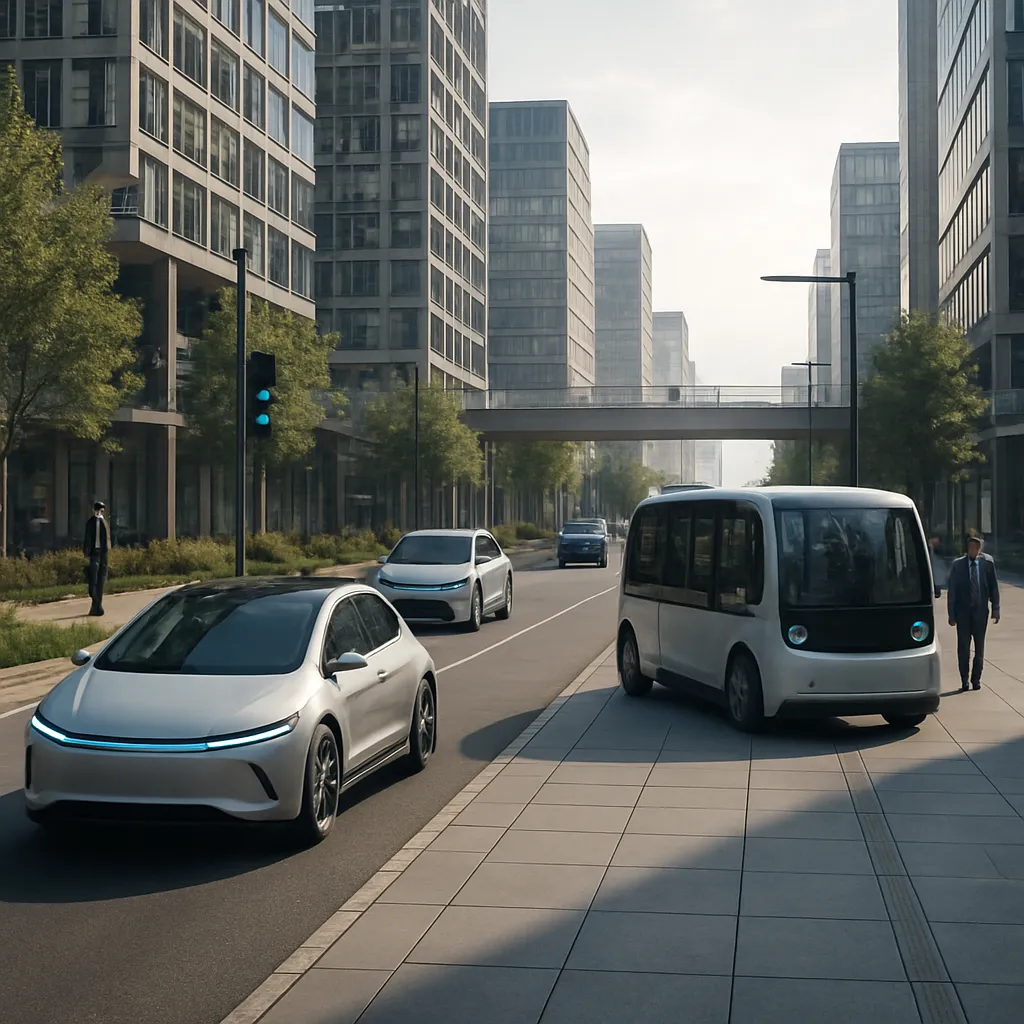
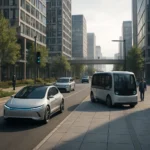
Transportation networks are also undergoing a green metamorphosis. Solar-charged autonomous trams weave through tree-lined avenues, while submerged pneumatic tubes whisk goods and recyclables across districts with zero emissions. By embedding **resilience** thinking into mobility planning, cities minimize ecological footprints and engender a profound sense of community ownership over shared green assets.
Adaptive Reuse and Heritage Conservation
Futuristic urban regeneration often starts with the bones of the past. Abandoned factories, disused rail yards, and historic warehouses find new life as mixed-use hubs that encapsulate a city’s cultural identity. Instead of razing these landmarks, architects retrofit them with **smart** insulation, vertical gardens, and rainwater harvesting systems, creating vibrant spaces where art, commerce, and nature intersect.
Industrial Bio-Parks
Once gritty manufacturing zones are becoming experimental landscapes where biotech firms grow algae for biofuels and artisan farmers cultivate exotic mushrooms. Bioreactors occupy former assembly lines, while former smokestacks transform into habitat towers for peregrine falcons and swifts. This convergence of industry and ecology exemplifies the **regenerative** ethos driving 21st-century urbanism.
Historic Greenhouses Reimagined
Glass conservatories, relics of colonial-era botany projects, are being retooled as climate-controlled urban farms. These structures leverage their high ceilings and transparent panels to produce staple crops year-round, reducing food miles and injecting fresh produce directly into local markets. By fusing heritage architecture with futuristic **sustainability**, cities cultivate both cultural pride and self-reliance.
Collaborative Governance for Ecological Cities
Technological prowess alone cannot usher in a new era of **urban ecosystems**. Equitable governance and community engagement are vital to ensuring that futuristic green design benefits all residents. Participatory platforms invite citizens to co-create neighborhood biophilic installations, vote on tree species for public avenues, and volunteer in community-run greenhouses. Such inclusive initiatives anchor the long-term success of rewilding projects by fostering a shared sense of responsibility.
Municipal governments are forging partnerships with universities, non-profit organizations, and private stakeholders to fund experimental pilot programs. These cross-sector collaborations accelerate innovation by merging academic research on urban ecology with entrepreneurial agility and civic oversight. The result is a living laboratory where the frontiers of **innovation** and environmental stewardship converge to shape cities that are vibrant, equitable, and regenerative.