




The convergence of cutting-edge **sustainability** principles and visionary urban planning has given rise to a new era of architectural innovation where **luminous** environments are not merely decorative but actively enhance the functionality and well-being of city dwellers. Smart lighting systems have evolved into pivotal elements within **futuristic** urban design, offering unparalleled levels of **automation**, **efficiency**, and adaptability. This article explores the intersection of these **dynamic** lighting solutions with the broader realms of **futuristic** architecture, examining technological breakthroughs, design philosophies, and real-world implementations that shape the cities of tomorrow.
The Fusion of Lighting and Futuristic Architecture
Architects and urban planners are now envisioning buildings and public spaces as responsive entities, capable of transforming their visual and environmental character in real time. The seamless **integration** of smart lighting into façades, streetscapes, and interiors transforms static structures into living organisms that communicate with inhabitants and adapt to shifting needs. By embedding advanced **sensors** and control systems, these architectural marvels transcend traditional boundaries, creating immersive atmospheres that react to ambient conditions, cultural events, and human traffic patterns.
Responsive Façades and Interactive Surfaces
One of the most striking examples of this evolution is the use of LED-rich building skins that adjust color, intensity, and pattern based on data inputs. These façades can:
- Display dynamic artwork aligned with local festivals or environmental awareness campaigns
- Modulate brightness to reduce light pollution and conserve energy during off-peak hours
- Respond to weather conditions, providing visual cues for rain, fog, or temperature changes
By turning structural exteriors into **interactive** canvases, architects celebrate the potential of light as both a functional utility and a medium for cultural expression.
Human-Centric Design and Well-Being
Futuristic architecture places occupants at the heart of design. Smart lighting systems support circadian health by mimicking natural daylight cycles. During morning hours, cooler, blue-tinged light stimulates alertness, while warmer, amber hues in the evening prepare the body for rest. Enhanced by **analytics** platforms, these systems learn usage patterns and refine schedules to optimize comfort and productivity. The outcome is an environment where artificial illumination not only aids visibility but also nurtures mental and physical **well-being**.
Innovative Smart Lighting Technologies
At the core of smart urban illumination lies a suite of technological advancements that enable precise control, data-driven insights, and unprecedented efficiency. From networked LED nodes to AI-powered controllers, each component plays a crucial role in orchestrating complex lighting scenarios across vast cityscapes.
Mesh Networking and Distributed Control
Traditional wired lighting circuits are being replaced by wireless, mesh-based architectures that offer flexibility and resilience. Every light fixture acts as a node, relaying information and commands across the network. This approach allows:
- Efficient scaling of infrastructure without extensive underground cabling
- Automatic rerouting of commands when individual nodes require maintenance
- Granular dimming and color adjustments on a fixture-by-fixture basis
The result is a **robust**, self-healing system that simplifies installation and ongoing management, reducing both labor costs and environmental disruptions.
Artificial Intelligence and Predictive Adaptation
Machine learning algorithms analyze streams of data from motion detectors, weather stations, and mobile devices to forecast usage demands. By anticipating pedestrian flows and vehicular traffic, AI can preemptively adjust illuminance levels, thereby:
- Minimizing energy consumption during low-activity periods
- Ensuring maximum visibility and safety when and where it’s needed most
- Adapting color temperatures to suit special events or emergency scenarios
This **automation** not only delivers **efficiency** gains but also enhances public safety and ensures resources are allocated intelligently throughout the urban fabric.
Energy Harvesting and Off-Grid Operation
Future-forward lighting installations are increasingly self-sufficient. Solar-integrated poles, kinetic pavements, and piezoelectric flooring harvest ambient energy to power LED systems. Key benefits include:
- Reduced reliance on grid electricity and lower operational costs
- Enhanced resilience during power outages and natural disasters
- Promotion of renewable energy initiatives within city-wide sustainability goals
By converging renewable energy sources with smart controls, these solutions exemplify a holistic approach to **sustainability** and urban resilience.
Implementation in Urban Landscapes
The deployment of smart lighting is most visible in public spaces—from bustling downtown corridors to newly designed mixed-use districts. Strategic integration ensures that illumination not only serves aesthetic ambitions but also promotes inclusivity, safety, and environmental stewardship.
Streetscapes and Transit Hubs
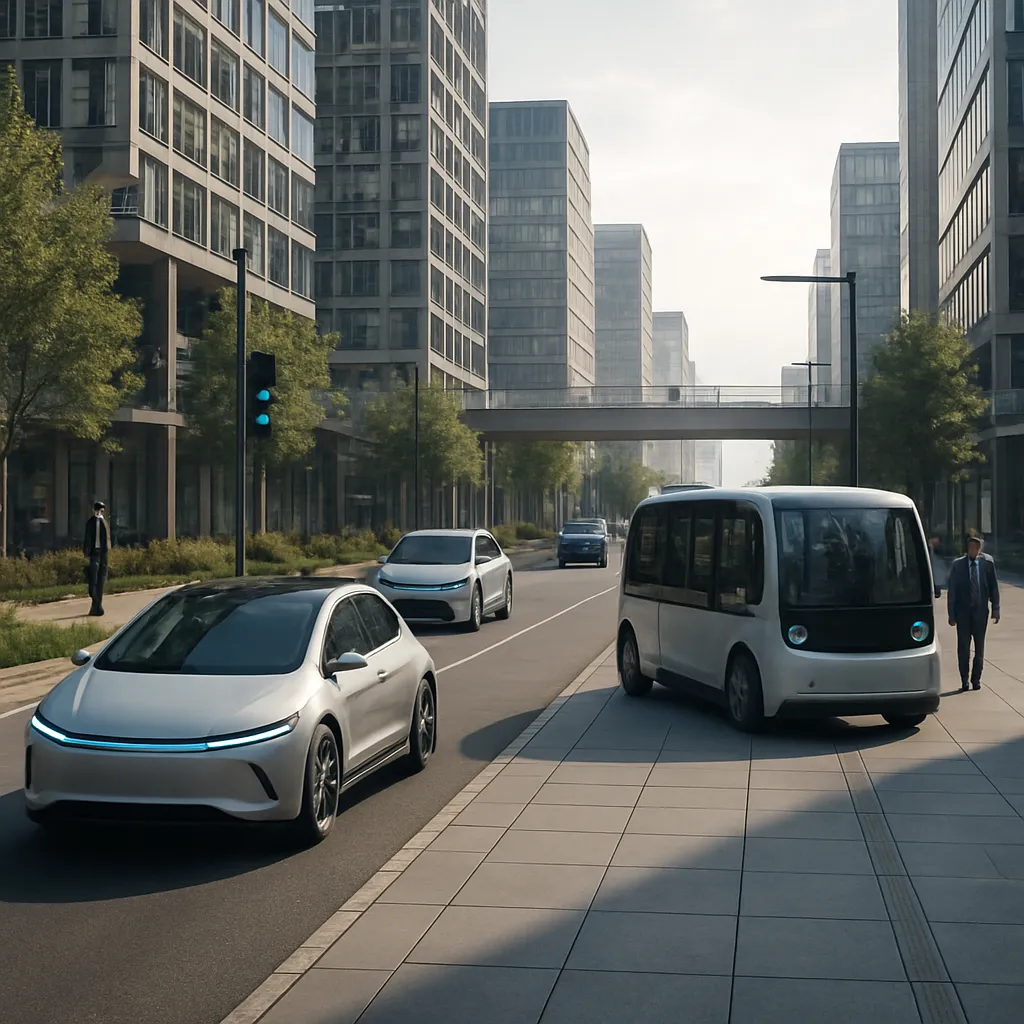
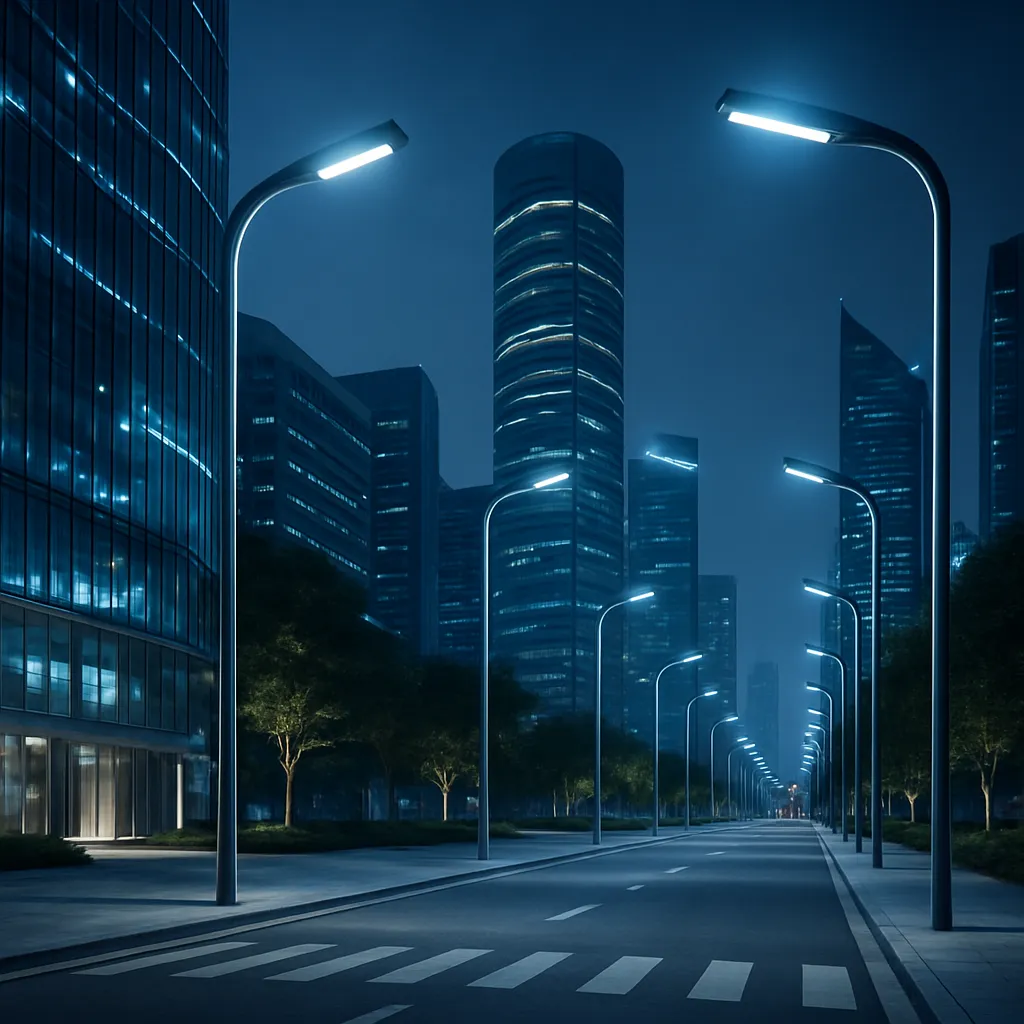
Dynamic light installations in transportation nodes create visually engaging experiences while improving navigability. In underground metro stations, programmable ceilings ripple with patterns that correspond to train arrival times, guiding commuters intuitively. Street-level applications include:
- Adaptive sidewalk lighting that follows pedestrians to deter crime and enhance comfort
- Bus shelters equipped with ambient sensors that adjust brightness based on crowd density
- Crosswalk illumination that flashes or pulses, giving drivers clearer warnings during night hours
These measures are not mere novelties but reflect a cohesive strategy to merge **technology**, **safety**, and user-centric design.
Green Spaces and Cultural Plazas
Parks and open-air venues benefit immensely from tailored lighting schemes that emphasize architectural features, landscaping, and public art. Smart fixtures can highlight tree canopies in shifting hues or spotlight sculptural installations, creating an ever-changing tapestry of light and shadow. By integrating environmental sensors, care teams can also monitor soil moisture, air quality, and temperature—ensuring that **adaptive** lighting supports both human enjoyment and ecological health.
Residential and Mixed-Use Districts
In the context of high-density living, smart lighting extends beyond public roads into communal courtyards, walkways, and building lobbies. Residents enjoy personalized settings controlled via smartphone apps, voice commands, or gesture interfaces. Shared amenities—such as rooftop gardens—feature circadian lighting cycles that sync communal activities like morning yoga or evening social gatherings. This level of customization fosters a strong sense of community while demonstrating how **integration** of light and architecture can elevate everyday experiences.
Challenges and Future Directions
While the potential of smart lighting is vast, several hurdles must be addressed to realize fully **autonomous**, city-wide deployments:
- Data privacy concerns when collecting urban analytics
- High upfront costs for cutting-edge components and installation
- Maintenance complexities in large-scale wireless networks
Nevertheless, ongoing research in low-power communications, decentralized AI, and modular hardware promises to lower these barriers. Collaborative frameworks among municipalities, technology providers, and design firms are evolving to share best practices, standardize protocols, and fund pilot projects. As urban populations grow and resource constraints tighten, smart lighting will remain a cornerstone of **futuristic** architecture—illuminating not only streets but also the path toward smarter, more sustainable cities.