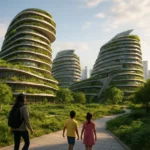

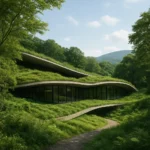


As cities evolve, the dialogue between the vestiges of the past and the visions of tomorrow gains unprecedented momentum. Futuristic architecture is not merely about gleaming towers or gravity-defying forms; it embodies a profound commitment to sustainability, cultural heritage, and human-centric design. By weaving together cutting-edge technology and traditional wisdom, architects and conservationists forge environments that honor identity while propelling communities toward a resilient future.
Synergy Between Tradition and Innovation
Embracing cultural legacy requires a delicate balance: preserving time-honored materials and craftsmanship while integrating novel systems that respond to contemporary needs. This chapter explores how futuristic design strategies can celebrate heritage without resorting to mere imitation or superficial ornamentation.
Adaptive Reuse with Advanced Materials
Adaptive reuse breathes life into historic structures by merging them with innovative building components. Imagine an Ottoman-era caravanserai reinforced with self-healing concrete or a medieval fortress retrofitted using carbon-fiber retroreflective panels. By repurposing existing walls and foundations, architects minimize waste, honor ancestral techniques, and reduce the carbon footprint of new construction.
- Green envelopes that adjust opacity to control solar gain and highlight original stonework
- Nanocoatings shielding wooden beams from moisture and insect damage
- 3D-printed inserts replicating eroded carvings with laser-level precision
Digital Twin and Immersive Experiences
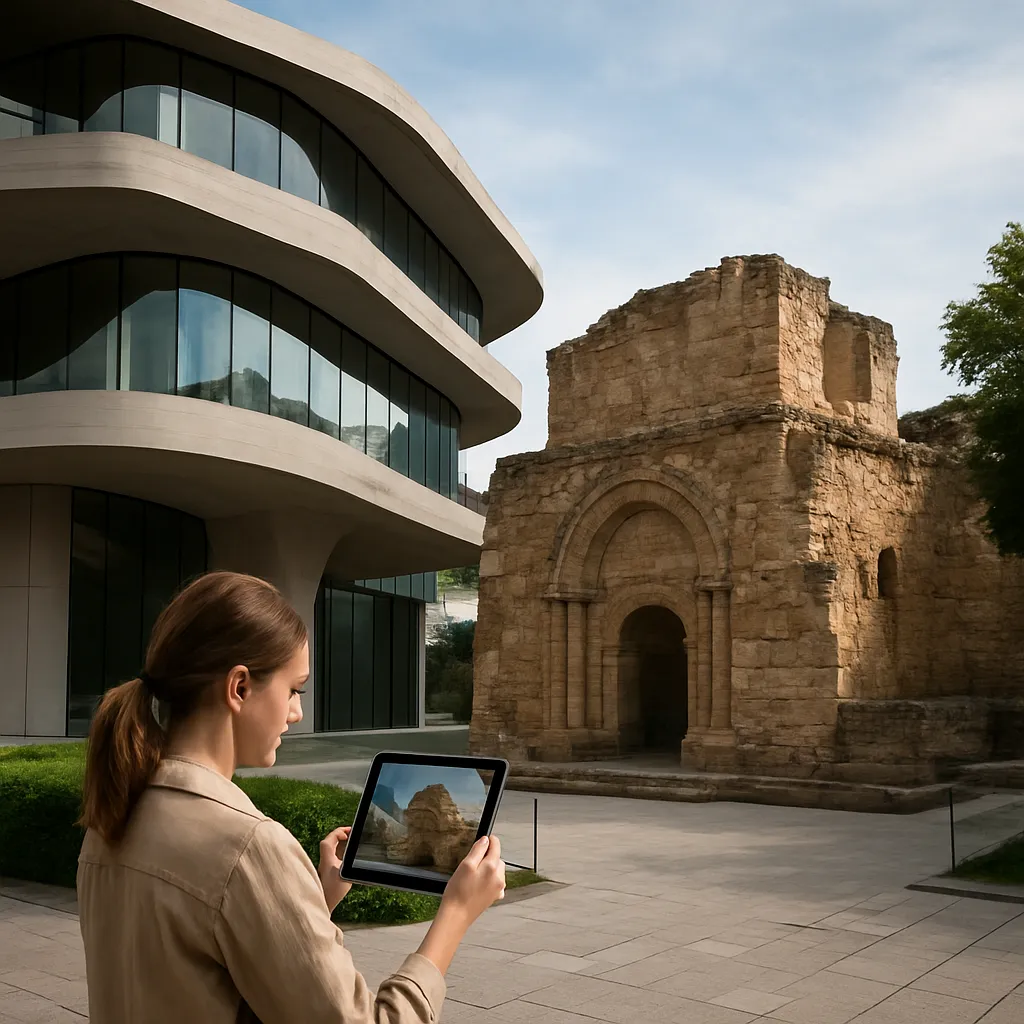
Creating a digital twin of a heritage site enables stakeholders to simulate environmental impacts, test structural interventions, and visualize restoration outcomes. Virtual reality (VR) tours recreate vanished frescoes in a Byzantine church, while augmented reality (AR) overlays reveal centuries of renovations on a Mughal palace. These immersive platforms invite the public to traverse time, forging emotional connections and cultivating advocacy for preservation.
Smart Technologies for Conservation
Advances in sensors, machine learning, and robotics are redefining conservation methodologies. Rather than relying solely on manual inspection and reactive repair, futuristic architecture employs proactive monitoring systems and predictive analytics to safeguard landmarks against natural disasters, pollution, and aging.
IoT and Structural Health Monitoring
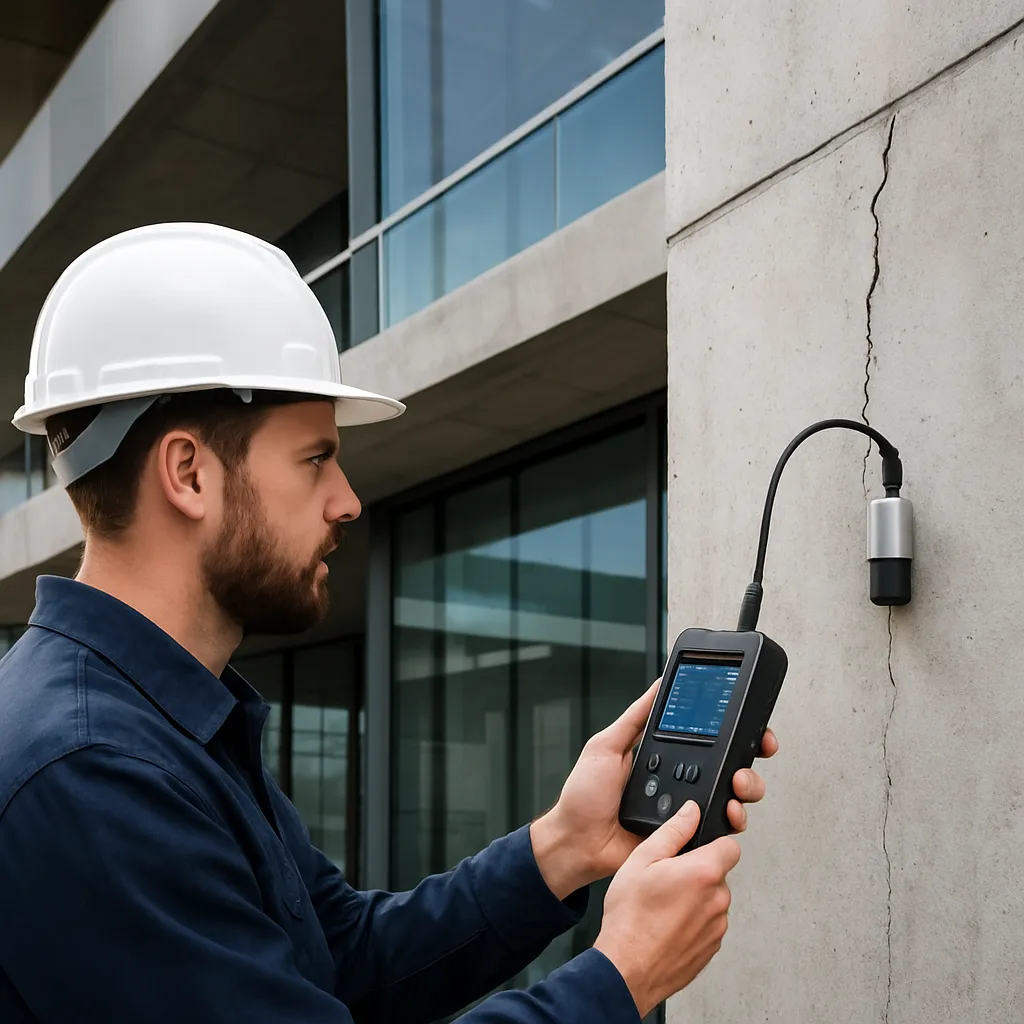
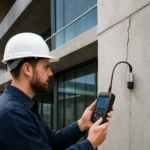
Embedding Internet of Things (IoT) devices within historic edifices enables real-time tracking of temperature, humidity, vibration, and load stresses. A Gothic cathedral’s flying buttresses can be fitted with strain gauges that report minute shifts during storms. Data streams feed into cloud-based models, triggering alerts when thresholds exceed safety margins. This data-driven approach ensures timely interventions and extends the lifespan of iconic structures.
AI in Artifact Reconstruction
Artificial intelligence algorithms analyze patterns in surviving fragments to complete missing elements of sculptures, reliefs, and architectural details. Generative adversarial networks (GANs) produce multiple reconstruction scenarios, each weighted by historical plausibility. Curators can then select the version aligning with archival records or cultural narratives. This process not only restores visual integrity but also deepens our understanding of ancestral design principles.
Community Engagement and Cultural Identity
Preservation is as much a social endeavor as a technical one. Futuristic architecture reimagines participatory frameworks that amplify local voices, reinforce collective memory, and foster stewardship across generations.
Participatory Design Platforms
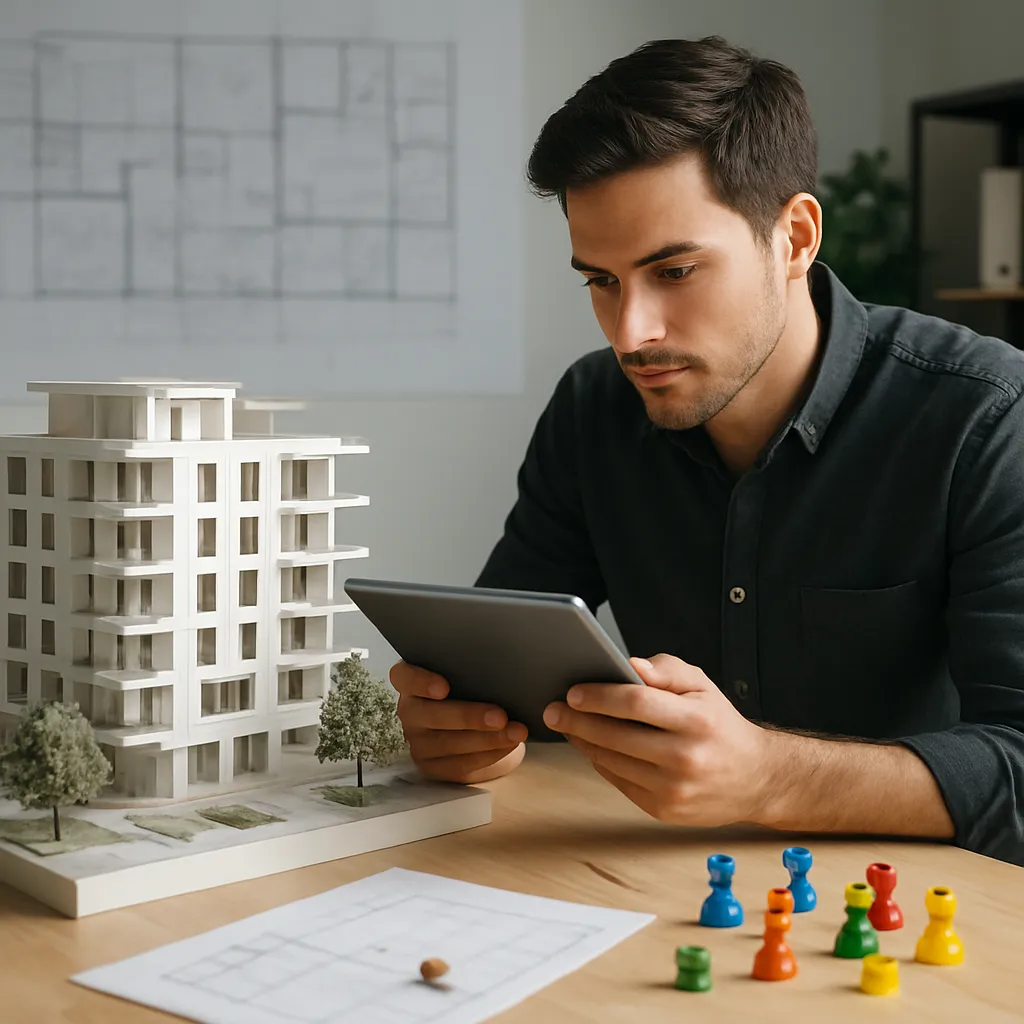
Digital platforms and interactive workshops democratize architectural decision-making. Residents of a historic quarter collaborate with architects via cloud-based modeling tools, suggesting modifications that respect vernacular aesthetics while integrating smart systems. Through live polls, community members prioritize preservation goals—be it safeguarding street art, rehabilitating traditional markets, or establishing green corridors that echo ancient trade routes.
- Crowdsourced mapping of intangible heritage: festivals, oral histories, rituals
- Virtual charrettes where users sketch prototypes of adaptive façades
- Blockchain-based tokenization of heritage landmarks to fund restoration
Education through Virtual Heritage
Engaging younger generations demands novel pedagogical methods. Virtual heritage classrooms transport students into meticulously reconstructed palaces, temples, and dwellings. Haptic feedback gloves allow tactile exploration of sculpted columns or woven textiles. By forging multisensory encounters, futurist architects and educators instill reverence for cultural patrimony and spark aspirations for innovative conservation careers.
Embracing the frontier of architecture means acknowledging that the soul of a city resides in its history. Through the convergence of futuristic architecture, advanced materials, and community empowerment, we chart a course where each restored monument and adaptive reuse project stands as a testament to human ingenuity and shared heritage.