






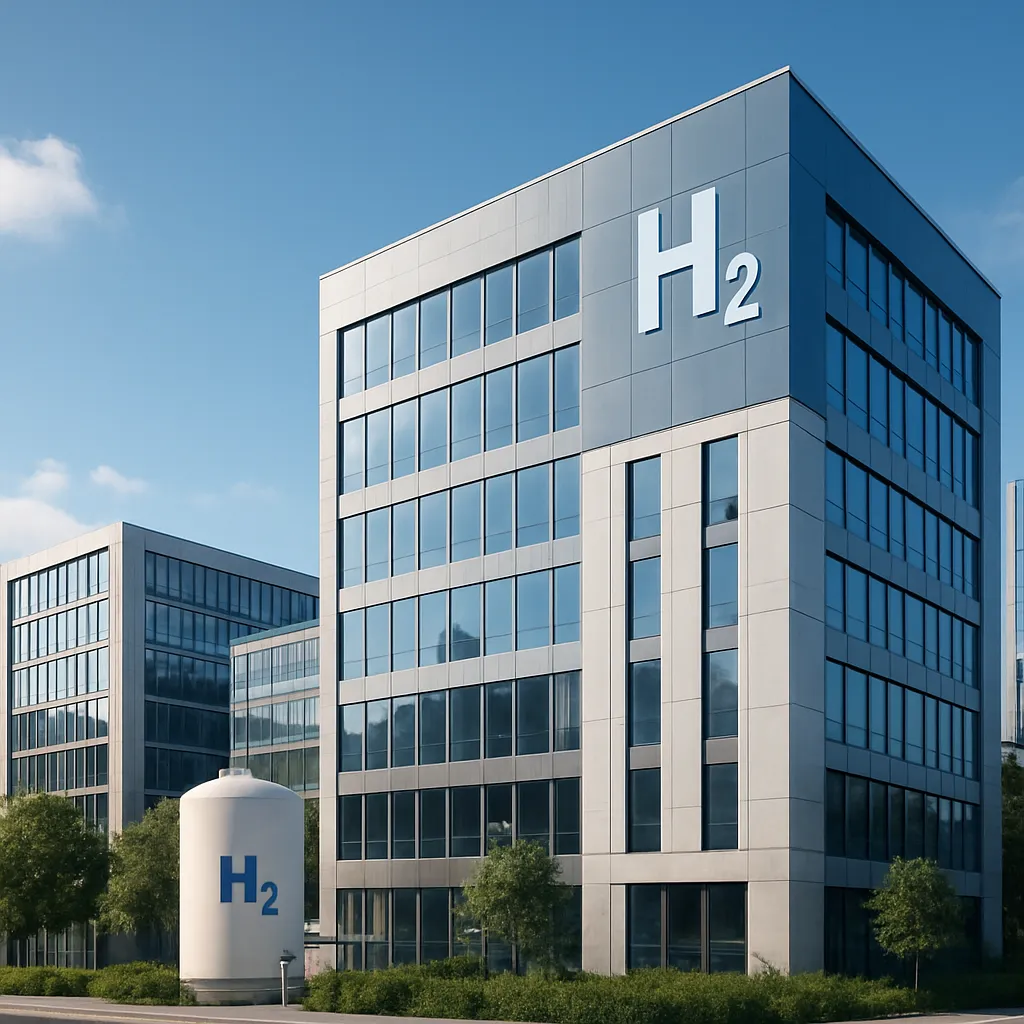
Across the horizon of modern architecture, a transformative energy source is reshaping the way buildings are conceived, designed, and operated. The emergence of hydrogen-powered structures introduces a paradigm shift toward cleaner, quieter, and ultra-efficient environments. Integrating hydrogen technologies into commercial and residential projects unlocks new potentials for sustainability, operational efficiency, and design innovation, ensuring structures not only serve their occupants but also the broader ecosystem.
Hydrogen: The Fuel of Tomorrow in Architecture
As urban centers expand and energy demands soar, architects and engineers are hunting for alternatives to fossil fuels. Hydrogen, with its high energy density and near-zero carbon emissions at the point of use, emerges as a front-runner. Unlike conventional power sources, hydrogen can be produced through multiple pathways—electrolysis of water powered by renewables, biomass gasification, or even sunlight-driven photolytic processes—offering unparalleled flexibility in energy sourcing. The integration of hydrogen into building systems transforms façades, rooftops, and service cores into living laboratories where generation, storage, and utilization converge.
Fuel cells become the heart of these installations, converting hydrogen into electricity with remarkable quietness and minimal waste heat. The residual heat can be recaptured for space heating or domestic hot water, driving a dual benefit that maximizes resource utilization. When paired with advanced thermal storage and high-performance insulation, buildings can maintain comfortable internal climates with substantially reduced reliance on external grids, empowering architects to envision self-sustaining communities.
Sustainable Design Strategies
Incorporating hydrogen into the architectural fabric entails a holistic approach that blends form and function. Key strategies include:
- Integration of fuel cell modules within mechanical cores to streamline maintenance and upgrade cycles.
- Use of porous, high-surface-area membranes for efficient hydrogen uptake and distribution.
- Adaptive façades that modulate solar gain and harness excess heat to drive on-site electrolysis during off-peak hours.
- Deploying modular storage vessels, optimized for both liquid and compressed hydrogen states, to balance safety and capacity.
Biomimicry and Envelope Innovations
Drawing inspiration from natural systems, designers are exploring biomimicry to create envelopes that mimic leaf photosynthesis—capturing sunlight to split water molecules and generate hydrogen. These dynamic skins respond to weather patterns, adjusting permeability and thermal resistance in real time. Combined with lightweight composite materials, such envelopes dramatically reduce structural loads while enhancing environmental performance.
Furthermore, the concept of modular plug-and-play hydrogen units empowers rapid deployment and scalability. Developers can standardize core components, from electrolyzers to distribution manifolds, enabling mass customization across diverse typologies—high-rise towers, suburban homes, and even temporary emergency shelters.
Case Studies of Hydrogen-Powered Projects
Several pioneering projects illustrate the potential of hydrogen-driven design:
- The H2 Pavilion in Northern Europe: A demonstration center featuring a roof-integrated photovoltaic array that feeds a 200 kW electrolyzer. Excess hydrogen is stored on-site and used to power the pavilion’s heating and lighting systems during winter months, achieving net-zero operational emissions.
- Tokyo Hydrogen Research Hub: A mixed-use campus where hydrogen buses refuel at a central terminal adjacent to office blocks. Fuel cells embedded in building façades provide backup power during peak demand, while a liquid hydrogen tank underneath the plaza offers emergency resilience.
- GreenTech Office Complex in North America: Offices equipped with micro fuel cell arrays per floor, enabled by a smart grid that dynamically allocates power between hydrogen, solar PV, and battery storage. The facility boasts a 45% reduction in grid draw and qualifies for multiple green building certifications.
These projects highlight the resilience and adaptability of hydrogen systems. When grid failures occur, buildings switch seamlessly to onboard reserves, maintaining critical services without interruption. Emergency shelters deployed after natural disasters can be swiftly assembled with pre-fabricated hydrogen modules, bringing instant power to remote or devastated regions.
Challenges and Future Outlook
Despite its promise, the widescale adoption of hydrogen architecture faces several hurdles. Production and distribution infrastructure must scale up alongside safety protocols to manage high pressures and flammability concerns. Material science needs breakthroughs in robust membranes and leak-proof seals to ensure long-term durability. Moreover, the economics of electrolysis and fuel cell manufacturing must become more competitive against entrenched natural gas systems.
Policy frameworks play a pivotal role in accelerating adoption. Incentives for carbon-free hydrogen, coupled with building code updates that recognize fuel cell integration, will catalyze investment. Public-private partnerships can underwrite pilot projects, highlighting viable business models and stimulating supply chains.
Looking ahead, buildings will evolve into micro-energy hubs, interacting with urban smart grids to optimize renewable inputs and balance demands. Digital twins and AI-driven analytics will continuously refine performance, predicting maintenance needs and adjusting operating parameters. The seamless union of architecture and energy systems heralds an era where structures are not static shelters but active participants in a carbon-neutral urban ecosystem.