






The built environment is undergoing a radical transformation as architects and engineers collaborate to tackle one of the most pressing urban challenges: waste management. By harnessing advanced technologies and embracing visionary design strategies, modern structures can actively participate in resource recovery, recycling, and disposal workflows. This synergy between physical form and operational logic is redefining how cities handle refuse, turning once-passive containers and corridors into dynamic, intelligent systems.
The Intersection of Architecture and Smart Waste Management
Architecture has long shaped human behavior and social organization. Today, it wields new potential as a partner in sustainability efforts, blending aesthetics with functionality in the service of environmental stewardship. Through the synergy of smart sensors, robotics, and adaptive materials, buildings not only shelter occupants but also optimize the lifecycle of discarded materials. Instead of isolated bins and ad hoc collection routes, waste infrastructure becomes seamlessly woven into the very bones of urban fabric.
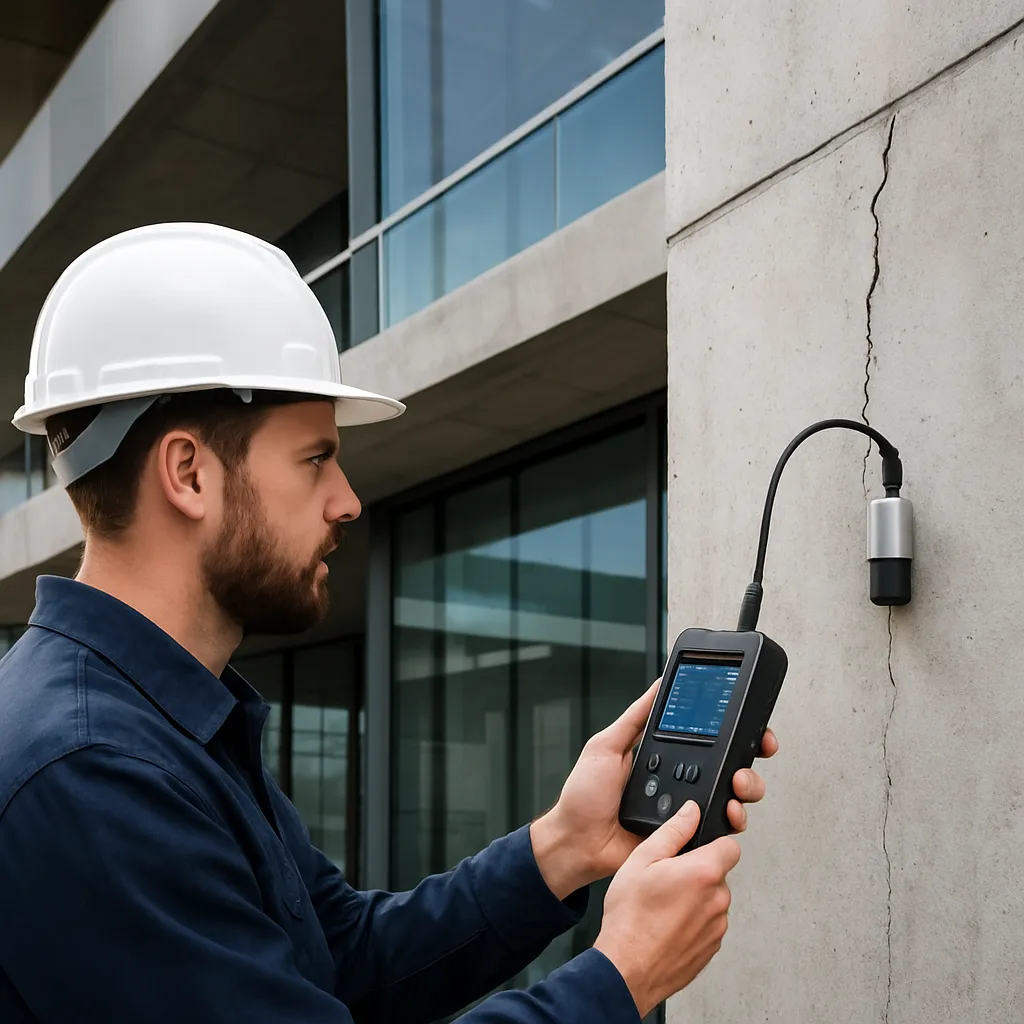
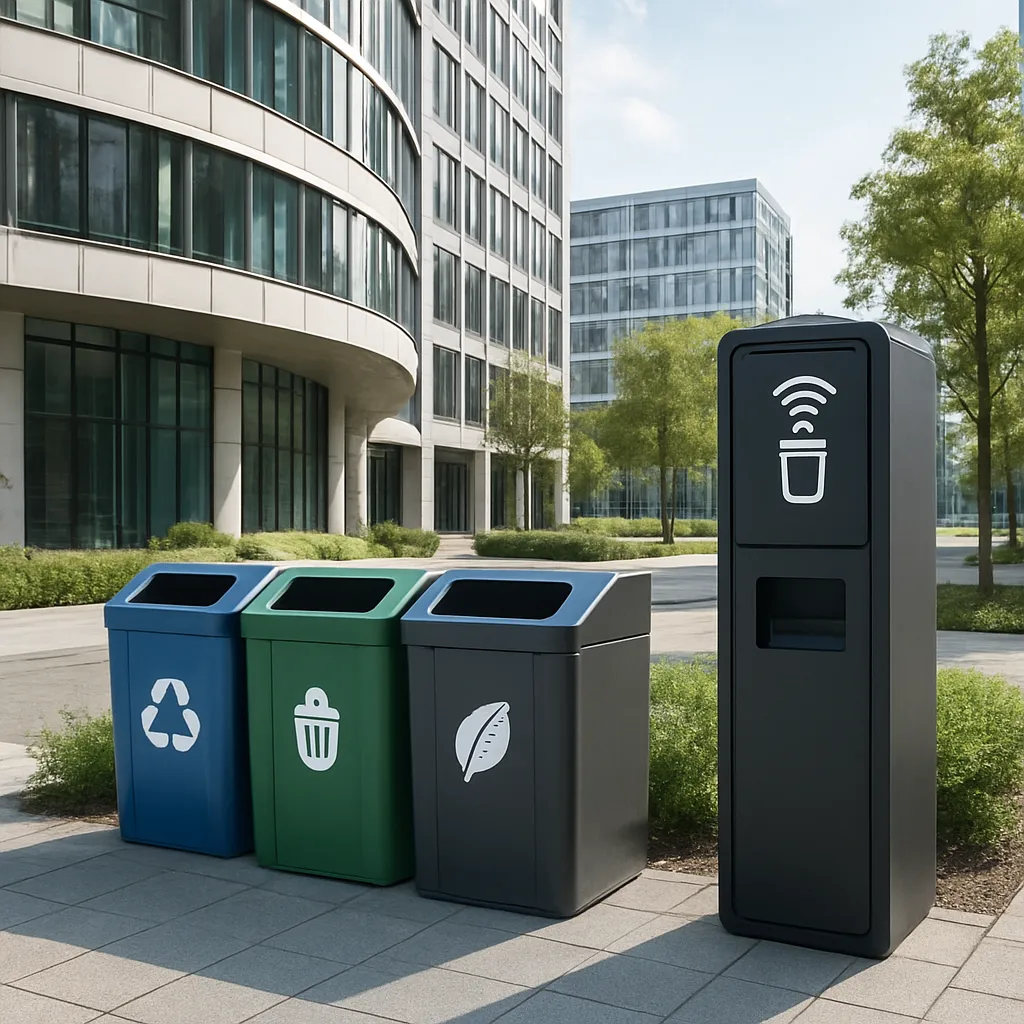
At the heart of this revolution is the shift from static, reactive solutions to data-driven, proactive systems. Embedded sensors monitor fill levels, composition, and contamination in real time. Automated lifts, conveyors, and sorting mechanisms redistribute waste streams with minimal human intervention. The resulting transparency enhances accountability, reduces operational costs, and improves public hygiene. By elevating refuse from a logistical afterthought to an integrated design element, architects can catalyze new modes of urban living.
Key drivers of this integration include:
- Integration of waste handling into architectural volumes, such as multi-story chutes that feed subterranean processing hubs.
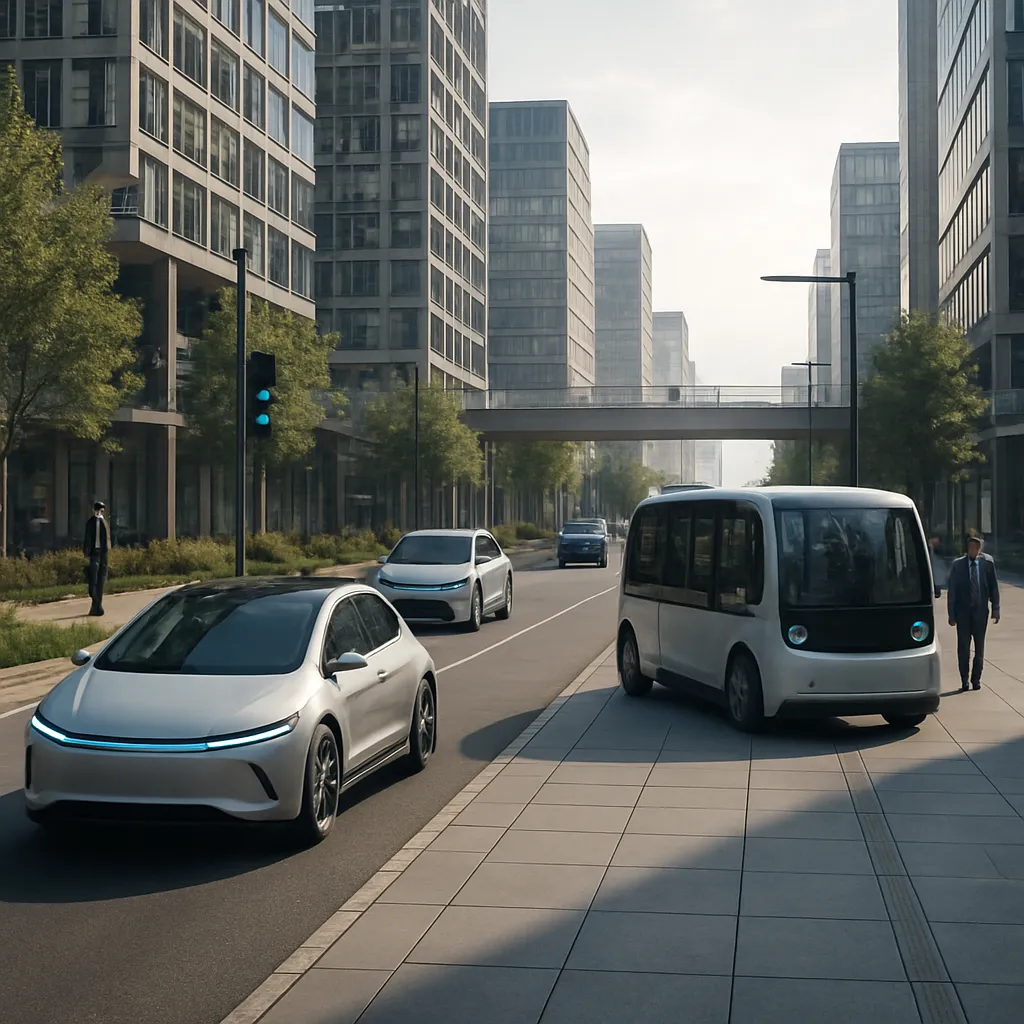
- Use of autonomous vehicles to transport materials along predetermined routes guided by building management systems.
- Real-time analytics that support predictive maintenance and route optimization, fostering optimization of energy and labor.
- Adaptive façades that can expand or contract to house temporary storage modules during peak demand or festivals.
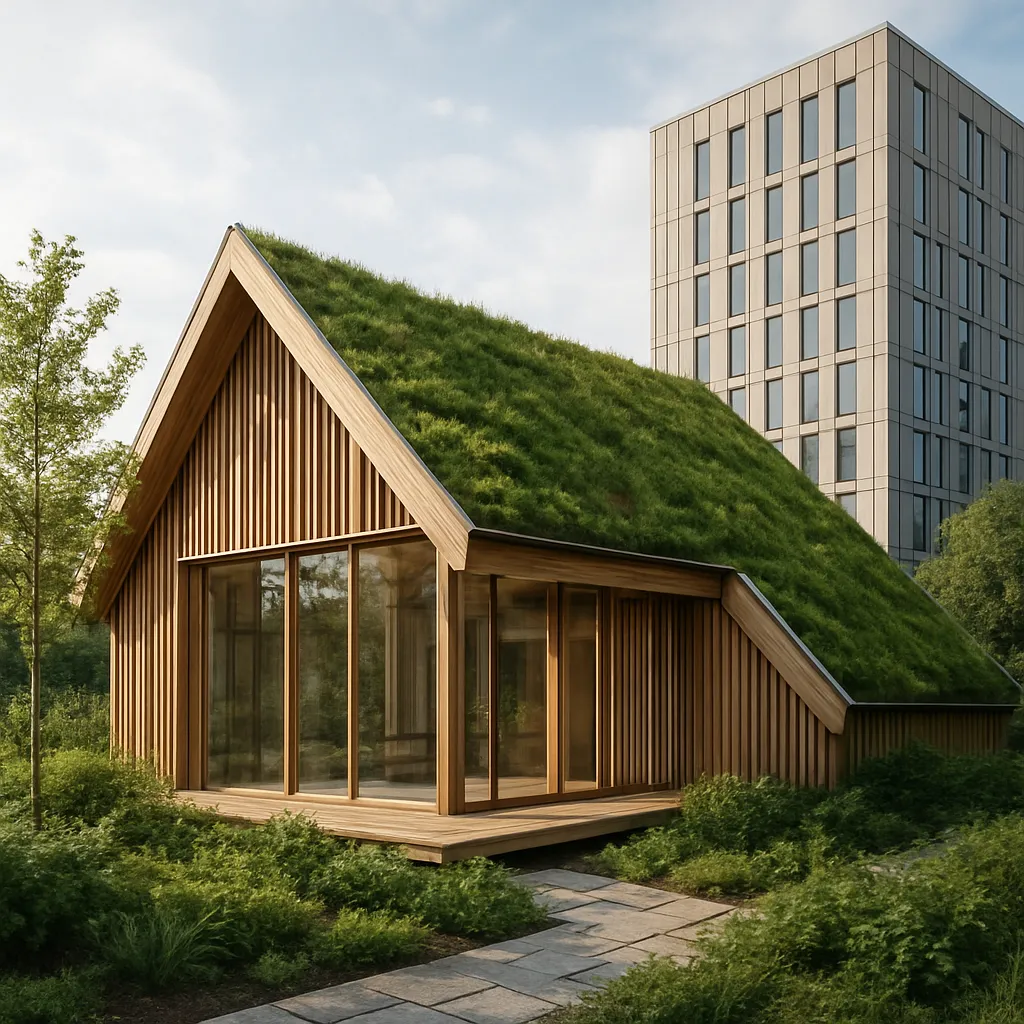
By treating waste management as an intrinsic building function rather than an external service, designers unlock novel spatial and programmatic possibilities. Courtyards transform into sorting gardens, service cores double as recycling labs, and rooftops host bio-digesters that convert organic refuse into energy.
Design Principles for Futuristic Waste Systems
Modular and Adaptive Structures
Modularity lies at the core of resilient, evolvable architecture. Prefabricated waste pods can be slotted into designated recesses within a building’s structure, enabling easy upgrades or replacements as technology advances. Each pod specializes in a particular waste category—glass, plastics, organics, metals—ensuring high-purity streams right at the source. Residents simply deposit items into smart hatches, triggering internal conveyors that transport them to centralized sorting chambers.
Such systems embrace modular adaptability, allowing for:
- Rapid retrofitting in existing buildings without major demolition.
- Customizable configurations aligned with user profiles (e.g., residential, commercial, industrial).
- Scalable expansion to accommodate population growth or new waste categories.
Data-Driven Infrastructure
Smart waste facilities function as living organisms, continuously learning and optimizing. AI algorithms analyze historical disposal patterns to forecast peak loads and automatically adjust collection frequencies. This autonomous intelligence not only prevents overflows but also reduces truck emissions by avoiding empty-haul trips. Networked dashboards aggregate city-wide performance metrics, informing policymakers and stakeholders about recycling rates, contamination hotspots, and potential cost savings.
Core features include:
- Cloud-based platforms that integrate with building management systems, utility grids, and municipal services.
- Machine vision stations that identify and reject non-compliant items before they enter recycling streams.
- Feedback loops providing residents with real-time notifications, gamified incentives, and resource-saving tips.
- Blockchain records ensuring transparent tracking of materials from disposal to end markets, reinforcing a circular economy.
Holistic Resource Recovery
Futuristic waste architectures aim to reclaim value from every material fraction. Innovation in biological and chemical processes is embedded into the built form: anaerobic digesters beneath plazas convert food scraps into biogas, while thermal treatment units capture heat for district heating networks. Porous pavements integrate membranes that filter stormwater runoff, removing microplastics and oils. Even greywater systems can extract microfibers shed from synthetic textiles.
These resilience-enhancing measures illustrate how waste and resource management can coalesce, reducing reliance on virgin materials and fortifying urban systems against supply chain disruptions.
Implementation Strategies and Future Perspectives
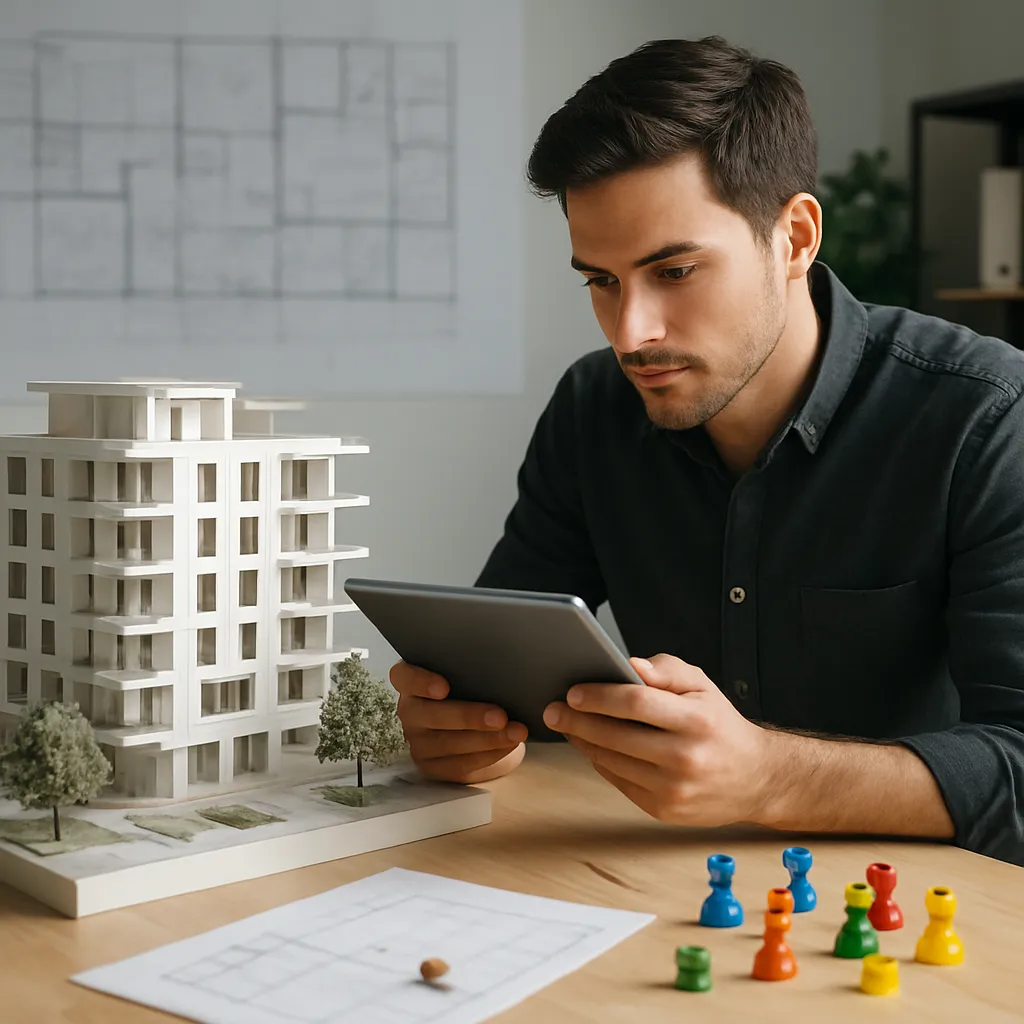
Translating visionary designs into operational realities requires collaboration across disciplines. Successful projects typically follow a phased approach:
- Feasibility studies to map waste flows and stakeholder needs.
- Pilot installations in controlled environments—mixed-use podiums, university campuses, or public parks.
- Feedback-driven iterations that refine hardware, software, and user interfaces.
- City-wide rollouts supported by policy incentives, public education campaigns, and private–public partnerships.
Several pioneering developments illustrate these principles in action:
- A North American mixed-use tower boasting an underground automated retrieval system that sorts recyclables via color-coded bins and pneumatic tubes.
- An Asian metropolis where waste chutes connect high-rise superblocks to central processing hubs, eliminating street-level collection vehicles.
- A European research campus deploying microbial fuel cells within building foundations, generating electricity from organic effluent.
Looking ahead, advances in robotics, nanomaterials, and bioengineering will deepen the union of architecture and waste management. Emerging concepts include:
- Self-healing structures that harness bacterial action on construction debris to generate binding agents.
- Smart façades that change porosity in response to local waste composition, channeling specific fractions toward on-site treatment units.
- Drone-based inspections of waste infrastructure, enabling rapid maintenance and minimizing service interruptions.
Such interventions promise to forge urban environments that are not only visually striking but also materially efficient and ecologically balanced. By embedding intelligence and adaptability into the DNA of our buildings, architects can lead the charge toward cities that produce far less, recover far more, and inspire communities to embrace the ethos of a truly sustainable future.