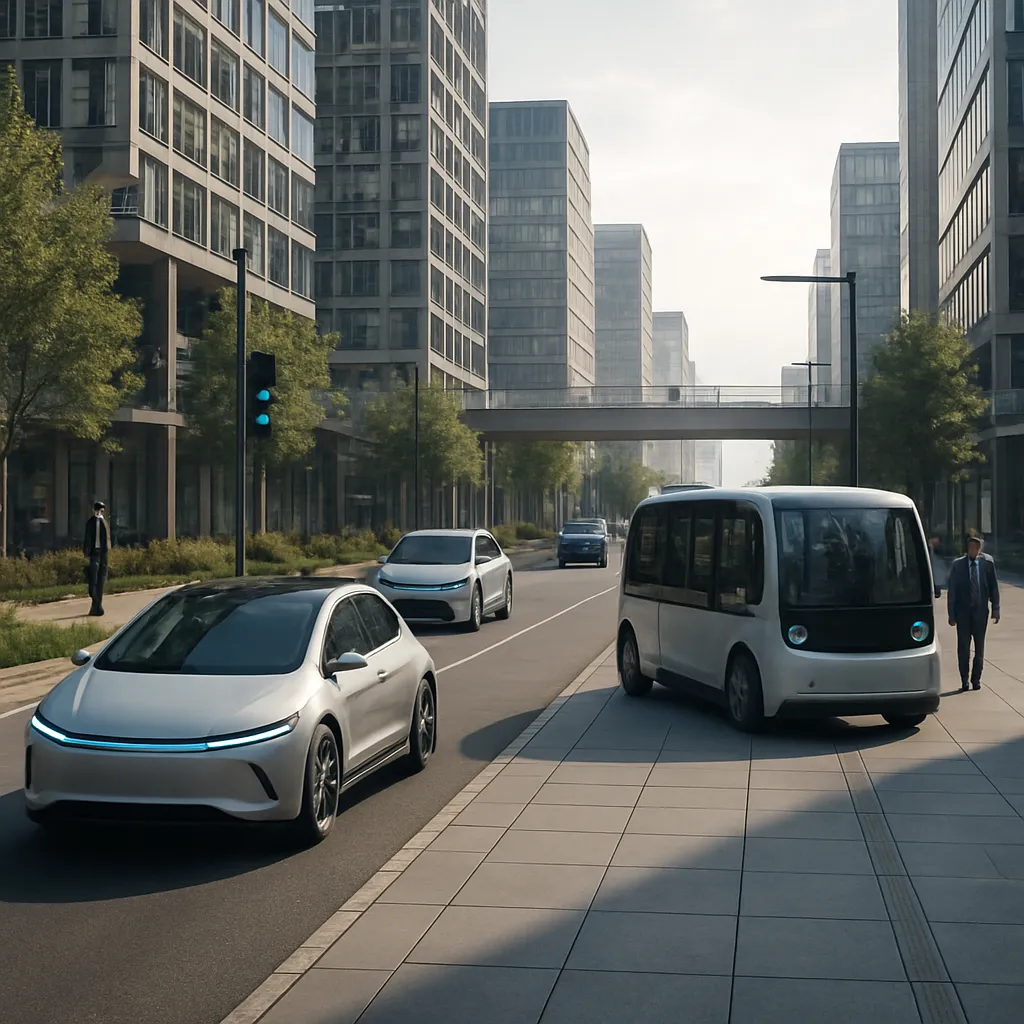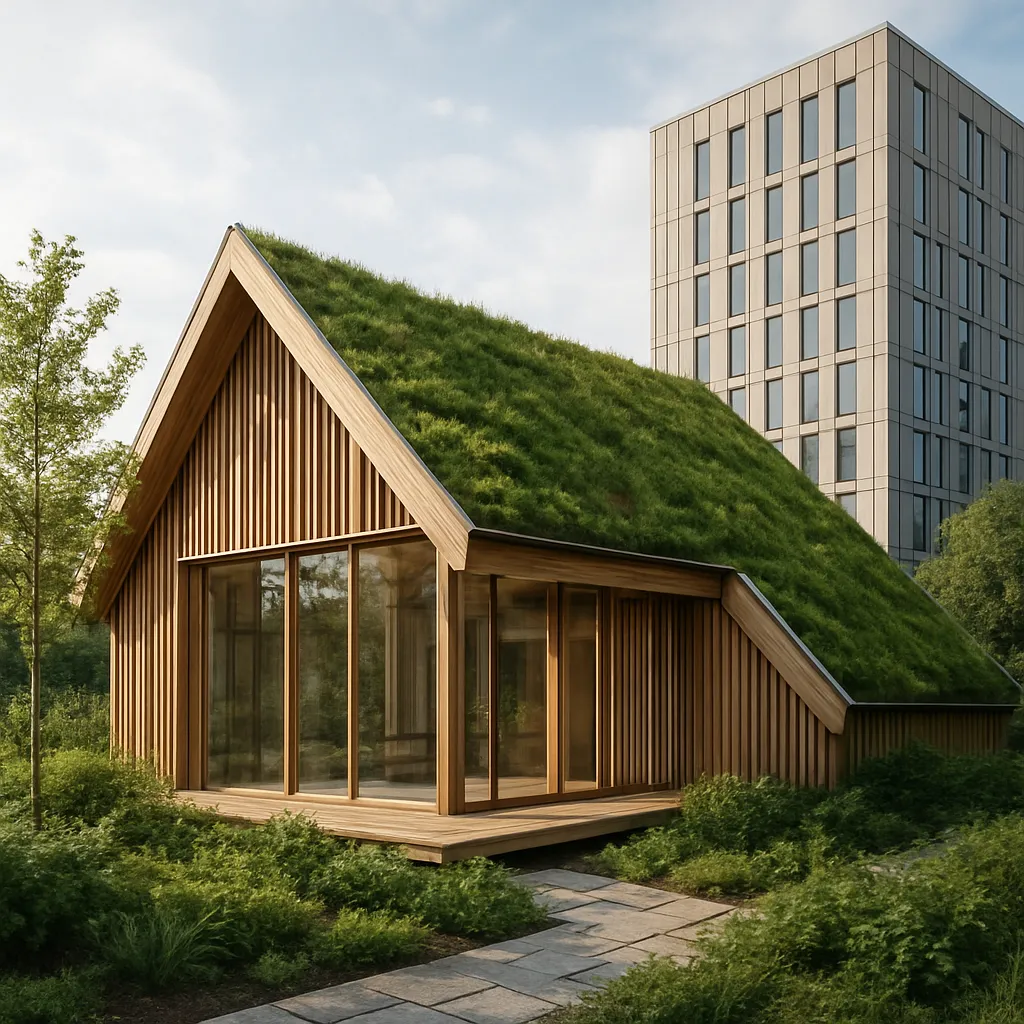







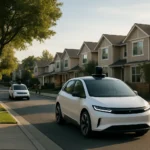

Futuristic cityscapes are no longer confined to the realm of imagination; they are rapidly materializing through the fusion of cutting-edge technologies and visionary design. As urban areas grapple with rapid population growth, resource scarcity, and environmental pressures, the integration of AI into city governance and architecture has become a cornerstone of sustainable progress. This article delves into the profound impact of intelligent systems on the way we conceive, build, and manage tomorrow’s urban centers.
Integrating AI with the Urban Fabric
The rise of algorithmic design tools is reshaping architectural practice. Architects and planners leverage AI to analyze massive datasets—ranging from demographic trends to environmental patterns—and generate optimized building forms that maximize daylight, airflow, and energy efficiency. Gone are the days when blueprints were static; parametric models driven by predictive engines now evolve in tandem with real-time data inputs, ensuring structures adapt to changing conditions even during construction.
AI-Driven Spatial Design
- Mass customization: Generative models create unique building layouts tailored to neighborhood profiles and individual user needs.
- Performance simulation: Machine learning algorithms predict thermal comfort and structural resilience, guiding material selection and façade geometry.
- Urban harmony: AI assesses how new developments influence pedestrian flow, noise levels, and microclimates, promoting holistic design decisions.
These innovations foster a new breed of architecture—one that is inherently connected to its surroundings. Buildings communicate with municipal systems, report maintenance issues before failures occur, and adapt lighting and ventilation based on occupancy. Such responsiveness drastically reduces energy consumption while elevating occupant well-being.
Dynamic Infrastructure and Responsive Design
Smart materials and adaptive infrastructure form the backbone of a future-proof city. From self-healing concrete that repairs cracks via embedded bacteria to shape-shifting façades that modulate opacity for solar control, the marriage of material science and AI is unlocking unprecedented possibilities. By embedding sensor networks across roads, bridges, and pipelines, municipalities gain continuous insights into structural health, traffic flows, and utility usage.
Adaptive Material Science
- Sustainability through recyclability: AI-enabled sorting systems ensure construction waste is classified and repurposed efficiently.
- Active façades: Responsive panels adjust their alignment to harness or block sunlight, driven by weather forecasts processed in real time.
- Load balancing: Intelligent structural elements redistribute stress during seismic events, enhancing resilience without human intervention.
Beyond physical components, digital twins—virtual replicas of entire city districts—empower planners to test scenarios in silico. Whether simulating evacuation protocols for emergencies or optimizing public transit routes, these digital mirrors integrate sensor feeds, social media sentiments, and climate projections to deliver actionable strategies. This data-driven approach ensures that adjustments can be made proactively rather than reactively, saving time, money, and lives.
Governance Models and Algorithmic Planning
At the heart of futuristic city governance lies the capacity to turn vast information streams into equitable policies. AI platforms synthesize citizen feedback, economic indicators, and environmental metrics to recommend zoning changes, budget allocations, and service improvements. Far from replacing human leadership, these systems augment decision-makers by providing evidence-based insights and scenario analyses that account for long-term impacts.
Data-Driven Citizen Engagement
- Participatory budgeting: Residents vote on funding priorities via secure digital platforms, with AI ensuring transparent tallying and fraud detection.
- Sentiment analytics: Natural language processing gauges public opinion on infrastructure projects, allowing officials to refine proposals before approvals.
- Predictive resource allocation: Algorithms forecast demand for utilities and social services, enabling preemptive expansion of capacity in underserved areas.
Urban governance is evolving into a continuous feedback loop. Sensors track air quality, traffic density, and energy consumption, feeding metropolitan dashboards that display performance against sustainability targets. When anomalies arise—such as sudden spikes in pollution—automated protocols can throttle industrial emissions or reroute traffic. By weaving automation into administrative workflows, cities achieve unprecedented agility in addressing crises.
Collaborative ecosystems are emerging where private enterprises, research institutions, and citizen collectives co-design solutions. Open data initiatives break down silos, empowering startups to develop specialized AI modules for waste management, water purification, and vertical farming. This democratization of innovation accelerates progress and fosters a sense of shared ownership over urban futures.