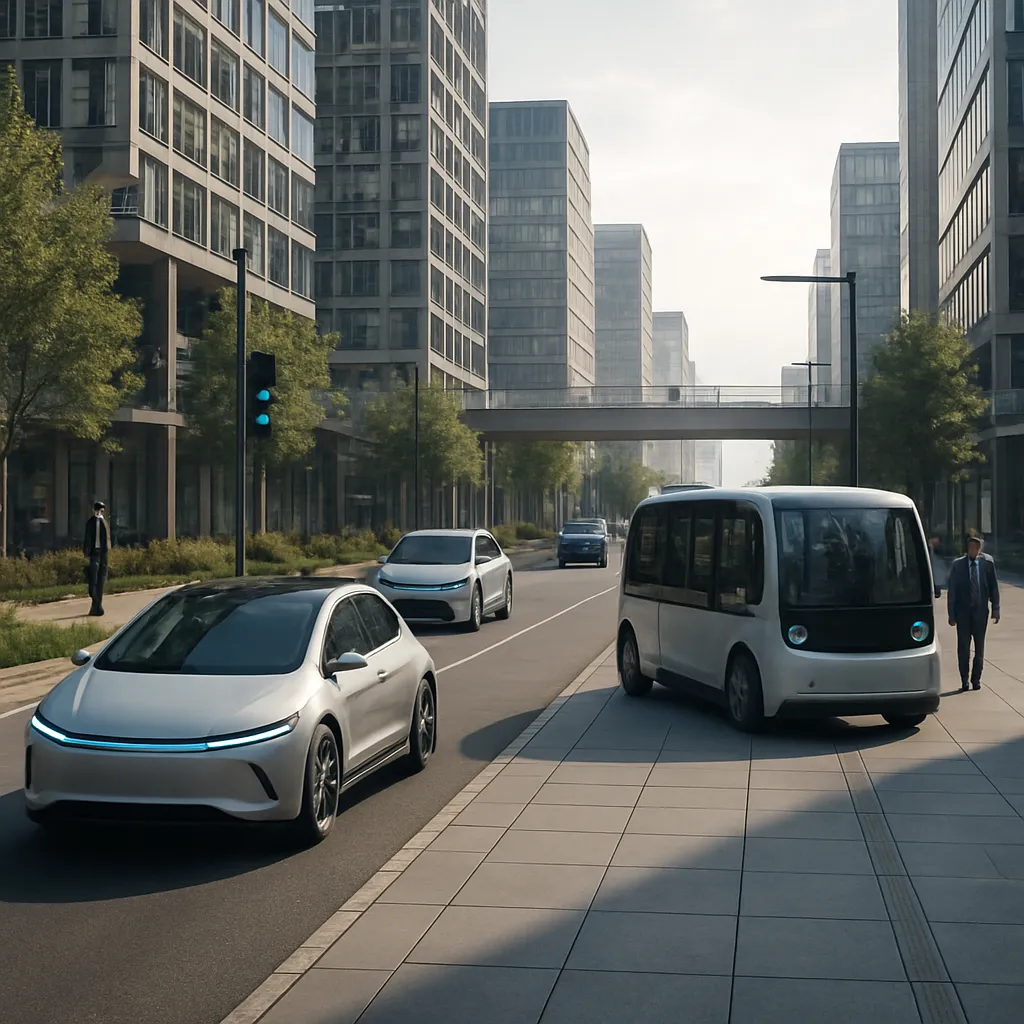

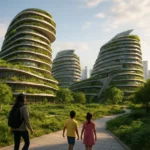
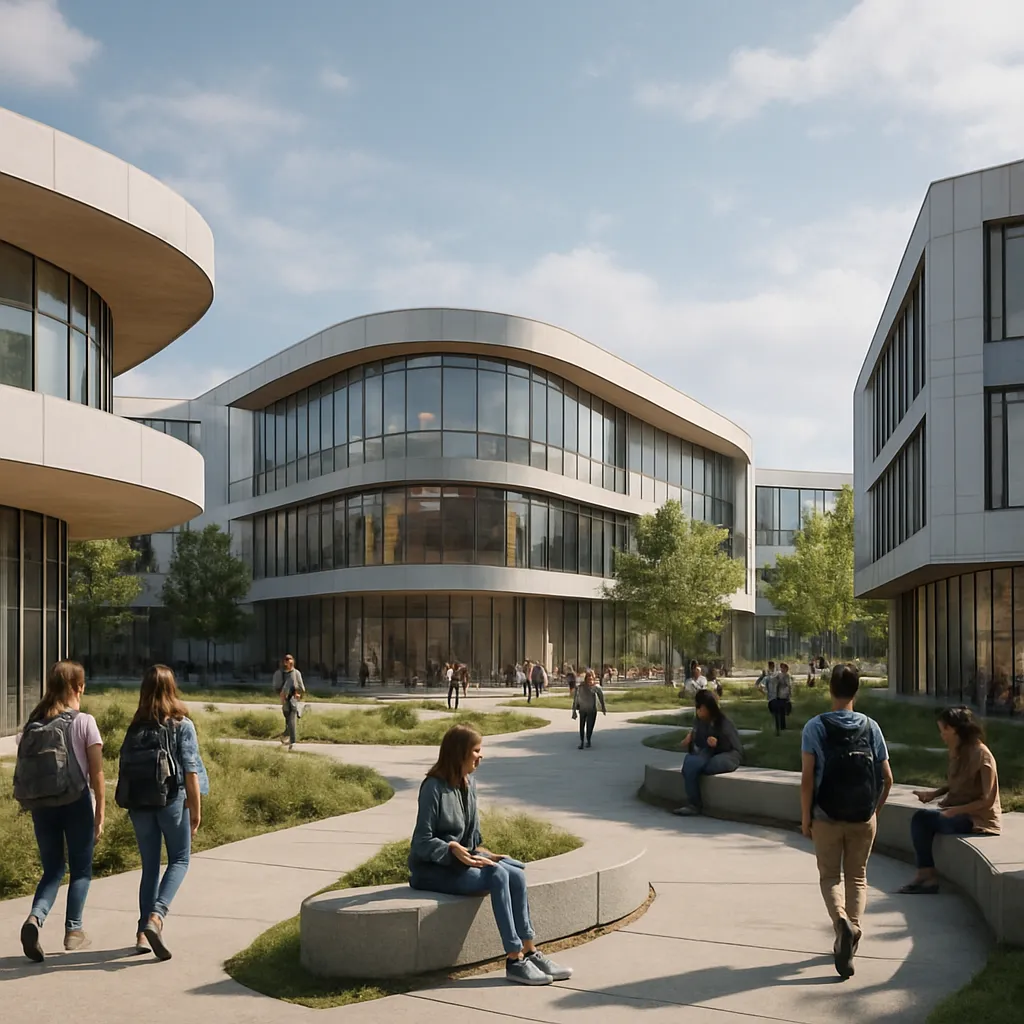
Envision campuses that morph and evolve alongside the needs of learners and educators, blending cutting-edge technology with **sustainability**, **resilience**, and human-centric design principles. The Future of Educational Architecture: Adaptive Campuses explores how institutions can harness **innovation** and **connectivity** to craft dynamic environments that foster creativity, collaboration, and lifelong learning.
Architectural Innovations for Dynamic Learning Environments
The rise of **modular** and **futuristic** design paradigms is revolutionizing how lecture halls, labs, and social spaces are conceived. Rather than fixed walls and static seating, buildings employ transformable panels, mechanized floors, and retractable partitions to create spaces that adapt in real time. These features allow a single area to serve as a lecture theatre one moment and a collaborative workshop the next.
Transformable Structures
- Smart walls embedded with sensors recalibrate acoustics and lighting.
- Ceilings with integrated drones for aerial presentations and light shows.
- Modular furniture on magnetic tracks, facilitating rapid reconfiguration.
Biophilic and Human-Centric Principles
Embedding natural elements within campus design boosts **wellbeing** and cognitive performance. Green walls, indoor forests, and water features create serene learning nooks. These biophilic interventions not only improve air quality but also nurture emotional connection and reduce stress.
Sustainable and Resilient Campus Designs
Climate change and resource scarcity demand campuses that are both **sustainable** and **resilient**. Future educational institutions adopt net-zero energy targets, on-site microgrids, and rainwater harvesting systems to minimize environmental footprints.
- Solar façades with photovoltaic glass generate clean electricity while admitting daylight.
- Geothermal loops stabilize indoor temperatures year-round.
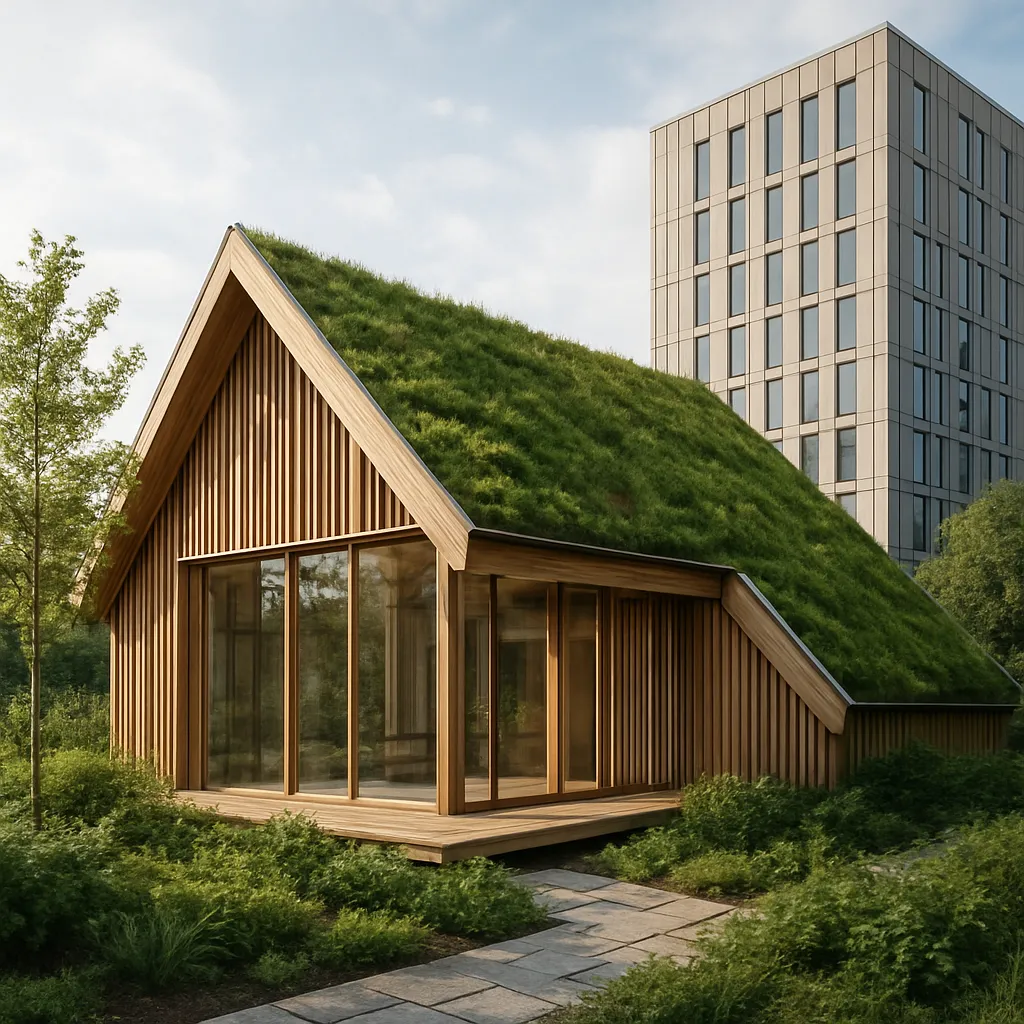
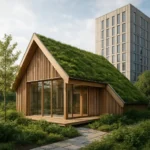
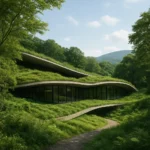
- Green roofs planted with native species enhance biodiversity and mitigate urban heat islands.
Additionally, adaptive campuses integrate passive cooling and heating strategies, such as earth-sheltered auditoriums and wind towers that channel breezes through communal corridors. These time-tested techniques combine with modern **innovation** to yield net-positive sustainability performance.
Technology Integration and Smart Infrastructure
At the heart of every adaptive campus lies a robust digital backbone powered by the Internet of Things, artificial intelligence, and immersive media.
IoT and Analytics
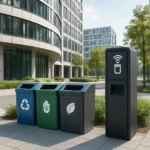
- Sensor networks monitor occupancy, resource usage, and indoor environmental quality.
- Real-time analytics optimize space allocation based on demand patterns.
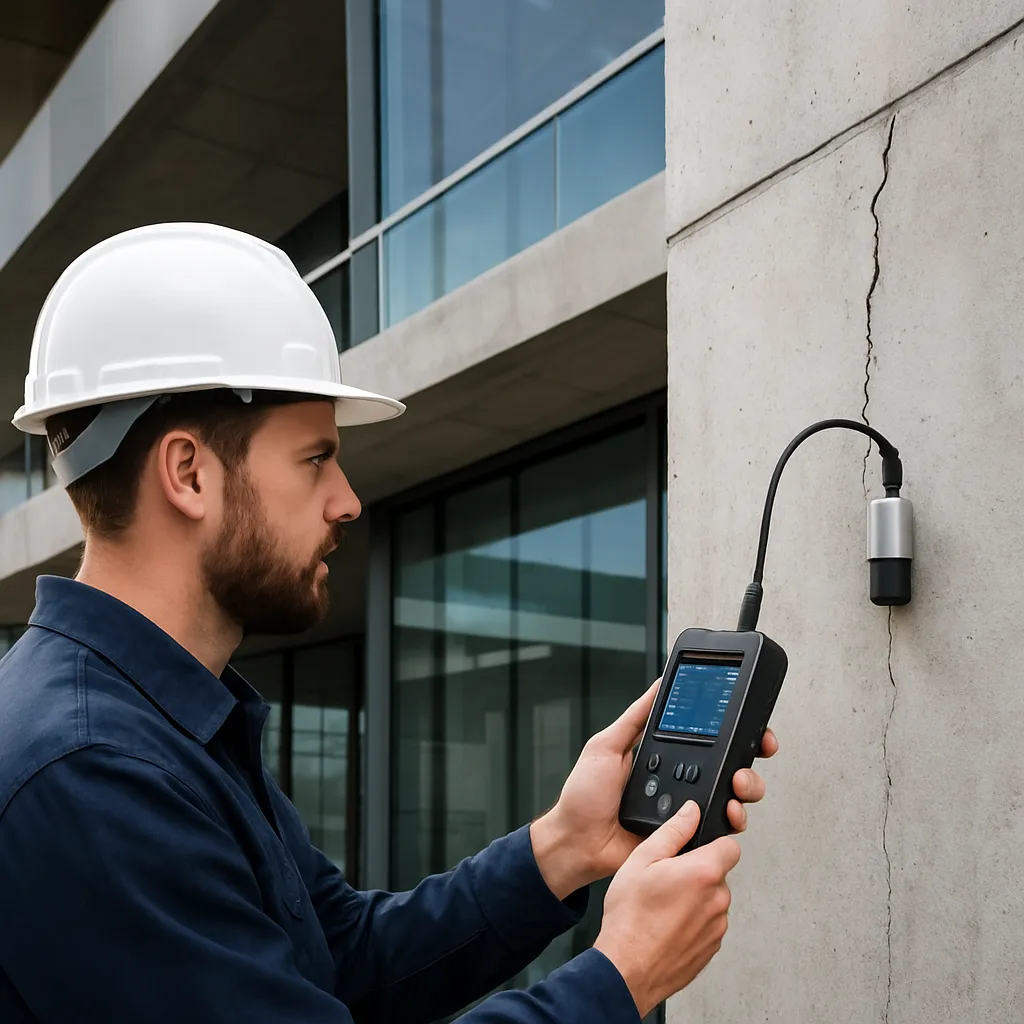
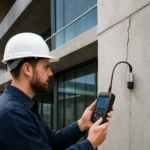
- Predictive maintenance systems detect façade damage, HVAC malfunctions, and structural stresses early.
Immersive Learning Hubs
Virtual Reality (VR) and Augmented Reality (AR) studios provide **engagement** opportunities for remote and on-site learners. Holographic projectors bring historical events to life, while digital twins of physical labs allow students to experiment virtually before handling real equipment.
- Remote labs connected via high-speed 5G networks.
- Hand-tracking gloves for tactile feedback in virtual prototyping.
- AI-driven tutors that adapt content delivery to individual learning styles.
Community Engagement and Remote Collaboration
Adaptive campuses transcend geographical boundaries by fostering global networks of learners and local communities alike. Physical **connectivity** spaces—amphitheaters, maker labs, and open plazas—are complemented by digital collaboration nodes where participants from around the world can convene.
- Live translation pods enable multilingual seminars and workshops.
- Distributed research incubators link students with industry partners in real time.
- Citizen science zones engage neighbors in environmental monitoring and urban planning.
Furthermore, outreach programs leverage mobile learning labs—retrofit buses and shipping containers—that travel into underserved areas, ensuring equitable access to advanced educational resources.
The Path Ahead: Challenges and Opportunities
Creating truly **adaptive** campuses requires navigating financial constraints, regulatory frameworks, and shifting pedagogical models. However, by prioritizing modular construction techniques, institutions can phase expansions affordably and minimize disruption. Public–private partnerships unlock funding for experimental pilot projects, while cross-disciplinary collaboration between architects, educators, and technologists ensures designs remain student-centric.
Ultimately, the vision of adaptive campuses embodies a **transformation** not only in bricks and mortar, but in how knowledge is curated, shared, and applied. By embracing bold architectural strategies, integrating smart technologies, and nurturing community ties, the campuses of tomorrow will empower generations to innovate, collaborate, and thrive.