




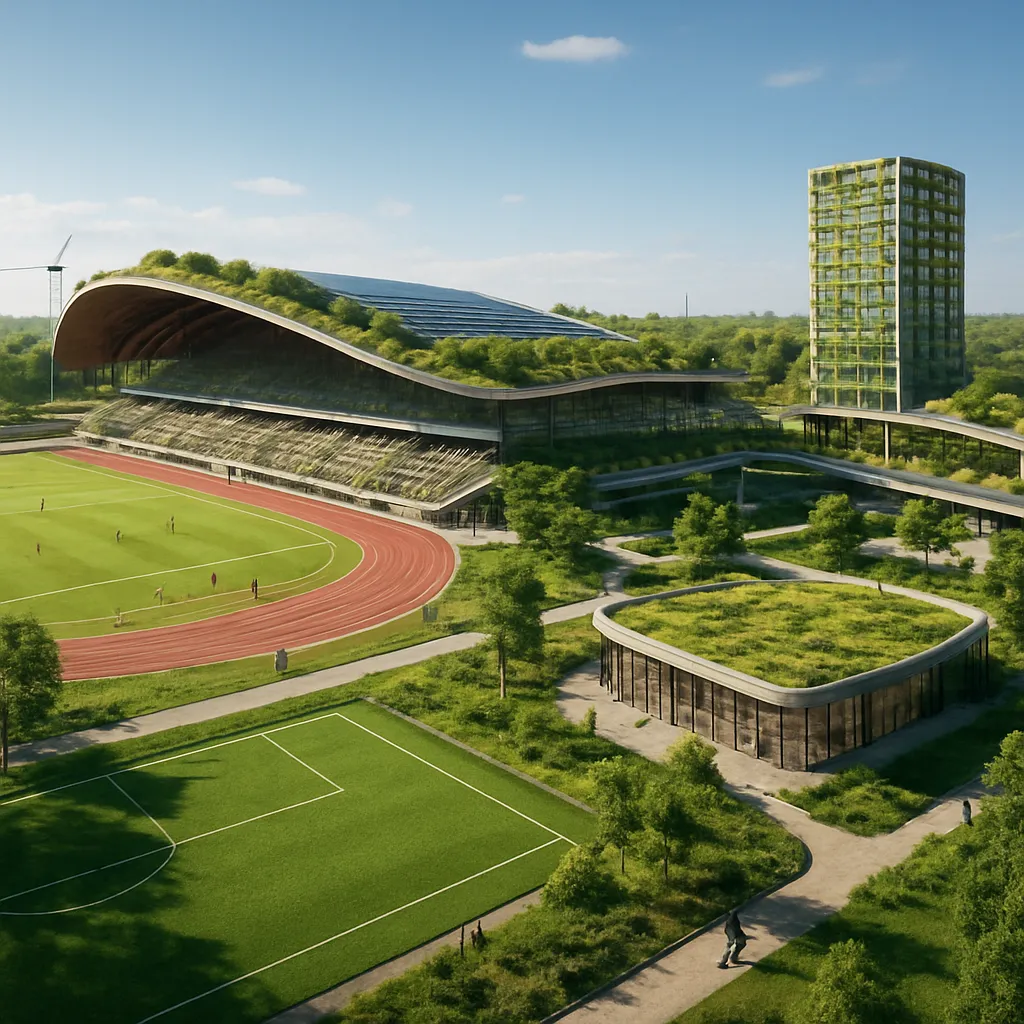
The evolution of sports facilities is heading toward a future where architecture meets cutting-edge technology and environmental stewardship. By integrating sustainable systems, advanced materials, and intelligent networks, these new arenas promise to redefine athletic experiences for players, fans, and local communities alike. This exploration delves into how visionary architects and engineers are crafting the next generation of sports venues that balance ecological responsibility, seamless connectivity, and immersive engagement.
Designing for Sustainability
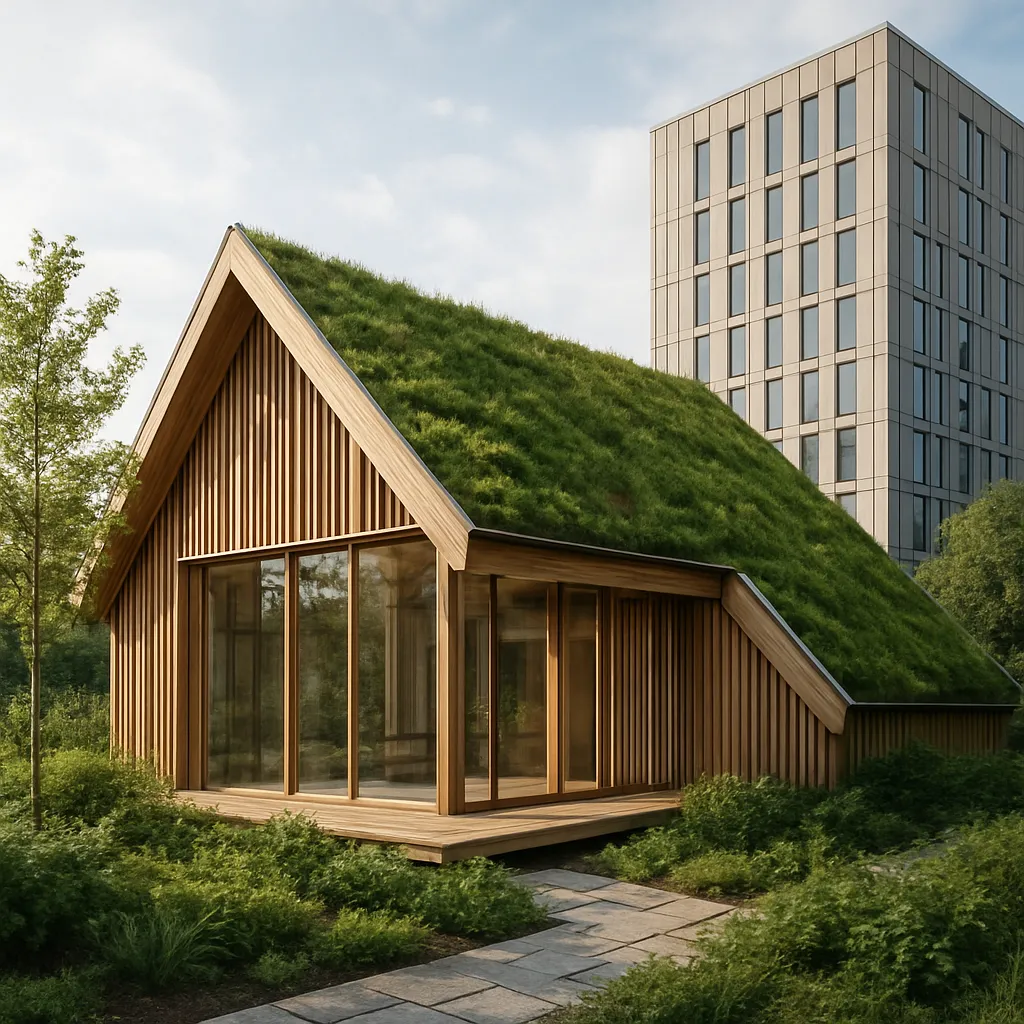
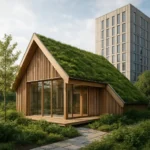
Modern sports complexes are no longer isolated structures consuming vast resources; they are dynamic ecosystems. Architects are leveraging innovation to minimize carbon footprints, optimize energy consumption, and foster biophilic connections. Key strategies include:
- Renewable Energy Integration
- Solar panels embedded in canopies and façades maximize on-site photovoltaic generation.
- Wind turbines, tuned to prevailing stadium winds, supply supplemental power for night games and broadcasts.
- Battery storage systems ensure uninterrupted operation and can feed excess energy back to local grids.
- Water Management
- Rainwater harvesting systems collect runoff from expansive roofs for irrigation and restroom use.
- Greywater recycling units treat and reuse shower and faucet discharge, significantly reducing freshwater demand.
- Smart irrigation controls adjust watering schedules based on real-time weather data.
- Eco-Friendly Materials
- Reclaimed timber and recycled metals reduce embodied carbon in structural components.
- Bio-based composites, derived from algae or agricultural waste, replace petroleum-based polymers in seating and interior finishes.
- Photocatalytic coatings on exterior surfaces break down pollutants and maintain cleaner air around the facility.
These sustainable measures not only diminish environmental impact but also translate into lower operational costs and a healthier spectator environment. Emphasizing resilience against climate extremes, designers employ adaptive facades that modulate solar gain, and flexible roofing that channels stormwater safely into surrounding wetlands.
Seamless Connectivity and Smart Infrastructure
In an era of ubiquitous technology, sports venues become nerve centers of digital interaction. By building robust networks and deploying Internet of Things (IoT) sensors, architects ensure real-time data flows that enhance safety, comfort, and engagement:
- High-Density 5G Networks
- Every seat becomes a hotspot for augmented reality (AR) overlays, instant replays, and social sharing.
- Low-latency communication allows coaches to receive performance metrics from wearable trackers and adjust tactics mid-game.
- IoT-Enabled Facility Management
- Smart lighting and HVAC systems adapt to crowd density and external weather in real time.
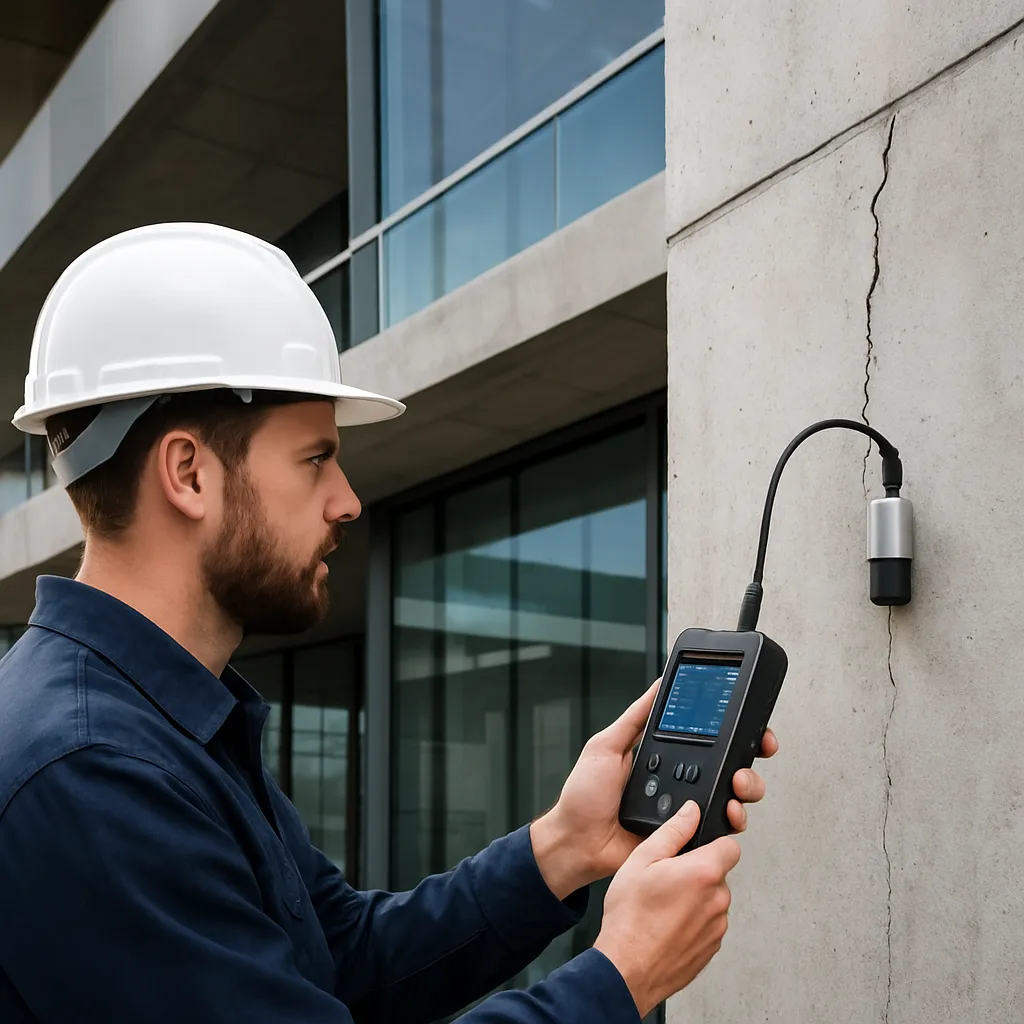
- Predictive maintenance sensors on structural elements detect stress or corrosion early, extending the venue’s lifespan.
- Interactive Guest Services
- Mobile apps guide spectators to available concessions and restrooms, minimizing crowding in concourses.
- Contactless payment and biometrics speed up entry, creating frictionless access control.
By embedding digital intelligence within every beam and corridor, these “smart stadiums” foster a continuous loop of feedback. Data analytics drive improvements in crowd flow, concession offerings, and environmental controls, delivering an optimized experience that evolves with each event.
Adaptive and Immersive Spectator Experiences
As venues become interactive playgrounds, designers harness virtual and mixed reality to blur the line between the physical and digital worlds. Spectators can personalize their view, choose camera angles, and even access biometric highlights of key athletes:
- Augmented Reality Overlays
- On-seat displays project real-time player stats, heat maps, and injury risk alerts.
- Virtual mascots roam aisles, engaging fans with mini-games and trivia challenges.
- Immersive Dome Environments
- 360-degree projection screens and spatial audio systems transport audiences into the heart of the action.
- Haptic seating modules simulate impacts and vibrations for an enveloping sensory experience.
- Adaptive Seating and Space Reconfiguration
- Robotic seating platforms can retract or shift to accommodate different sports, concerts, or community gatherings.
- Flexible partitions create VIP lounges, broadcast studios, or fan zones as needed.
These advancements foster deeper emotional connections, transforming passive viewing into active participation. Fans become co-creators of the spectacle, customizing their journey through interactive features that reflect personal preferences and accessibility needs.
Integrating Community and Environment
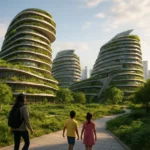
True innovation extends beyond the stadium walls, embedding sports facilities within the urban fabric and surrounding ecosystems. By promoting community engagement and ecological harmony, futuristic designs serve as catalysts for social renewal:
- Public Green Spaces
- Adjacent parks and plazas provide daily recreational areas for residents, not just event-day crowds.
- Native landscaping supports biodiversity, offering habitats for pollinators and birds.
- Multi-Use Community Hubs
- Fitness centers, classrooms, and co-working spaces open to locals strengthen the facility’s civic role.
- Night markets, art installations, and cultural festivals utilize the venue during off-seasons.
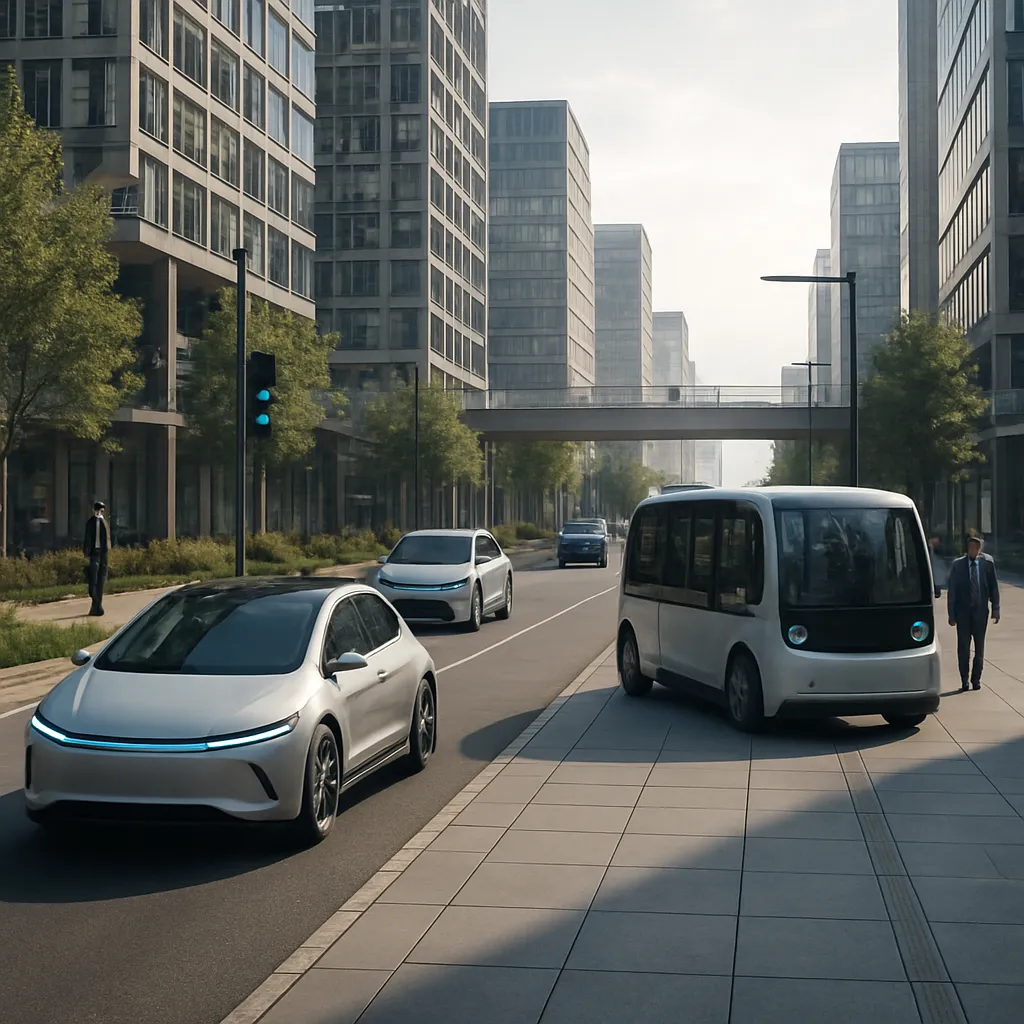
- Transportation and Accessibility
- Electric shuttles, bike-sharing docks, and dedicated pedestrian corridors reduce traffic congestion and emissions.
- Universal design principles ensure full accessibility for people of all ages and abilities.
li>
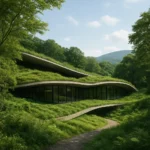
By weaving elements of the built and natural environment into a cohesive whole, architects create landmarks that resonate with local identity and global responsibility. The result is a new breed of sports facilities—resilient, adaptive, and deeply connected to their surroundings.
Key Features of Next-Generation Sports Facilities
- Modular construction for rapid deployment and future expansion
- Energy-positive operation with on-site renewables
- AI-driven crowd and security management
- Biophilic design for enhanced wellbeing
- Mixed-reality integration for personalized fan journeys
- Community spaces for year-round engagement
The trajectory of sports architecture points to a harmonious blend of cutting-edge resilience, adaptive functionality, and environmental stewardship. By prioritizing adaptability in design and fostering seamless interaction between fans, athletes, and the planet, these facilities epitomize the promise of a truly sustainable and connected sporting future.