




The exploration of next-generation building envelopes points toward an era where rooftops and façades transcend static form. Architects and engineers are collaborating to develop systems that respond to environmental stimuli, optimize energy generation, and enhance occupant comfort in real time. These innovations promise to redefine the concept of the building skin by integrating adaptive geometry, embedded electronics, and cutting-edge materials. With an emphasis on sustainability and resilience, dynamic surfaces are poised to revolutionize urban landscapes and contribute to a more efficient built environment.
Next-Generation Adaptive Roofing Systems
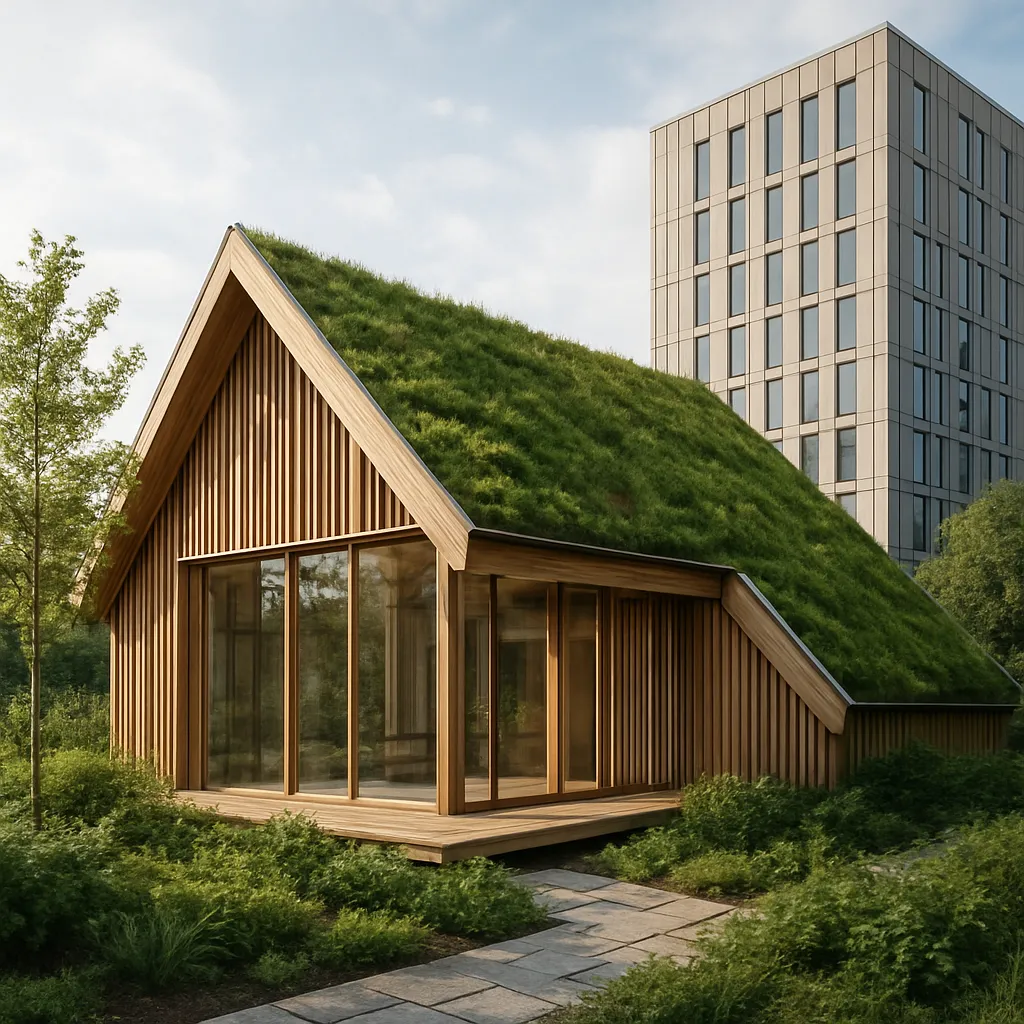
Traditional roofs have long served only as protective barriers against weather. Future designs will incorporate responsive elements that tune their configuration based on rainfall, solar intensity, and wind patterns. By embedding actuators and shape-memory alloys within structural layers, these roofs can morph to harvest water, redirect light, or enhance ventilation. Such smart roofs not only shield inhabitants but actively participate in optimizing resource flows.
- Adaptive geometry: Panels pivot and curve to follow the sun’s trajectory, boosting daylight penetration or providing shade as needed.
- Integrated water management: Channels expand during storms to capture rainwater for reuse in irrigation and cooling systems.
- Active insulation: Variable-thickness membranes adjust thermal resistance in response to indoor comfort requirements.
- Noise mitigation: Acoustic layers stiffen in high-wind conditions, attenuating urban soundscapes.
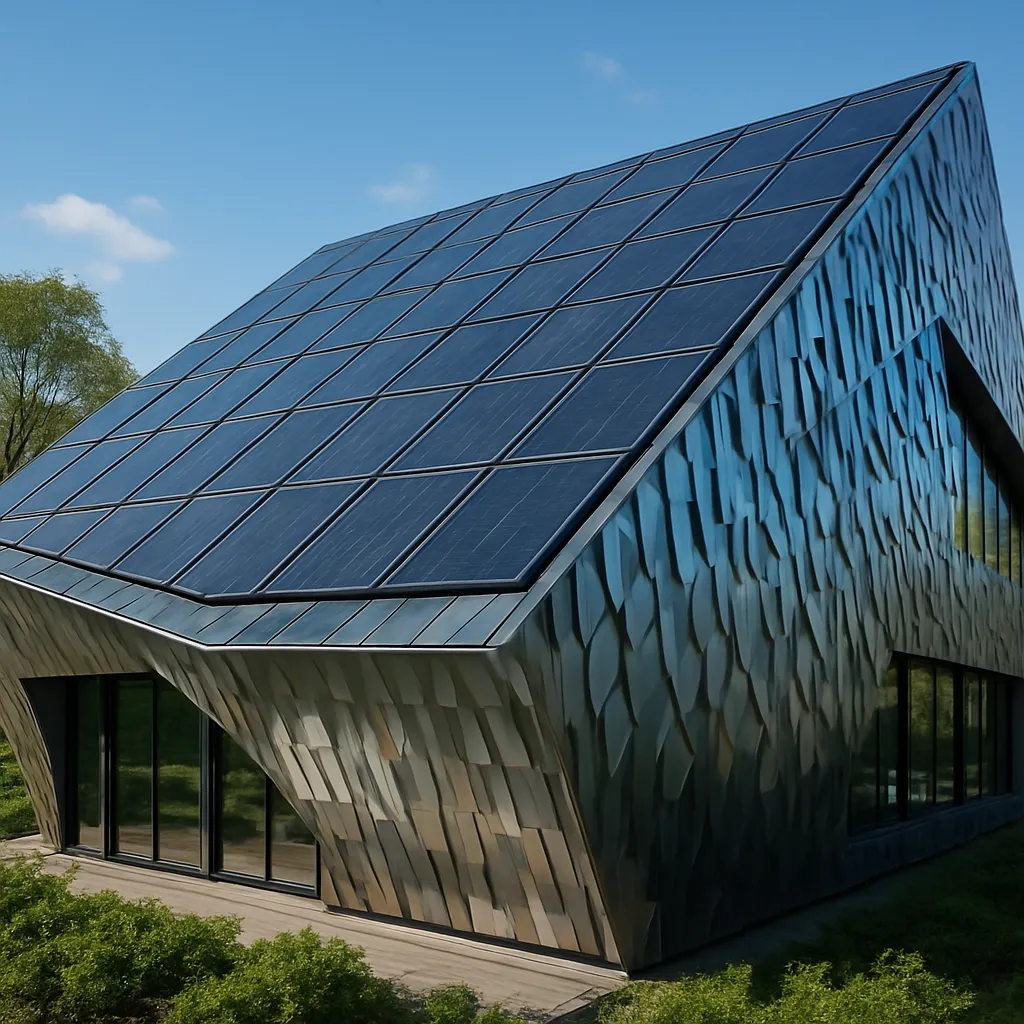
- Energy harvesting: Flexible photovoltaics embed seamlessly into the surface, transforming roof planes into power generators.
Integration of Advanced Materials and Technologies
Photovoltaic Textiles
Emerging photovoltaic textiles combine thin-film solar cells with lightweight fabrics, enabling roofs to double as energy-capturing membranes. These textiles drape over irregular geometries, adhering to curved surfaces where rigid modules cannot fit. The result is a continuous, energy-producing envelope that scales easily across large roof spans without compromising aesthetics or weight constraints. Advances in perovskite and organic photovoltaics promise further improvements in efficiency and flexibility.
Self-Healing Coatings
Microcapsules filled with polymeric resins are now incorporated within protective coatings. When micro-cracks form due to thermal cycling or mechanical stress, these capsules rupture and release healing agents, sealing breaches before moisture or pollutants penetrate deeper layers. By extending service life and reducing maintenance cycles, self-healing surfaces bolster long-term durability while cutting lifecycle emissions.
Embedded Sensor Networks
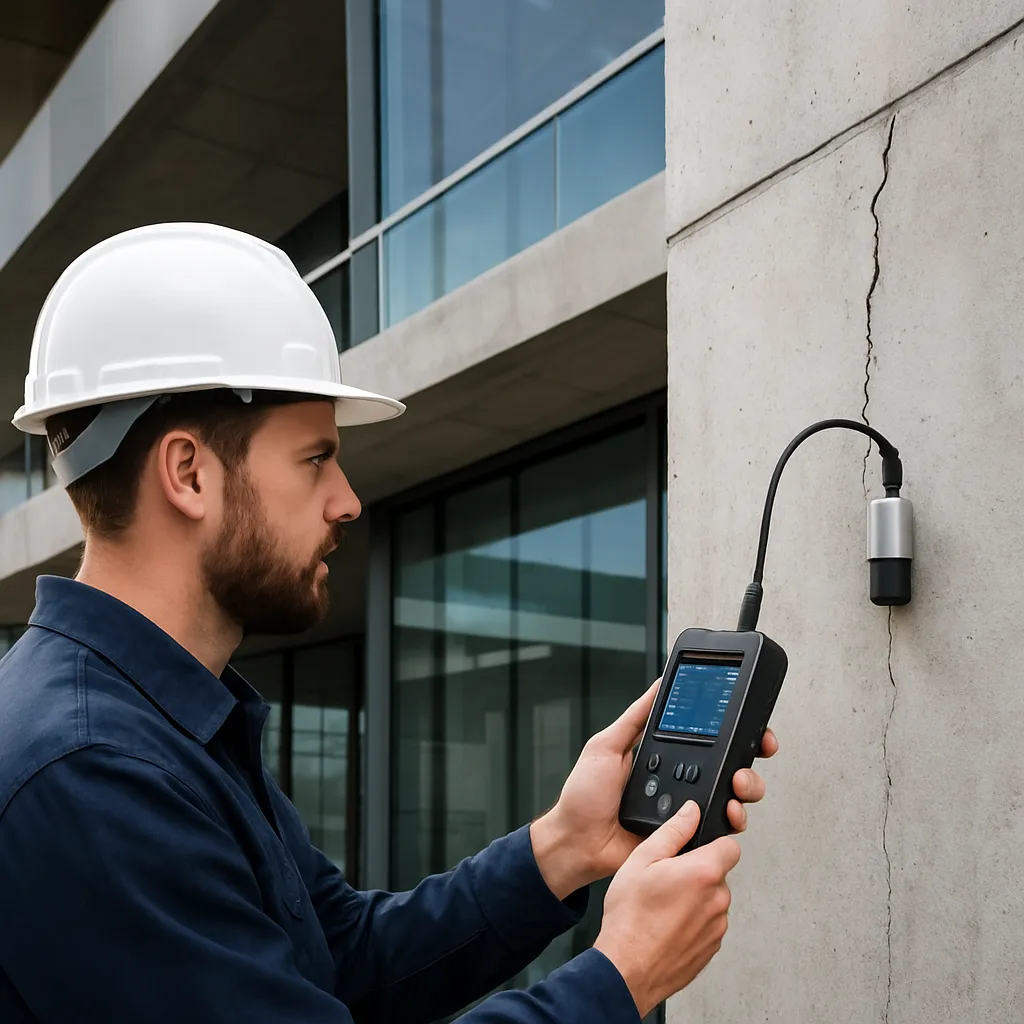
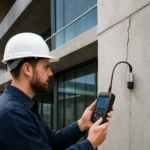
A dense array of micro-sensors can be woven into roofing composites to monitor structural health, detect leaks, and assess thermal performance. Wireless nodes relay real-time data to building management systems, which use machine-learning algorithms to predict failures and optimize climate control. With pervasive sensing, roofs transition from passive enclosures to proactive components in a data-driven ecosystem.
Environmental and Social Impact
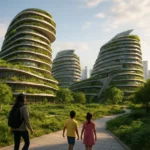
The adoption of dynamic building skins extends benefits beyond individual structures, influencing urban microclimates and community well-being. By reflecting or absorbing solar radiation on demand, responsive surfaces can moderate the urban heat island effect, reducing cooling loads across entire neighborhoods. Additionally, rainwater harvesting features mitigate stormwater runoff, lessening burden on municipal systems and preventing flooding during extreme weather events.
- Enhanced occupant well-being: Daylight modulation and natural ventilation foster healthier indoor environments, boosting productivity and comfort.
- Carbon footprint reduction: Onsite energy generation and efficient insulation lower reliance on fossil fuels.
- Urban resilience: Distributed water and power assets improve a district’s ability to withstand supply disruptions.
- Community engagement: Visibly shifting façades can signal environmental conditions or energy surplus, turning buildings into interactive public displays.
Challenges and Future Directions
Despite the promise of dynamic skins, several barriers must be overcome before widescale deployment. High initial costs, especially for advanced materials and embedded electronics, remain a deterrent for many developers. Ensuring interoperability among different systems—from solar arrays to sensor networks—requires standardized protocols. Regulatory frameworks must adapt to encompass performance-based criteria for renewable integration and building-envelope monitoring.
Research is ongoing to improve the efficiency and longevity of adaptive components. Novel manufacturing methods, such as roll-to-roll printing and modular assembly, aim to drive down production expenses. Collaborations between material scientists, architects, and urban planners are critical to align design visions with real-world constraints. Future breakthroughs may include bio-inspired skins that mimic natural thermoregulation or chemical processes that actively sequester pollutants from the air.
In the coming decades, the convergence of biomimicry, digital fabrication, and artificial intelligence will catalyze a new generation of buildings that live, breathe, and evolve. Smart roofs and dynamic skins will no longer be experimental prototypes but essential infrastructure for sustainable, adaptive cities.