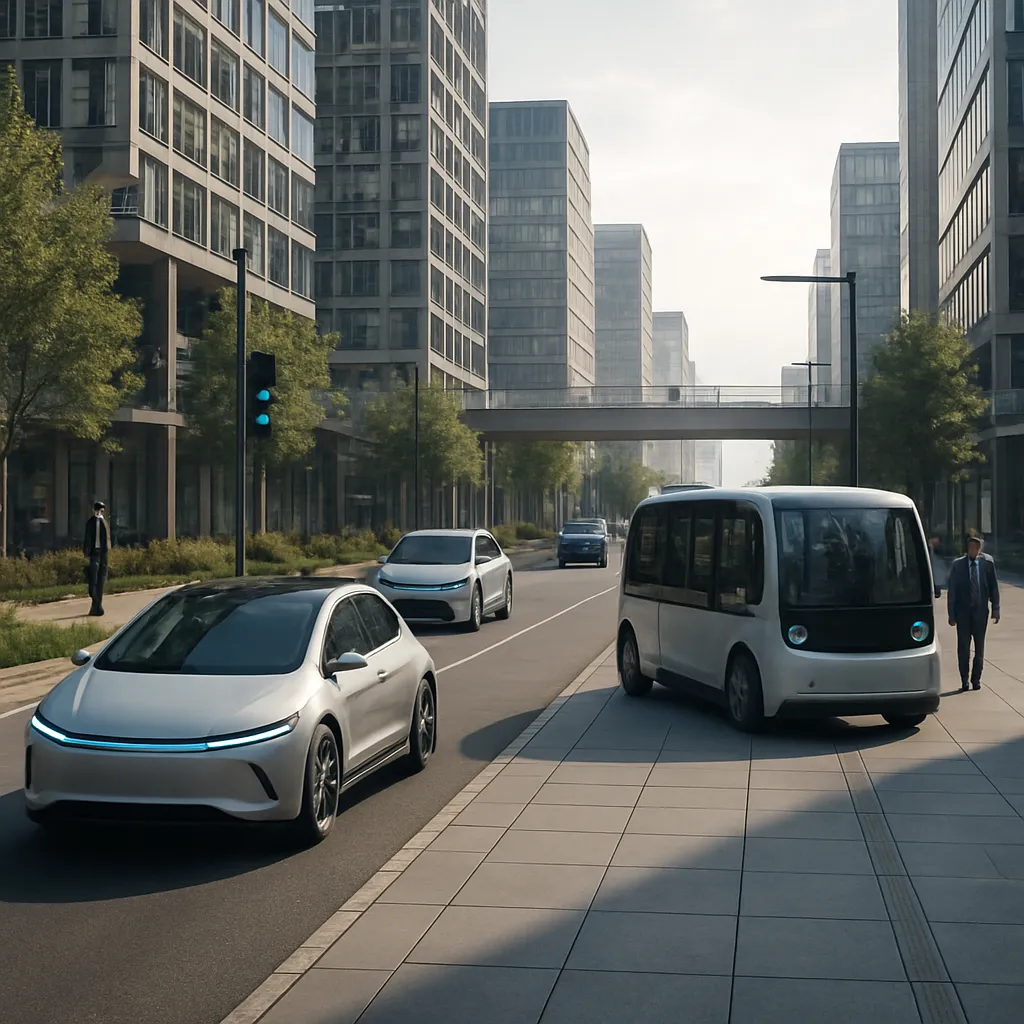



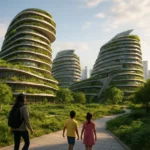



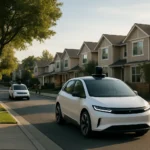
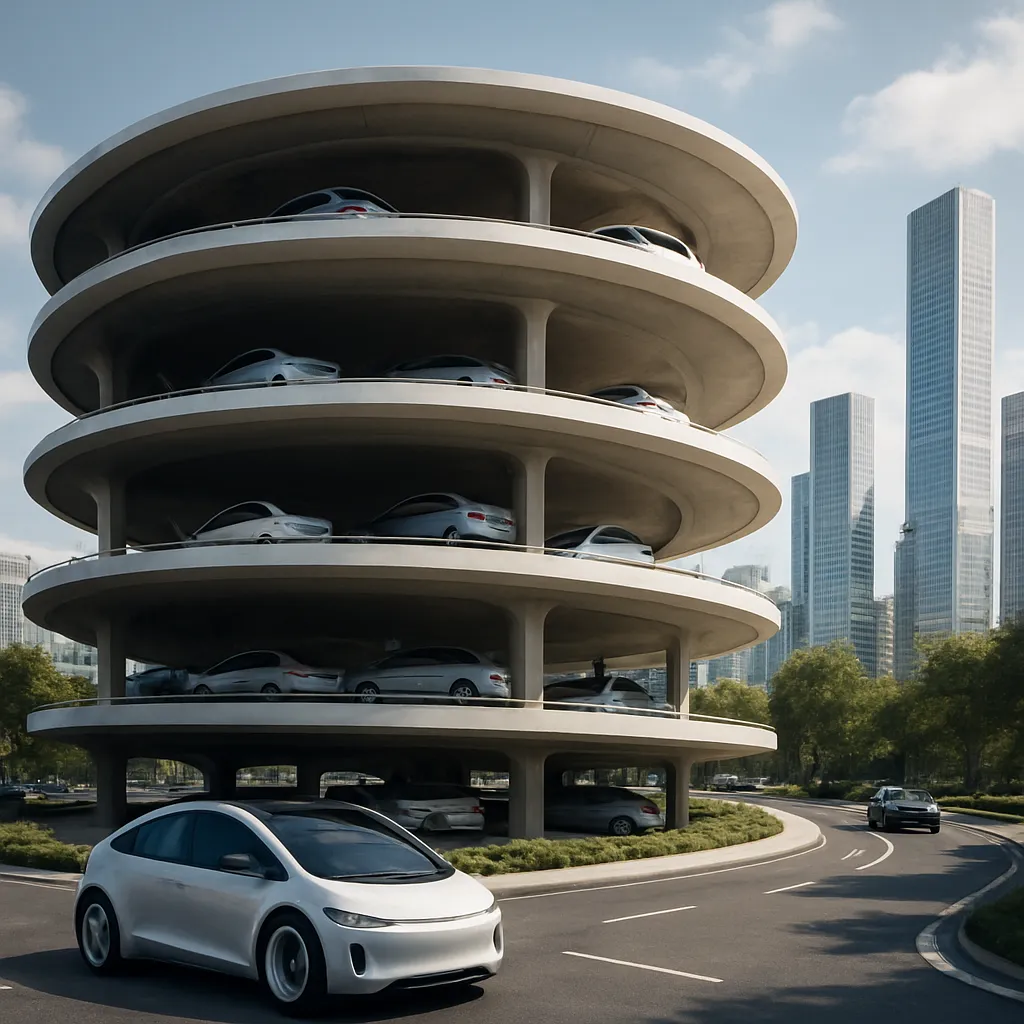
The convergence of **autonomous** vehicles and **futuristic** architecture is reshaping urban mobility, prompting visionary architects and engineers to reimagine parking structures as dynamic, intelligent environments. These ground-breaking facilities will serve not only as storage zones but also as multifunctional **mobility** hubs that foster connectivity, adaptability, and sustainable urban living. By leveraging advances in **robotics**, **modularity**, and smart materials, the future of parking infrastructure will become a critical component of next-generation cities.
Visionary Designs for Automated Mobility Hubs
Forward-thinking design studios are already prototyping towers that house fleets of self-driving vehicles within an automated skeleton of steel and glass. Each parking bay connects to a network of conveyor belts, magnetic tracks, or robotic gantries that whisk cars to available slots without human intervention. This approach maximizes space efficiency by eliminating ramps, pedestrian corridors, and wide lanes. Instead, parking structures will become vertical laboratories of **innovation**, boasting the following core features:
- Scalability: Modular units stack like building blocks, allowing structures to grow or shrink based on real-time demand.
- Resilience: Structural systems are designed to withstand seismic events and extreme weather, ensuring reliability.
- Integration: Seamless connection to public transit nodes, ride-sharing terminals, and micro-mobility stations.
- Efficiency: Ultra-fast vehicle retrieval times enabled by AI-driven scheduling and navigation algorithms.
By replacing static floors with dynamic platforms, these hubs will turn parking into a fluid, reconfigurable asset. Rooftops will host urban farms, solar arrays, and air purification gardens, transforming once monotonous structures into living ecosystems.
Smart Materials and Sustainable Construction
The construction industry is gearing up for a revolution in **sustainability**, driven by materials that are both lightweight and durable. Emerging composites and 3D-printed elements reduce material waste while improving thermal performance. Imagine facade panels that harvest solar energy, adaptive shading systems that respond to sun angles, and concrete infused with CO₂-absorbing additives. Key material innovations include:
- Graphene-reinforced concrete for superior strength-to-weight ratio
- Self-healing polymers that seal micro-cracks, extending service life
- Phase-change materials (PCMs) that regulate interior temperatures
- Bio-based aggregates derived from industrial byproducts
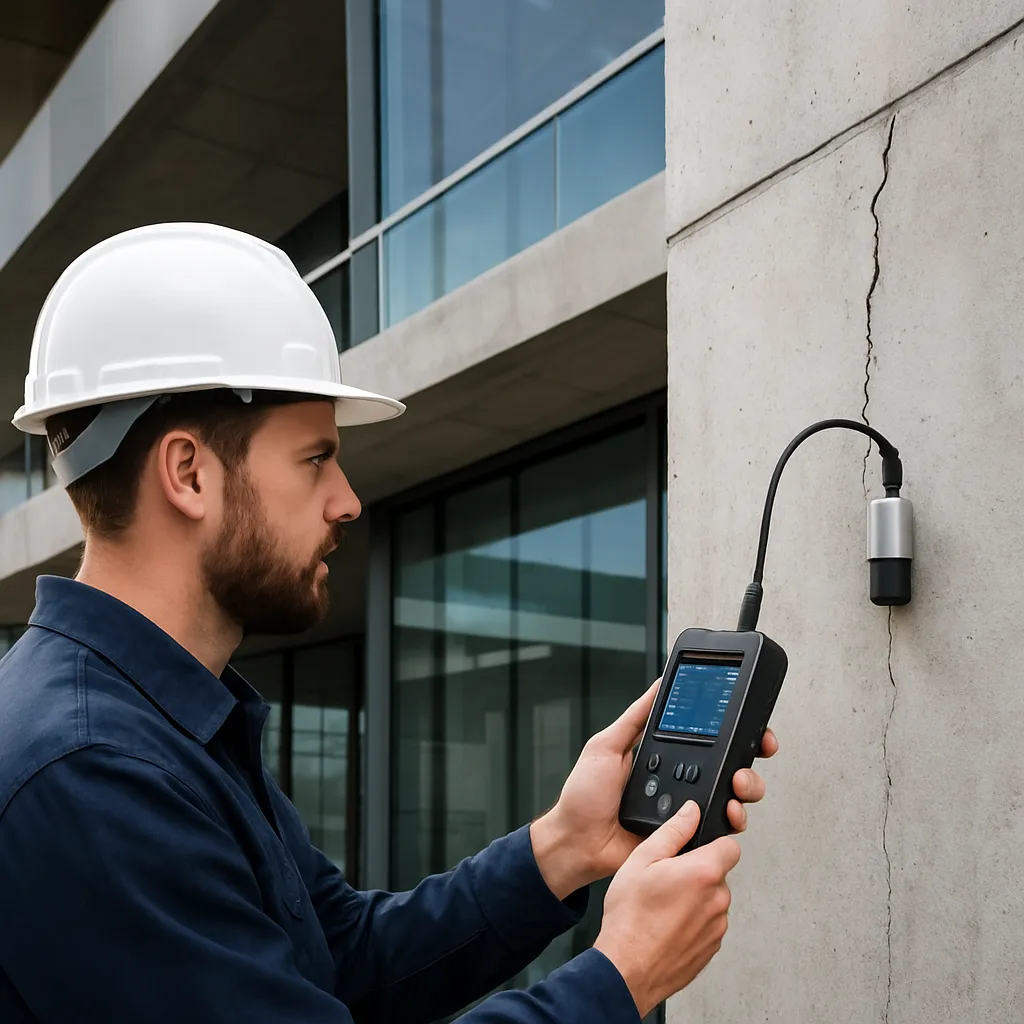
Such **eco-friendly** solutions will drive down operational costs and embodied carbon footprints. Smart sensors embedded within structural members will monitor stress, moisture, and corrosion in real time, enabling predictive maintenance and prolonging the life cycle of the building.
Integration with Urban Ecosystems
Parking structures of the future won’t stand in isolation; they will weave into the urban fabric, supplying energy, clean water, and green spaces back to surrounding neighborhoods. Instead of vast concrete monoliths, these facilities will feature:
- Green terraces for community recreation and urban agriculture
- Rainwater harvesting systems feeding adjacent parks and plazas
- Distributed energy grids linking rooftop solar and wind turbines
- Interactive façades that display environmental data and public art
By fostering a symbiotic relationship between built and natural environments, these integrated designs will enhance **connectivity** and promote healthier, more resilient communities. Mobility hubs could serve as civic gathering spots, hosting farmers’ markets, pop-up clinics, or cultural events—further blurring the lines between infrastructure and public space.
Advanced Technologies Shaping Tomorrow’s Garages
At the heart of these transformative hubs lies a suite of **cutting-edge** technologies. Artificial intelligence will orchestrate traffic flows, optimizing vehicle allocation based on usage patterns and energy demands. Edge computing nodes located within the structure will analyze sensor data for instantaneous decision-making. Meanwhile, blockchain-based ledgers will secure transactions, ensuring privacy and transparency in ride-sharing, vehicle charging, and maintenance logs.
Autonomous Robotics and Retrieval Systems
Robotic arms, drones, and automated guided vehicles (AGVs) will collaborate to handle cars with millimeter precision. Such systems reduce turnaround times from minutes to mere seconds, meaning vehicles can depart the structure the moment passengers finish their tasks. These robotics networks rely on machine vision and LIDAR, enabling safe cohabitation with pedestrian zones and service drones.
Wireless Charging and Energy Management
Inductive charging pads embedded in parking bays and traffic lanes will power electric vehicles seamlessly. Energy management platforms will direct surplus solar or wind power to the grid or local buildings, transforming the parking facility into a microgrid. This distributed energy resource model enhances **resilience** by offering backup power during grid outages and peak demand periods.
Challenges and Future Opportunities
While the vision is compelling, realizing these futuristic structures faces several hurdles. Land acquisition in dense urban centers remains costly, zoning regulations often lag behind technological capabilities, and coordinating multiple stakeholders can stall progress. Additionally, cybersecurity and data privacy must be paramount as these hubs handle sensitive information and essential services.
- Regulatory alignment to accommodate automated transit corridors
- Standardization of robotic interfaces and charging protocols
- Investment models that balance public and private interests
- Community engagement to ensure equitable access and social value
By addressing these challenges, cities can unlock unprecedented levels of **adaptability**, turning parking structures into dynamic engines of growth and sustainability. As autonomous mobility becomes widespread, the very concept of the garage will transform from static storage into a **futuristic** centerpiece of urban innovation—enabling a cleaner, smarter, and more connected tomorrow.