








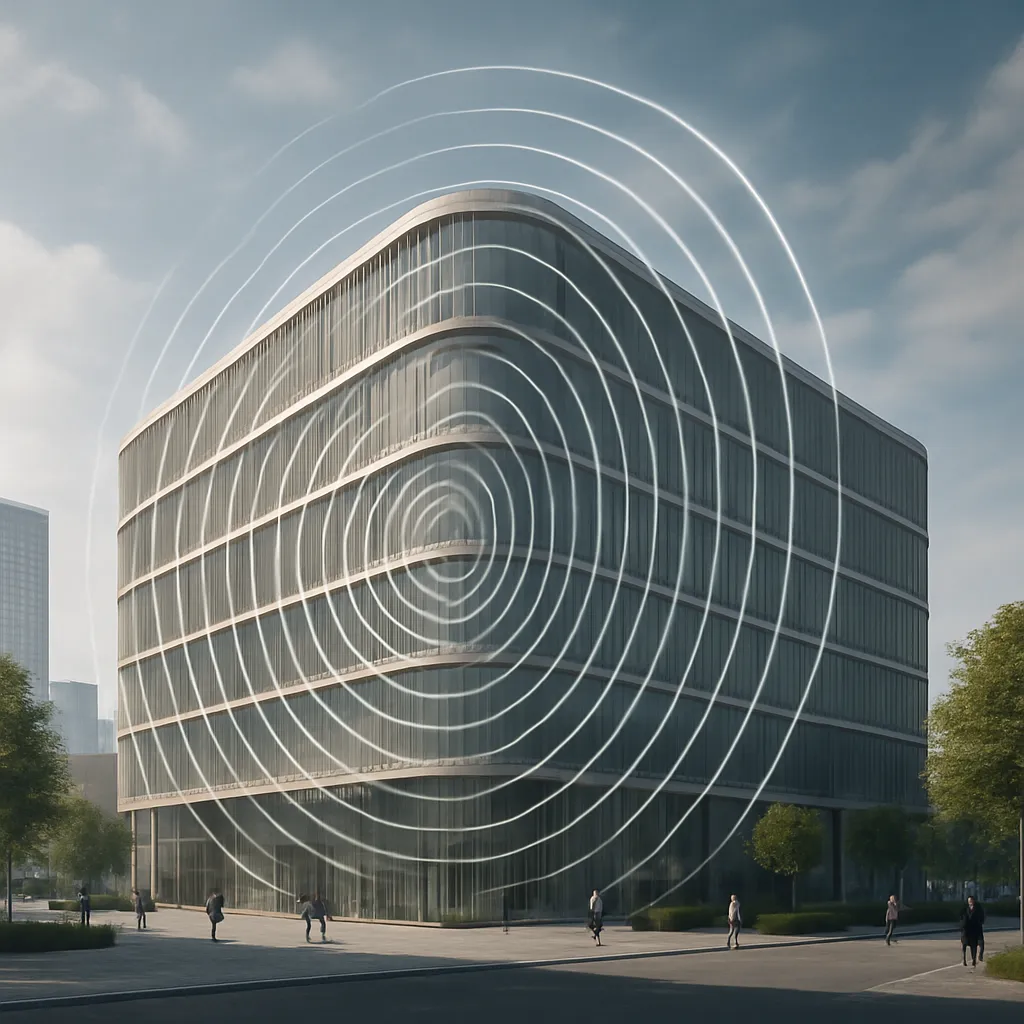
The Future of Noise-Canceling Architecture explores how emerging technologies and visionary design philosophies converge to create urbanscapes that not only shape structures but actively sculpt the aural environment. By harnessing breakthroughs in metamaterials, integrating IoT-driven systems, and embracing bio-inspired strategies, architects and engineers are forging environments that promote tranquility, productivity, and wellbeing in an increasingly cacophonous world.
Innovations in Noise-Canceling Materials
Modern architecture has long grappled with unwanted sound, but the next generation of buildings will transcend passive barriers, leveraging materials with tailored acoustic properties. Researchers are developing acoustic metamaterials whose internal geometries diffuse, absorb, or invert sound waves with unprecedented precision. Unlike traditional foam or fibrous insulators, these engineered solids manipulate wave propagation at specific frequencies, creating what some describe as “acoustic black holes” that effectively trap and dissipate energy.
- Locally resonant structures: Tiny resonators embedded in panels target low-frequency rumble from traffic and machinery.
- Porous polymer composites: Tunable pore sizes fight mid-range chatter in open-plan offices.
- Solar-reactive surfaces: Photochromic coatings that adjust porosity based on daylight, adapting acoustic performance dynamically.
- Self-healing polymers: Microcapsules release sealants when microfractures occur, maintaining consistent sustainability and sound insulation.
By integrating these novel materials into façade cladding, interior partitions, and rooftop structures, designers can neutralize specific noise profiles. Imagine a concert hall where the same surface that blocks external sirens also enhances the resonance of a violin solo. This dual-purpose approach elevates aesthetic expression while delivering targeted acoustic comfort.
Integration of Smart Technology
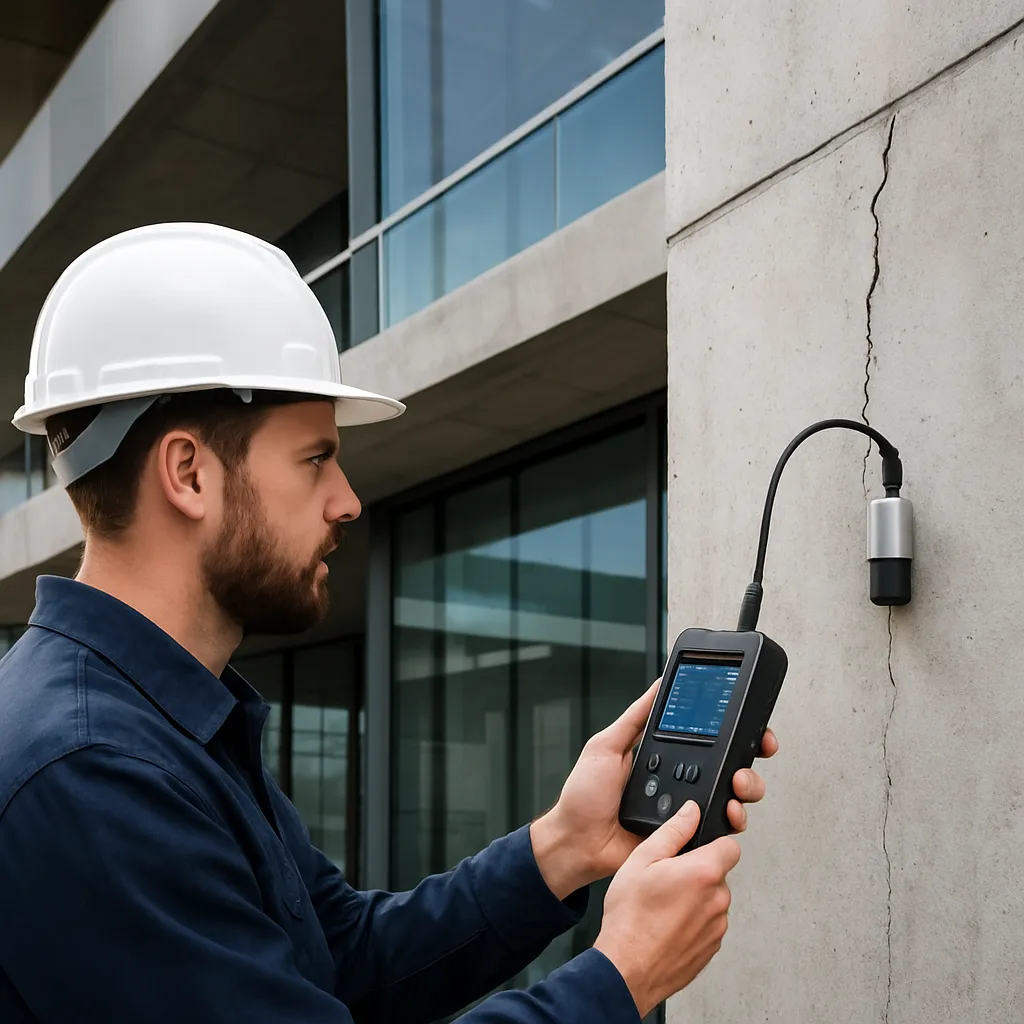
Noise-canceling architecture is no longer restricted to static constructs. The advent of AI-powered systems and edge computing enables buildings to monitor and respond to their sonic environment in real time. Arrays of microelectromechanical sensors measure decibel levels, frequency content, and directional sources. Meanwhile, networked actuators adjust façade louvers, deploy internal membranes, or modulate embedded speaker arrays to emit phase-inverted waves, effectively canceling disruptive sounds.
Real-Time Adaptive Surfaces
Imagine windows that become acoustically transparent at dawn for gentle birdcalls, then stiffen to block street noise during rush hour. Such surfaces rely on shape-memory alloys and piezoelectric skins that morph in response to control algorithms analyzing continuous audio input. By creating a feedback loop between environmental data and structural behavior, buildings become active participants in sound management.
Digital Twins and Acoustic Simulation
Before construction, architects employ digital twin platforms to simulate complex interactions between materials, geometry, and dynamic noise sources. These virtual models refine designs iteratively: adjusting wall curvature, fine-tuning panel spacing, and optimizing louver angles to achieve a specific acoustic signature. This simulation-driven practice reduces costly post-construction modifications and accelerates the adoption of innovative noise-control strategies.
Adaptive Urban Landscapes
Noise-canceling is moving beyond individual structures to encompass entire districts. Urban planners are conceptualizing “sound zoning” where different acoustic experiences coexist harmoniously. Green corridors equipped with vegetated berms not only sequester carbon but also muffle traffic and industrial hums. Interactive park installations allow citizens to create personalized sound bubbles—quiet pockets in the midst of a bustling metropolis—via sensor-guided canopies that lower noise by up to 80%.
- Living sound barriers: Vertical gardens infused with mycelial networks that absorb and transform sound energy.
- Smart pavement: Porous asphalt channels tire noise into subterranean resonant chambers for cancellation.
- Acoustic reflectors: Sculptural surfaces in plazas that redirect undesirable sound toward energy-harvesting panels.
- Community soundscapes: Public art pieces that modulate ambient tracks, blending urban noise with natural melodies.
These distributed strategies enable cities to tailor acoustic comfort on a block-by-block basis. Residential quarters can enjoy hushed atmospheres, while commercial zones retain dynamic soundscapes that signal vitality and draw foot traffic. This layered approach aligns with biophilic design principles, enhancing well-being by reconnecting citizens with sonic analogues of nature, such as rustling leaves or gentle rainfall.
Sociocultural Impact and Future Outlook
The implications of noise-canceling architecture extend beyond physical comfort. Studies have linked chronic exposure to urban noise with increased stress, sleep disruption, and diminished cognitive performance. By embracing adaptive acoustic control, future buildings may contribute to improved public health metrics and heightened workplace productivity. In educational settings, modular noise-canceling partitions could transform open-plan learning zones into acoustically distinct classrooms on demand.
Moreover, the acoustic identity of a city can become a form of cultural expression. Designers and civic authorities may collaborate on parametric soundscapes that reflect local heritage—integrating recorded oral histories or ambient music into the public realm. This sonic branding fosters a sense of place and social cohesion, as each neighborhood curates its unique auditory profile.
Looking ahead, emerging trends suggest even more radical possibilities. Drone fleets tasked with construction may incorporate noise-canceling rotors, minimizing their environmental impact. 3D-printed acoustic structures could be deployed as temporary installations for festivals, enabling dynamic reconfiguration of sound zones. As quantum sensors enter the mainstream, ultra-sensitive detection will allow buildings to preemptively adjust to distant noise events, effectively acting as aural weather stations.
Ultimately, the fusion of advanced materials science, intelligent systems, and holistic urban design heralds a new era in which architecture does more than shield inhabitants from sound; it engages in an active dialogue with the acoustic environment. In this future, tranquility, health, and cultural vitality will be built into the very fabric of our cities, setting the stage for a harmonious coexistence between people and the evolving soundscape that surrounds them.