


Beneath the sunlit world lies a realm where architects and engineers reimagine our built environment, harnessing the stability of earth to pioneer new forms of human habitation. Subterranean architecture pushes the boundaries of sustainability and spatial innovation, offering solutions to escalating urban density, climate volatility, and resource scarcity. By weaving together cutting-edge technologies and ecological principles, these underground ecosystems promise resilient and adaptive communities tailored for the challenges of tomorrow.
Conceiving the Underground Habitat
Engineering and Structural Considerations
Designing expansive underground spaces demands rigorous attention to geology, hydrology, and load-bearing capacity. Advanced soil studies and 3D modeling inform decisions about excavation and support systems. Tunnel-boring machines and controlled blasting techniques minimize disturbance to surrounding strata, while innovative support materials—such as fiber-reinforced concrete and high-strength steel—ensure long-term resilience. Structural engineers must also address potential seismic activity, water infiltration, and ventilation requirements to maintain safe, habitable conditions.
Environmental Integration
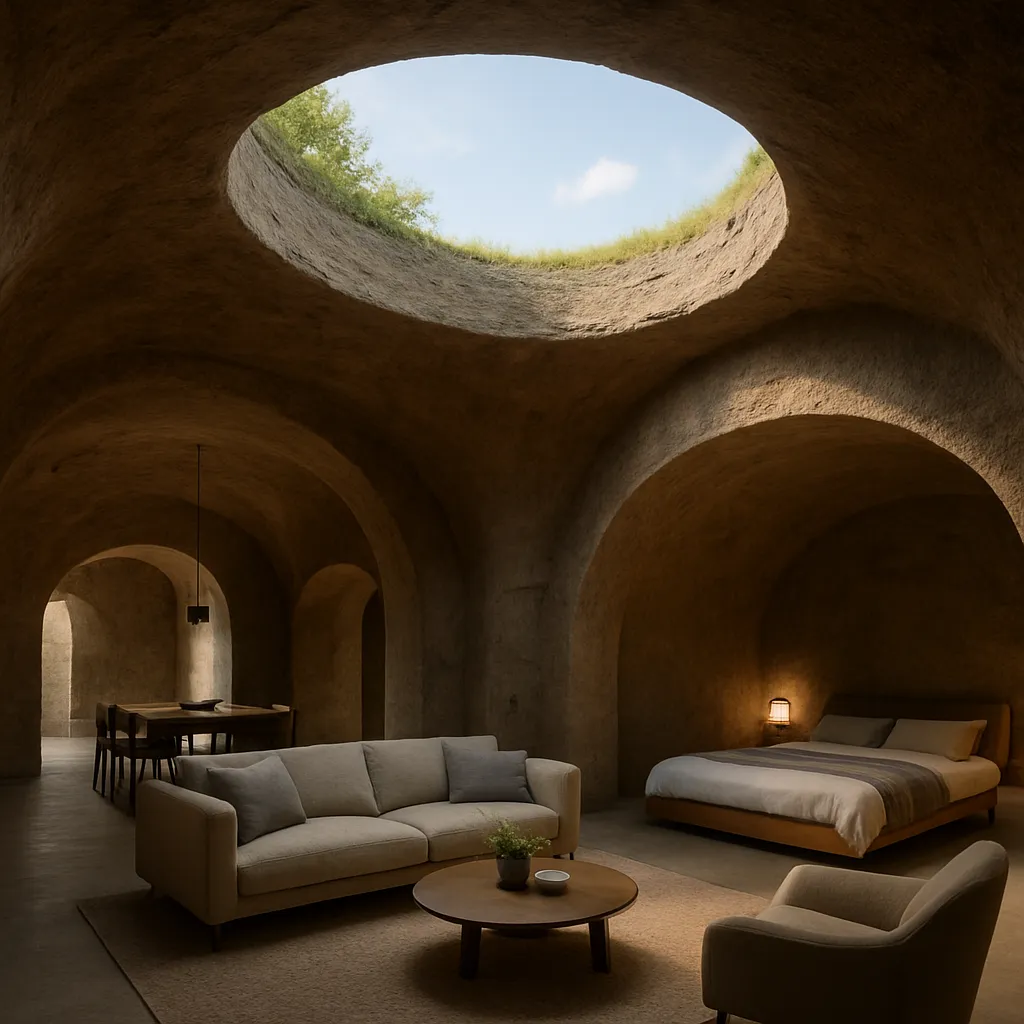
True subterranean living extends beyond carving out vast caverns; it involves harmonizing built form with natural processes. Through biophilic design strategies, daylight is channeled into underground corridors using light wells, optical fibers, and reflective shafts. Green corridors lined with mosses, ferns, and subterranean gardens promote air purification and mental well-being, replicating surface connections with nature. Water management systems capture and recycle groundwater, ensuring efficient use and preventing unwanted flooding within these enclosed habitats.
Technological Innovations Driving Subterranean Living
Geothermal Energy and Climate Control
One of the most compelling assets of the underground is its stable thermal gradient. By tapping into geothermal reservoirs, subterranean complexes can maintain comfortable temperatures year-round with minimal energy input. Heat exchangers and ground-source heat pumps extract stable warmth in winter and dissipate excess heat in summer. This natural climate control reduces reliance on conventional HVAC systems, slashing energy consumption and carbon footprints for communities hidden beneath the earth’s crust.
Smart Materials and Construction Techniques
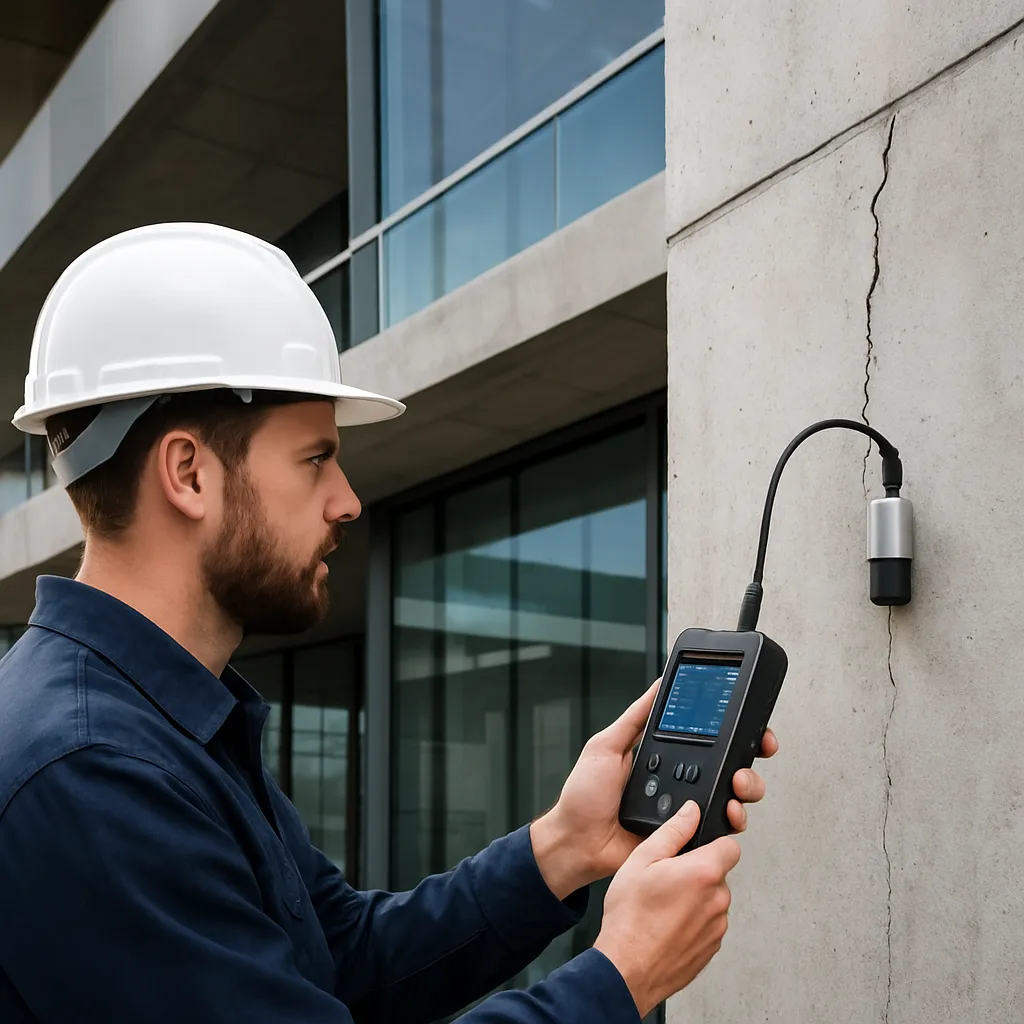
Emerging materials and methods are accelerating the feasibility of large-scale underground projects. 3D-printed concrete modules can be prefabricated off-site and assembled like building blocks, offering unparalleled modularity and speed. Self-healing concrete embedded with bacteria responds to micro-cracks, extending structural longevity. Nanocoatings repel moisture and inhibit mold, while sensor networks monitor structural integrity in real time, detecting stress points and guiding maintenance crews before issues escalate.
Societal Impacts and Cultural Adaptations
Community and Well-being
Subterranean settlements may at first evoke images of isolation, yet thoughtful planning fosters vibrant community life. Central atria illuminated by artificial skylights serve as communal gathering spaces, while paths and airways mimic the organic flow of surface streets. Wellness centers focus on circadian rhythm support, employing adjustable light spectra that align with human sleep cycles. Social programming—such as underground schools, markets, and performance venues—ensures that inhabitants maintain rich cultural and interpersonal connections.
Art, Design, and Aesthetics
Creative expression thrives even in the depths. Architects and artists collaborate to sculpt interior façades with organic textures, dynamic projections, and kinetic installations. Acoustic design transforms tunneling echoes into ambient soundscapes, elevating the sensory experience. Public art pieces—crafted from local rock or recycled excavation debris—honor the duality of natural earth and crafted environment, turning subterranean corridors into immersive galleries.
Challenges and Future Directions
Regulatory and Legal Frameworks
Governance of underground land-use demands novel regulations addressing property rights, safety standards, and environmental impact. Urban planners and legal experts must define the boundaries between private subterranean plots and public passageways, ensuring equitable access and resource distribution. Water rights, waste disposal, and emergency egress routes require stringent guidelines to protect both subterranean residents and surrounding ecosystems.
Research Frontiers and Pilot Projects
Innovators around the globe are testing pilot developments to validate theories of underground living. Experimental habitats integrate vertical farming stations that sprout vegetables under LED illumination, closing the loop between food production and habitat integration. Robotics-driven maintenance crews navigate narrow service tunnels, inspecting ventilation ducts and repairing membrane linings. Collaborative research centers study human physiological responses to prolonged underground residency, guiding design improvements for psychological comfort and occupational productivity.
- Eco-dome installations showcasing sustainable water and waste cycles
- Modular shelter prototypes for disaster relief or space analog missions
- Interactive wayfinding systems mapping subterranean networks in real time
Envisioning a Subterranean Future
As cities strive to balance growth with environmental stewardship, the underground frontier emerges as a compelling canvas for next-generation architecture. By blending advanced engineering, renewable energy harvesting, and immersive design, these hidden societies may redefine how humanity coexists with the planet. Far from mere novelty, subterranean communities represent a strategic approach to adaptation and long-term habitat planning—integrating shelter, infrastructure, and nature into a coherent whole. The collaboration between designers, policymakers, and inhabitants will determine whether this vision takes root, transforming the depths beneath our feet into vibrant, sustainable human landscapes.