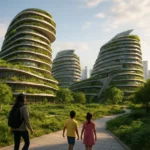


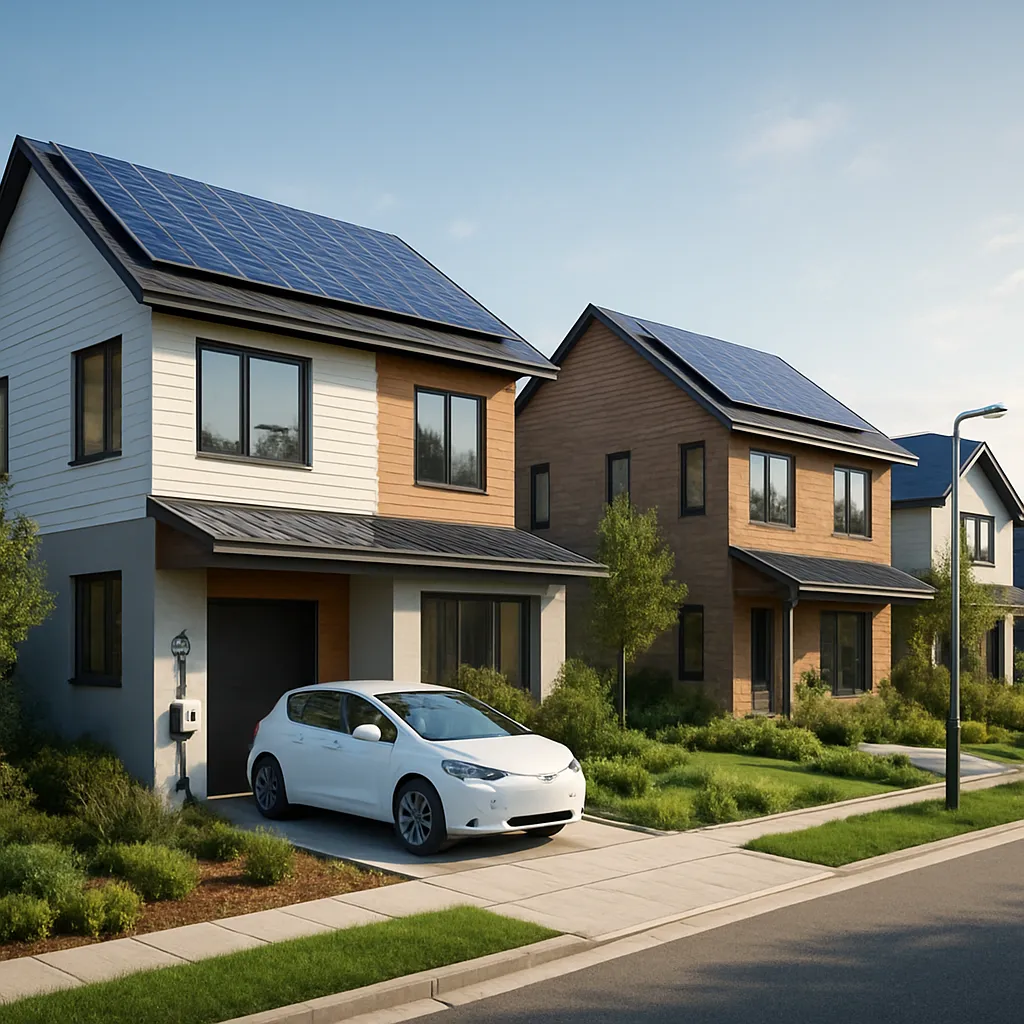
Envisioning suburban landscapes where technology and ecology converge, architects and planners are reimagining the very notion of neighborhood living. Emerging trends emphasize sustainability and innovation at every scale, from individual homes to entire community layouts. As suburbs evolve into vibrant hubs of resourcefulness and comfort, the blueprint for tomorrow’s residential districts emphasizes intelligent design, renewable energy, and social cohesion. Below are detailed explorations of the key pillars shaping the future of suburban architecture.
Green and Resilient Community Design
Suburban districts are transforming into living laboratories for environmental stewardship. Instead of sprawling, uniform developments, planners now prioritize landscape-responsive master plans. These integrate natural topography, microclimate analysis, and stormwater management to create neighborhoods that thrive under changing conditions. Central to this vision is resilience, ensuring homes and amenities bounce back quickly after extreme weather or resource shortages.
- Distributed renewable energy systems such as solar canopies and neighborhood microgrids
- Green corridors and bioswales that filter runoff and promote biodiversity
- Rainwater harvesting and greywater recycling for irrigation and nonpotable needs
- Community gardens and urban farms fostering local food production
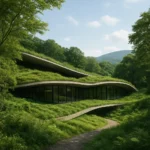
In these neighborhoods, shared green spaces double as stormwater retention zones, while permeable pavements reduce flooding risk. Coupled with strategic tree planting and reflective surfaces, the overall heat island effect diminishes, making suburbs cooler and more comfortable year-round.
Integration of Smart Technologies
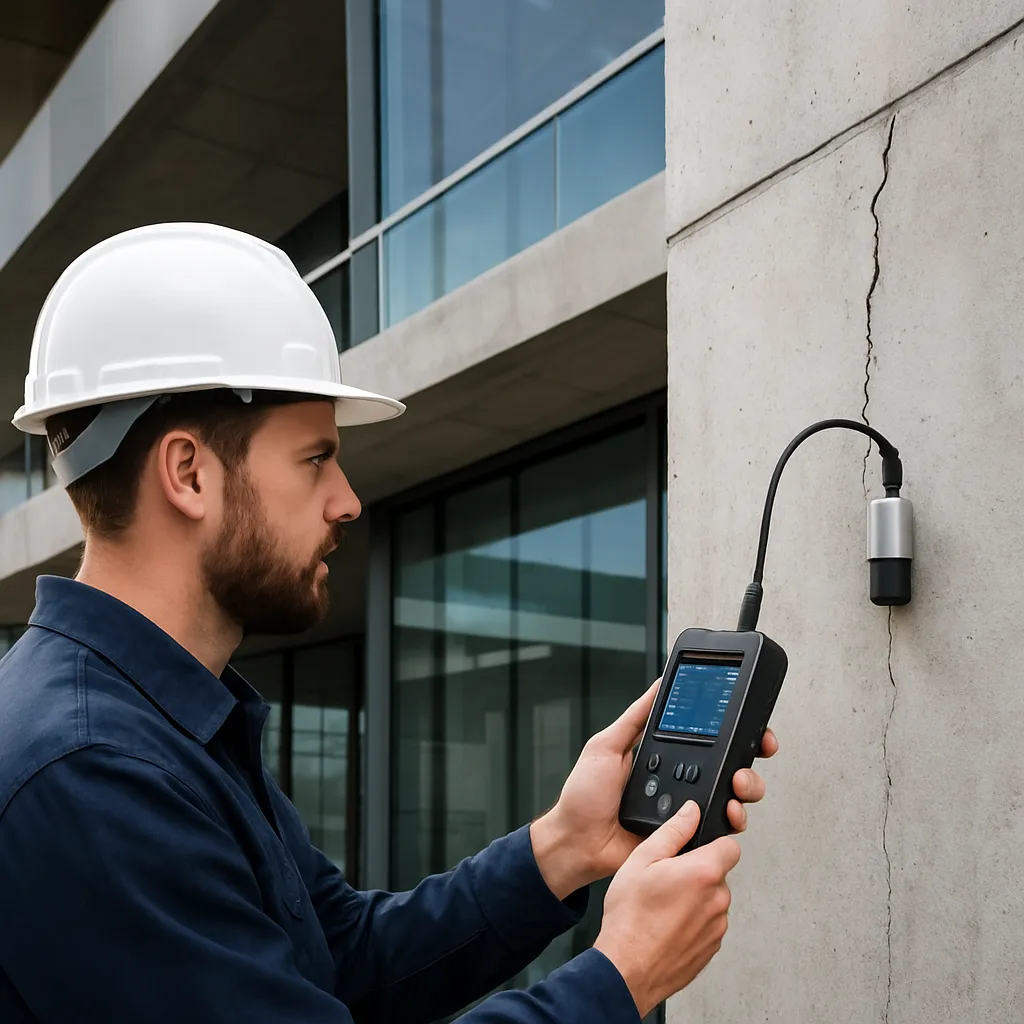
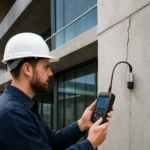
At the heart of futuristic suburbs is a digital layer that connects devices, people, and infrastructure seamlessly. Homes equipped with IoT sensors continuously monitor air quality, structural health, and occupancy patterns. Automated HVAC and lighting systems adapt in real time, optimizing comfort and minimizing waste. Such automation extends beyond individual dwellings to entire street networks, where smart streetlights adjust brightness based on pedestrian activity.
Key components include:
- Mesh networks linking homes, public spaces, and mobility hubs
- AI-driven energy management platforms that balance on-site generation with grid demand
- Voice and gesture controls for effortless home environment adjustments
- Predictive maintenance alerts for community assets such as elevators or water pumps
Robust connectivity ensures residents enjoy seamless video conferencing, telemedicine, and remote work setups. Integration with decentralized ledger technologies also secures privacy and enables transparent energy trading within the neighborhood.
Modular and Adaptive Building Systems
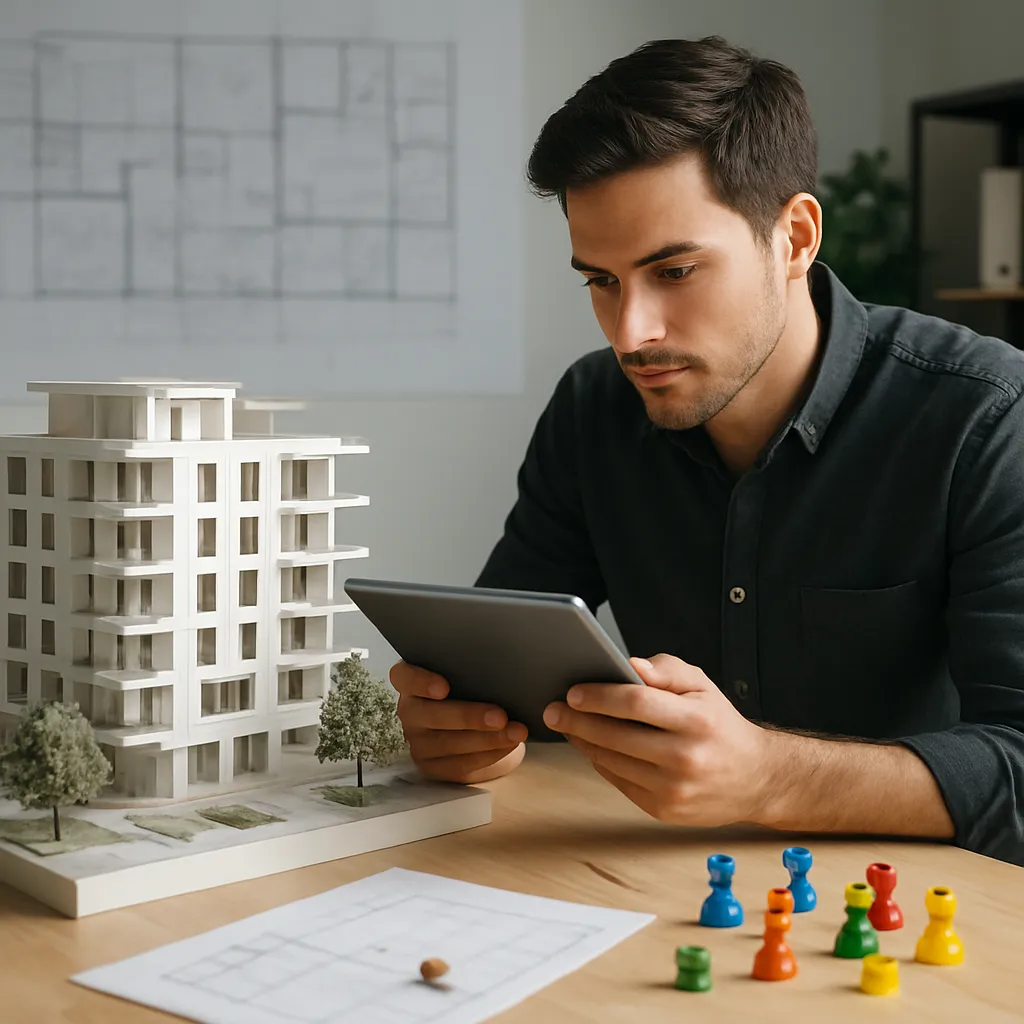
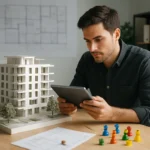
Traditional construction methods struggle to meet the agility needed for tomorrow’s suburbs. Enter prefabricated, modular components that can be rapidly assembled, reconfigured, or expanded on-site. This approach reduces waste, cuts construction timelines, and allows homes to evolve with changing family needs. Emphasizing modularity, manufacturers produce standardized pods—kitchen modules, bath units, or sleeping lofts—that lock together like building blocks.
Benefits of this system include:
- Reduced material waste through precise factory fabrication
- Lower on-site labor requirements and minimized weather-related delays
- Scalable upgrades, such as adding extra rooms or workspaces without full-scale renovation
- Ease of deconstruction and recycling when components reach end-of-life
Adaptive facades with adjustable louvers and shading devices allow homeowners to fine-tune solar exposure. In colder climates, insulated panel kits slide over existing walls, boosting thermal performance in winter while maintaining ventilation in summer.
Biophilic and Wellness-Centered Environments
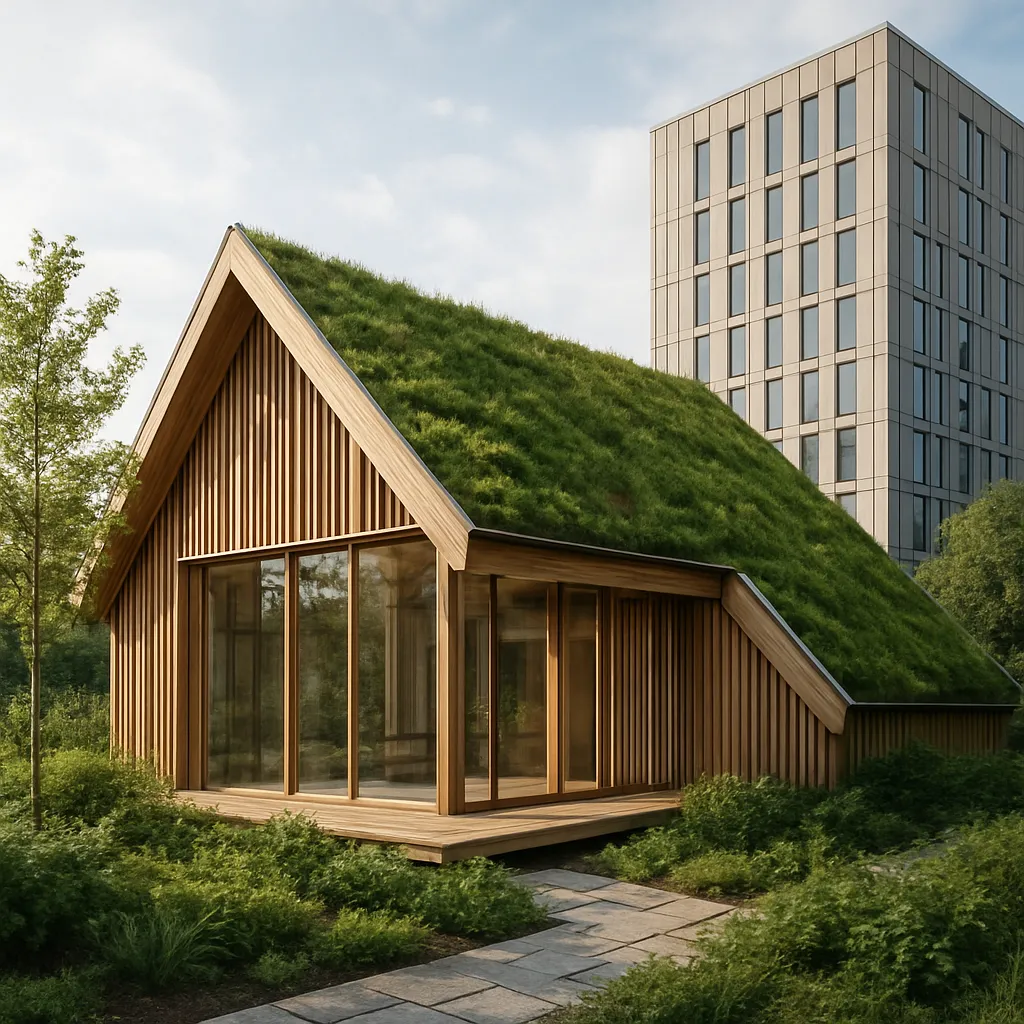
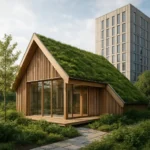
Designers are weaving natural elements into suburban residences to enhance physical and mental health. Embracing biophilic principles, homes feature living green walls, indoor gardens, and ample daylighting. Patterns inspired by nature—curving paths, organic shapes, and water features—promote a sense of calm and belonging.
- Indoor/outdoor transition zones like retractable glass walls and screened porches
- Wood and natural stone finishes that age gracefully and improve air quality
- Dedicated wellness pods for meditation, yoga, or hydrotherapy
- Soundscaping elements such as trickling streams or wind chimes to mask urban noise
Outdoor amenity clusters include community arboretums, forest bathing trails, and edible landscapes. These shared resources foster social connections while nurturing well-being, reducing stress and encouraging active lifestyles for all age groups.
Mobility and Infrastructure Innovations
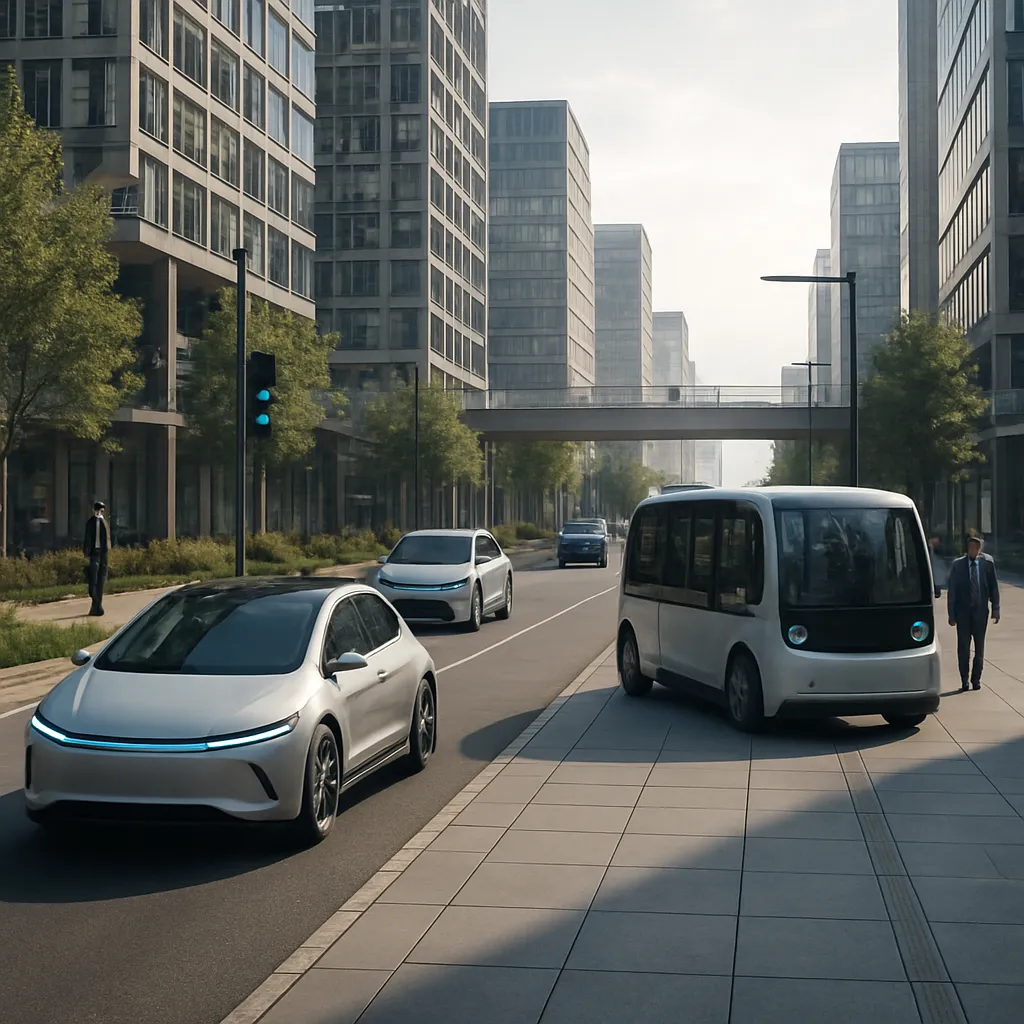
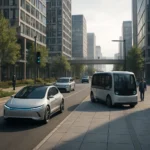
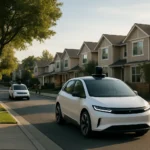
Futuristic suburbs are not just about homes—they’re about seamless movement. Streetscapes prioritize pedestrians and cyclists, while lanes for autonomous shuttles and electric buses enhance connectivity. Integrated charging corridors, embedded in sidewalks or lamp posts, support on-the-go energy-efficiency for EVs and e-bikes.
Major advancements include:
- Smart parking sensors directing drivers to available spaces in real time
- On-demand autonomous ride-sharing services linking residential clusters with transit hubs
- Dynamic curb zones for package delivery robots and last-mile logistics
- Mobility-as-a-Service (MaaS) platforms offering subscription-based multi-modal travel
This network reduces car ownership dependency, lowers traffic congestion, and encourages more sustainable travel habits. Public plazas double as flexible plazas for pop-up markets or community gatherings, activated by modular street furniture and adaptive lighting.
Path to Net-Zero Suburbs and Circular Economy
Achieving net-zero carbon footprints requires a holistic approach—from material sourcing to daily operations. Suburban master plans now mandate life-cycle assessments for buildings, favoring low-carbon concrete alternatives and locally harvested timber. Rooftops bristle with photovoltaics, while smart inverters synchronize production with battery storage and grid export.
- On-site anaerobic digesters converting organic waste into biogas for heating
- Shared tool libraries and repair cafés reducing embodied resource consumption
- Construction offcuts recycled into insulation panels or composite cladding
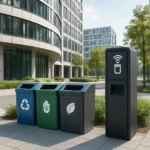
- Community-wide composting schemes enriching soils and closing nutrient loops
By embedding principles of the circular economy, suburbs transform into regenerative systems. Demolition debris finds new life, water circulates endlessly, and energy remains perpetually within neighborhood boundaries. This closed-loop mindset ensures that future generations inherit not a burden, but a vibrant, self-sustaining environment.