

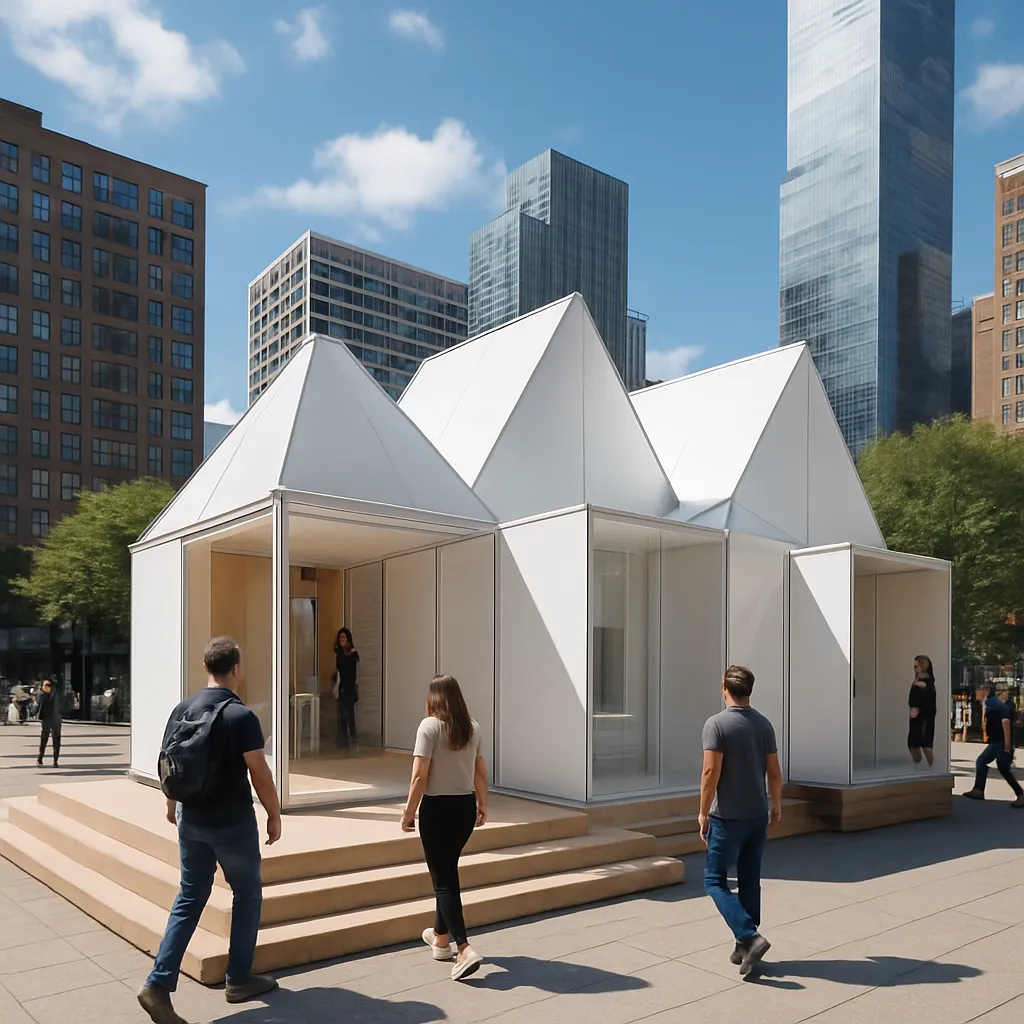
Exploring the intersection of innovation and urban space, this article delves into how fleeting structures can transform cityscapes. Pop-up urbanism offers a blueprint for adaptive, human-centric design that redefines the relationship between architecture and community on a temporary basis.
Evolution of Pop-Up Urbanism
The seeds of temporary architecture were sown when architects and planners began experimenting with ephemeral pavilions, festival stages and tactical urbanism interventions. During the 1960s and ’70s, avant-garde movements experimented with inflatable structures, while the 1990s saw containerized bars and shops dotting city plazas. Today’s pop-up is more than a novelty—it is a catalyst for social engagement and rapid prototyping in the public realm.
Historical Precursors
Early examples included traveling exhibitions like the British Festival of Britain and mobile performance tents. These pioneers demonstrated how quickly a space could be transformed for new uses. The underlying principle was simple: create low-cost, easily deployable installations that engage passersby and challenge static building paradigms.
- Modular booths at world fairs
- Inflatable art installations
- Street markets in repurposed vehicles
- Project-based pavilions by leading architects
Technological Frontiers in Temporary Design
Temporary architecture thrives on cutting-edge technologies that enable rapid assembly, lightweight performance and even self-deployment. The marriage of parametric design software with digital fabrication tools has made it possible to optimize every component for minimal waste.
Parametric & Robotic Fabrication
Designers now harness algorithms to generate complex geometries that are then fabricated by robotic arms or CNC machines. This approach yields bespoke panels and connectors that snap together on site, cutting construction time drastically.
- Algorithm-driven form-finding for dynamic canopies
- Robotic 3D printing of structural nodes
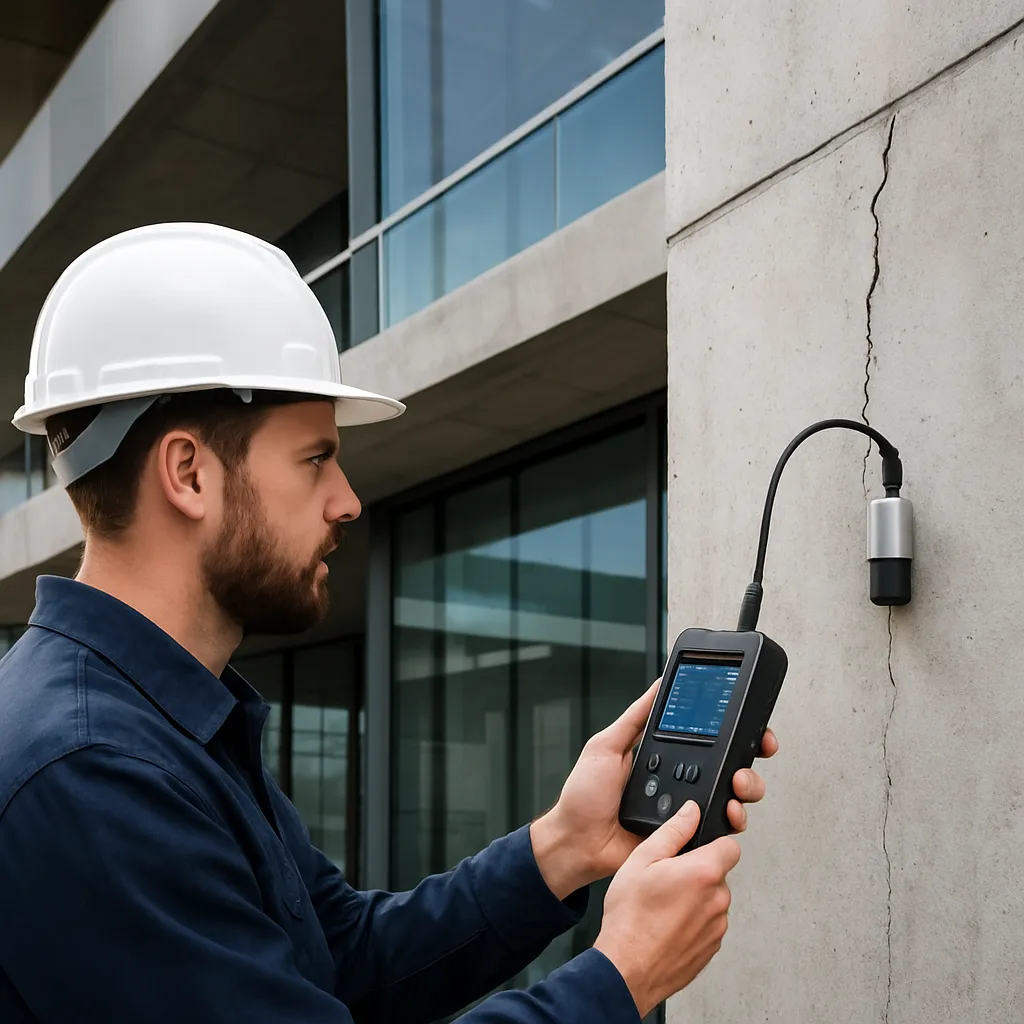
- Smart joints with embedded sensors
- Adaptive shading systems controlled by IoT
Smart Materials & Self-Assembly
Advances in material science have introduced shape-memory alloys and responsive polymers that can change configuration with heat or electrical stimulus. Self-folding panels packaged flat can spring to life when aqueous or thermal triggers are applied, enabling truly autonomous deployment.
Environmental & Social Synergy
Pop-up urbanism is uniquely positioned to embody sustainable principles. Its intrinsic circular economy mindset emphasizes the reuse of elements across multiple installations, minimizing embodied carbon and material waste.
Eco-Conscious Strategies
Temporary structures can leverage reclaimed timber, recycled plastic modules and refurbished shipping containers. When decommissioned, every component is designed for disassembly, repurposing or recycling.
- Rainwater harvesting for irrigation and cooling
- Solar photovoltaic skins for off-grid power
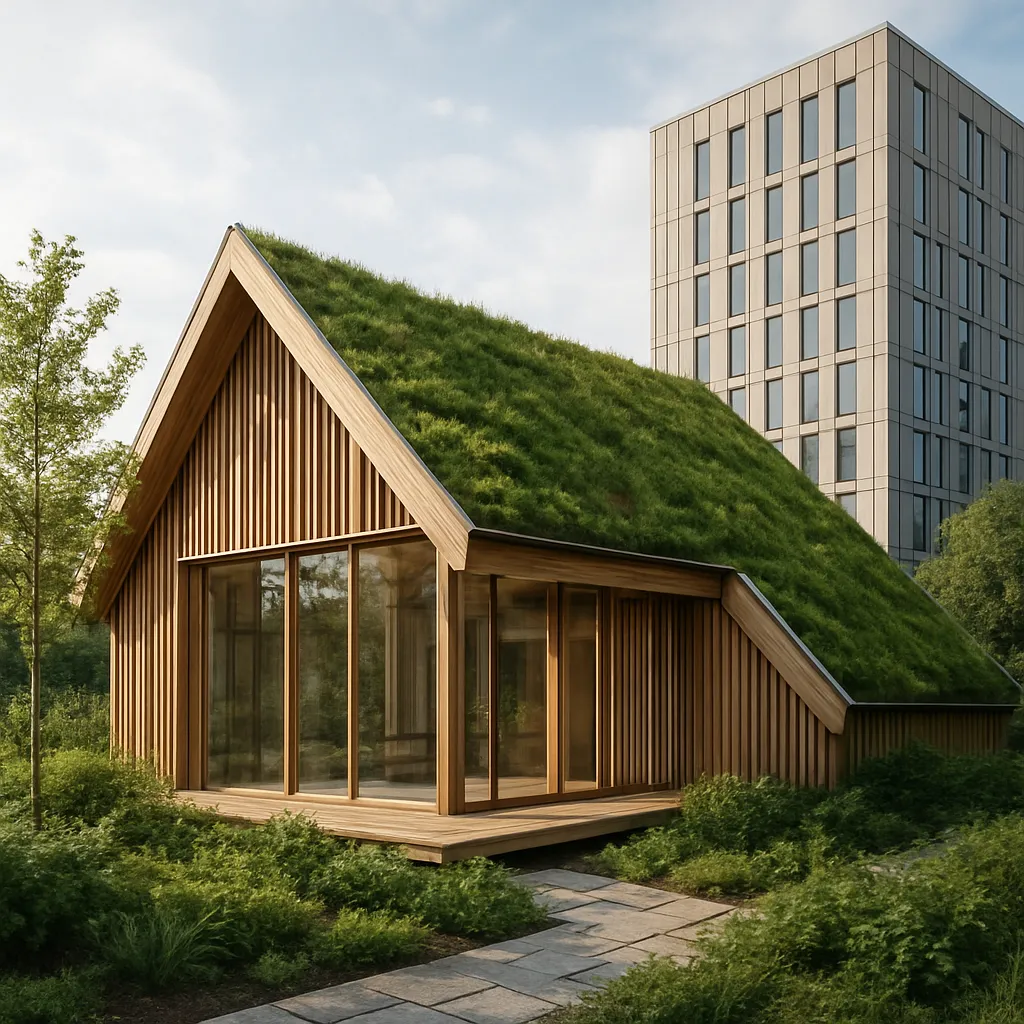
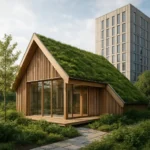
- Green roofs on modular pavilions for biodiversity
- Low-VOC finishes to ensure healthy interiors
Community Engagement & Social Impact
Beyond ecological concerns, pop-up urbanism drives community engagement by offering flexible venues for workshops, open-air cinemas and farmer’s markets. Residents are often invited to co-create installations, making each project a collective experiment in placemaking.
Visionary Prospects and Integration
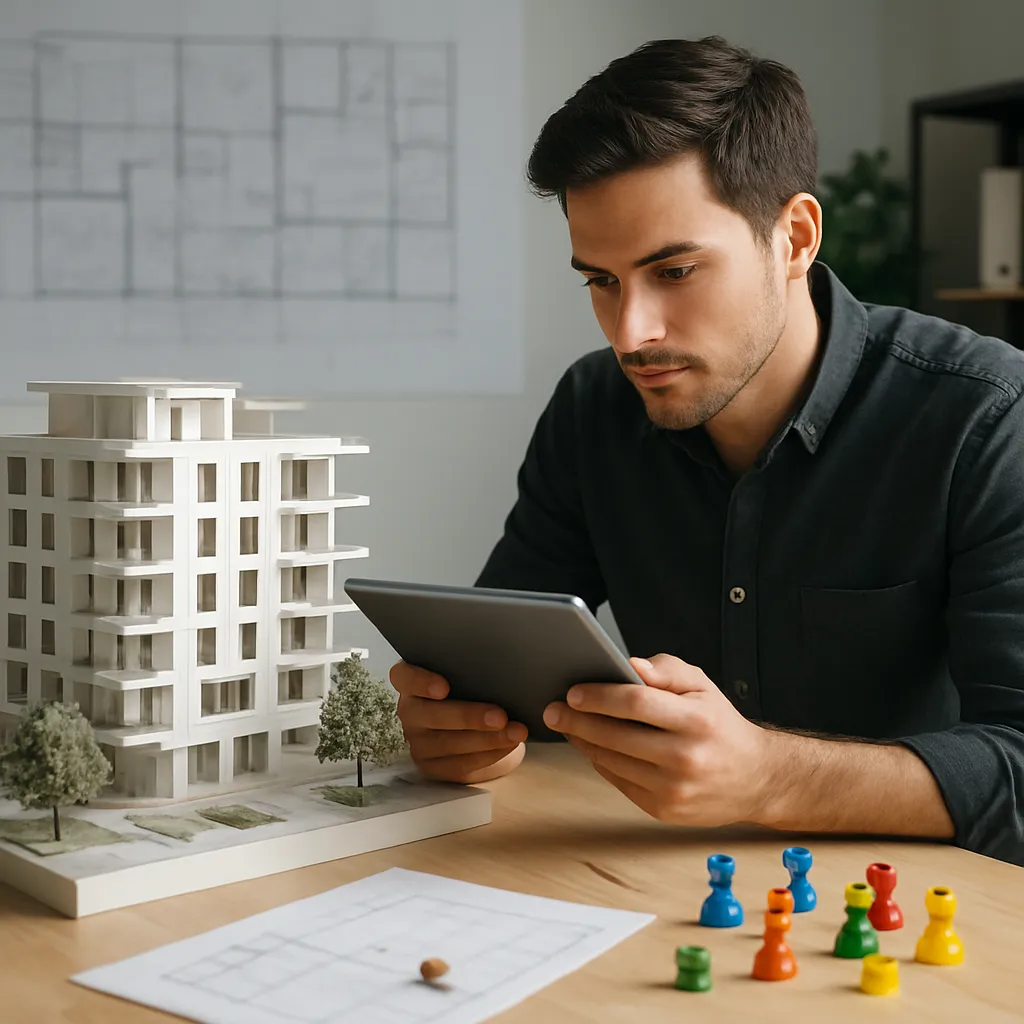
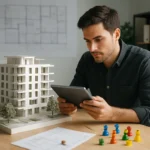
Looking forward, pop-up architecture is poised to merge with smart-city frameworks, ushering in real-time data feedback loops that inform design tweaks mid-life. The integration of digital twin models with physical structures will allow operators to simulate spatial use patterns and optimize layouts before a single module is deployed.
Data-Driven Adaptability
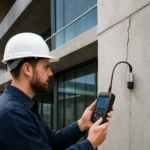
Through embedded sensors and urban analytics, temporary installations can monitor footfall, climate conditions and social interactions. Designers can then adjust configurations on the fly, maximizing both comfort and engagement. This resilience-driven approach ensures that pop-up projects remain relevant throughout their lifespan.
- Augmented reality overlays for user wayfinding
- Real-time crowd-sourced feedback portals
- Dynamic facades responding to environmental data
- Predictive maintenance guided by IoT diagnostics
Scaling Pop-Up Networks
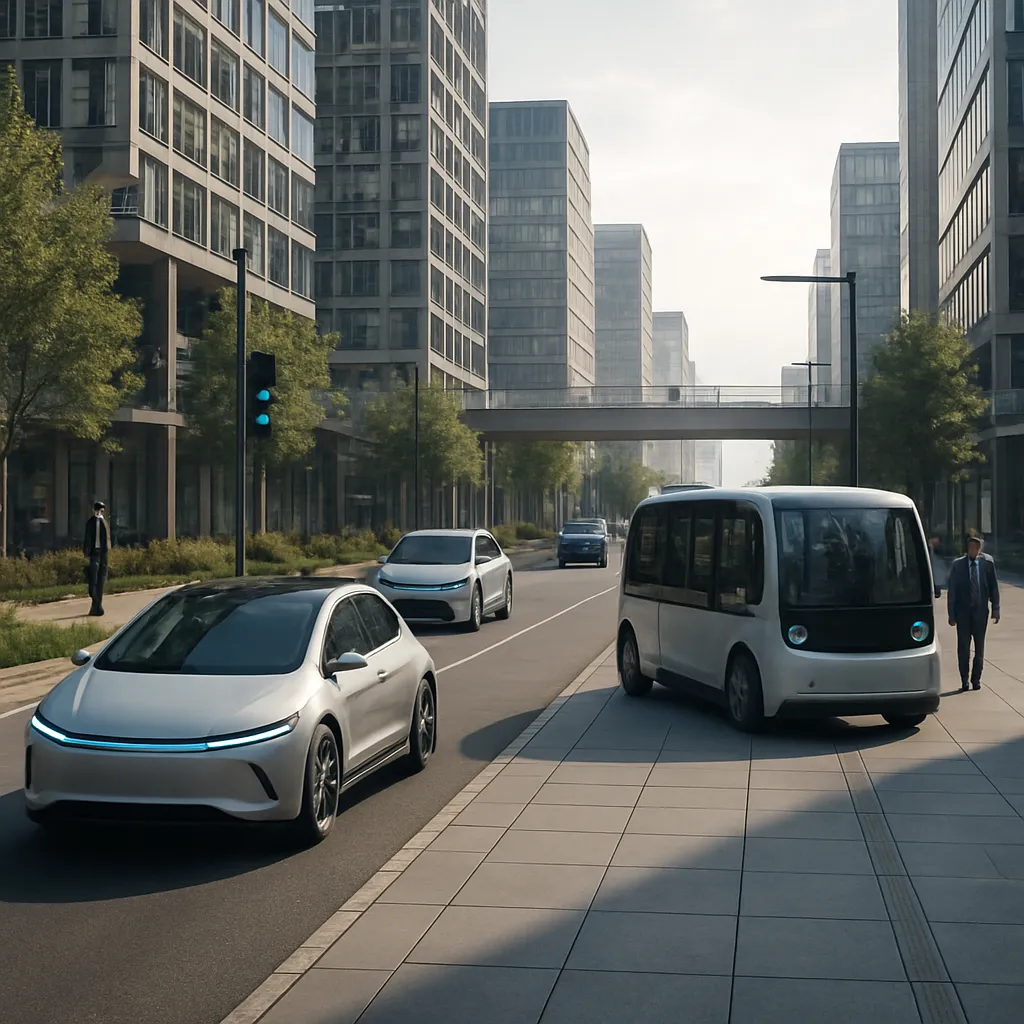
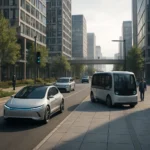
Future metropolises may deploy modular hubs that migrate between neighborhoods, offering co-working spaces, healthcare clinics or art galleries as needed. A fleet of autonomous adaptive pods could dock at docking stations across the city, creating a fluid network of services that responds to real-time demand.
As pop-up urbanism evolves, the line between temporary and permanent will blur. Architects will explore hybrid models where certain pods integrate directly into building envelopes, or where modular units become semi-permanent community anchors. This urbanism paradigm champions flexibility, local empowerment and a constant capacity for reinvention in the cityscape.