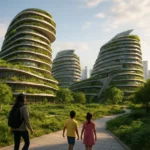
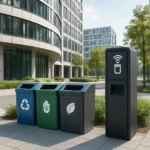
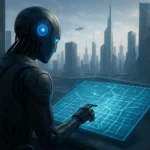
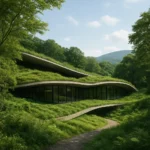
The Next Era of Cultural Landmarks: Digital and Interactive explores a bold vision where architecture merges with technology to redefine public spaces. This narrative delves into how innovation in design and engineering creates immersive experiences, fosters community engagement, and forges new connections between citizens and the urban environment. By examining digital façades, augmented reality overlays, and sustainable strategies inspired by biomimicry, we discover how the next generation of cultural hubs transcends mere buildings to become living, breathing landmarks that adapt, respond, and evolve.
Transforming Urban Landscapes with Digital Façades
As cities grow, the pressure to stand out intensifies. Digital façades offer a dynamic canvas that transforms static exteriors into ever-changing works of art. Integrating LED panels, projection mapping, and responsive materials, these surfaces react to environmental data, social media feeds, and pedestrian movement, creating a living tapestry of color and light.
Dynamic Expression
Digital façades harness sensor networks to monitor temperature, air quality, and foot traffic, translating metrics into visual narratives. Architects collaborate with artists and programmers to choreograph patterns that celebrate local festivals or interpret real-time data streams. This synergy of design and code fosters a sense of belonging as citizens witness their city breathing and communicating through the built environment.
Adaptive Urban Art
More than decoration, these interactive screens serve civic purposes. Emergency alerts, transit schedules, and event announcements appear seamlessly alongside artistic displays. Passersby can engage via smartphone apps, voting on color schemes or uploading images that momentarily grace the façade. This bidirectional connectivity turns pedestrians into co-creators, reinforcing the idea that public architecture belongs to everyone.
- Responsive LED matrices driven by environmental sensors
- Projection mapping aligned with building geometry
- Data-driven visualizations celebrating local culture
- Mobile interfaces for user-generated content
Immersive Experiences and Augmented Reality Integration
Blurring the boundary between physical and digital realms, immersive environments transport visitors into multisensory worlds. Through augmented reality (AR) and spatial audio, these installations layer narratives over urban backdrops, offering personalized tours and interactive performances that suit individual interests and accessibility needs.
Personalized Discovery
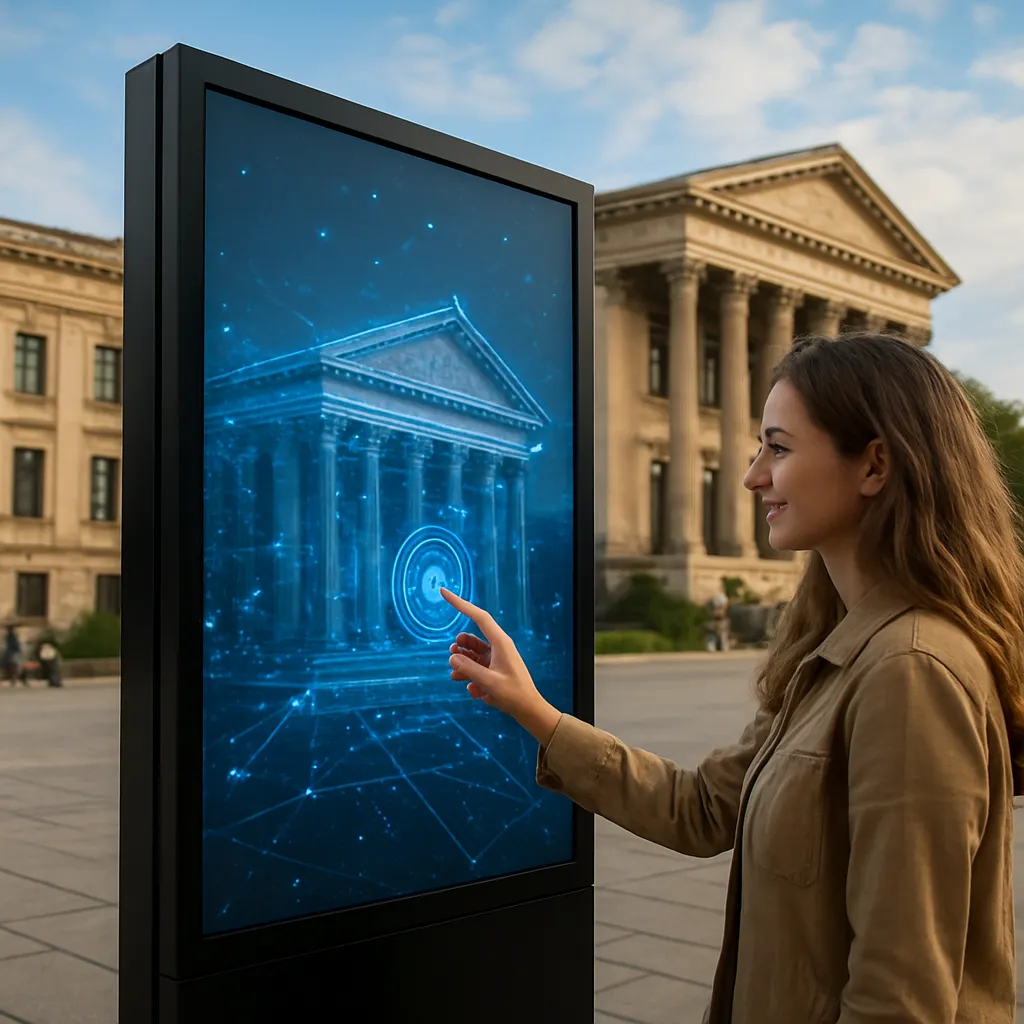
Smart glasses and AR-enabled smartphones guide explorers along curated paths. Historical facts, architectural details, and multimedia art emerge as digital overlays on heritage sites. By tapping into geolocation and user preferences, the system tailors commentary, recommending routes that highlight sustainable design features or hidden cultural anecdotes.
Collective Engagement
Large-scale AR projections turn squares and plazas into communal stages. During festivals, participants control virtual elements through gestures, assembling collaborative digital sculptures or orchestrating light shows in real time. This interactive layer cultivates social bonds, transforming passive observers into active contributors in a shared urban narrative.
- Geo-tagged digital content enriching historical tours
- Gesture-based controls for public light installations
- Adaptive audio landscapes synced with movement
- Accessibility modes for sensory-impaired audiences
Sustainability and Biomimicry in Futuristic Design
Environmental resilience underpins the next wave of cultural landmarks. Drawing inspiration from natural systems, biomimicry informs structural forms, material choices, and energy strategies. These living architectures reduce carbon footprints, enhance biodiversity, and respond adaptively to climate challenges.
Living Skins and Climate Regulation
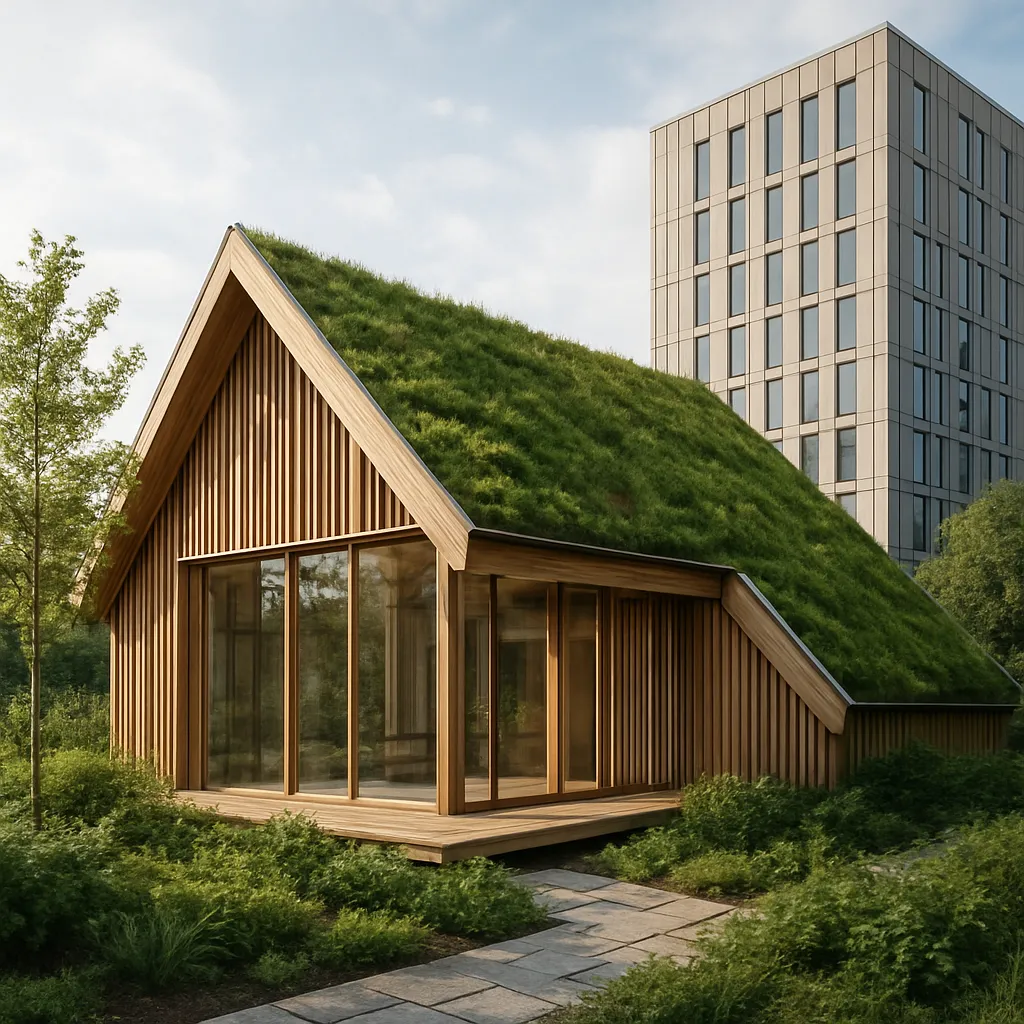
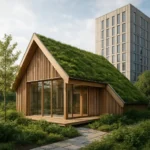
Green façades and algae-filled panels regulate temperature and improve air quality. Automated shading devices mimic leaf orientations, adjusting to sunlight angles for optimal cooling. Rainwater harvesting integrated into sculptural rooftops channels moisture into on-site wetlands, creating microhabitats and educational trails.
Generative Design and Circular Materials
Advanced algorithms simulate optimal structural geometries, minimizing material usage while maximizing strength. Recycled composites, bio-based resins, and 3D-printed components support a closed-loop economy. Each landmark becomes a living laboratory, showcasing sustainability as a core aesthetic and functional principle.
- Algae bioreactors embedded in building envelopes
- Self-shading louvers modeled after sunflower movements
- 3D-printed modular components from recycled plastics
- On-site biodiversity zones fostering urban ecosystems