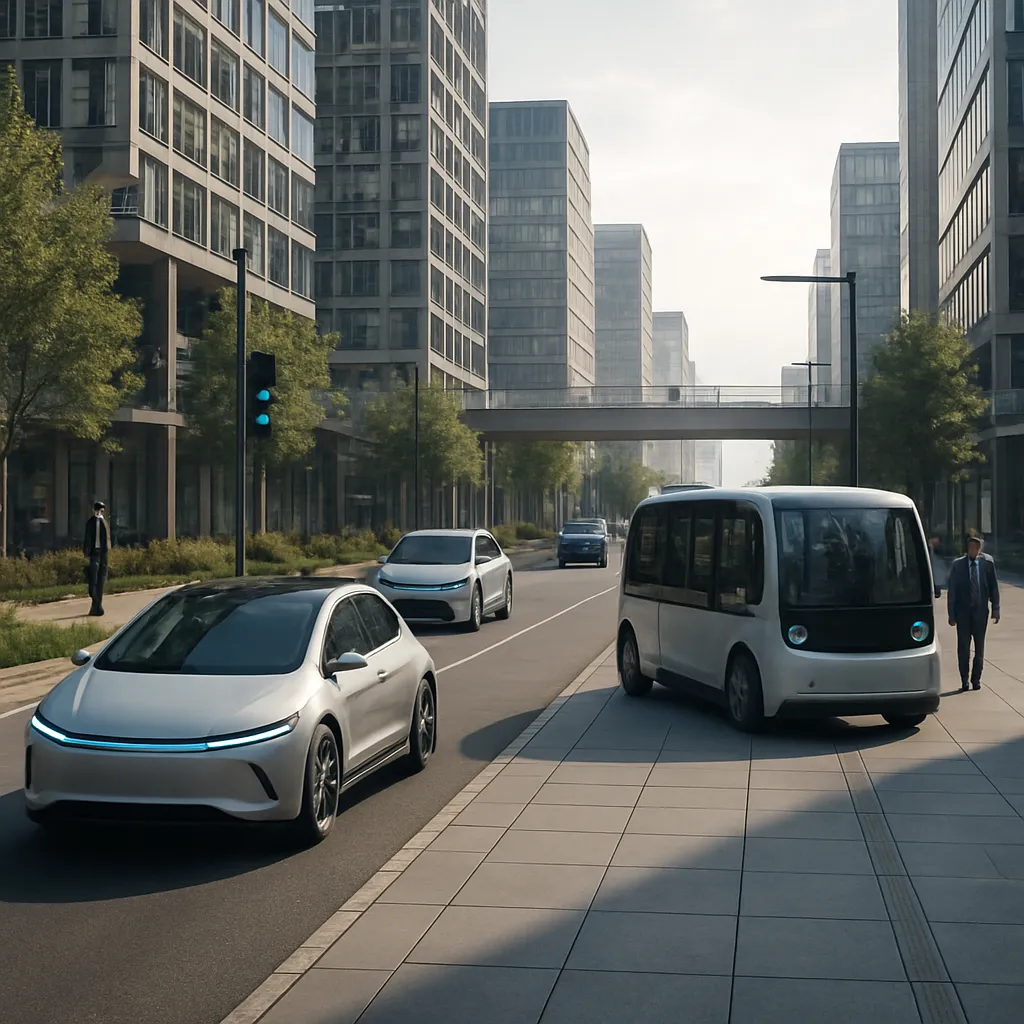









Envision a network of roadways that do more than connect cities—they interact, adapt, and power the world around them. Smart highways represent an ambitious leap in sustainability and mobility, merging cutting-edge infrastructure with dynamic digital systems. These corridors of tomorrow aim to optimize traffic flow, harness renewable energy, and communicate with autonomous vehicles in real-time. By rethinking every facet of traditional paving—from materials to embedded electronics—engineers and architects are charting a path toward unprecedented efficiency and resilience.
The Evolution of Smart Highways
Early experiments in road automation began with primitive sensor loops and adaptive traffic signals, but the concept of a fully integrated corridor has only recently become feasible. As urban populations swell and climate concerns intensify, the pressure to enhance transport networks has spurred investments in next-generation pavement solutions.
Initial prototypes focused on heated road surfaces to combat snow and ice, demonstrating the potential of active systems within the roadbed. Gradually, these projects evolved into comprehensive platforms capable of monitoring structural health, managing energy distribution, and guiding autonomous fleets. The integration of digital intelligence marks a radical departure from passive asphalt, transforming highways into living, responsive ecosystems.
Modern pilot programs in Europe and Asia have unveiled road segments equipped with induction coils for wireless vehicle charging, adaptive lighting that brightens only when pedestrians approach, and solar-absorbing coatings that convert sunlight into electricity. These initiatives point toward a future in which highways themselves become distributed energy hubs, fueling both roadside infrastructure and passing cars.
Public acceptance and regulatory frameworks have had to catch up, but growing awareness of environmental challenges has accelerated policy support. Smart highways are no longer a distant vision—they stand at the nexus of urban planning, civil engineering, and information technology, ready to redefine the role of transport arteries worldwide.
Core Technologies Shaping the Future
Embedded Sensor Networks
A comprehensive suite of sensors lies at the heart of any smart highway. Pressure-sensitive tiles, weight measurement stations, and infrared arrays combine to deliver continuous data streams about traffic density, pavement integrity, and weather conditions. Through advanced sensors, structural weaknesses can be detected long before they necessitate costly repairs, enhancing overall resilience.
Wireless Communication and Connectivity
High-capacity fiber optics and 5G nodes embedded alongside roadways enable constant interaction between vehicles and infrastructure. Such connectivity allows for cooperative adaptive cruise control, in which cars synchronize speeds to reduce congestion and fuel consumption. Over-the-air updates keep edge devices on the roadside perpetually optimized for security and performance.
Energy Harvesting and Distribution
Innovations in photovoltaics and piezoelectric materials turn highways into power generators. Solar panels integrated into guardrails or the road surface capture sunlight, while pressure from moving vehicles generates supplemental electricity. This distributed generation model feeds microgrids serving streetlights, charging stations, and emergency call boxes.
Autonomous Vehicle Integration
Smart highways are designed to support varying levels of vehicle autonomy, from driver assistance to full self-driving modules. Clearly marked lanes with embedded beacons broadcast guidance signals, allowing onboard systems to navigate safely at high speeds. As cars offload processing to the road network, they can achieve greater situational awareness with reduced onboard hardware demands, paving the way for widespread autonomous adoption.
Design Principles and Sustainable Materials
As the backbone of futuristic corridors, the pavement itself must advance beyond standard asphalt and concrete mixtures. Emerging formulations incorporate recycled plastics, rubber granules from discarded tires, and carbon fiber reinforcements to enhance durability and reduce environmental impact.
Researchers experiment with self-healing composites that release polymer seals when microcracks form, prolonging the life cycle of the roadway. Porous concrete sections improve stormwater management, channeling rain into underground reservoirs for reuse in irrigation or washdown systems. Such designs demonstrate how functional surfaces can address broader ecological issues within urban catchments.
- Recycled aggregate blends for lower embodied carbon
- Phase-change materials that moderate surface temperature
- High-friction coatings to reduce skidding and accidents
- Acoustic barriers embedded into sound-dampening tarmac
Urban planners emphasize adaptability by reserving dynamic lanes that can switch between public transit, freight, or bicycle traffic depending on demand. This flexibility enhances roadway capacity without the need for constant physical expansions, aligning with principles of sustainability and efficient land use.
Challenges and Implementation Strategies
Despite their promise, smart highways face several hurdles. The initial capital outlay can be substantial, requiring robust public–private partnerships and innovative financing models. Maintenance of embedded electronics poses new logistical challenges, demanding specialized crews and monitoring platforms.
Data privacy and cybersecurity rank among the foremost concerns. Each sensor node and communication link must be fortified against unauthorized access. Failure to do so could compromise traffic safety or allow malicious actors to disrupt the entire network.
Integration with existing infrastructure calls for phased rollouts that balance innovation with reliability. Pilot corridors often serve as living labs, enabling stakeholders to refine technology stacks before large-scale deployment. Such incremental strategies mitigate risk while demonstrating tangible benefits to communities.
Policymakers, engineers, and environmental experts must collaborate to establish performance metrics that quantify energy savings, emission reductions, and traffic improvements. Public engagement campaigns help build trust, ensuring that local residents understand the benefits and potential disruptions of ongoing construction.
Envisioning Tomorrow’s Transportation Landscape
Smart highways herald a transformative chapter in civil engineering and urban design. By embedding intelligence within every layer of pavement and combining advanced materials with digital frameworks, these corridors promise safer, cleaner, and more efficient journeys. As prototypes expand into major thoroughfares, the dream of an interconnected, self-regulating transport network draws ever closer to reality.