
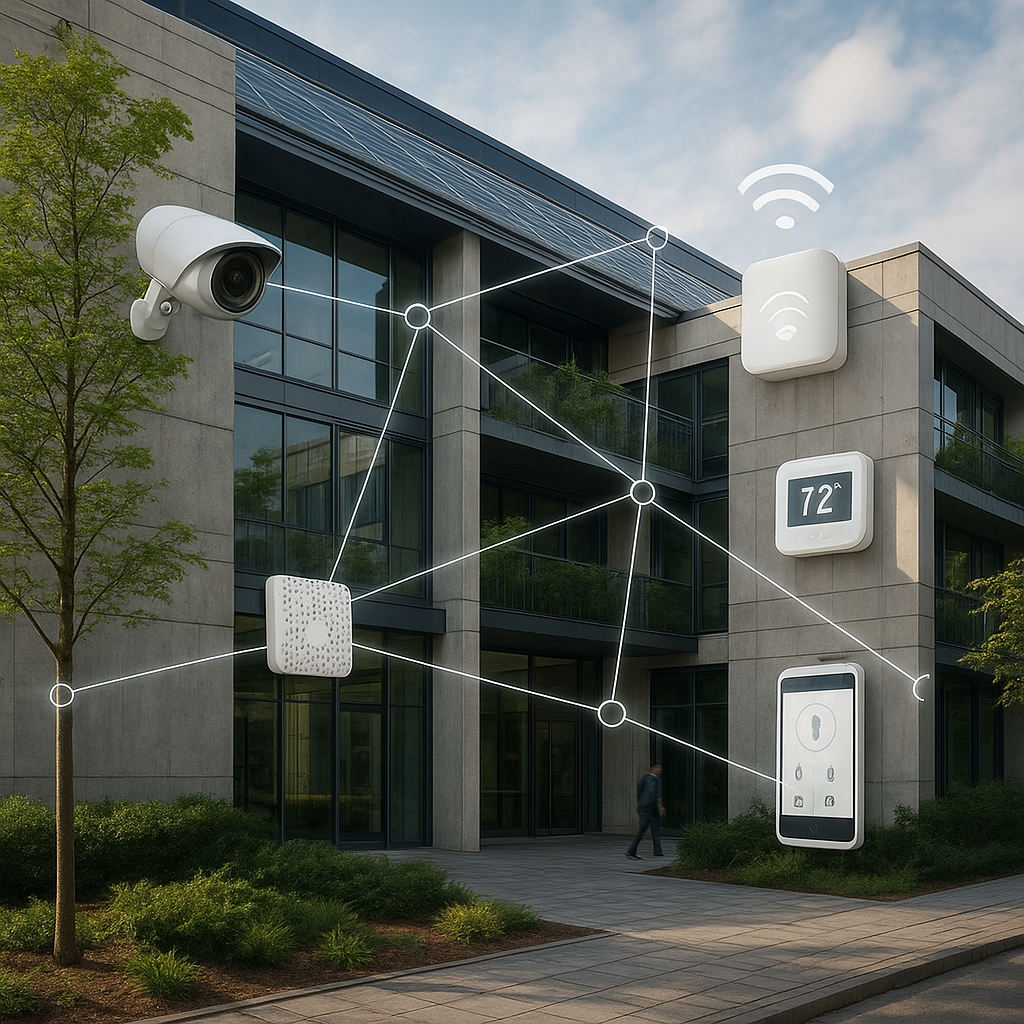
The fusion of biological networks and built environments envisions a world where structures behave not merely as static shelters but as dynamic organisms. In this scenario, architecture becomes a living canvas, continuously reshaped by environmental stimuli, user interactions, and self-regulating processes. The Internet of Living Things (IoLT) dissolves boundaries between technology, nature, and the built fabric, giving rise to a new paradigm of adaptive design that harnesses emergent intelligence.
The Convergence of Living Systems and Built Environments
At the heart of this movement lies the seamless integration of living organisms—microbes, plants, even engineered cells—into construction materials and facade systems. Through embedded sensors and actuators, these bio-augmented assemblies form a networked tapestry capable of self-regulation, nutrient exchange, and environmental responsiveness. The resulting structures exhibit resilience by autonomously adapting to fluctuations in temperature, humidity, and pollution levels, much like natural ecosystems do.
Designers exploit this synergy of organic intelligence and computational control to craft architecture that is interactive and co-evolving. Rather than imposing rigid geometries, architects cultivate spaces that grow, repair, and morph through feedback loops between biological processes and digital oversight. This approach transforms buildings into living participants in the urban realm, capable of sensing human presence, assimilating local weather data, and rerouting resources for sustainability.
Bio-Digital Materials and Responsive Skin
One of the most revolutionary advances driving the IoLT is the development of hybrid materials that blur the line between organic matter and synthetic polymer. Imagine a facade coated with a microbial film that metabolizes carbon dioxide, or interior panels that stiffen or soften on demand, guided by embedded microprocessors. These materials offer unprecedented control over thermal comfort, air quality, and aesthetic transformation.
Microbial Coatings
Leveraging genetically engineered bacteria, designers can cultivate biofilms directly onto concrete and glass surfaces. These living layers perform a host of functions—air purification, moisture buffering, even photoluminescent illumination at night. By tuning the genome of such microbes, architects can dictate growth patterns, pigment production, and nutrient cycles, effectively turning walls into self-sustaining organisms.
Programmable Polymers
Complementing biological skins are bio-digital polymers: smart materials whose morphology shifts in response to stimuli such as light, heat, or electrical currents. Embedded within a grid of nano-actuators and optical fibers, these skins can dynamically open pores for ventilation or close them for insulation, effectively giving structures a breathing surface. Integrated AI algorithms monitor environmental inputs and calibrate the material’s state to optimize energy usage and occupant well-being.
Networked Habitats and Urban Eco-Systems
The IoLT extends beyond individual buildings to entire districts, where networked habitats communicate through a digital-biological web. This metropolitan ecosystem leverages distributed nodes—ranging from bio-sensors on rooftops to subterranean microbial reactors—to orchestrate resource flows at scale.
- Real-time air and water quality monitoring via living sensors connected to cloud platforms
- Adaptive street furniture that harvests solar energy and provides shading based on pedestrian density
- Bioreactor modules embedded in green corridors, converting organic waste into biogas for neighborhood energy grids
- Augmented reality overlays narrating the growth cycles of plant façades and the metabolic rhythms of microbial colonies
Through these interconnected systems, cities become curators of natural cycles, fostering regeneration rather than mere consumption. Urban planners collaborate with biologists, data scientists, and material engineers to ensure that each node in the network contributes to the overall vitality of the city, while AI-driven platforms maintain equilibrium between human needs and ecological thresholds.
Challenges and Ethical Considerations
Despite the tantalizing prospects, embedding living organisms into our built environment raises significant questions. Biocontainment and safety protocols must prevent unintended ecological release, while data privacy concerns emerge as biological sensors collect granular information about occupant behavior and health indicators. Moreover, the long-term viability of engineered organisms depends on robust genomic safeguards to avoid mutation or horizontal gene transfer, which could disrupt local ecosystems.
Architects and developers must navigate regulatory landscapes that are still catching up with these innovations. Balancing creativity with responsibility involves rigorous testing, transparent public engagement, and interdisciplinary oversight. Inclusive design ethics dictate that communities have agency over how living architecture interacts with their lives, from consent-driven data collection to equitable distribution of benefits.
Future Trajectories and Design Paradigms
The horizon of IoLT-driven architecture is rich with possibilities. Emerging trends point toward fully immersive environments where sensory augmentation devices guide occupants through bio-responsive spaces. Digital twins paired with living models will allow designers to simulate evolutionary outcomes before committing to large-scale construction. Collaborative platforms may enable crowdsourced genome editing of building microbiomes, democratizing the creative process.
Furthermore, the adoption of decentralized manufacturing and 3D bioprinting promises on-demand creation of living building blocks. Entire walls could be printed layer by layer with cell-laden bio-inks, embedding synergy between form and function from inception. These advances will redefine authorship in architecture, shifting from singular visionaries to collective networks of human and non-human contributors.
As the Internet of Living Things matures, it will challenge us to reconsider our relationship with the environment and the very definition of a structure. By embracing the fluid intelligence of nature and weaving it into our urban fabrics, architects can catalyze a new era of design that thrives on emergence, fosters deep co-evolution, and heralds a future where buildings live, breathe, and grow alongside us.