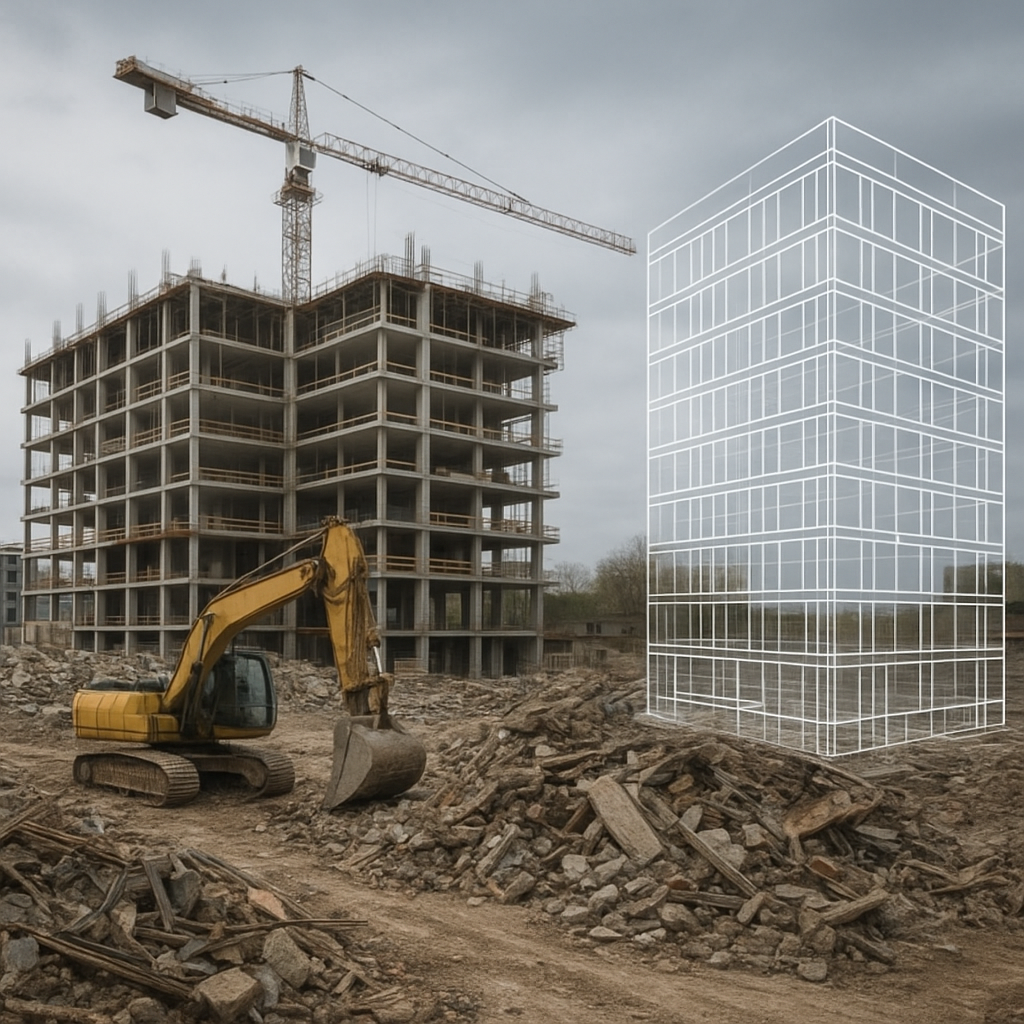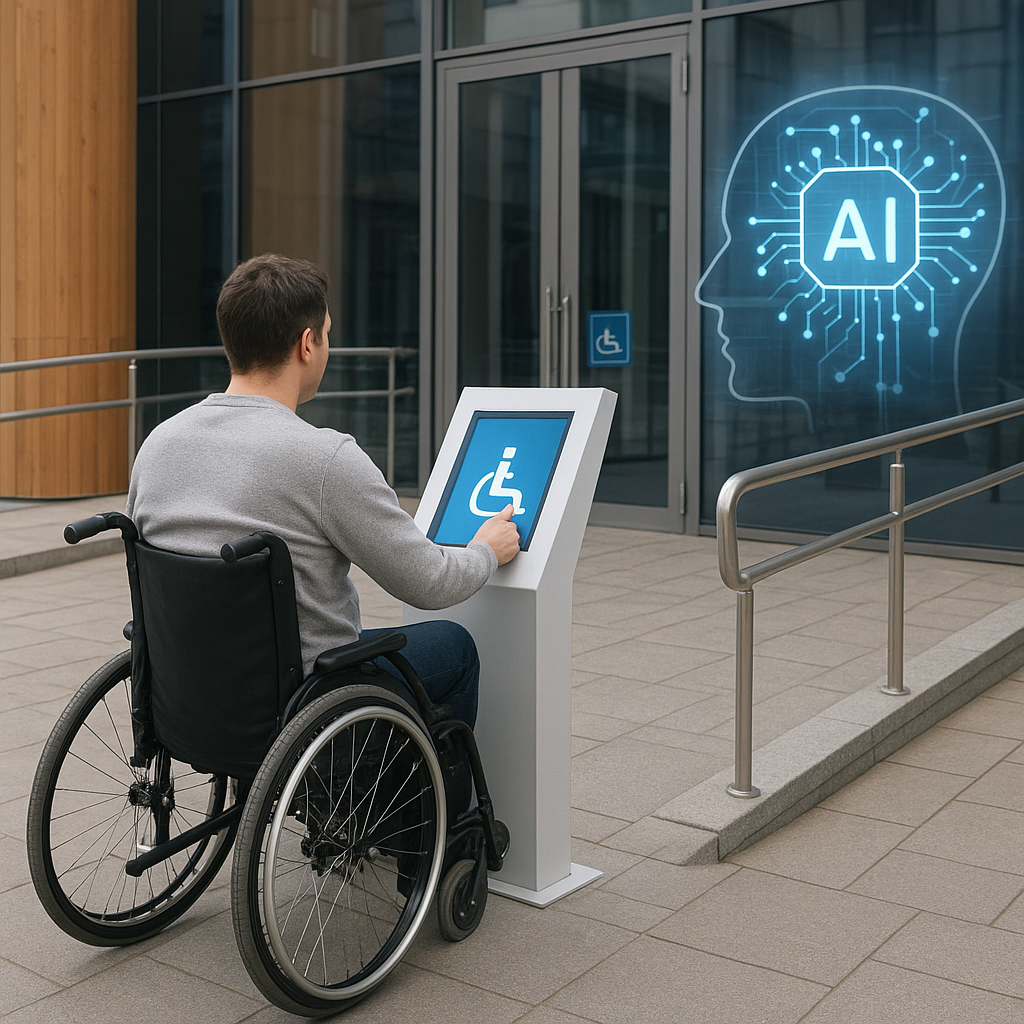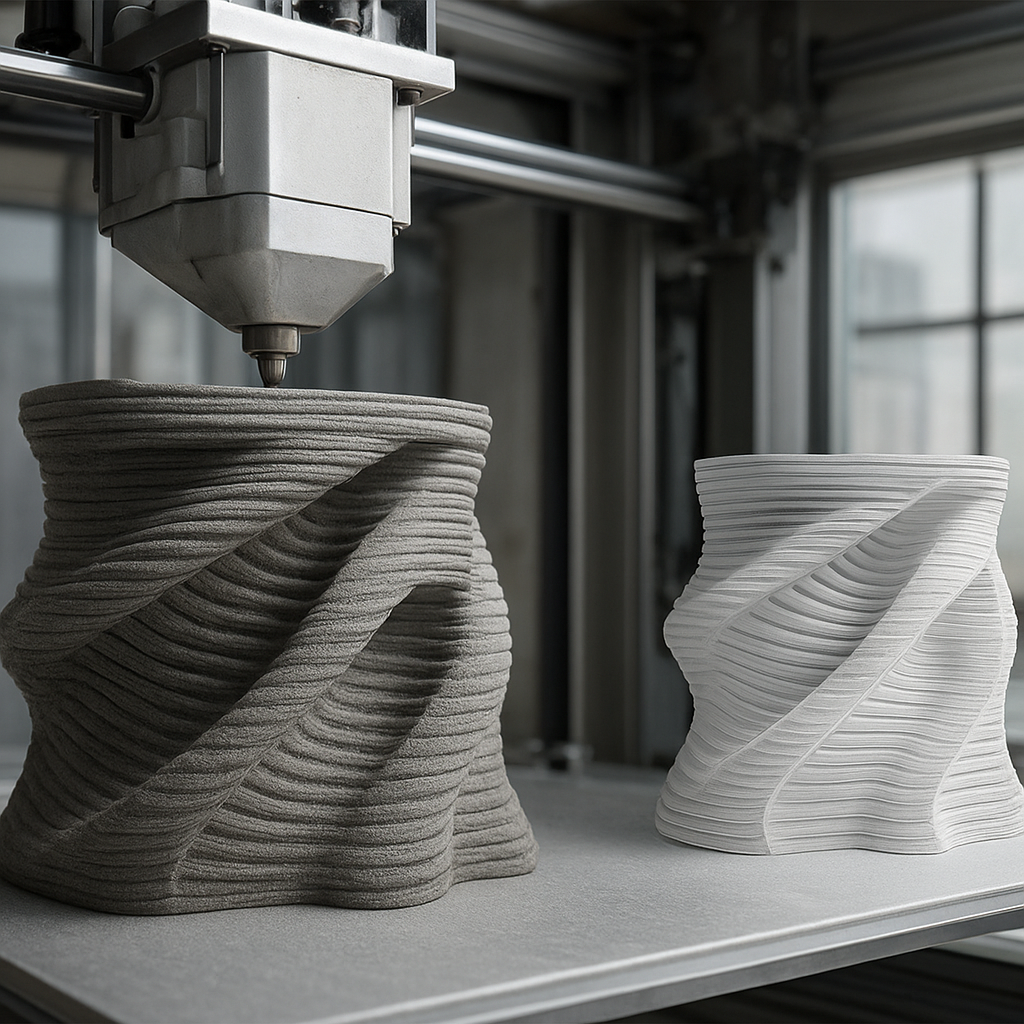

The accelerating crisis of climate displacement demands cutting-edge design philosophies capable of offering dignity, safety and hope to those forced from their homes. Futuristic architecture for climate refugees merges innovation, resilience and social empathy to craft living environments that can adapt to volatile conditions. This investigation explores emergent methodologies in habitat frameworks, next-generation materials and holistic systems intended to foster sustainable, autonomous communities. By harnessing modular strategies, sustainability-driven resources and digital integration, designers pave the way for a new era of responsive, human-centric shelters.
Adaptive Habitat Frameworks
Conventional tents and temporary shelters fall short of addressing long-term needs. Futuristic solutions prioritize dynamic configurations that can evolve with changing circumstances. The essence of this approach relies on modularity and rapid deployment mechanisms to ensure shelters expand or contract as populations fluctuate. Deployable units not only reduce waste but also facilitate efficient transport and assembly in remote areas.
Modular and Deployable Systems
- Pre-fabricated panels connected through versatile joints allow for quick assembly without heavy machinery.
- Stackable modules can form multi-story complexes or single-family units based on demographic demands.
- Integrated service cores—featuring plumbing, electrical wiring and HVAC—simplify onsite installation.
Designers are exploring inflatable shells made from high-strength membranes that can be anchored in minutes, providing immediate shelter with minimal logistical burden. These units can be combined with rigid frames to enhance durability in extreme weather events.
Floating and Amphibious Designs
Rising sea levels and intensified flooding necessitate adaptive solutions for coastal regions. Amphibious platforms incorporate buoyant foundations that rest on the ground at low water levels but float during inundations. Similarly, renewable-energy-equipped houseboats tethered to adjustable pylons can serve as both temporary camps and permanent residences.
- Buoyant soil modules cultivate edible plants while maintaining structural integrity.
- Solar arrays mounted on retractable masts optimize energy capture above water.
- Water filtration systems integrated into hull designs ensure safe drinking supplies.
Advanced Materials and Biomimetic Strategies
Futuristic architecture harnesses breakthroughs in material science to create structures that are lightweight yet robust, energy-efficient and capable of self-repair. Biomimicry inspires designs that emulate natural processes, leading to sustainability and increased lifespan of constructions. Such strategies not only reduce environmental impact but also empower communities with accessible maintenance protocols.
Aerogel Insulation and Self-Healing Concrete
Aerogels, composed of 99.8% air, provide unmatched thermal insulation while being water-resistant and non-toxic. When applied as panels or sprayed coatings, they significantly lower heating and cooling demands. Meanwhile, self-healing concrete infused with microcapsules of bacteria and nutrients autonomously seals cracks upon contact with moisture, minimizing structural deterioration over time.
- Reduced maintenance costs extend the service life of public buildings and housing blocks.
- Lower energy consumption yields smaller carbon footprints in remote settlements.
- Enhanced durability improves occupant safety during seismic or weather-related events.
Biopolymers and Living Facades
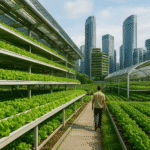
Biopolymers derived from algae, fungi or agricultural waste are emerging as sustainable alternatives to petroleum-based plastics. These materials can be molded into durable panels, insulation layers or even transparent tiles. Incorporating vegetative facades—vertical gardens embedded into building exteriors—supports natural cooling, air purification and local food production.
- Green walls act as biofilters, reducing airborne particulates and improving urban air quality.
- Algae bioreactors integrated into glass panels capture CO2 while generating biomass for fuel.
- Living roofs harvest rainwater and promote biodiversity within refugee settlements.
Community Integration and Autonomous Operations
True resilience extends beyond mere structural strength. It encompasses economic stability, social cohesion and integration with surrounding ecosystems. Futuristic refugee camps evolve into self-sufficient hamlets powered by autonomous systems. Smart grids, water reclamation networks and community-driven governance platforms ensure adaptive responses to crises.
Energy and Water Cycles
Microgrid installations leveraging renewable sources—solar photovoltaics, small wind turbines and biogas digesters—provide reliable power. These systems are paired with battery storage and demand-response algorithms that optimize energy distribution based on real-time usage patterns. Simultaneously, closed-loop water treatment facilities employ gravity-driven filters, ultraviolet sterilization and greywater recycling to maximize resource efficiency.
- Rainwater catchment integrated into roofs and landscape topography.
- Constructed wetlands purify wastewater while creating habitat for local wildlife.
- Smart sensors monitor quality metrics, triggering maintenance alerts before contamination rises.
Digital Platforms for Governance
Blockchain-based registries and mobile applications enable transparent allocation of aid, equitable access to services and participatory decision-making. Residents can map available amenities, request repairs or share skills within the camp. Artificial intelligence-driven dashboards analyze demographic shifts, facilitating proactive measures for capacity expansion or resource distribution.
- Real-time dashboards inform community leaders of critical shortages before they escalate.
- Peer-to-peer energy trading platforms encourage surplus sharing and local entrepreneurship.
- Virtual reality simulations guide inhabitants through emergency evacuation protocols or infrastructure upgrades.
Scalable Implementation Pathways
Translating futuristic prototypes into large-scale deployments requires strategic partnerships among NGOs, governments and private enterprises. Innovative financing mechanisms—such as impact bonds and microinsurance—mobilize capital while mitigating risk. Pilots in climate-vulnerable regions serve as living laboratories, iterating designs based on cultural context and environmental conditions.
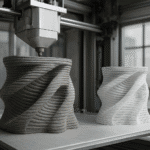
Workshops engaging local artisans ensure that traditional knowledge complements modern techniques, fostering ownership and accelerating adoption. Digital fabrication hubs—equipped with CNC routers, 3D printers and robotic assemblers—offer adaptable production lines for customized components. As technologies mature, economies of scale will drive down costs, making resilient architecture accessible to a broader population.
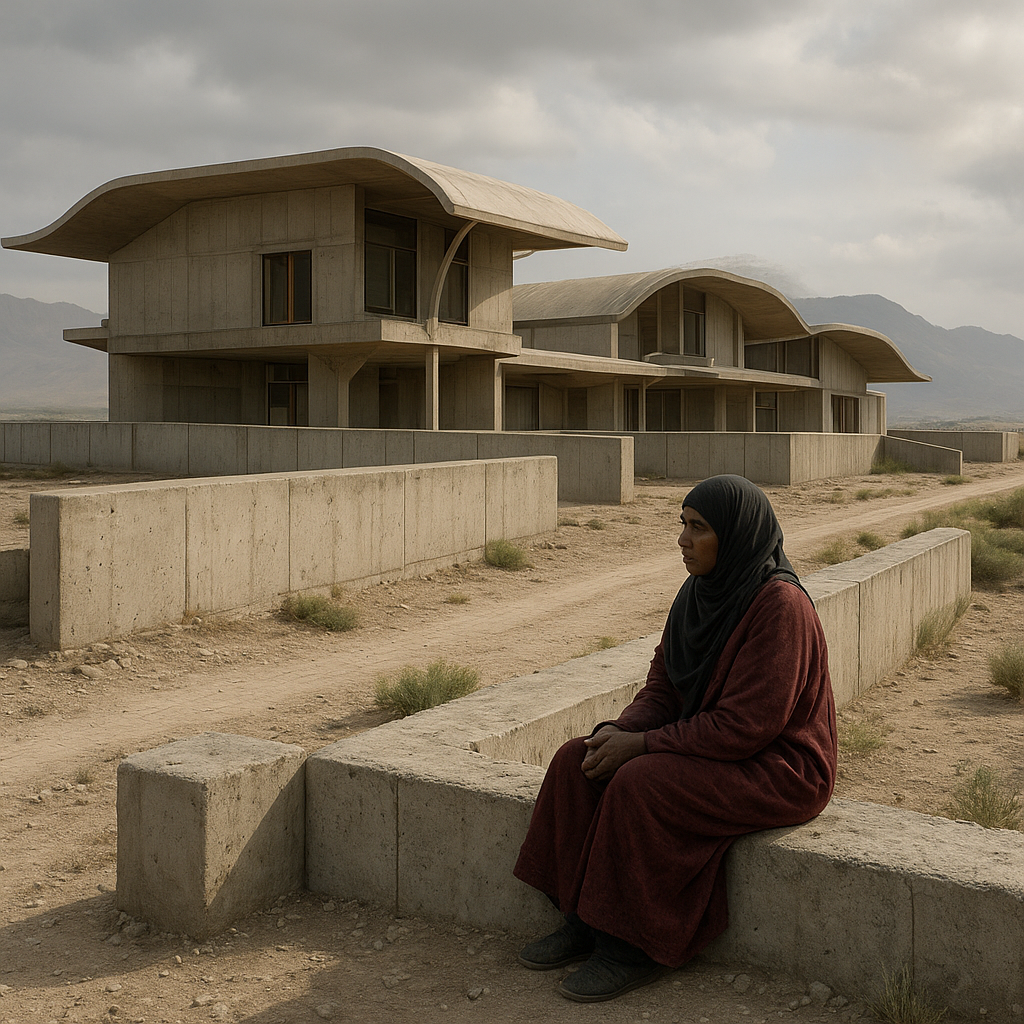
Ultimately, designing for climate refugees is more than an engineering challenge; it is a moral imperative. By weaving together community, technology and nature-inspired principles, architects can craft safe havens that embody hope and empower displaced peoples to rebuild their lives with dignity. This holistic vision charts a path toward a future where the built environment stands as a testament to human ingenuity and compassion.