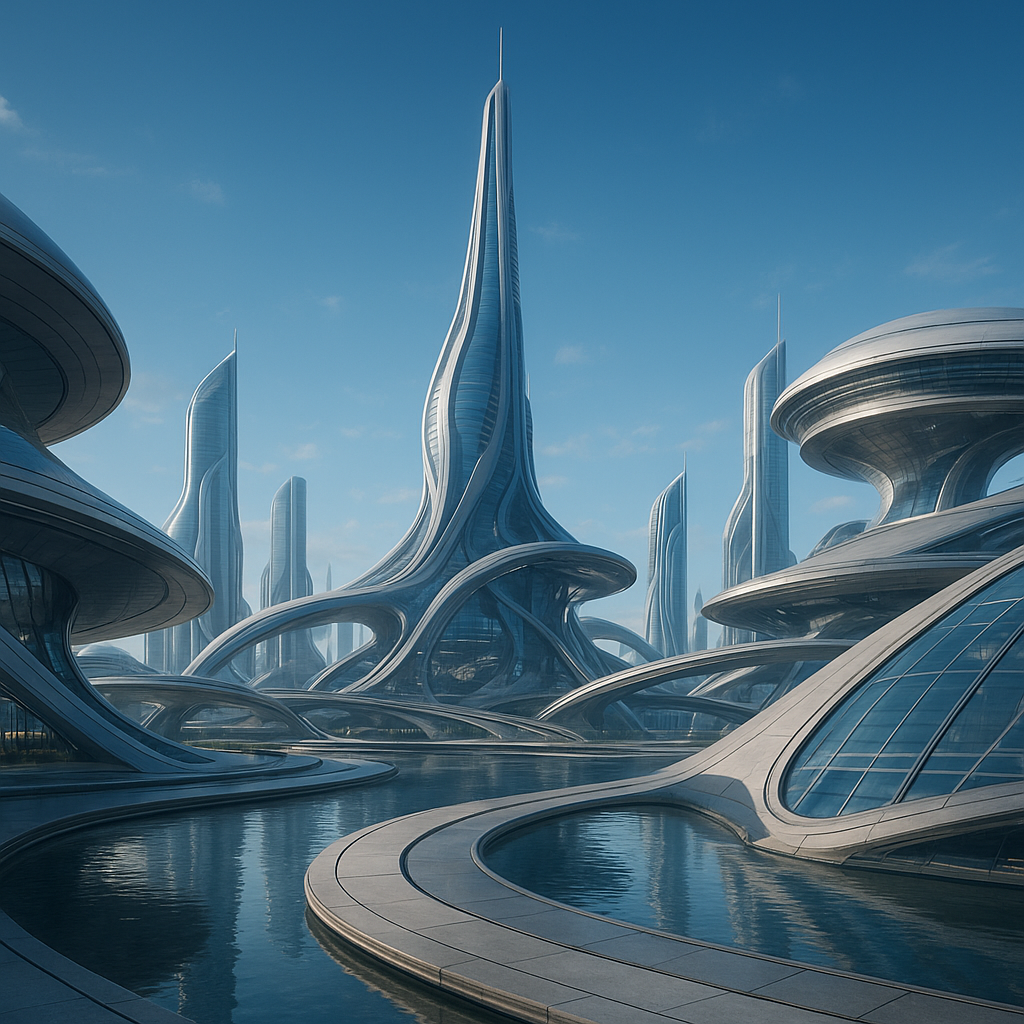



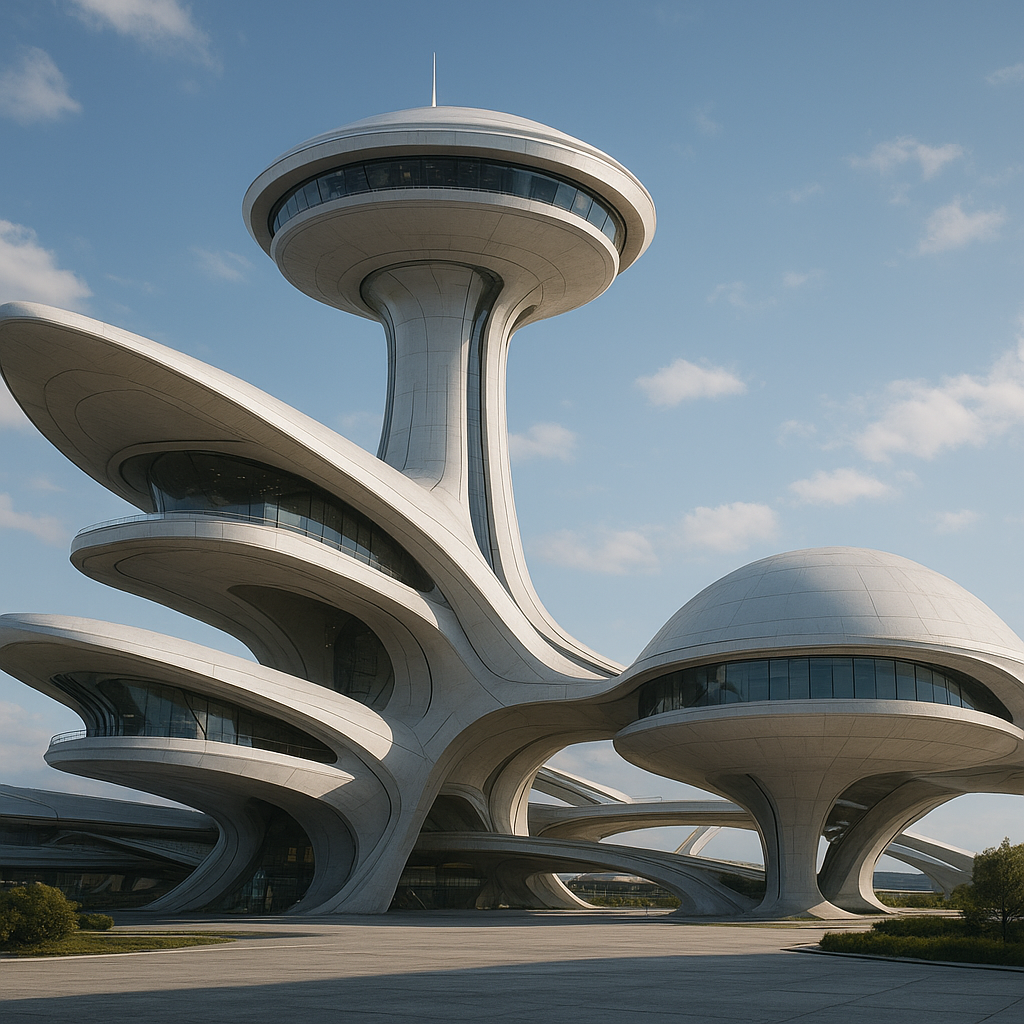
The convergence of space exploration and architectural innovation is reshaping how humans imagine and construct built environments. Drawing inspiration from interplanetary travel, orbital stations, and extraterrestrial habitats, designers are pioneering concepts that defy gravity, optimize resource use, and embrace cutting-edge materials. This article explores the visionary ideas, advanced technologies, and real-world projects driving the next generation of futuristic architecture.
Visionary Concepts and Design Principles
At the heart of futuristic architecture lies a set of guiding principles that prioritize adaptability, resilience, and aesthetic innovation. Architects inspired by space exploration view structures not just as static shelters but as dynamic systems capable of responding to extreme environments. Key concepts include:
- Modularity: Prefabricated units that can be assembled in various configurations, allowing rapid deployment in remote or hostile locations.
- Biomimicry: Emulating natural processes—like termite mound ventilation or bird-skin thermal regulation—to create self-sustaining habitats.
- Resource Efficiency: Closed-loop systems that recycle water, air, and waste, mirroring life-support processes on spacecraft.
- Adaptive Morphology: Structures that change shape or properties in response to external stimuli such as temperature, pressure, or radiation.
Zero-Gravity Habitats
Envisioning living quarters in microgravity environments has led to radical floor plans and spatial arrangements. Without the need for conventional floors or ceilings, architects can craft helical corridors and radial layouts that maximize volume while minimizing material mass. Innovative tethering systems and magnetic couplings allow modules to attach and detach seamlessly, facilitating reconfiguration of entire orbital cities.
Terraforming-Inspired Designs
On planetary surfaces like Mars, structures must endure dust storms, radiation, and extreme temperature swings. Drawing inspiration from terraforming research, architects propose inflatable domes covered with regolith-based shields, transparent aerogel panels for greenhouse cultivation, and subterranean caverns carved into lava tubes. These strategies aim to create self-sufficient communities under protective envelopes that support life indefinitely.
Materials and Technologies Forging New Frontiers
Material science and engineering breakthroughs are central to realizing futuristic, space-inspired architecture. From nanostructured composites to robotic fabrication, these technologies promise unprecedented capabilities in constructing resilient habitats.
- Advanced Composites: Carbon nanotube-reinforced polymers and graphene-infused alloys offer exceptional strength-to-weight ratios vital for launch constraints.
- 3D Printing in Situ: Additive manufacturing with local regolith or recycled plastics reduces dependency on Earth-supplied materials, enabling on-site construction on the Moon or Mars.
- Smart Coatings: Self-healing concrete and photochromic surfaces that adjust reflectivity in response to solar radiation enhance longevity and energy management.
- Nanotechnology: Nano-insulation layers and metamaterials that block cosmic radiation while allowing natural light penetration create safer, more comfortable interiors.
Robotic and Autonomous Construction
Robotic swarms, AI-driven drones, and autonomous rovers are transforming how we build in remote settings. Equipped with advanced sensors and manipulators, these machines can assemble complex modules, lay regolith walls layer by layer, and perform maintenance tasks without human intervention. This approach reduces risks to personnel and accelerates project timelines by operating around the clock in environments too hazardous for direct human presence.
Interplanetary Transportation Hubs
Spaceports and orbital transfer stations require integration between spacecraft docking systems and terrestrial infrastructure. Concepts include magnetic levitation launch pads, skyhooks tethered to geostationary platforms, and rotating centrifugal rings that simulate gravity during transit. Architects collaborate with aerospace engineers to design terminals that accommodate both human comfort and the rigorous demands of space travel, blending ergonomic layouts with robust safety protocols.
Case Studies: Real-world Applications
Several pioneering projects already hint at the future of space-inspired architecture on Earth and beyond. By examining these examples, we can discern patterns and lessons for scaling up ambitious endeavors.
Earthbound Prototypes
- Analog Research Stations: Facilities in Antarctica and the Arctic serve as testbeds for isolated, self-contained habitats, informing designs for Martian bases.
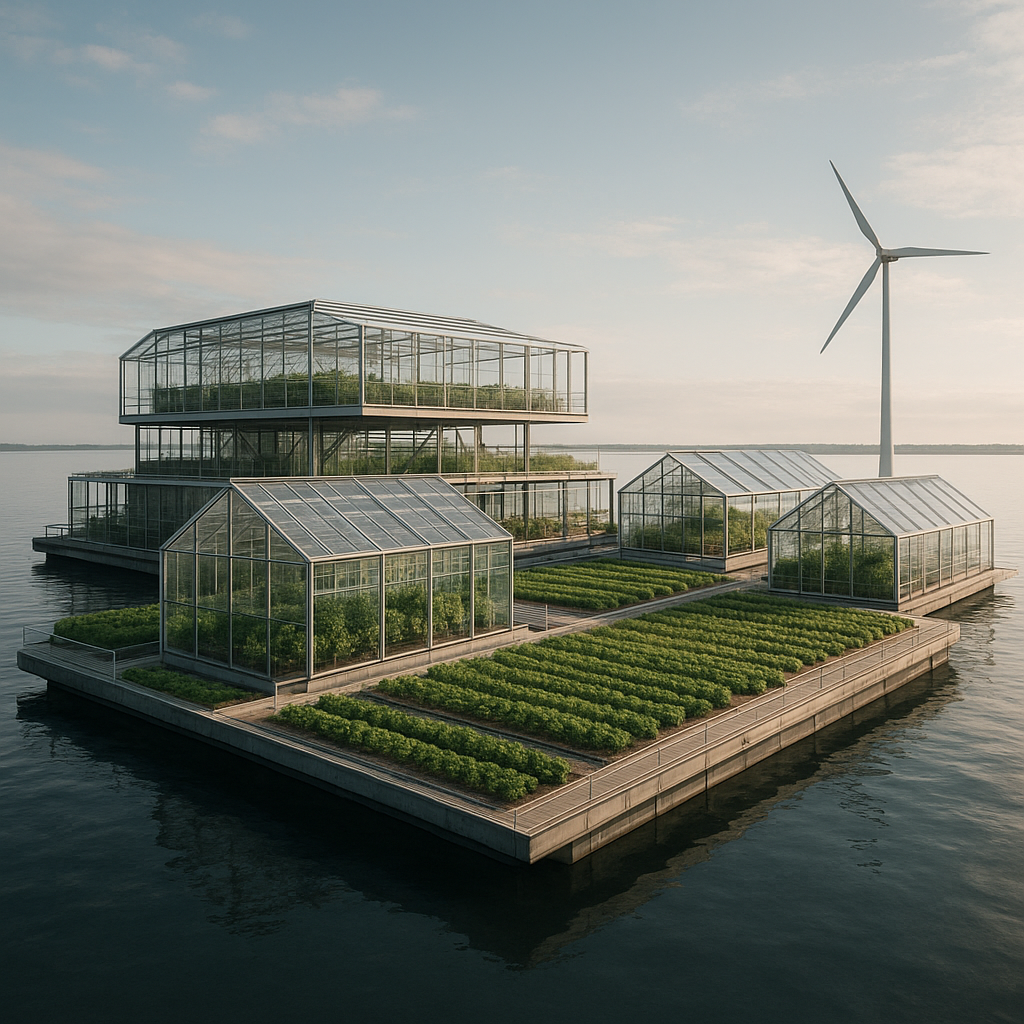
- Vertical Farming Skyscrapers: High-rise green towers employing hydroponics and LED lighting mimic closed-loop life-support systems envisioned for long-duration space missions.
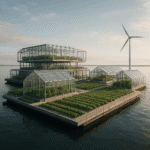
- Floating City Concepts: Offshore platforms using modular barges and underwater tunnels explore alternatives to land scarcity, drawing from orbital habitat design.
These prototypes demonstrate how lessons from extraterrestrial architecture can address pressing terrestrial challenges, such as climate change resilience, urban density, and resource scarcity.
Lunar and Martian Settlement Plans
Space agencies and private enterprises are advancing detailed blueprints for extraterrestrial colonies:
- Moon Village: A UNESCO-backed concept featuring multifunctional hubs for research, tourism, and mining, built with sintered regolith bricks and inflatable domes.
- Mars Ice House: Utilizing subsurface ice deposits for construction material and radiation shielding, this design incorporates transparent ice windows for natural lighting.
- Project OASIS (Orbital Autonomous Station for Interstellar Settlement): Proposes a rotating ring habitat 500 meters in diameter, powered by solar sails and equipped with hydroponic farms.
Each plan emphasizes scalability, modular growth, and integration of renewable energy sources, underscoring the critical role of sustainability in future off-world communities.
Architectural Collaborations Across Disciplines
Bridging architecture with aerospace, robotics, and environmental science has become essential. Collaborative platforms like the International Space Architecture Consortium convene experts to develop standardized interfaces, safety protocols, and open-source design libraries. These multidisciplinary efforts ensure that futuristic structures are not only visionary but also technically feasible and ready for real-world deployment.