
Envisioning a metropolis where gleaming towers double as verdant fields, skyscrapers hum with pollinators, and every rooftop is a potential garden transforms the way we perceive urban living. Futuristic approaches to architecture converge with advanced agronomy, creating ecosystems that supply fresh produce, enhance air quality, and foster community engagement. This exploration delves into the intersection of design, technology, and ecology, highlighting innovations that propel cities toward self-sufficiency and environmental harmony.
Vertical Farms as Architectural Marvels
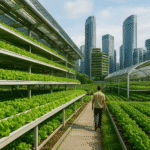
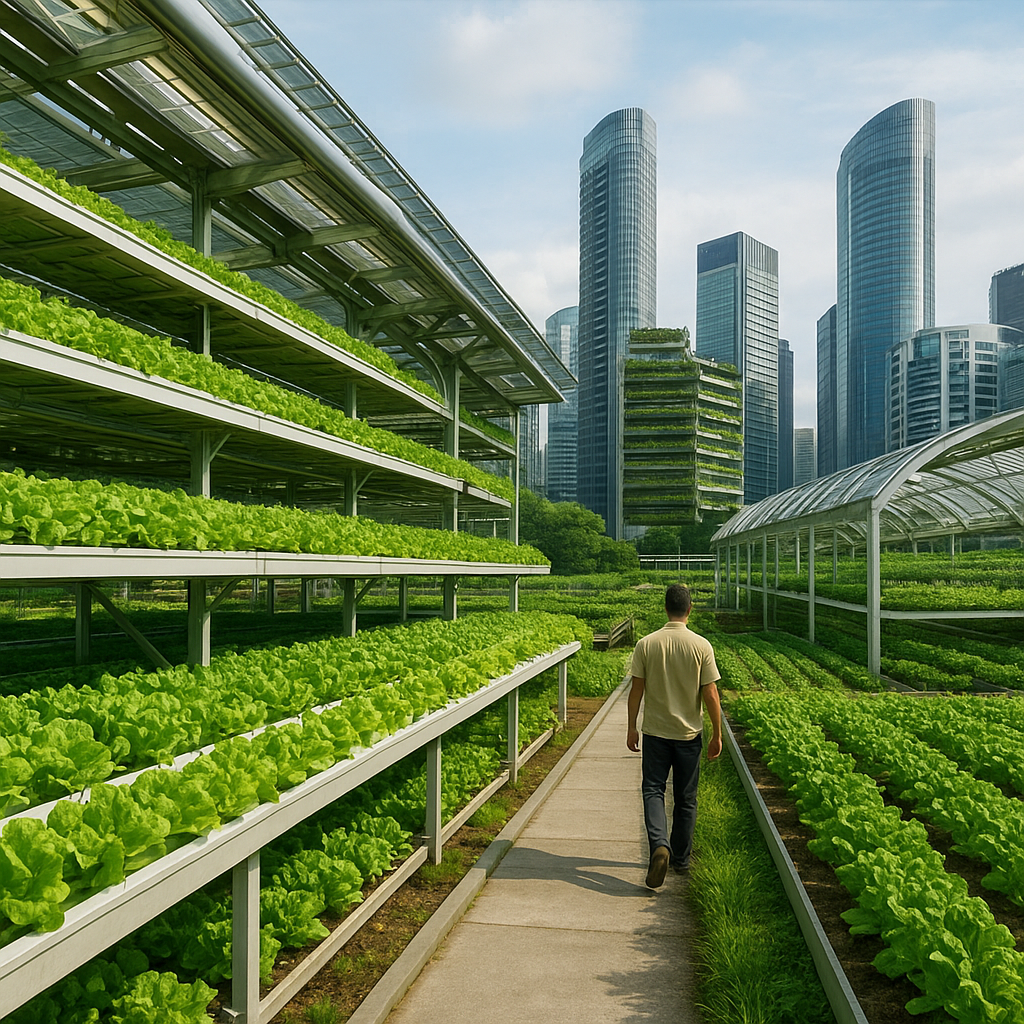
Architects and urban planners are pushing the envelope by embedding vertical farms into the city’s skyline. These multi-story agricultural complexes are not mere greenhouses stacked atop one another; they integrate structural engineering with precision cultivation. By optimizing sunlight capture through angled facades and dynamic shading systems, these towers maintain the perfect light spectrum for crops year-round.
Within these structures, modular trays equipped with hydroponics or aeroponics systems circulate nutrient-rich water, maximizing yield while minimizing water usage. Climate controls, powered by on-site renewable energy sources, regulate temperature and humidity to create microclimate zones tailored to specific plant species. AI-driven algorithms adjust lighting, irrigation, and nutrient delivery in real time, ensuring peak productivity and reducing waste.
Structural Integration
- Load-bearing frameworks reinforced with lightweight composites allow floors dedicated to cultivation without compromising safety.
- Transparent photovoltaic panels on exterior walls both harvest solar energy and filter harmful UV rays.
- Rainwater harvesting systems collect precipitation for use in irrigation, closing the loop on water consumption.
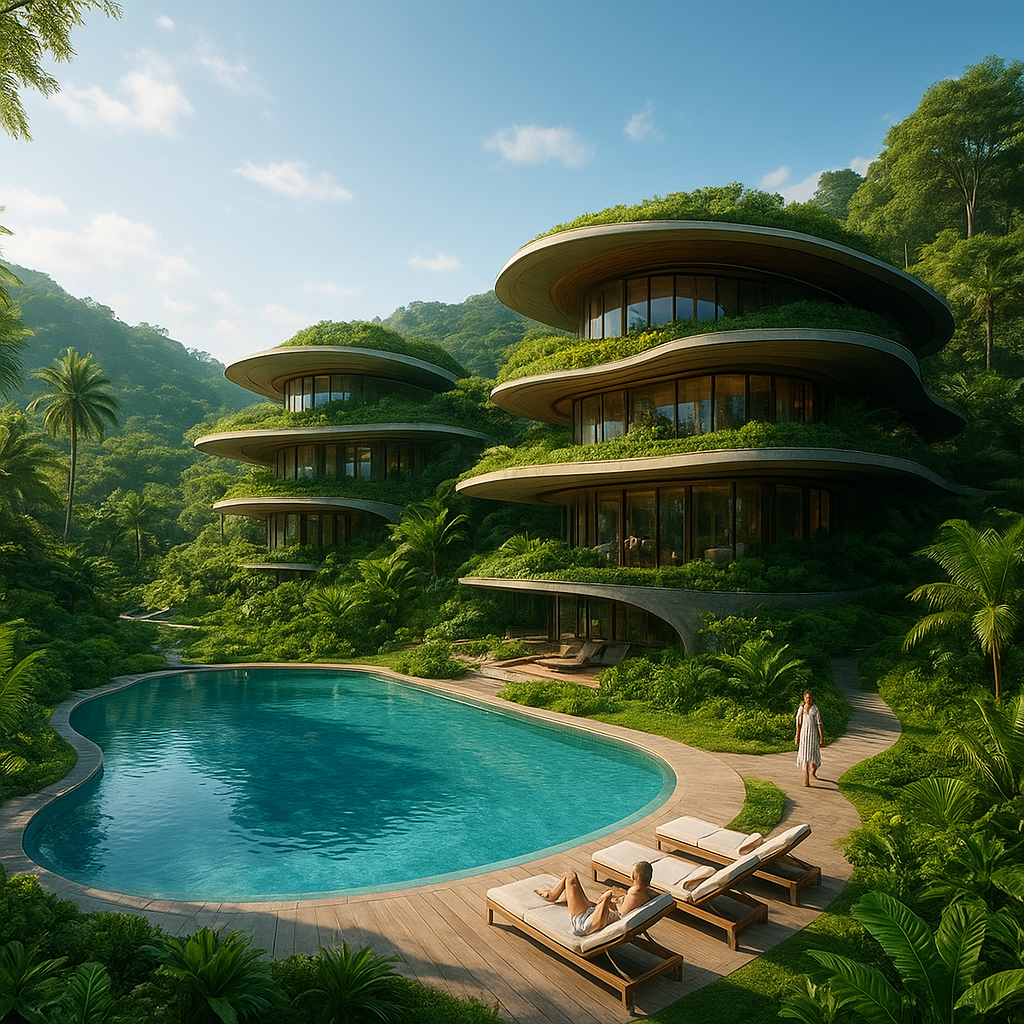
As these buildings proliferate, they redefine the urban fabric. Streets once sterile become flanked by cascading greenery, while residents witness firsthand the cycle from seed to plate. The beauty of these designs lies in their dual function: they serve as both residential or office spaces and as high-tech farms, embodying a truly mixed-use paradigm.
Symbiotic Systems: Integrating Nature and Technology
Beyond vertical farms, futuristic urban agriculture leverages biotechnology to bolster resilience and efficiency. Genetically optimized plant varieties, developed for compact growth and accelerated maturation, thrive in controlled environments. Paired with advanced robotics, these systems facilitate hands-off maintenance: drones monitor plant health via multispectral imaging, while autonomous harvesters gently pluck ripe produce.
Crucially, such ecosystems rely on a circular economy model. Organic waste from kitchens and restaurants is processed in on-site bioreactors, producing nutrient-rich biofertilizers. These byproducts feed the crops, reducing reliance on chemical inputs and minimizing landfill contribution. In turn, plant residues and root biomass undergo composting, closing the nutrient loop.
Sensor Networks and Data Analytics
- Distributed smart sensors measure soil moisture, pH levels, and nutrient concentration across multiple growing zones.
- Edge computing units process massive data streams locally, enabling split-second adjustments to environmental parameters.
- Predictive maintenance schedules for pumps, fans, and lighting systems extend equipment lifespan and prevent downtime.
By fusing biology with digital infrastructure, these symbiotic systems cultivate food with unprecedented sustainable efficiency. They also adapt rapidly to changing conditions—whether fluctuating energy availability or pathogen threats—ensuring a consistent food supply even under disruptive scenarios.
Urban Food Hubs: Community and Culture
Transforming agriculture into a public amenity, cities are creating regenerative food hubs where citizens participate in cultivation, education, and consumption. These communal spaces blend markets, teaching kitchens, and demonstration gardens. Local chefs showcase hyperlocal ingredients, while students learn the science of plant life cycles directly from horticultural experts.
Embedding agriculture within cultural life deepens social bonds and fosters environmental stewardship. Community-managed plots atop libraries and transit centers allow volunteers to sow seeds and tend produce, sharing both labor and harvest. Harvest festivals and pop-up markets bring neighbors together, celebrating the link between architecture, ecology, and gastronomy.
Designing for Inclusion
- Multi-level terraces with wheelchair-accessible ramps ensure all citizens engage with urban farming activities.
- Interactive digital kiosks provide multilingual guides on planting schedules, nutrient requirements, and recipe ideas.
- Co-working spaces adjacent to garden areas facilitate collaboration among startup agritech entrepreneurs.
These food hubs exemplify how built environments can nurture both produce and people, creating resilient urban cultures rooted in ecological awareness. By democratizing access to fresh food and hands-on learning, cities cultivate healthier, more connected populations.
Envisioning Tomorrow’s Harvest
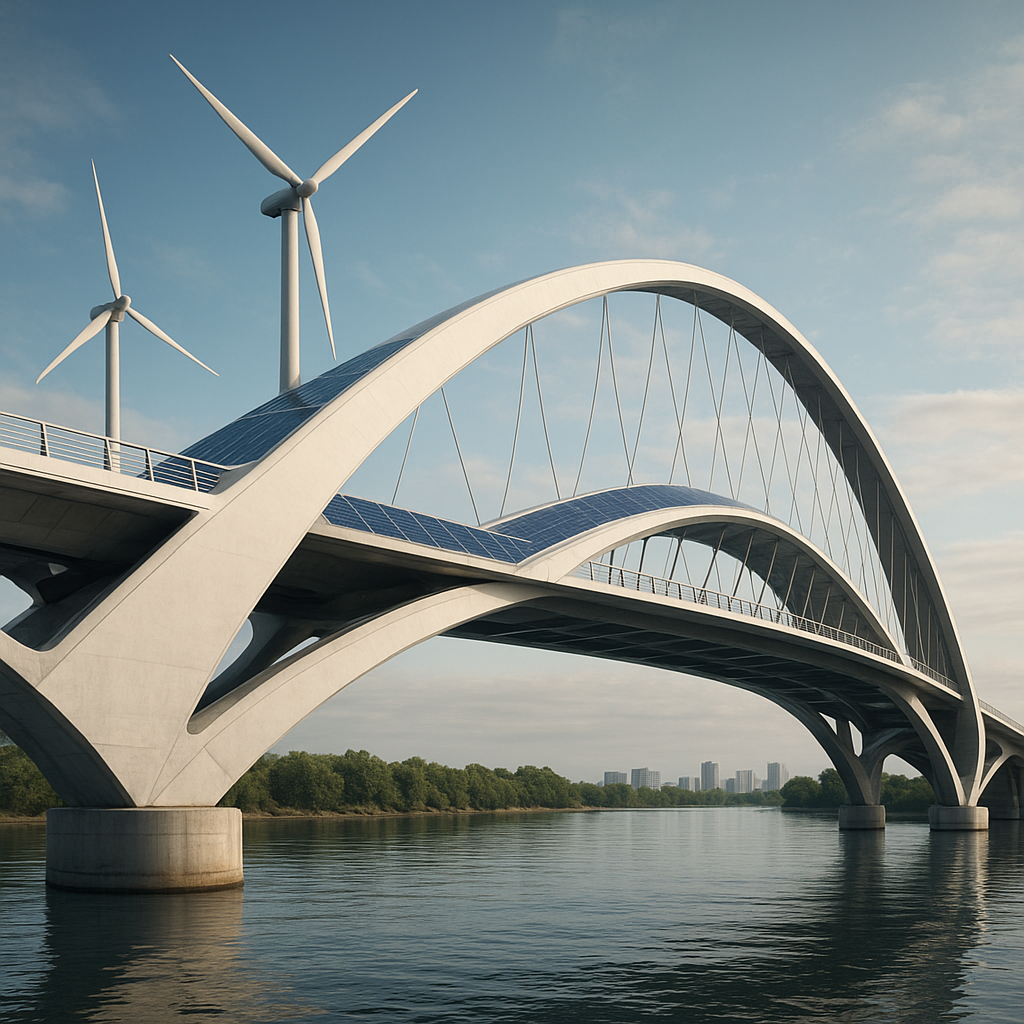
The blueprint of futuristic urban agriculture extends beyond individual buildings to networks of integrated nodes. Skybridge corridors weave between farm skyscrapers, enabling shared resources and collaborative research. Underground facilities offer year-round cultivation in geothermally heated chambers, further diversifying production.
Looking forward, innovations such as gene-edited microbes that enhance soil fertility and biodegradable growth substrates promise to refine these ecosystems. As AI-driven marketplaces link local growers directly with consumers, logistical efficiencies shrink the carbon footprint of food distribution to near zero.
Ultimately, the convergence of resilience, microclimate engineering, and community-centric design heralds a future where cities not only house humanity but also feed and sustain it. In this vision, architecture and agriculture fuse seamlessly, birthing urban landscapes that are as productive as they are inspiring.