



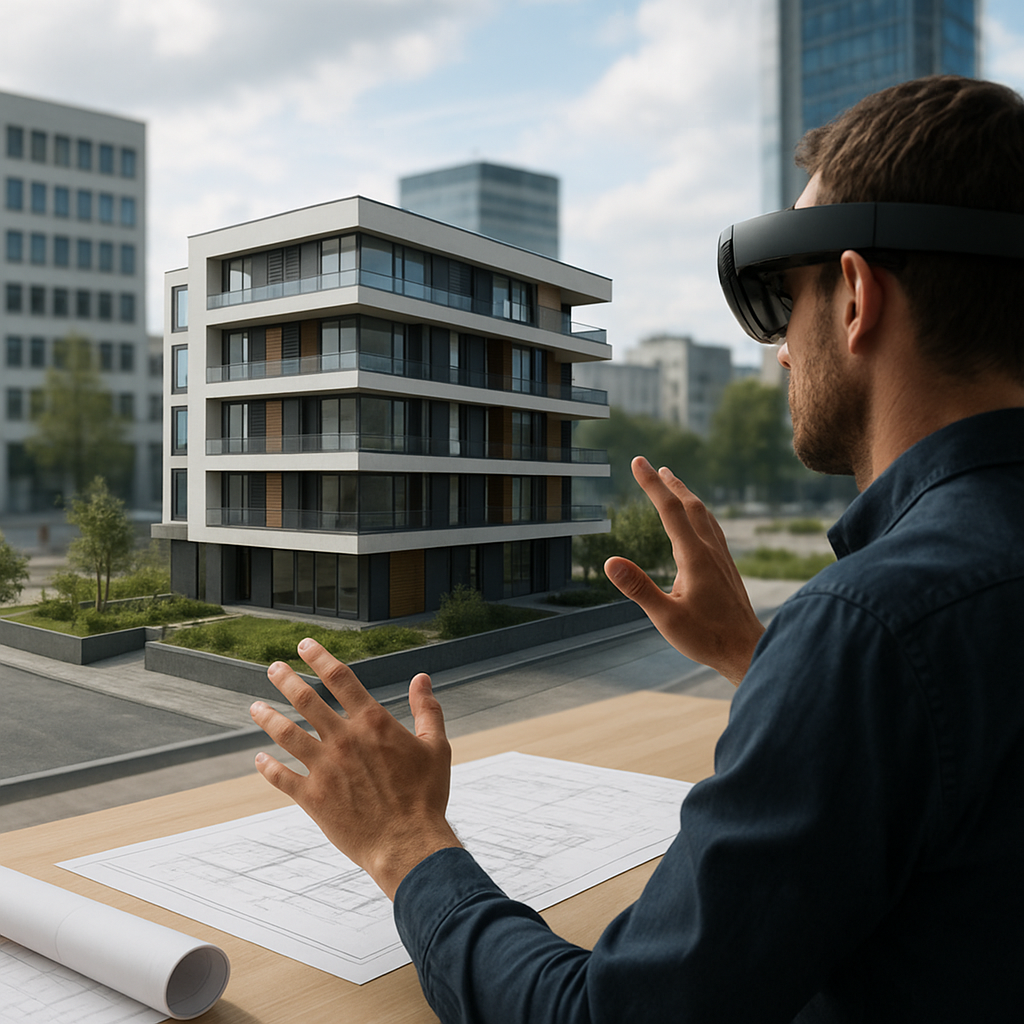
Augmented Reality (AR) is revolutionizing the field of architectural visualization by merging digital models with physical environments. Architects and designers are harnessing this technology to create immersive experiences that bridge the gap between concept and reality. By overlaying 3D renderings onto construction sites or existing structures, stakeholders can perceive scale, texture, and spatial relationships in a way that static renderings cannot achieve. With futuristic architecture pushing the boundaries of form and function, AR offers a powerful toolkit for refining designs, streamlining workflows, and engaging clients in an interactive journey from ideation to completion.
Augmented Reality as a Catalyst for Immersive Design
Traditional blueprints and 2D renders often fail to capture the essence of a visionary project. AR transforms these limitations by enabling real-time visualization of structures within their intended contexts. Architects can place digital façades on site, test lighting conditions at different times of day, and adjust materials on the fly to gauge aesthetic and performance outcomes.
- Precision Placement: AR solutions use spatial mapping to anchor models with centimeter-level accuracy, ensuring that digital elements align perfectly with physical surroundings.
- Dynamic Iterations: Designers can switch between multiple concepts instantly, comparing structural variations, façade treatments, and interior layouts without reprinting new plans.
- Transformation of Scale: Users can walk through a life-sized digital model or shrink it to tabletop size for quick overviews, fostering flexible perspectives on spatial organization.
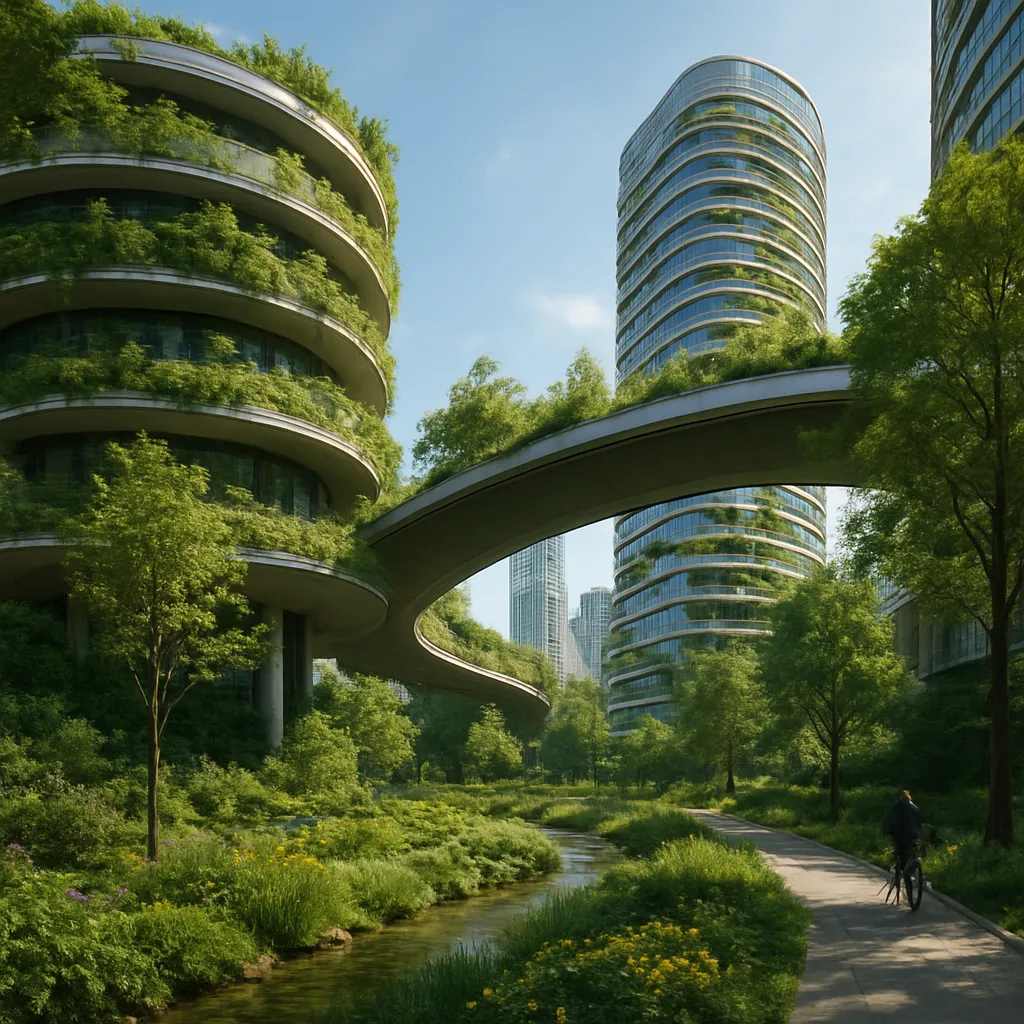
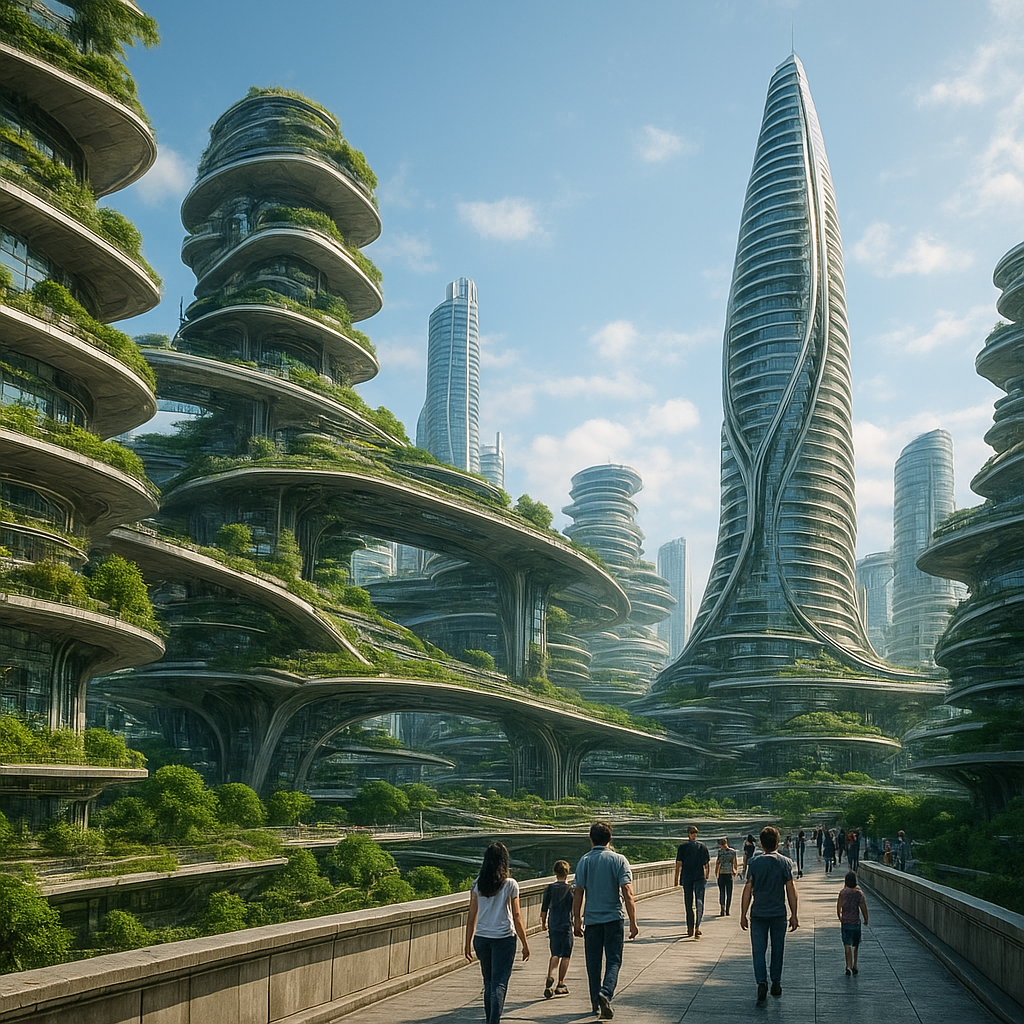
This level of immersion is especially critical in futuristic architecture projects, where complex geometries, parametric forms, and organic shapes challenge conventional presentation methods. AR allows the tactile exploration of fluid curves, twisting volumes, and cantilevered structures, making abstract ideas tangible.
Real-Time Collaboration and Decision Making
One of the most significant advantages of AR in architecture lies in its ability to facilitate collaboration among multidisciplinary teams and stakeholders. Gone are the days of interpreting 2D plans or studying static 3D models; instead, participants on a construction site or in a design studio can share a unified augmented view, annotate components, and resolve potential conflicts before they arise.
Virtual Site Meetings
With AR-enabled devices, remote participants can join an on-site walkthrough, viewing the same overlay as local team members. Architects highlight structural elements, engineers inspect internal systems, and clients provide instant feedback. This efficiency reduces costly revisions and accelerates approval cycles.
Interactive Annotations and Markups
- Users draw virtual notes directly on AR models, pinning comments to beams, walls, or HVAC ducts.
- Color-coded markups distinguish between design preferences, structural requirements, and regulatory concerns.
- Annotations integrate seamlessly with BIM (Building Information Modeling) data, updating schedules, cost estimates, and material lists in real time.
By democratizing access to design information, AR ensures that every voice—whether from a specialized consultant or an end user—contributes to a coherent, responsive project vision.
Augmented Reality and Urban Sustainability
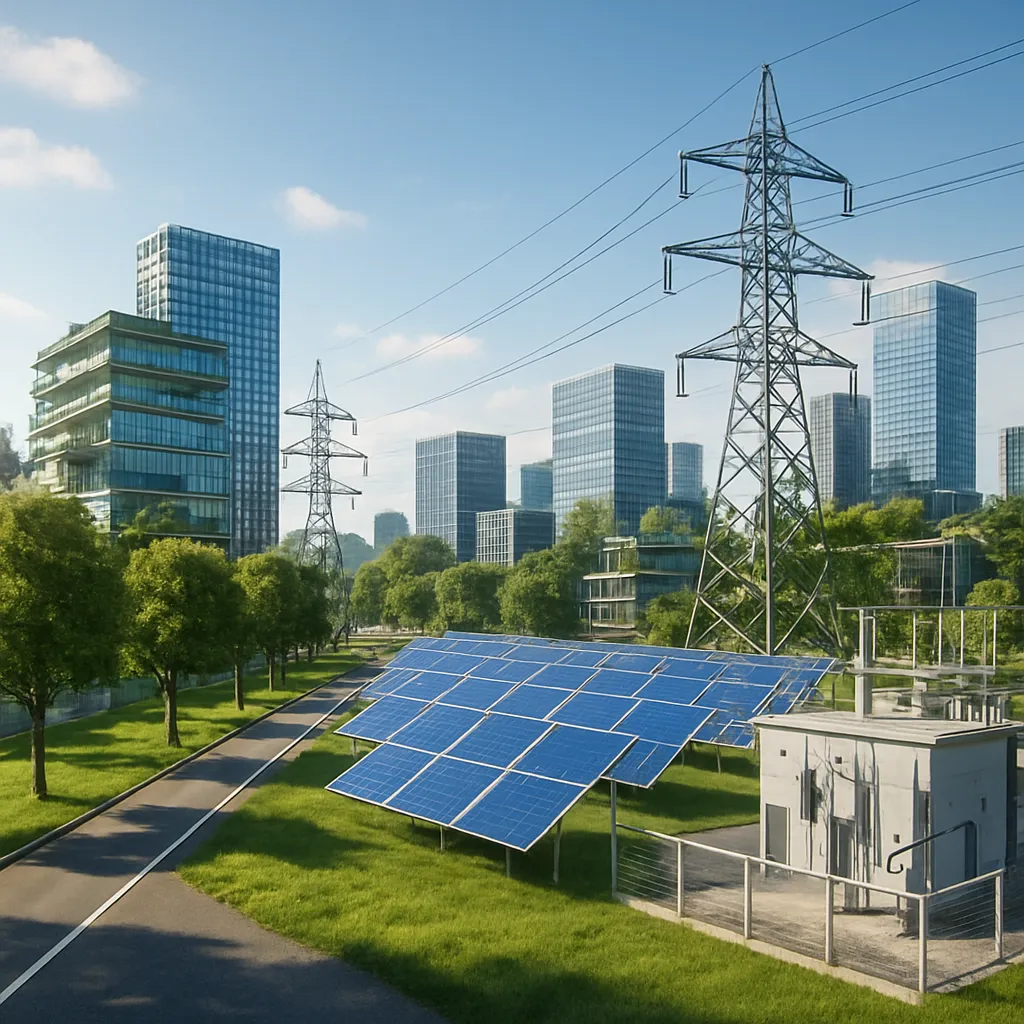
Futuristic cities emphasize sustainability and resilience. AR plays a crucial role in modeling energy performance, environmental impact, and resource management at both building and district scales. Planners can overlay solar path simulations, wind flow analyses, and water run-off projections onto proposed developments, making data-driven decisions that balance innovation with ecological responsibility.
Eco-Driven Visualization
Augmented Reality platforms integrate with environmental sensors to display heat maps of solar exposure, noise pollution, and air quality. Developers visualize green roof installations, façade-integrated photovoltaics, and rainwater harvesting systems in situ, adjusting parameters to optimize performance without compromising architectural intent.
Community Engagement in Smart Districts
- City residents engage with proposed street layouts, public plazas, and transit hubs through AR kiosks or smartphone apps.
- Interactive surveys allow communities to vote on park features, street furniture, and lighting schemes by previewing them in context.
- Municipal planners collect spatial feedback to refine pedestrian flows, accessibility routes, and mixed-use zones, fostering transparent decision-making.
This immersive approach to civic planning empowers stakeholders and fosters a shared vision for future urban landscapes that prioritize well-being, connectivity, and ecological harmony.
The Road Ahead: Innovations and Ethical Considerations
As AR hardware becomes lighter, more powerful, and widely accessible, its integration into architectural workflows will deepen. Emerging technologies like 5G connectivity, edge computing, and AI-driven spatial recognition promise to eliminate latency, improve model fidelity, and automate complex scene reconstruction.
- Innovation in Wearables: Next-generation AR headsets will offer untethered experiences with extended battery life, high-resolution optics, and intuitive gesture controls.
- AI-Enhanced Modeling: Machine learning algorithms will generate optimized structural systems, suggesting material substitutions and form adaptations based on real-time environmental inputs.
- Scalable Collaboration Platforms: Cloud-based AR services will synchronize global project teams, uniting designers, fabricators, and contractors within a shared augmented ecosystem.
However, widespread adoption raises important ethical and practical questions:
- Data Privacy: How will sensitive building information and site surveys be secured against unauthorized access?
- Equity of Access: What measures ensure that smaller firms or communities in underserved regions benefit equally from AR-driven advantages?
- Digital Overload: How can professionals maintain a healthy balance between virtual overlays and direct physical interaction with construction sites?
Addressing these concerns requires industry standards, rigorous protocols, and ongoing dialogue among architects, technologists, policymakers, and end users. By navigating these challenges thoughtfully, the architectural community can harness AR’s full potential while safeguarding transparency, inclusivity, and integrity.