Space architecture has long ignited the imagination of designers and engineers seeking to transcend terrestrial limitations. By studying the **modular** frameworks and **resilience** strategies developed for orbital and planetary habitats, architects are discovering fresh approaches to urban planning, building materials, and environmental integration here on Earth. This exploration reveals how innovations born in microgravity environments can redefine flexibility, sustainability, and human comfort in future cities.
Principles of Futuristic Space Habitats
At the heart of every space structure lies a few key tenets: **adaptability**, compactness, and closed-loop life support. In microgravity, every gram of payload matters. Designers rely on prefabrication and inflatable modules to create habitats that can be transported and assembled with minimal on-site labor. These **innovations** encourage a profound reevaluation of construction on Earth, where rapid assembly and low environmental impact are increasingly prized.
Modularity and Scalability
- Interlocking modules with standardized interfaces
- Expandable frameworks for future growth
- Redundant systems to enhance resilience
By emphasizing modularity, space architects ensure that every part can be replaced or upgraded without a complete overhaul. On Earth, similar strategies can accelerate disaster relief housing or enable neighborhoods to evolve organically as populations shift.
Closed-Loop Systems
Space habitats depend on integration of water recycling, air purification, and waste management. These closed-loop systems minimize resource consumption and emphasize circularity. Translating this to ground-based design means embracing greywater reuse in skyscrapers, embedding vertical farms in residential towers, and utilizing captured rainwater for landscaping.
Translating Orbital Innovations to Urban Environments
The unique challenges of outer space often demand radical solutions that have clear benefits on Earth. From lightweight composites to autonomous robotics, the tools crafted for astronauts are now reshaping cityscapes.
Lightweight Composite Materials
Space agencies invest heavily in **biomimicry**-inspired materials that resist radiation, extreme temperatures, and mechanical stress. Many of these composites feature lattice structures or nano-engineered coatings. In terrestrial architecture, such materials promise:
- Thinner structural elements without sacrificing strength
- Enhanced thermal insulation with reduced bulk
- Lower transportation costs due to reduced weight
For instance, carbon-fiber-reinforced polymers originally designed for spacecraft panels are now appearing in high-rise curtain walls, offering architects new freedom to pursue slender, dynamic forms.
Autonomous Construction Robotics
Robotic arms and rovers destined to build lunar outposts have spurred advancements in automated bricklaying and 3D-printing systems. These **autonomous** machines can operate around the clock, dramatically cutting construction timelines and labor costs. Their precision also ensures minimal material waste, aligning with stringent sustainability targets.
Advanced Materials and Construction Techniques
Space missions incentivize the creation of materials that can withstand harsh environments. These breakthroughs offer blueprints for resilient infrastructure on Earth, where climate change introduces more frequent and severe natural hazards.
Radiation-Resistant Facades
Future lunar bases require shielding from cosmic and solar radiation. Engineers have developed multi-layered cladding that can be adapted for flood-prone zones or high-UV regions on Earth. Such facades incorporate reflective outer layers, absorptive mid-layers, and self-healing polymers—offering long-term durability.
In-Situ Resource Utilization (ISRU)
To reduce launch mass, space architects explore using local materials, such as lunar regolith or Martian soil, to 3D-print structural elements. Translated terrestrial applications include harnessing locally sourced clay, sand, and industrial byproducts (e.g., slag) to fabricate building blocks on-site. This approach cuts down on transportation emissions and creates regionally unique architectural expressions.
- 3D-printed housing prototypes with minimal concrete use
- Geo-based ceramics that adapt thermal properties to local climates
- Waste-byproduct integration, such as incorporating fly ash or glass cullet
Human-Centric Design and Future Directions
Ultimately, whether in orbit or on solid ground, architecture must serve its inhabitants. Space missions have fostered a holistic view of human psychology, ergonomics, and community dynamics under isolation—insights that can enrich Earth-bound projects.
Biophilic Integration
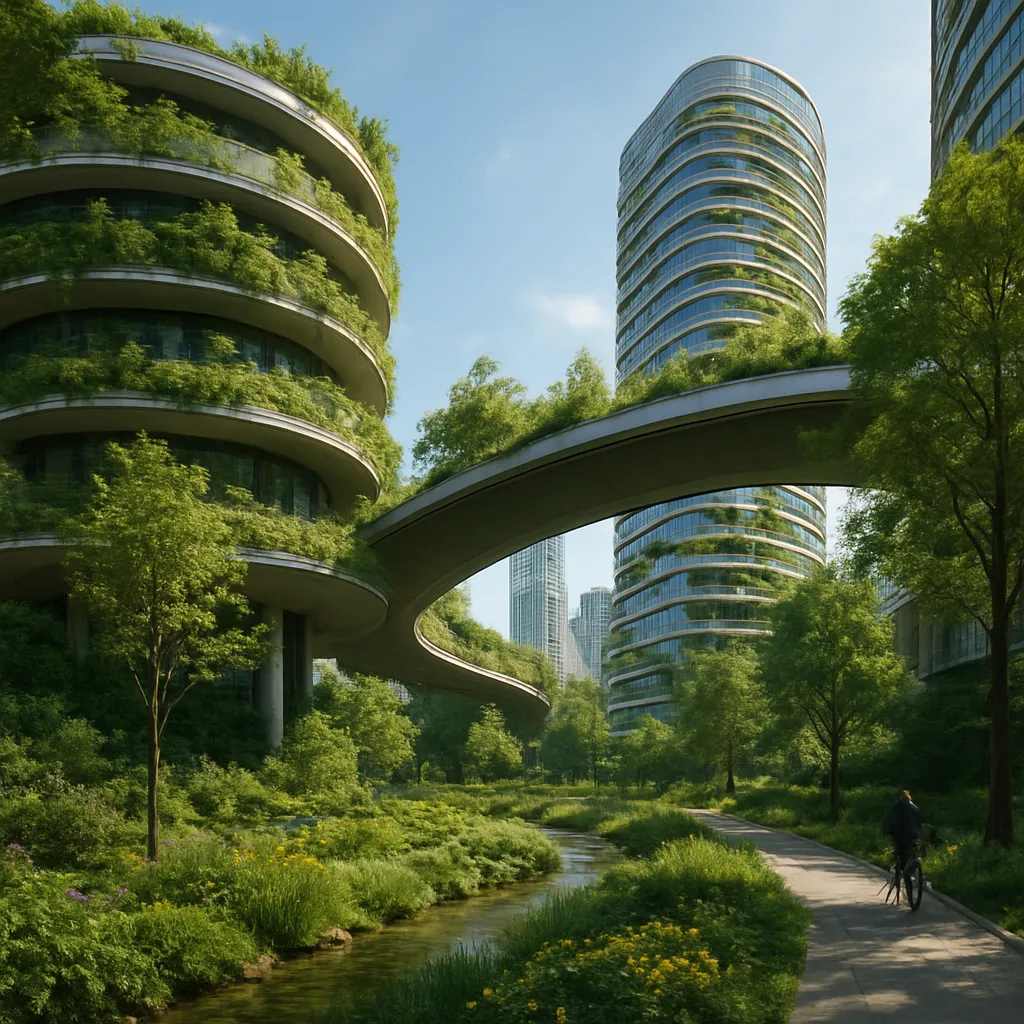
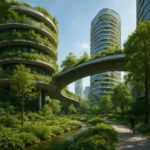
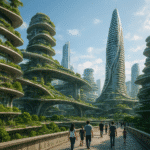
Prolonged confinement in space stations highlights the importance of sustainability in psychological well-being. Designers employ living walls, artificial skylights, and modular green pods to maintain a connection with nature. Urban planners can replicate these features in dense neighborhoods to reduce stress, improve air quality, and foster social cohesion.
Flexible Interior Layouts
In microgravity, interior spaces must be reconfigurable. Furniture modules can attach via rails or magnets, allowing occupants to customize their environment. On Earth, adaptive interiors can support co-living scenarios, transform offices into classrooms, or convert storefronts into community hubs with minimal retrofitting.
Community and Cultural Resilience
Space crews develop rituals, shared tasks, and communication protocols to strengthen solidarity. Translating these practices encourages architects and urban designers to create communal kitchens, multi-use gathering spaces, and transparent governance models in residential enclaves—fostering a sense of belonging and resilience in times of crisis.
Looking Ahead
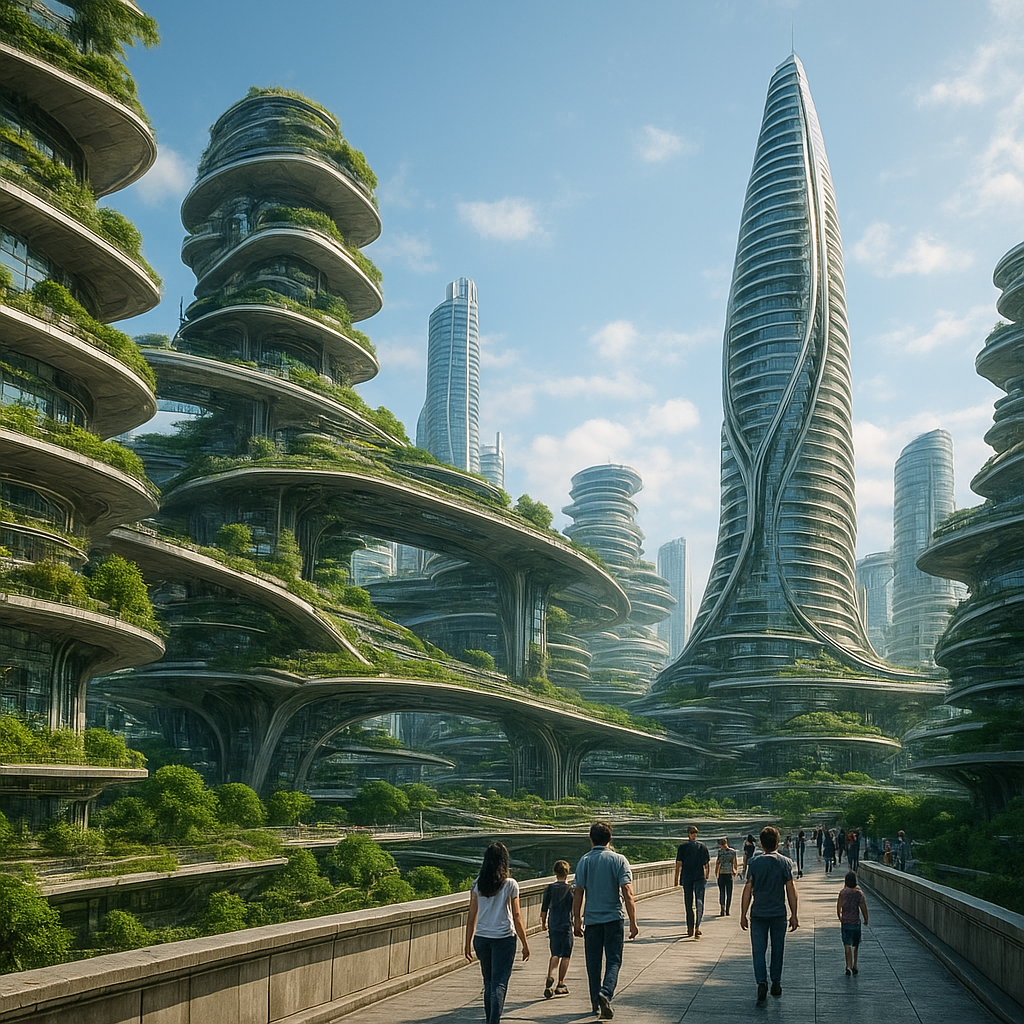
The cross-pollination between space architecture and Earth-based design promises a future where buildings are not just static shelters but dynamic, responsive systems. As humanity ventures farther into space, the lessons learned in **innovation**, **habitat** design, and resource efficiency will continuously cycle back to Earth, shaping ever more **sustainable**, **adaptive**, and inspiring environments for generations to come.