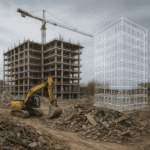
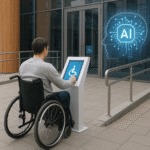
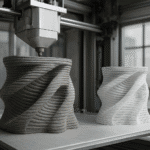
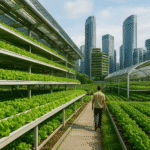
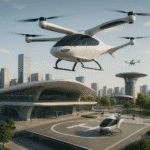

The convergence of cutting-edge tools and visionary design philosophies is reshaping the realm of futuristic architecture. From **immersive** virtual environments to **AI-driven** generative models, professionals are redefining how buildings are conceived, developed, and realized. This article delves into the transformative technologies that are enabling unprecedented levels of **collaboration**, efficiency, and **sustainability** in architectural practice.
Immersive Virtual Reality Platforms
At the heart of modern design workflows lies the rise of **virtual reality** (VR) systems, which allow architects, engineers, and clients to explore unbuilt spaces in **real-time**. By donning headsets or using projection-based caves, stakeholders can walk through fully rendered interiors and exteriors, providing a visceral sense of scale, light, and materiality before construction even begins.
- Rapid Iteration: VR environments support on-the-fly modifications of layouts, finishes, and lighting schemes, drastically reducing the feedback loop between design and approval.
- Global Teams: Remote participants can join a shared virtual model from different continents, fostering seamless **collaboration** without the need for travel.
- Client Engagement: End users gain a deeper understanding of proposed spaces, helping to align expectations and minimize costly change orders during later phases.
- Risk Mitigation: Designers can simulate potential site challenges—such as circulation bottlenecks or blind corners—early in the process, mitigating safety concerns ahead of ground-breaking.
Beyond immersive walkthroughs, advanced VR platforms incorporate **parametric** control panels, enabling users to adjust building forms, facade patterns, and even environmental parameters like sunlight angle. This dynamic interface bridges the gap between conceptual sketches and precise technical models.
AI-Driven Generative Design
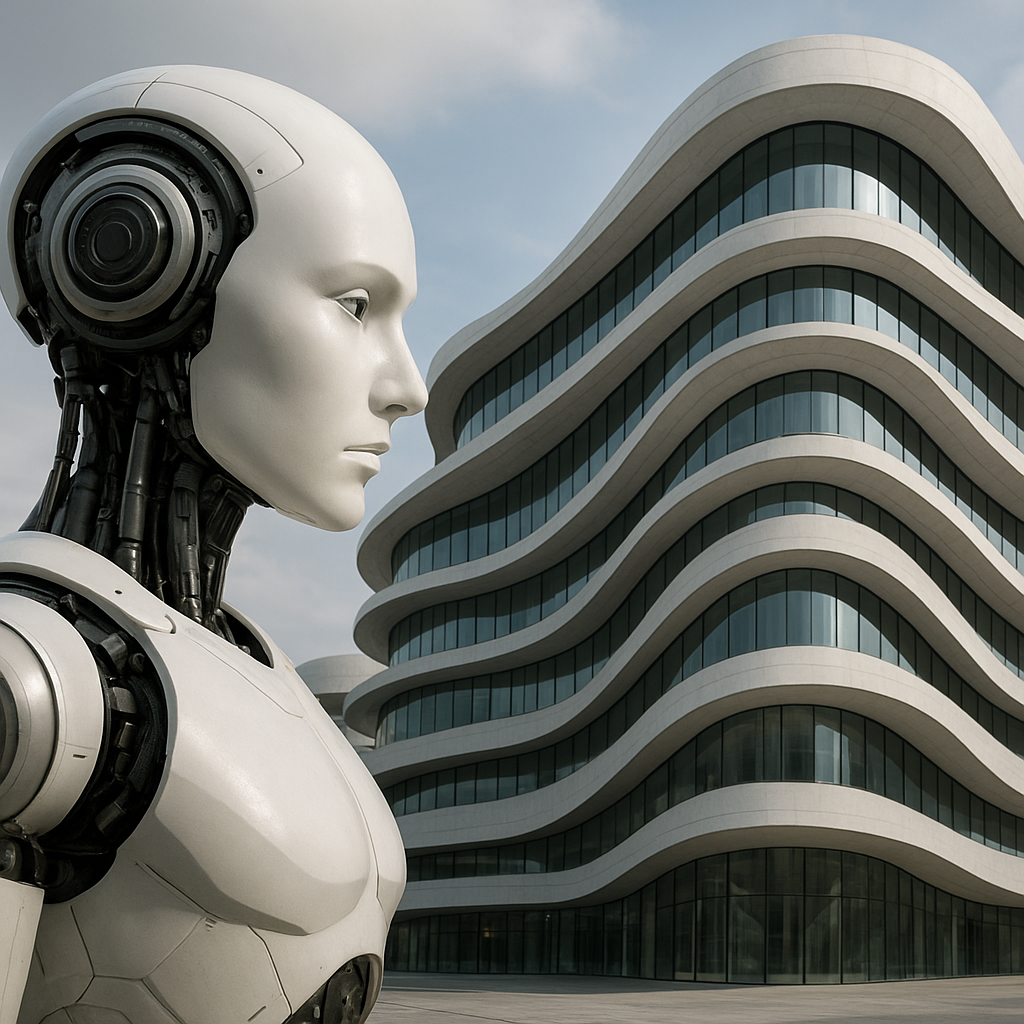
Artificial intelligence is no longer confined to data analytics; it has become a pivotal force in shaping building forms and spatial configurations. **Generative design** tools leverage evolutionary algorithms to explore thousands of permutations based on defined objectives, such as maximizing daylight, optimizing structural efficiency, or enhancing occupant comfort.
By specifying constraints—budget, site footprint, structural load limits—and performance goals, architects can harness these systems to propose **predictive** layouts tailored to programmatic needs. For instance, a complex mixed-use development might generate multiple massing scenarios that balance rentable area against communal amenity space, all while adhering to local zoning regulations.
Human–Machine Symbiosis
Rather than replacing the creative mind, AI acts as an **augmentation** tool. Designers select promising iterations, refine parameters, and inject contextual insights. This synergy accelerates decision-making and pushes the boundaries of what is architecturally feasible, giving rise to fluid, organic forms that would have been impractical to conceive manually.
Blockchain for Seamless Project Management
The decentralized ledger technology behind **blockchain** offers robust solutions for managing the complex web of contracts, documentation, and transactions inherent in large-scale architecture and construction projects. By embedding contracts into smart contracts, teams can automate milestone payments, material deliveries, and compliance audits.
- Transparent Records: Every change order, inspection report, or material certification is immutably recorded, fostering accountability and reducing disputes.
- Supply Chain Integrity: Tracking key components—such as steel reinforcements or high-performance glazing—ensures authenticity, quality, and ethical sourcing.
- Tokenized Ownership: Fractional investment models can be implemented, enabling stakeholders to buy shares in a project’s future revenue streams or green credits.
- Cross-Border Collaboration: International firms can coordinate seamlessly, as the blockchain verifies identities, licenses, and payment releases without relying on intermediaries.
Through these mechanisms, blockchain transforms logistical complexity into an automated, self-enforcing ecosystem, ultimately speeding up schedules and bolstering trust among all parties.
Smart Materials and Responsive Facades
The next frontier in futuristic architecture involves **sensors** and **adaptive** materials that respond to environmental stimuli. These intelligent skins breathe, switch opacity, or even generate energy, creating buildings that are as dynamic as the occupants they serve.
Examples include:
- Photochromic Glass: Windows that automatically tint under intense sunlight, reducing cooling loads while preserving exterior views.
- Thermochromic Paint: Facade coatings that change color with temperature shifts, providing passive thermal regulation and visual cues.
- Piezoelectric Floors: Flooring systems that harvest mechanical energy from footfall, powering interior lighting or wireless sensors.
- Shape-Memory Polymers: Structural elements that reconfigure in response to humidity or heat, optimizing airflow and shading throughout the day.
Integration of IoT networks allows these materials to communicate with centralized building management systems. Data from embedded sensors—tracking occupancy patterns, air quality, or solar radiation—feeds into **predictive** maintenance algorithms, enabling repairs before failures occur and maximizing the lifespan of critical assemblies.
Collaborative Digital Twins for Lifecycle Management
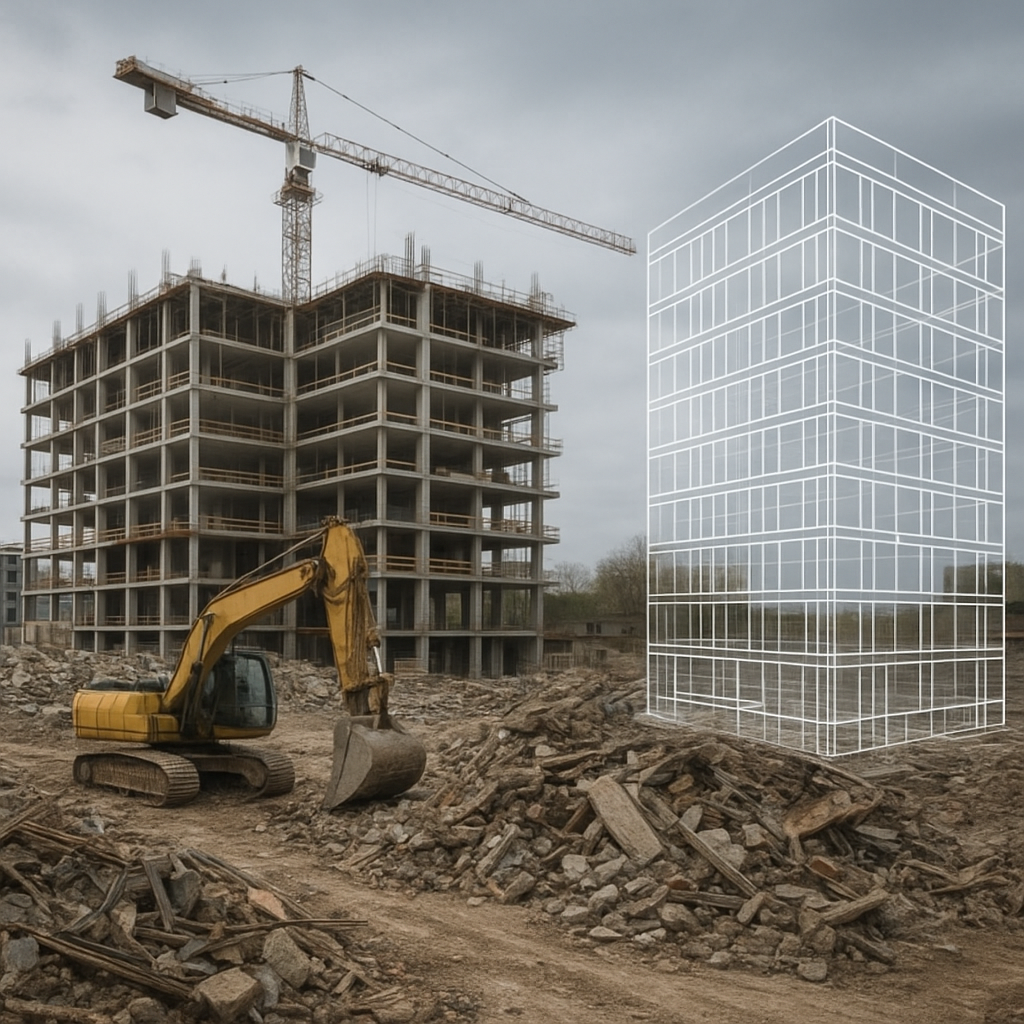
Digital twins are high-fidelity virtual replicas of physical assets, updated continuously with real-world data. In architecture, digital twins facilitate end-to-end oversight—from initial concept through construction, operation, and eventual decommissioning.
- Design Validation: Early-stage models synchronize with site sensors to verify that construction aligns precisely with intended geometry and tolerances.
- Operational Efficiency: During occupancy, systems monitor energy consumption, water usage, and indoor environmental quality, offering optimization strategies in near **real-time**.
- Adaptive Repurposing: When programmatic changes are required—such as converting office floors to residential units—the digital twin provides a sandbox for testing different scenarios without risking downtime.
- End-of-Life Planning: Sustainability is enhanced by tracking material provenance and recyclability within the twin, supporting circular economy initiatives.
By maintaining a persistent, bi-directional link between the physical structure and its virtual counterpart, stakeholders gain unprecedented transparency and control over complex building ecosystems.
The Future of Interdisciplinary Synthesis
Futuristic architecture is inherently interdisciplinary, blending civil engineering, computational design, environmental science, and human-centered psychology. Advanced **collaboration** platforms unify diverse specialists within a common data environment, ensuring that structural concerns, energy performance analyses, and user experience research inform every design decision.
Visual scripting languages and node-based editors democratize computational workflows, allowing nonprogrammers to contribute to parametric models or automation scripts. Cross-functional teams leverage cloud-based repositories, version-control protocols, and immersive co-design sessions to craft holistic solutions that anticipate social, environmental, and technological trends.
Key Takeaways
- Architectural collaboration is evolving through immersive and AI-enhanced methodologies.
- Decentralized systems ensure transparency and efficiency across all project phases.
- Smart materials and digital twins bridge the gap between design intent and lived experience.
- Interdisciplinary synthesis fosters resilient, adaptive, and **sustainable** built environments.