In the pursuit of cities that thrive in harmony with nature, architects and visionaries are embracing the ethos of sustainability and futurism. By weaving together ecological principles and cutting-edge technologies, they envision built environments that are not only visually striking but also deeply respectful of the planet’s resources. This article explores the evolution of futuristic architecture, examining the transformative materials, adaptive systems, and community-driven designs shaping our sustainable tomorrow.
Emerging Concepts in Futuristic Architecture
At the heart of modern architectural discourse lies a fascination with forms and functions inspired by the natural world. As urban populations swell, designers are compelled to rethink conventional building typologies, giving rise to structures that breathe, grow, and self-repair.
Biomimicry and Form
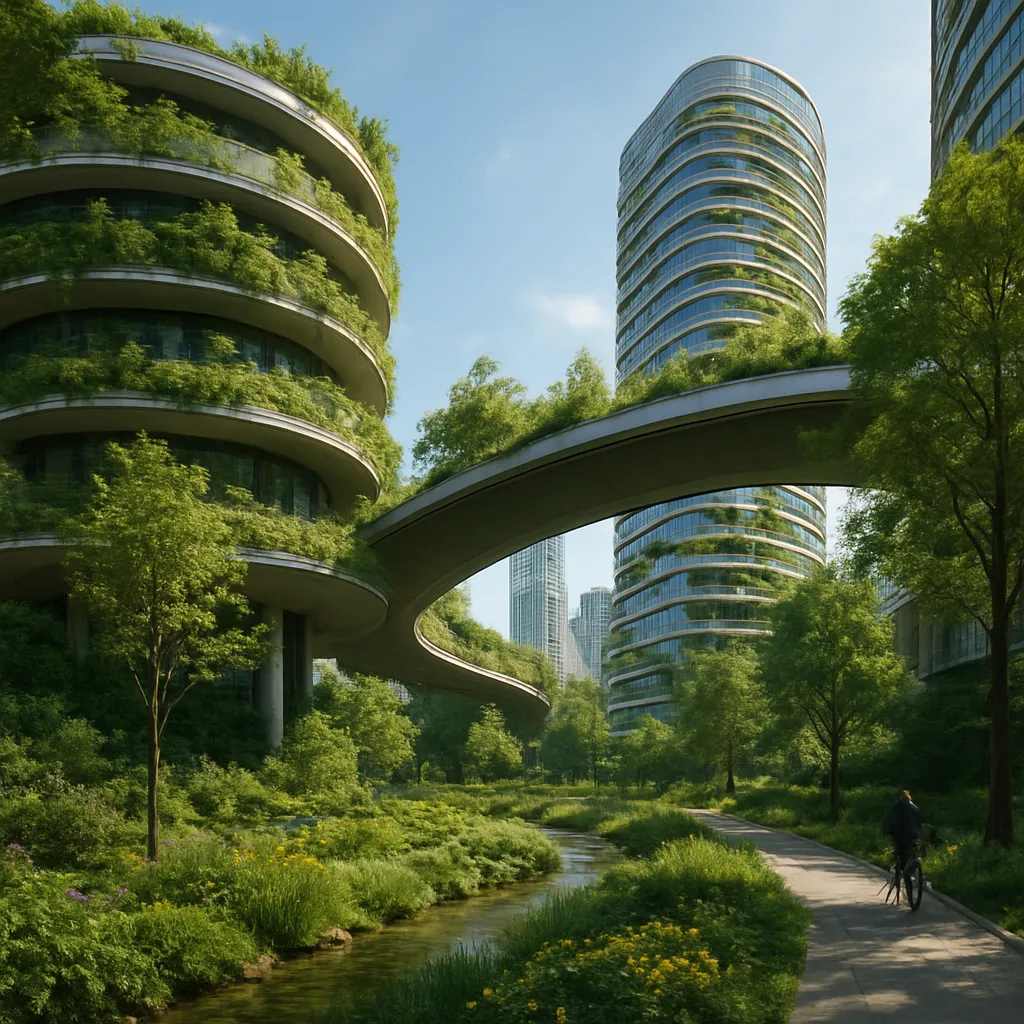
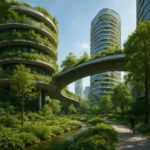
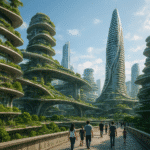
By studying plants, animals, and even microbial processes, architects deploy biomimicry to optimize structural efficiency and energy use. Towering façades mimic the pleats of a leaf to maximize solar gain in winter while providing natural shading during summer. Circulatory networks modeled on blood vessels distribute water and nutrients throughout a high-rise green wall, reducing maintenance demands. These organic forms not only delight the eye but also contribute to building longevity and occupant comfort.
Adaptive Skins and Climate Response
Adaptive building envelopes represent a leap forward in climate-responsive design. Equipped with sensors and actuators, these dynamic “skins” adjust porosity, reflectivity, and insulation properties in real time. During heatwaves, micro-perforations open to facilitate cross-ventilation; when temperatures drop, the façade contracts to seal in warmth. The integration of phase-change materials and pneumatic shading elements allows each structure to achieve unprecedented levels of resilience against extreme weather events.
Sustainable Materials and Eco-Innovation
Today’s architects are on a quest to minimize carbon footprints by specifying materials that are both high-performance and low-impact. The choice of substrate, coating, and structural component can determine whether a building contributes to carbon sequestration or exacerbates climate change.
- Bio-based composites: Engineered from straw, hemp, or mycelium, these lightweight panels rival steel in strength while remaining biodegradable.
- Recycled aggregates: Crushed concrete and reclaimed masonry form the core of innovative concrete blends, cutting down quarrying and landfill outputs.
- Photocatalytic coatings: Nano-engineered surfaces on exterior walls break down pollutants and neutralize airborne toxins, improving urban air quality.
- Translucent wood: A hybrid material that retains cellulose fibers for strength while achieving optical clarity, enabling natural daylight diffusion.
Each of these materials exemplifies a shift away from finite resources toward systems that close the loop, embodying the circular economy. Collaborative research centers and cross-disciplinary teams continue to push the boundaries, ensuring that each new material is tested for performance, health impacts, and end-of-life recyclability.
Technological Integration and Smart Ecosystems
The synergy between digital tools and ecological imperatives has given rise to buildings that can think and adapt. Through the fusion of AI, Internet of Things (IoT), and advanced modeling, architects craft environments that optimize energy flows, water cycles, and occupant well-being.
Digital Twins for Continuous Optimization
Digital twin technology creates a real-time virtual replica of a building’s mechanical, electrical, and plumbing systems. By monitoring variables such as humidity, occupancy, and energy consumption, the digital twin can recommend adjustments to HVAC settings, window actuators, and lighting controls. Over weeks and months, machine learning algorithms detect patterns and predict anomalies, enabling preventative maintenance and reducing operational costs by up to 30%.
AI-Driven Design and Parametric Exploration
Generative design platforms harness evolutionary algorithms to explore thousands of geometries and material combinations in minutes. By setting environmental performance goals—such as thermal comfort, daylight penetration, and acoustic quality—designers receive optimized forms that might have eluded manual sketching. These AI-driven insights foster a new paradigm of innovation where form follows function, and ecological impact is baked into the conceptual stage.
Urban Resilience and Community Synergy
Beyond individual buildings, the future of cities hinges on holistic planning that intertwines social equity, ecological health, and economic vitality. Futuristic architecture extends its gaze from isolated skyscrapers to interconnected districts shaped by shared values.
Vertical Farming and Food Security
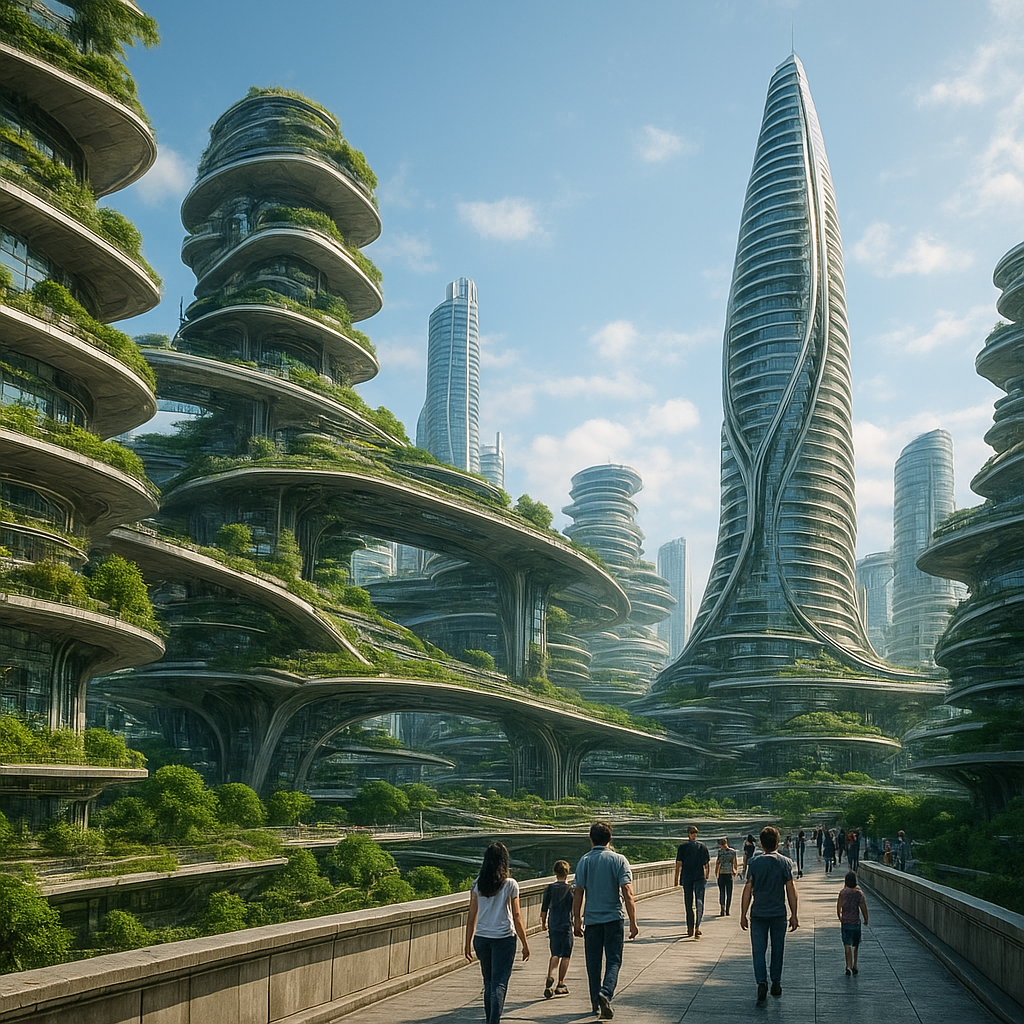
Rooftop greenhouses and sky gardens are no longer novelties but essential components of resilient neighborhoods. Multi-story towers incorporate hydroponic and aeroponic systems to cultivate leafy greens, herbs, and vine crops. By closing agricultural loops within the urban core, communities gain access to fresh produce year-round, reducing food miles and bolstering local economies.
Microgrids and Renewable Energy Integration
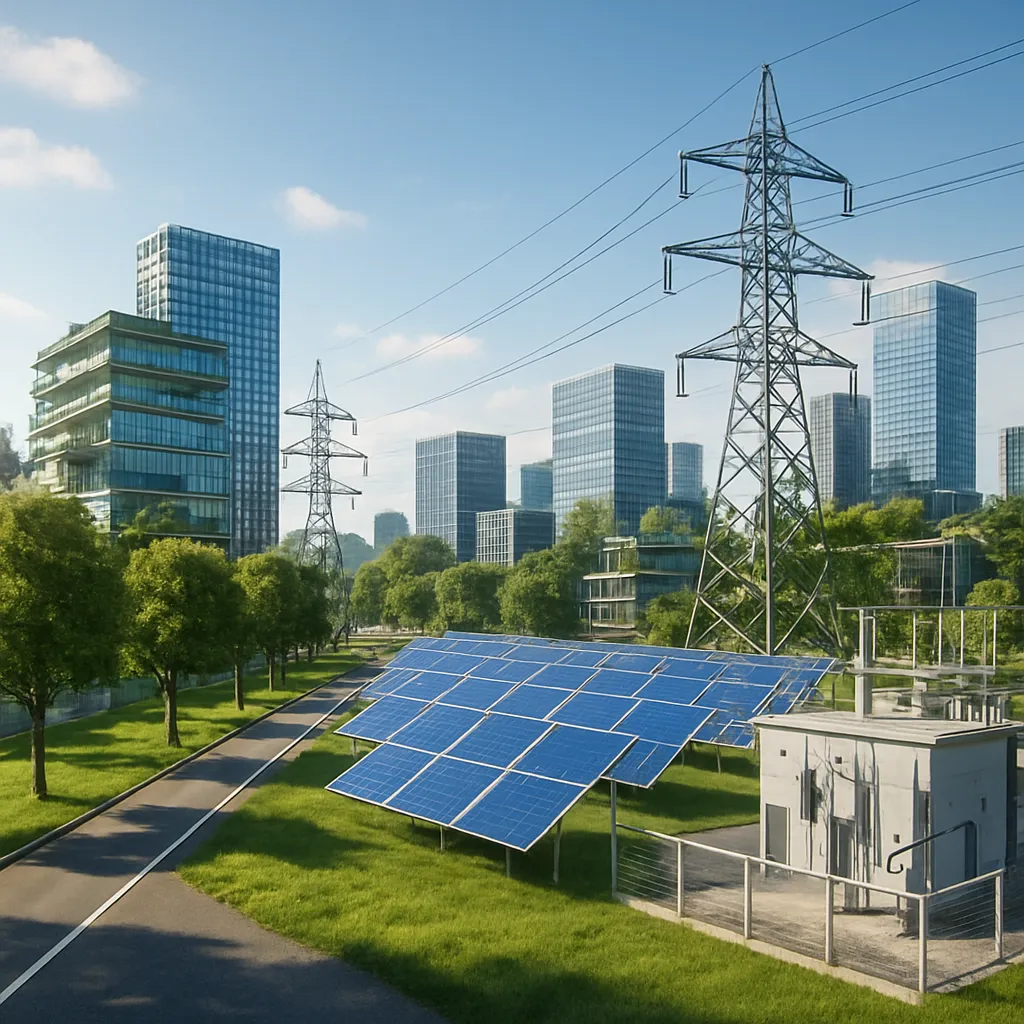
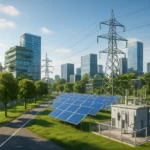
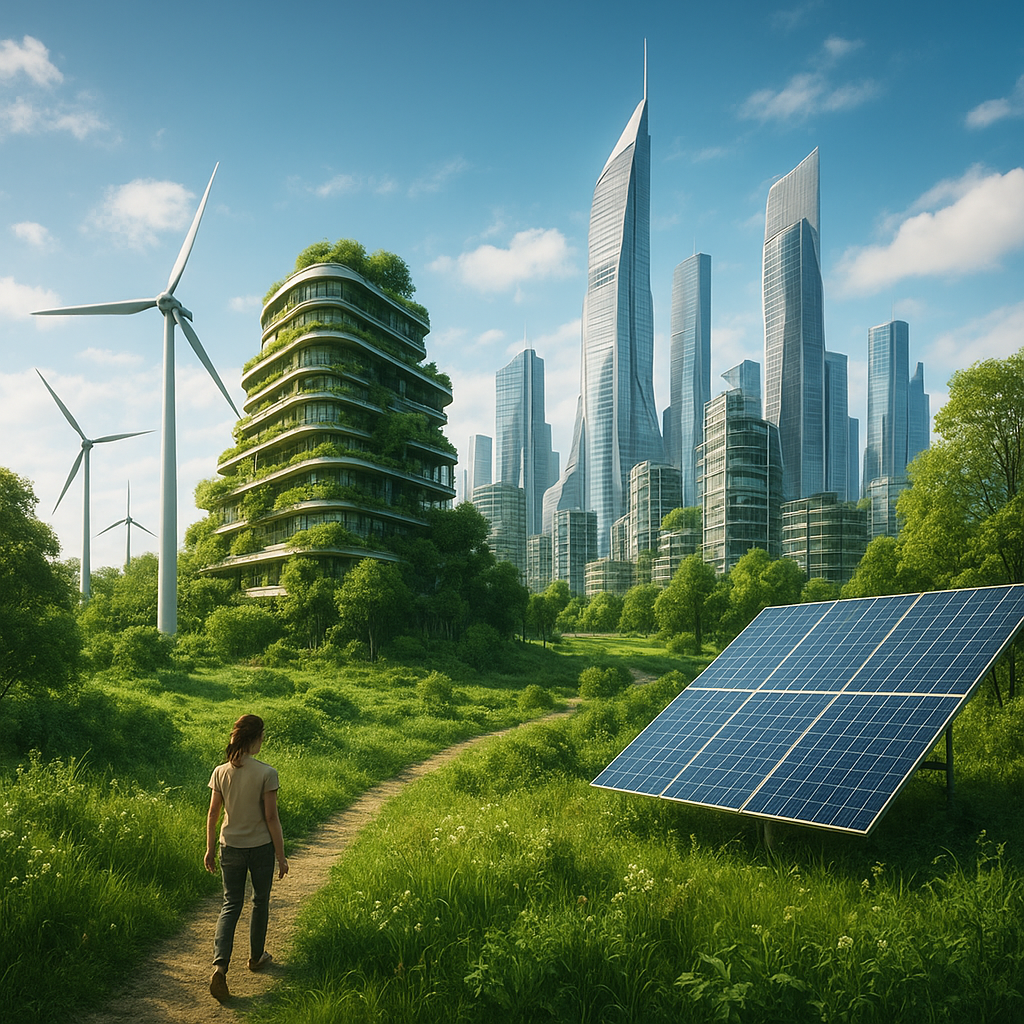
Decentralized energy systems provide each district with the capacity to generate, store, and share power. Solar canopies and building-integrated photovoltaics feed lithium-ion and emerging solid-state batteries. In parallel, micro wind turbines and kinetic energy harvesters embedded in public plaza furnishings capture otherwise wasted motion. A peer-to-peer energy trading platform allows residents to sell surplus power to neighbors, fostering a synergy of mutual benefit and reducing strain on central utilities.
Challenges and Pathways to Implementation
Despite the promise of these visionary projects, hurdles remain. Regulatory frameworks often lag behind technological advances, while budget constraints can dampen ambition. To overcome these barriers, stakeholders must champion adaptive codes, incentivize private investment, and cultivate interdisciplinary partnerships among architects, engineers, ecologists, and sociologists.
- Advocacy for flexible zoning permits experimental building types and mixed-use enclaves.
- Public-private research grants accelerate the validation of new eco-materials and smart systems.
- Community-led design charettes ensure that redevelopment projects address local needs and cultural heritage.
- Workforce training programs equip construction teams with skills to install advanced façades, sensors, and living systems.
By navigating these complexities with a spirit of collaboration and a commitment to long-term value, the architectural community can usher in an era where cities function as integrated ecosystems rather than resource sinks. With each sustainable skyscraper, each sensor-laden envelope, and each verdant rooftop, we edge closer to a future where adaptability, renewable integration, and human well-being converge in harmonious balance.