



As urban populations swell toward unprecedented numbers, the blueprint for tomorrow’s megacities evolves under the pressure of climate change, resource scarcity, and rapid technological progress. Visionary architects and urban planners harness cutting-edge materials and innovations to craft towering structures, integrated ecosystems, and dynamic networks. This exploration of futuristic architecture delves into the transformative principles shaping metropolises of the future.
Vertical Enclaves: Reimagining Skylines
The traditional skyline composed of monolithic towers gives way to multifaceted, layered habitats. Architects embrace vertical expansion to accommodate surging populations while conserving land. These skyscrapers transcend mere office or residential use, becoming self-contained microcosms equipped with gardens, recreational areas, and mixed-use zones.
Key design strategies include:
- Modular components that interlock seamlessly, facilitating phased construction and future upgrades
- Observation decks and skybridges that foster connectivity among neighbors and visitors
- Self-sustaining energy modules harnessing solar facades and wind turbines integrated into exoskeleton frames
- Rainwater harvesting and greywater recycling systems embedded within facade cavities
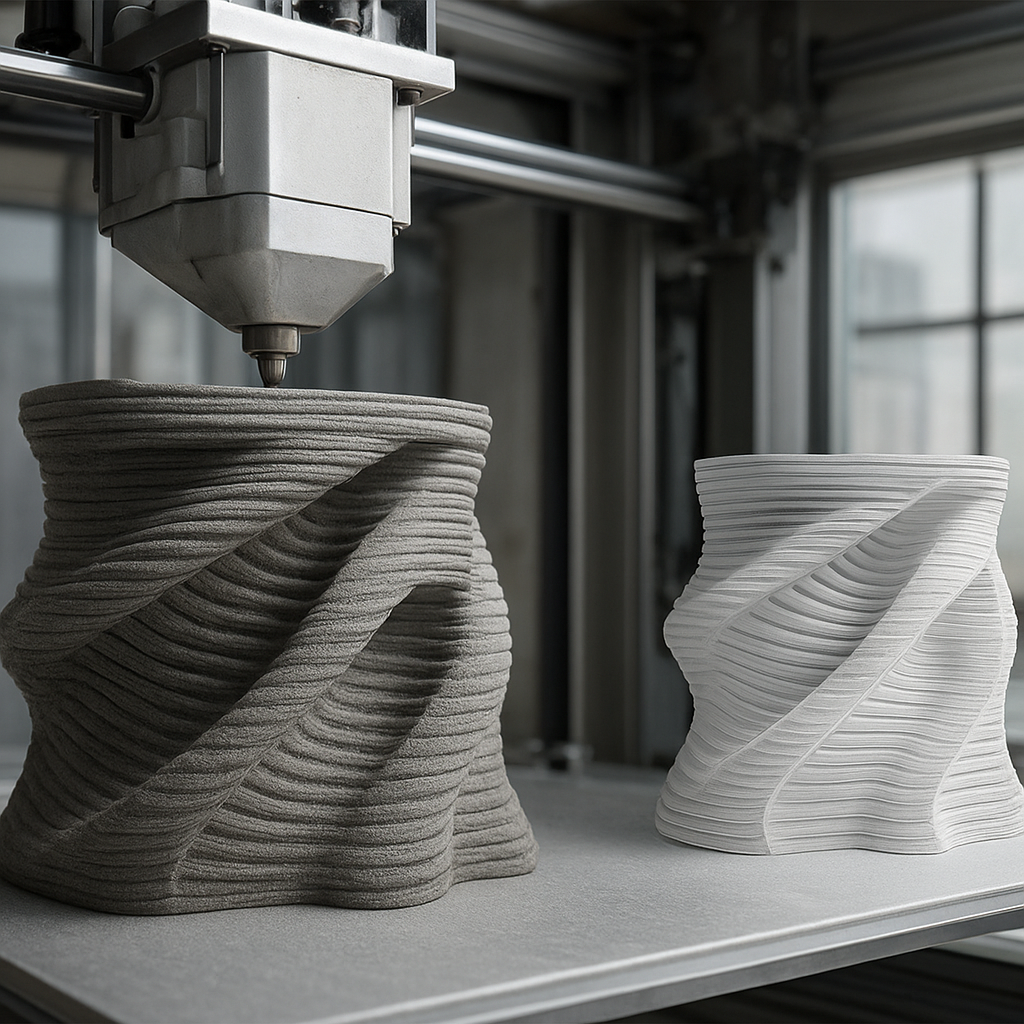
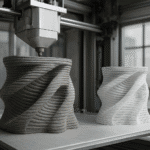
Innovations in 3D printing and adaptive materials allow tower exteriors to morph in response to wind loads and solar angles, minimizing energy consumption and structural stress. Architects also incorporate biomimicry—studying termite mounds to replicate natural ventilation patterns—thereby reducing reliance on mechanical HVAC systems.
Sustainable Infrastructures: Integrating Nature with Technology
Futuristic megacities prioritize harmony between built environments and natural ecosystems. Green corridors snake through urban canyons, creating wildlife pathways and improving air quality. Rooftop forests and living walls blanket buildings in verdant foliage, offering insulation and habitats for pollinators. These features embody the concept of urban rewilding, restoring biodiversity within dense city centers.
Emerging technologies enhance sustainability:
- Smart sensors monitor soil moisture, regulating irrigation for rooftop farms
- Photocatalytic concrete neutralizes pollutants, actively cleansing surrounding air
- Algae bioreactors integrated into building skins produce biofuels and sequester carbon dioxide
- Dynamic solar canopies adjust tilt angles to maximize energy capture throughout the day
This synergy of nature and tech fosters resilience against natural disasters. Floodable plazas double as stormwater retention basins, while permeable pavements channel excess rain into subterranean reservoirs. In earthquake-prone zones, structures employ base isolators and flexible joints crafted from advanced polymers, ensuring stability under seismic stress.
Smart Networks: The Brain of the Megacity
Tomorrow’s megalopolises operate as intelligent organisms, with interconnected digital nervous systems that optimize resource distribution, traffic flow, and emergency responses. IoT nodes populate every streetlamp, bench, and parking space, gathering data to inform real-time adjustments. This intricate web of sensors and AI-driven analytics underpins innovation in every facet of urban life.
Core components of the smart network include:
- Autonomous public transit fleets synchronized through decentralized traffic management algorithms
- Energy grids that dynamically reroute power based on usage peaks, integrating distributed renewable sources
- Augmented reality overlays aiding navigation and highlighting neighborhood services
- Predictive maintenance systems flagging infrastructure wear before failures occur
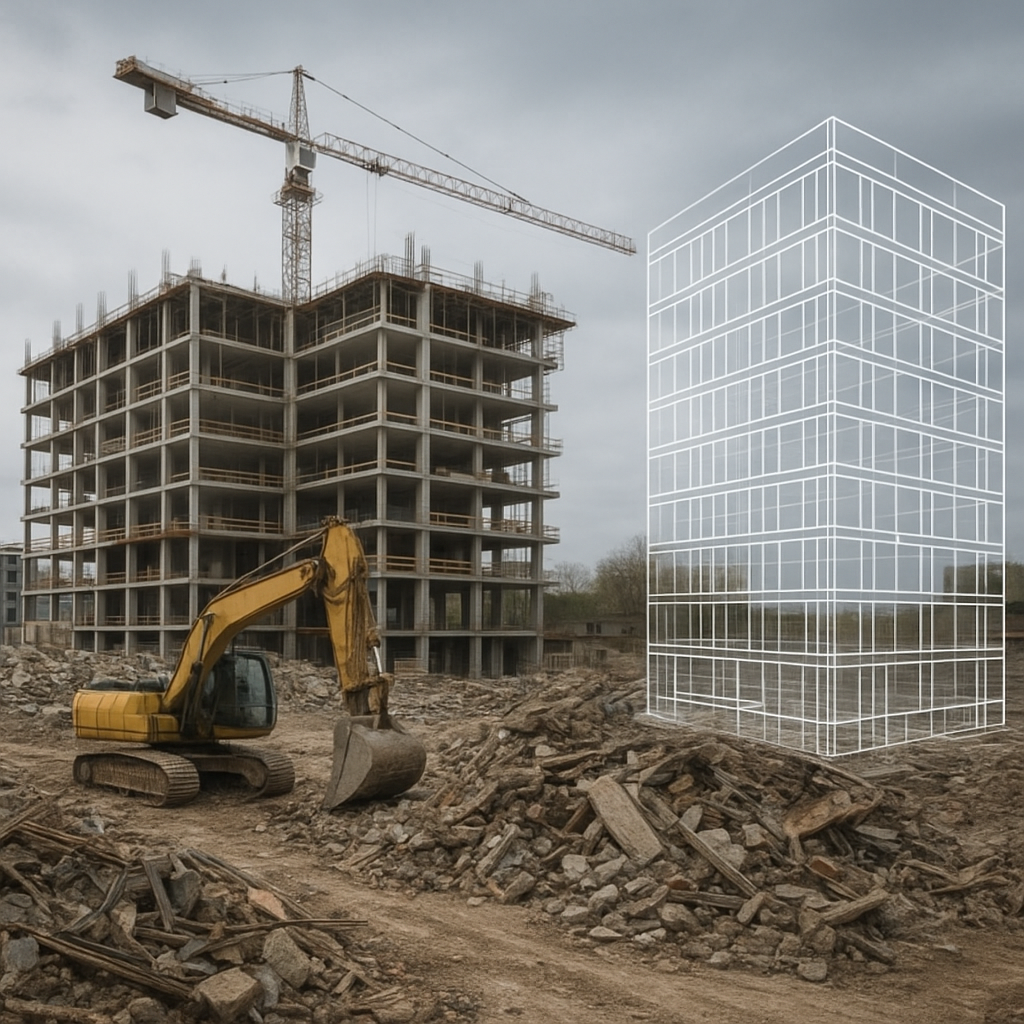
Public safety benefits from drone patrols equipped with thermal imaging, while wearable devices alert citizens about air quality or noise pollution hotspots. The fusion of data and design elevates urban planning from static blueprints to continuous, adaptive processes. Planners leverage digital twins—virtual replicas of the city—to simulate scenarios, optimize layouts, and test policies before implementation on the ground.
Flexible Living: Adaptation and Modular Design
Changing demographics and lifestyles demand living spaces that can evolve with inhabitants’ needs. Modular housing pods slide along overhead tracks, enabling residents to expand or contract their dwellings without major renovations. Open floor plans feature retractable walls and multifunctional furniture, ensuring every square meter serves multiple purposes.
Adaptive living units integrate:
- Smart surfaces that shift opacity for privacy or daylight control
- Robotic furniture that transforms from a bed into a workspace
- AI-driven climate control adapting to occupant preferences and external weather
- Plug-and-play modules for adding kitchens, work pods, or entertainment zones
This adaptive approach reduces material waste and extends building lifespans by allowing continuous reconfiguration. As family sizes change or workers transition to new professions, homes respond organically, maintaining relevance in a fast-paced world.
Human-Centric Design: Livability at Scale
Despite towering heights and sprawling networks, the heart of futuristic megacities remains deeply human. Public squares teem with art installations that double as cooling structures, and interactive murals generate responsive lighting and soundscapes. Pedestrian pathways wind through elevated parks, offering contemplative retreats amid urban density.
Important human-focused elements include:
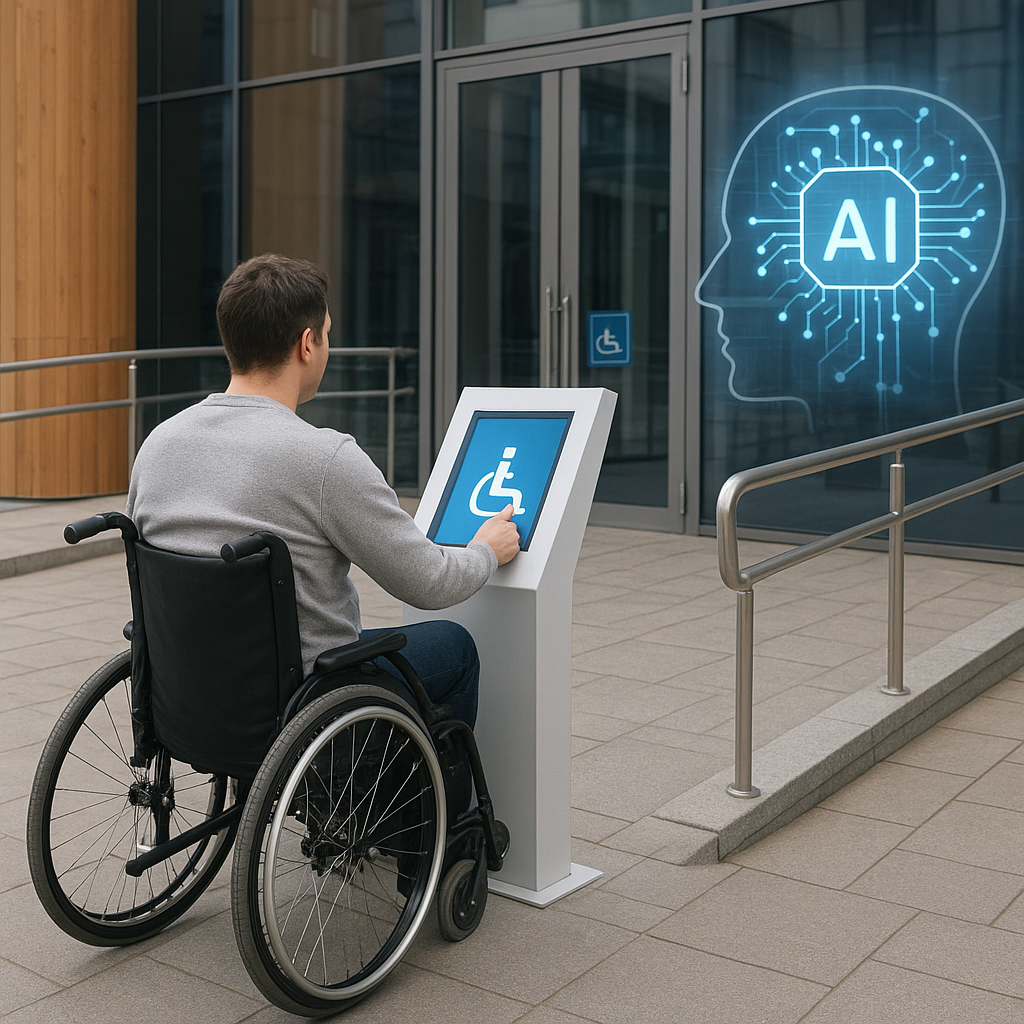
- Inclusive accessibility with floating platforms and ramps for seamless mobility
- Local marketplaces fostering community ties and supporting small entrepreneurs
- Cultural hubs equipped for both virtual and live performances
- Health corridors embedding clinics and wellness centers along major transit routes
By centering design on well-being, architects ensure cities nurture mental health, social connections, and creative expression. These sustainable communities demonstrate that mega-scale engineering can coexist with intimate, human-scale experiences.
Material Frontiers: From Nanotech Lattices to Self-Healing Composites
Breakthroughs in material science drive the next wave of construction. Graphene-infused concrete offers extraordinary tensile strength, while nanotech lattices weave through composites to create ultra-light yet robust panels. Self-healing polymers swell upon exposure to micro-fissures, automatically sealing cracks and preventing structural deterioration.
Key material innovations include:
- Bio-based polymers derived from agricultural waste, reducing reliance on fossil fuels
- Phase-change materials embedded in walls, storing excess heat and releasing it when temperatures drop
- Electrochromic windows that shift transparency to optimize daylight and privacy
- Magnetic bearings supporting floating platforms for frictionless movement
These materials not only enhance building performance but also streamline construction processes through prefabrication and robotic assembly. The result is rapid deployment of high-quality structures with minimal environmental footprints.