


The fusion of advanced technology and creative vision has given rise to a new generation of construction materials that redefine the possibilities of architectural design. As urban landscapes push the boundaries of form and function, the industry embraces a spectrum of cutting-edge solutions that span from self-repairing surfaces to fully recyclable composites. This exploration delves into the material innovations fueling the cities of tomorrow, revealing how each development fosters sustainability, resilience, and unparalleled aesthetic freedom.
The Rise of Smart Materials
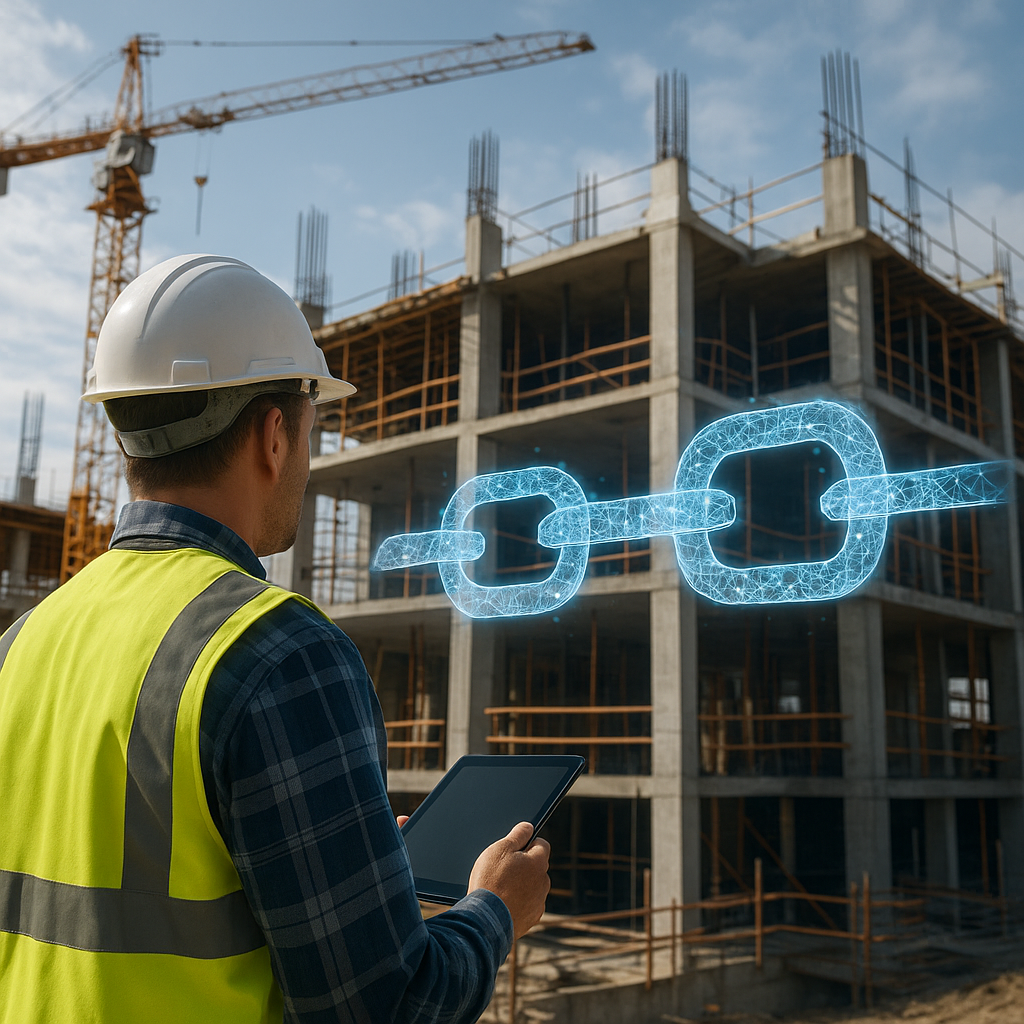
Emerging at the forefront of modern construction is a class of intelligent substrates that can sense, react, and adapt to environmental changes. These smart materials integrate sensors, actuators, and even microprocessors directly into structural elements, facilitating active control over temperature, light, and moisture.
Key characteristics include:
- Self-regulation of thermal conductivity, reducing reliance on HVAC systems.
- Embedded humidity sensors that prevent mold growth in high-moisture regions.
- Dynamic shading capabilities to optimize daylight penetration.
For instance, advanced glass façades now employ electrochromic coatings that darken under direct sunlight, minimizing glare and energy consumption. Meanwhile, polymeric floors lined with piezoelectric layers generate electricity as people walk, opening an avenue for buildings to harness ambient activity as a peripheral power source.
Nanotechnology and Self-Healing Structures
At the atomic scale, nanotechnology is revolutionizing the durability and longevity of construction elements. By embedding nanoparticles and nano-fibers within traditional matrices, engineers achieve remarkable improvements in strength, abrasion resistance, and crack arresting capabilities.
Recent breakthroughs include:
- Concrete infused with microcapsules that release sealant agents upon crack formation.
- Coatings incorporating titanium dioxide nanoparticles that catalyze the breakdown of airborne pollutants.
- Carbon nanotube reinforcements that elevate tensile strength beyond steel.
One particularly noteworthy innovation is self-healing concrete, which houses dormant bacteria and nutrients. When fissures appear and water infiltrates, the bacteria activate and precipitate calcium carbonate, sealing gaps autonomously. This biomimetic approach dramatically extends service life and reduces maintenance costs, marking a paradigm shift in structural upkeep.
Sustainable Biodegradable Composites
As concerns about environmental impact intensify, developers turn to eco-friendly alternatives that harness renewable resources. Biocomposites—derived from plant fibers, algae, and recycled polymers—offer a lightweight, low-carbon alternative to traditional steel and concrete.
Highlights of these materials include:
- Hempcrete: a mixture of hemp hurds and lime that provides excellent insulation and carbon sequestration.
- Mycelium-based blocks: grown from fungal roots that bind organic waste into sturdy building components.
- Algae-infused panels: capable of capturing CO₂ while providing a living façade.
Such sustainable materials not only lower embodied energy but also introduce novel aesthetics. Imagine a pavilion whose walls shimmer with embedded microalgae, actively filtering air and evolving in color as the organisms grow. These living structures challenge the static nature of conventional architecture, fostering a deeper connection between occupants and the natural world.
Responsive Facades and Adaptive Skins
The concept of a building envelope has transcended passive insulation to become an active interface between interior environments and external forces. Adaptive skins now employ kinetic modules that shift orientation and configuration in response to weather patterns and occupancy needs.
Innovations in this realm include:
- 3D-printed shading louvers that morph shape to track solar trajectories.
- Thermochromic panels that alter opacity according to temperature.
- Solar-harvesting tiles equipped with photovoltaic cells that pivot for maximum efficiency.
One visionary project features a façade of triangular fins, each powered by miniature actuators and a networked AI system. These fins flutter like leaves in the wind, modulating light and airflow to maintain a stable indoor climate. The result is a building that breathes and responds, delivering unparalleled comfort and energy efficiency.
3D Printing and Modular Construction
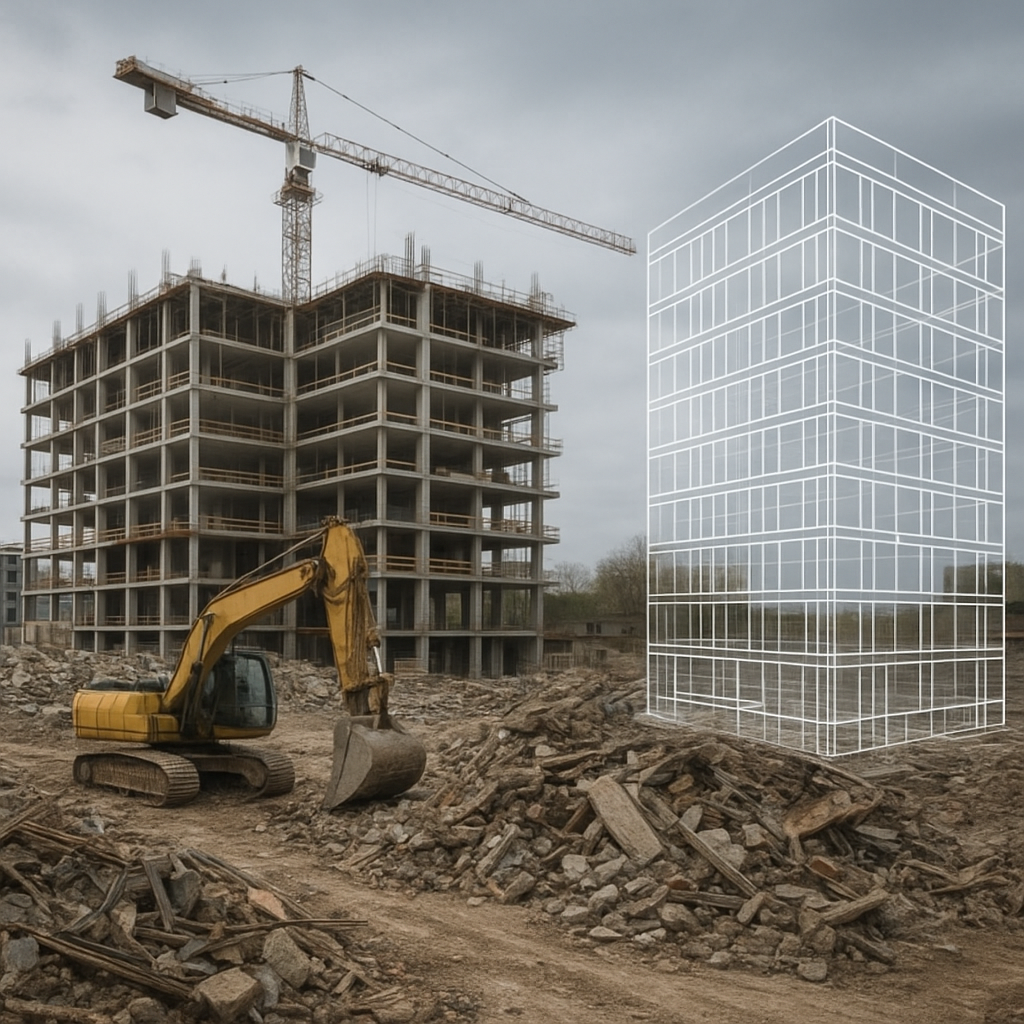
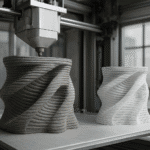
Rapid prototyping has leaped from the workshop into the construction site, enabling architects to fabricate complex geometries on demand. 3D printing uses robotic arms and specialized extruders to deposit layers of concrete, polymers, or metal alloys, crafting bespoke components with minimal waste.
Advantages of this methodology include:
- Accelerated project timelines, reducing on-site labor requirements.
- Customization at scale, from ornamental latticework to structural trusses.
- Waste reduction, as printers use only the exact material needed.
Complementing this, modular construction employs prefabricated volumetric units assembled like building blocks. Each module is outfitted with mechanical, electrical, and plumbing systems in a controlled factory setting, ensuring quality and consistency. On-site, these units connect seamlessly, offering both modularity and rapid deployment—an ideal solution for disaster relief housing, remote research stations, and urban infill developments.
The Role of Artificial Intelligence and Robotics
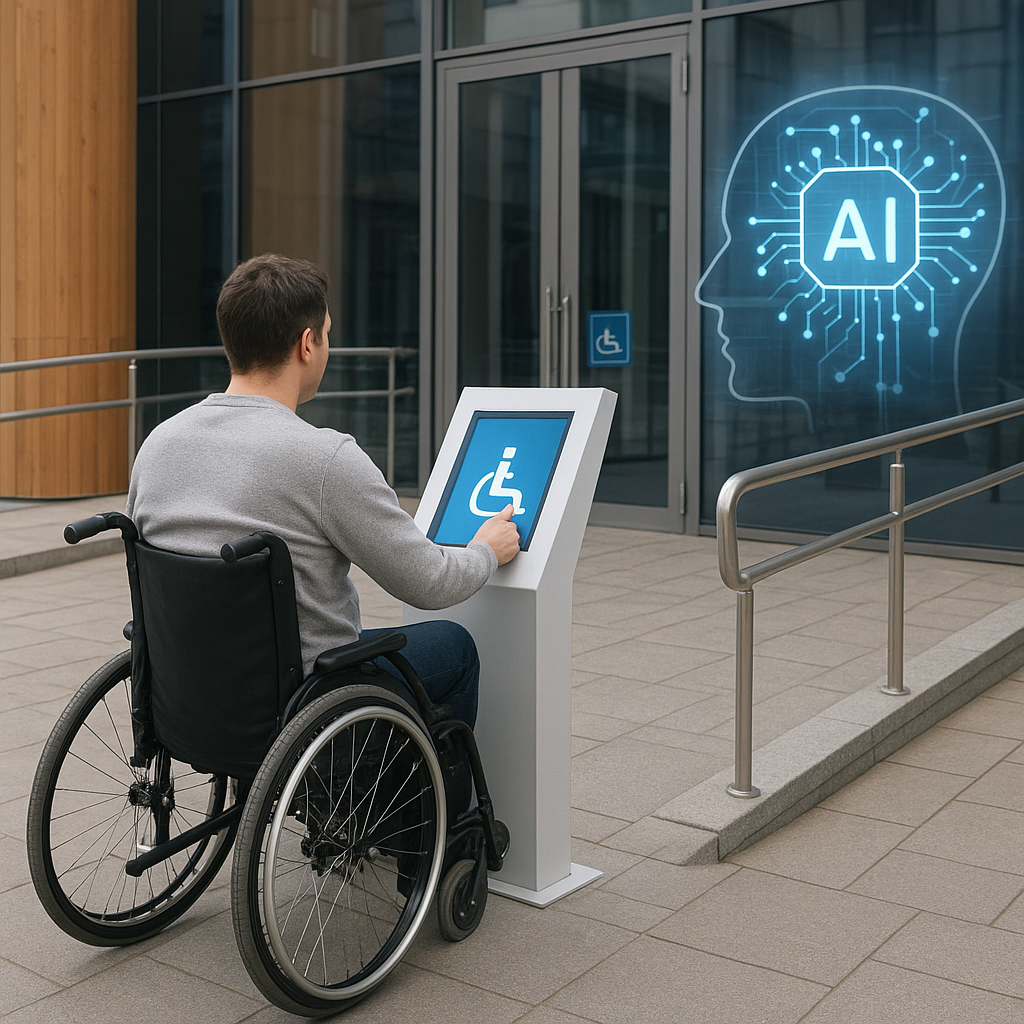
Integrating AI and robotics has become central to managing the complexity of futuristic architecture. Algorithms optimize material layouts for maximum structural integrity while minimizing mass. Robots navigate intricate scaffolding, installing panels and performing inspections with millimeter precision.
Applications span:
- Autonomous drones scanning 3D-printed facades for defects.
- Machine learning models predicting stress points in novel material blends.
- Collaborative robotic arms working alongside human technicians in modular assembly.
By harnessing the computational power of AI, design processes accelerate, errors diminish, and resource utilization becomes hyper-efficient. This synergy of human creativity and machine precision heralds a new chapter in building innovation.
Challenges and Future Directions
Despite remarkable progress, obstacles remain on the path to widespread adoption. Regulatory frameworks must adapt to accommodate non-standard materials and construction methods. Supply chains need to evolve to support the sourcing of exotic nanomaterials and bio-based feedstocks. Additionally, skilled laborers require new training to operate sophisticated 3D printers and robotic systems.
Looking forward, the convergence of connectivity, renewable energy, and advanced materials will pave the way for truly autonomous structures. Imagine skyscrapers that harvest wind and solar power, recycle greywater through embedded biofilters, and reconfigure interior layouts on demand to suit changing needs. Such edifices will not only stand as feats of engineering but also as living organisms, continually optimizing their performance in harmony with the environment.
End of article