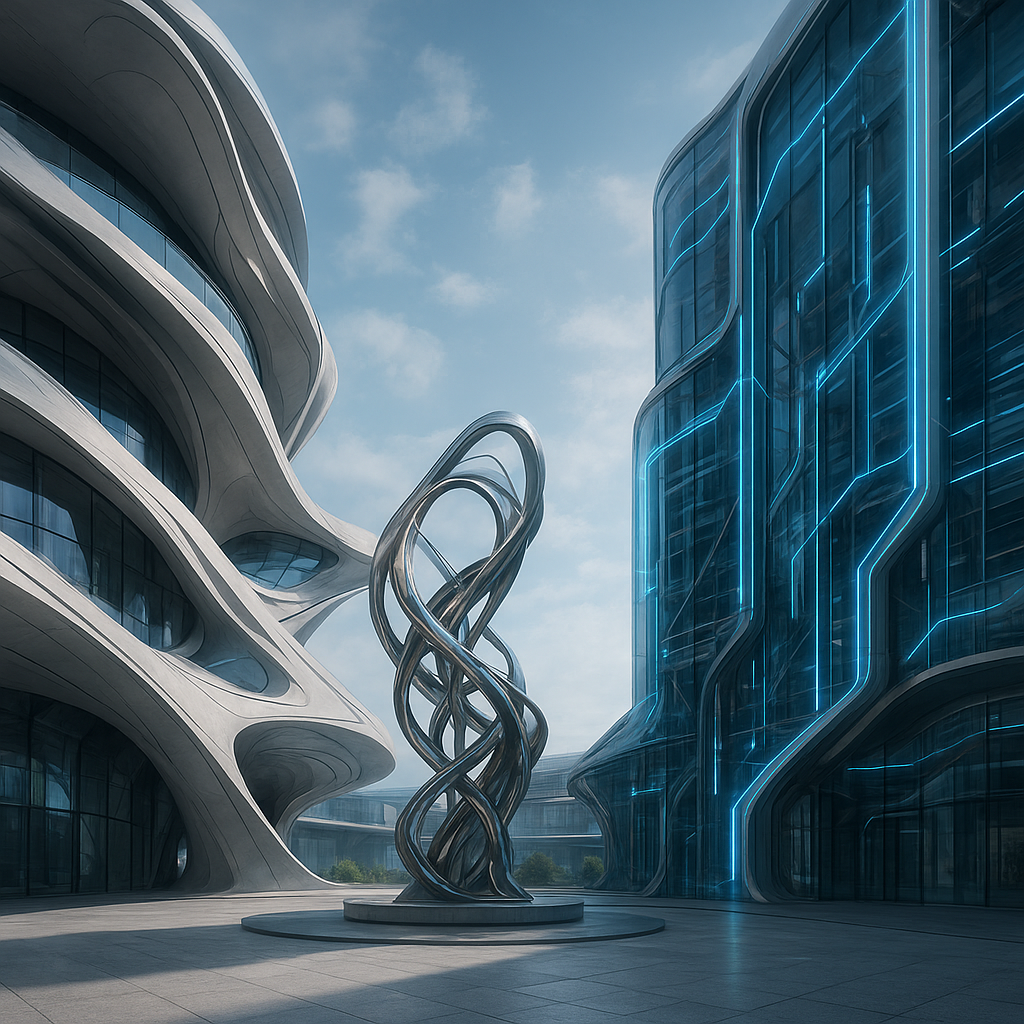
The Fusion of Art and Technology in Futuristic Architecture reveals a world where innovation and creativity converge to reshape our built environment. From organic forms born of biomimicry to skyscrapers that adapt dynamically through parametric systems, this article explores how cutting-edge tools and artistic vision are crafting spaces that defy convention. Readers will discover the pivotal breakthroughs in 3D printing, the role of nanotechnology in material science, and the imperative of sustainability for future generations. By uniting aesthetic daring with technological prowess, architects are enabling immersive experiences, fostering resilience, and setting new standards for urban life.
History and Evolution of Futuristic Architecture
The trajectory of architecture has always been marked by periods of radical change. In the early 20th century, pioneers like Buckminster Fuller introduced geodesic domes, emphasizing lightweight structures and modularity. Later, the mid-century saw visionary projects such as Archigram’s walking cities, illustrating an appetite for fluid, transformable environments. Today, the synergy between art and technology accelerates that evolution dramatically.
From Visionary Concepts to Practical Blueprints
- 1920s–1950s: Early experiments in modular housing and experimental materials.
- 1960s–1980s: High-tech movement, highlighted by buildings that exposed their mechanical systems as expressive elements.
- 1990s–2000s: Emergence of digital design tools such as CAD, allowing complex geometries.
- 2010s–Present: Integration of digital fabrication methods like CNC milling and direct concrete printing.
These milestones set the stage for a new era in which form and function are co-designed through iterative simulations and real-time data feedback loops. The boundary between artist and engineer becomes ever more porous, as computational scripts guide sweeping curves and parametric facades.
Key Technologies Driving Design
Advances in hardware and software underpin the breathtaking progress in futuristic architecture. Architects deploy a suite of tools that were unimaginable just decades ago. By leveraging artificial intelligence, robotics, and advanced materials, designers are turning bold concepts into tangible structures.
Parametric and Generative Design
Parametric design platforms allow architects to define relationships between countless design variables. By tweaking input parameters—light exposure, structural load, climate data—algorithms iterate thousands of variations. This approach yields optimized forms that respond to environmental conditions and user needs.
3D Printing and Digital Fabrication
- Large-scale concrete 3D printers constructing entire walls layer by layer.
- Robotic arms assembling intricate metal frameworks with micron-level precision.
- On-site printing of biomaterials for rapid shelter solutions in disaster zones.
Such methods drastically reduce waste, shorten construction timelines, and open up design possibilities unimaginable with traditional methods. The immersive potential of these innovations invites architects to reimagine the entire building process.
Nanotechnology and Smart Materials
Smart materials embedded with sensors can adapt to changing conditions: façades that shift opacity in response to sunlight, concrete that heals its own microcracks, and coatings that repel dust and pollutants. By harnessing nanoscale engineering, these materials enhance durability and comfort while minimizing environmental impact.
Artistic Expression and Sustainability
Futuristic architecture is not only about visual spectacle but also about ecological responsibility. The marriage of art and technology yields structures that are as gentle on the planet as they are visually arresting. Creative strategies ensure that resilience goes hand in hand with beauty.
Biomimetic Strategies
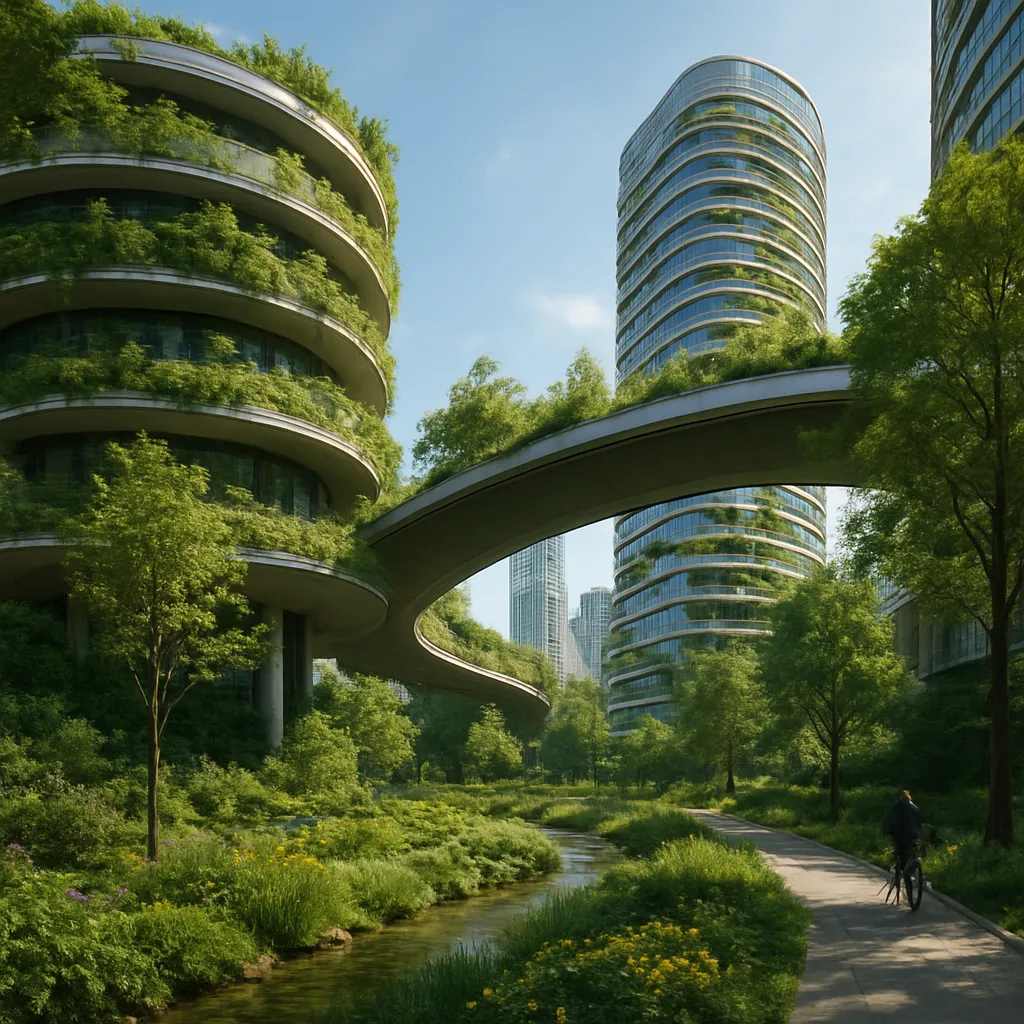
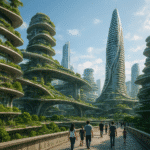
Drawing inspiration from nature, architects replicate features like the self-cooling mechanisms of termite mounds or the structural efficiency of honeycomb patterns. These biomimetic designs reduce energy consumption and foster healthy indoor environments, demonstrating that aesthetics and sustainability can be mutually reinforcing.
Energy and Resource Efficiency
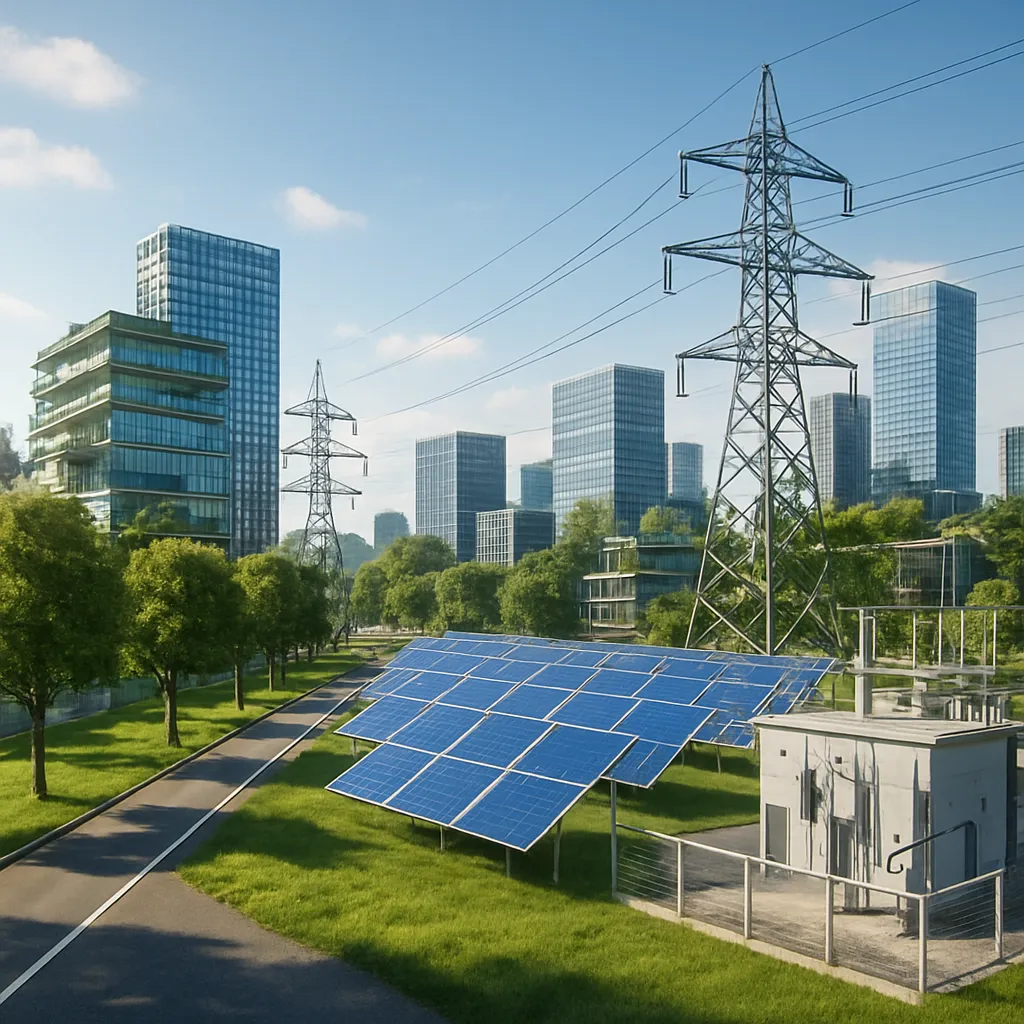
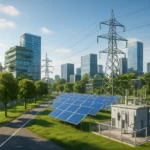
- Net-zero buildings powered by integrated photovoltaic skins and wind turbines.
- Rainwater harvesting systems that feed greywater loops for irrigation and cooling.
- Adaptive shading devices that rotate or expand, reducing HVAC loads.
By treating energy as a design element, visionaries craft facades that are living canvases, dynamically interfacing with their surroundings to optimize comfort and efficiency.
Urban Integration and Smart Cities
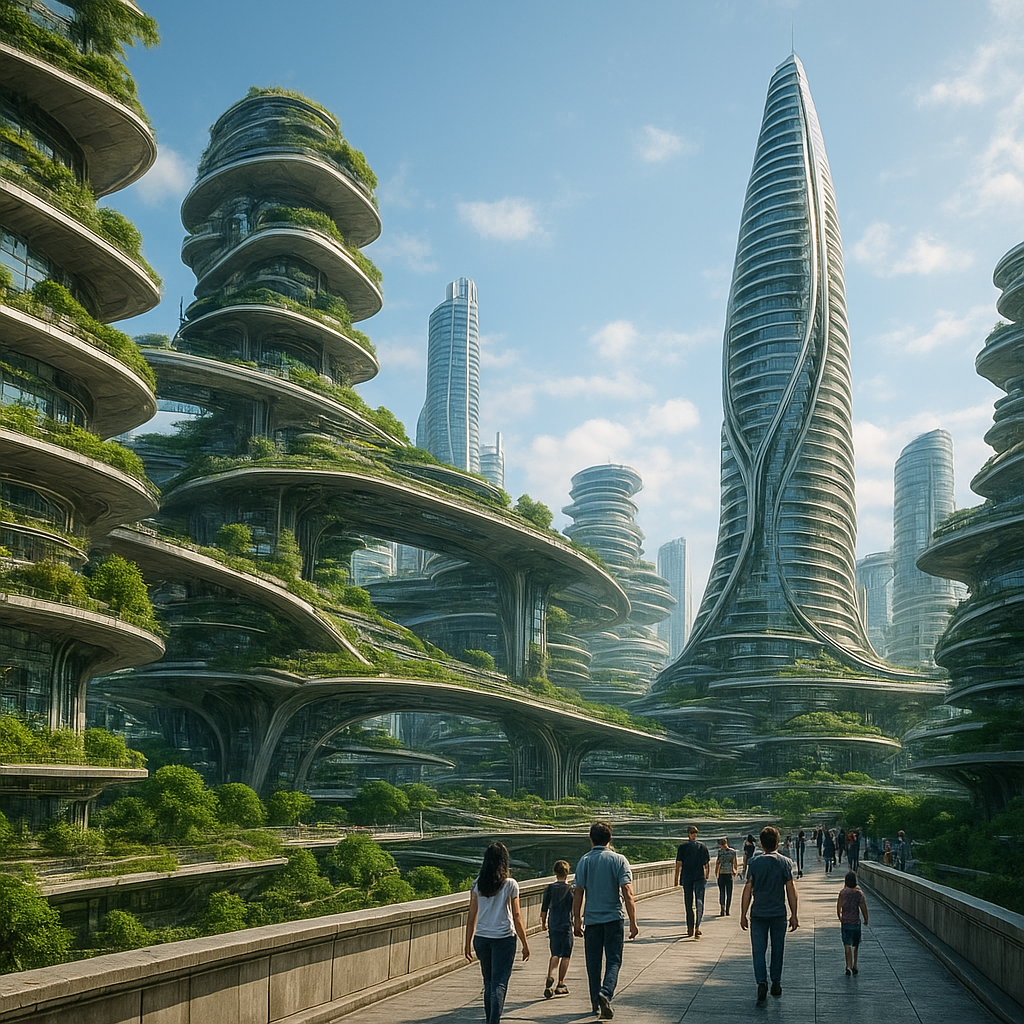
The future of architecture extends beyond solitary buildings into the realm of interconnected urban ecosystems. Smart city infrastructures rely on real-time data streams, IoT networks, and participatory platforms to shape public spaces that are responsive to inhabitants’ needs.
Mobility and Connectivity
- Dynamic roadways that adjust lane configurations based on traffic flow.
- Drone delivery ports integrated into mixed-use towers.
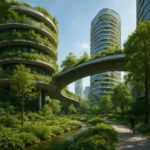
- Pedestrian bridges with interactive lighting that responds to movement.
These innovations demand new design paradigms, where buildings serve as nodes in a distributed network, offering services from health monitoring to augmented reality experiences. By emphasizing innovation in urban planning, architects can foster communities that are both vibrant and adaptive.
Public Art and Interactive Installations
Artistic interventions in public realms transform facades and plazas into living galleries. Interactive installations respond to touch, sound, or environmental shifts, inviting users to become part of the architectural narrative. This participatory approach enhances social cohesion and elevates the built environment into a platform for collective creativity.
The Human Experience in Tomorrow’s Spaces
Ultimately, futuristic architecture is about shaping human experience. Whether through immersive virtual interfaces woven into walls, or sensory gardens enlivened by bioluminescent plants, designers prioritize occupant well-being. By integrating art and technology, they create environments that inspire, comfort, and challenge us to imagine new possibilities for living, working, and connecting.