

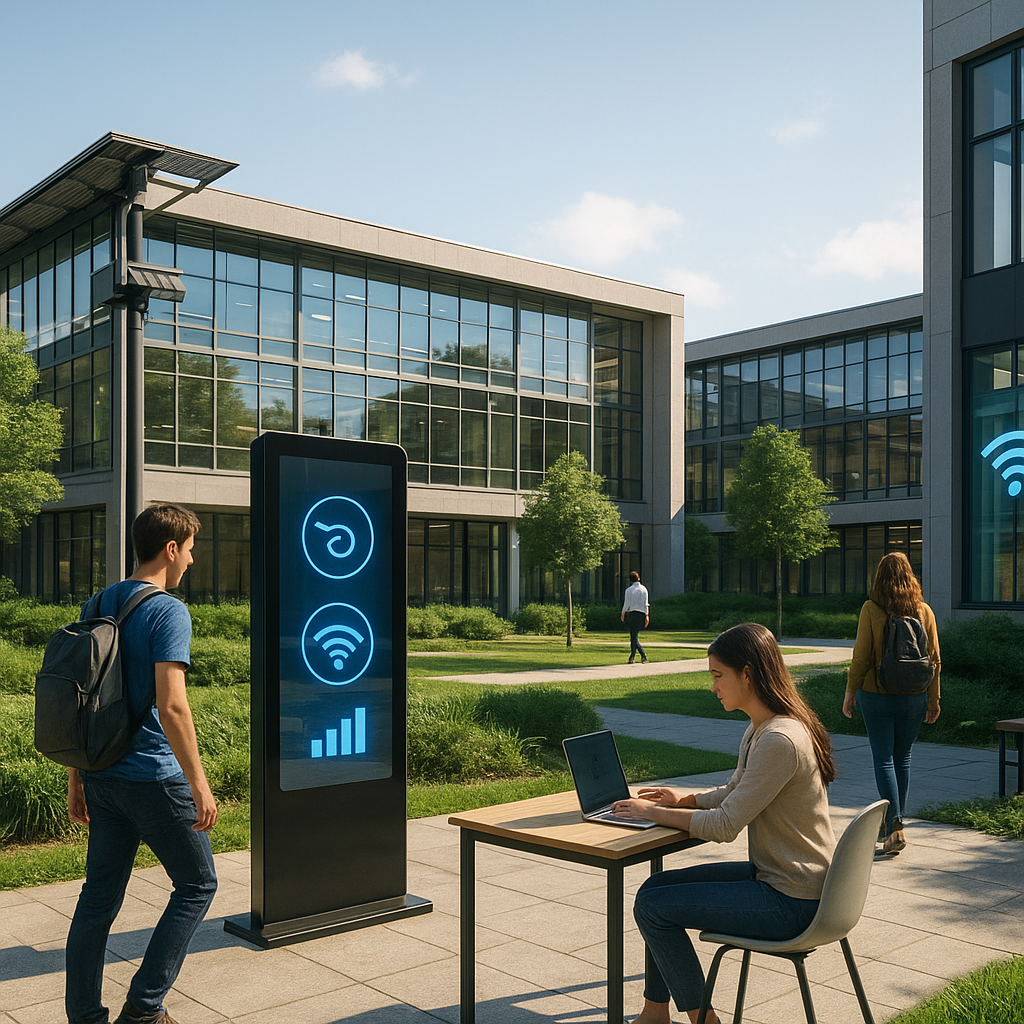
As educational institutions embrace the next wave of advancement, architecture is transcending conventional boundaries to create truly smart campuses. This piece explores the cutting-edge design principles, sustainability strategies, and collaborative environments that define the future of learning spaces. From data-driven infrastructure to immersive classrooms, these concepts demonstrate how technology, ecology, and pedagogy converge to foster engaging and efficient educational ecosystems.
Intelligent Infrastructure and Design Principles
Data-Driven Planning
Modern campuses are no longer planned solely on blueprints and budgetary constraints. Leveraging connectivity and big data, designers analyze foot traffic, energy usage, and learning outcomes to optimize building orientation, internal layouts, and spatial allocation. By integrating IoT sensors into lighting, HVAC, and access control systems, administrators can monitor real-time metrics to ensure efficiency and safety. This form of automation not only reduces operational costs but also adapts environments to users’ needs, whether it’s adjusting daylight exposure for well-being or dynamically allocating study pods during peak hours.
Modular and Adaptive Structures
Flexibility is paramount in a landscape where pedagogical methods rapidly evolve. Prefabricated modules, constructed off-site, allow campuses to expand or reconfigure within weeks rather than years. Walls equipped with movable partitions and smart glass enable spaces to transform from lecture halls into collaborative studios with the flick of a switch. These modular systems prioritize resilience, accommodating shifts in class sizes, emerging research initiatives, and unexpected health guidelines. Architects envision innovation at the core, designing load-bearing nodes that support vertical extensions or repurposing wings into maker labs without extensive demolition.
Sustainable Technologies and Environmental Integration
Renewable Energy Systems
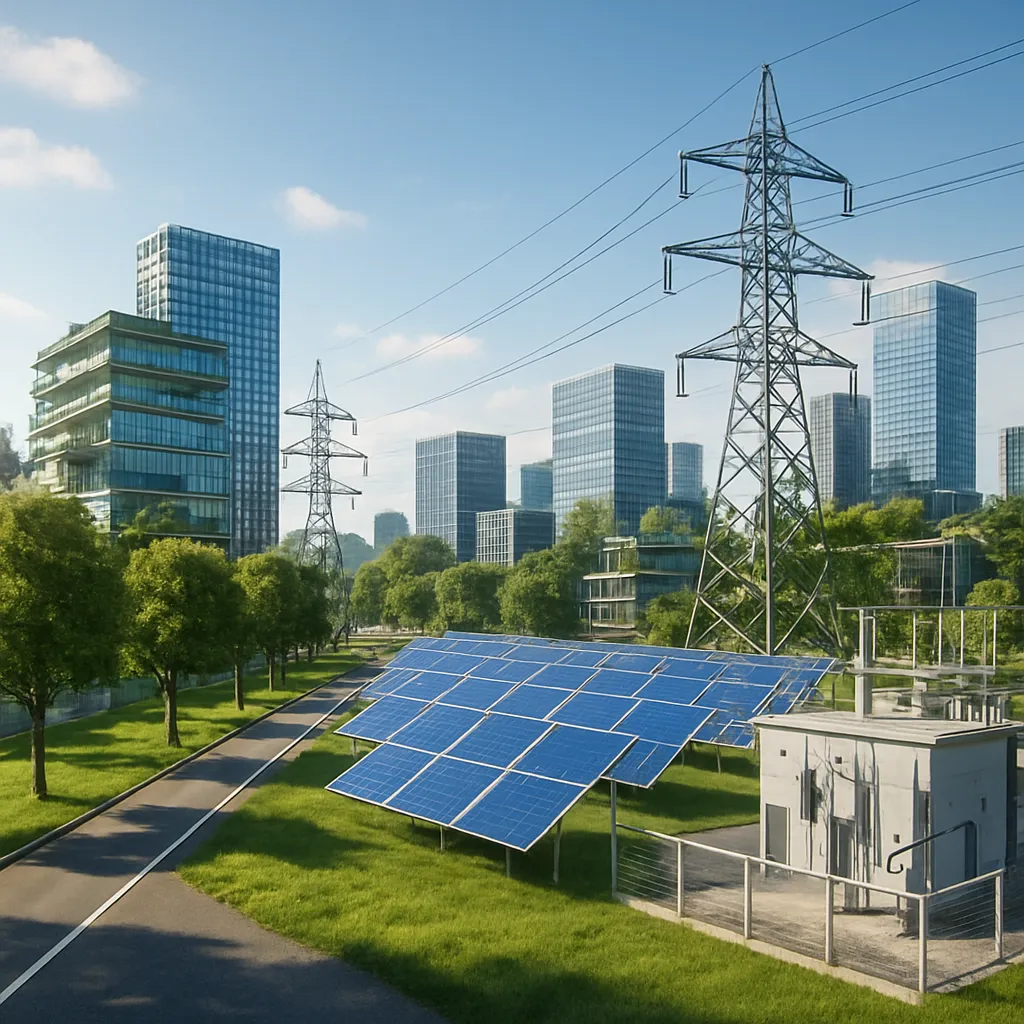
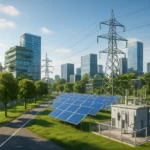
Embedding renewable energy infrastructure within campus designs is no longer optional—it’s an imperative. Photovoltaic panels integrated into façades and canopies capture solar radiation, while small-scale wind turbines and geothermal wells provide complementary power sources. Smart microgrids balance supply and demand, storing excess generation in on-site batteries or redirecting it to electric vehicle charging stations. This holistic approach to energy fosters true sustainability and encourages students to engage with renewable tech through live dashboards and interactive exhibits.
Green Facades and Living Roofs
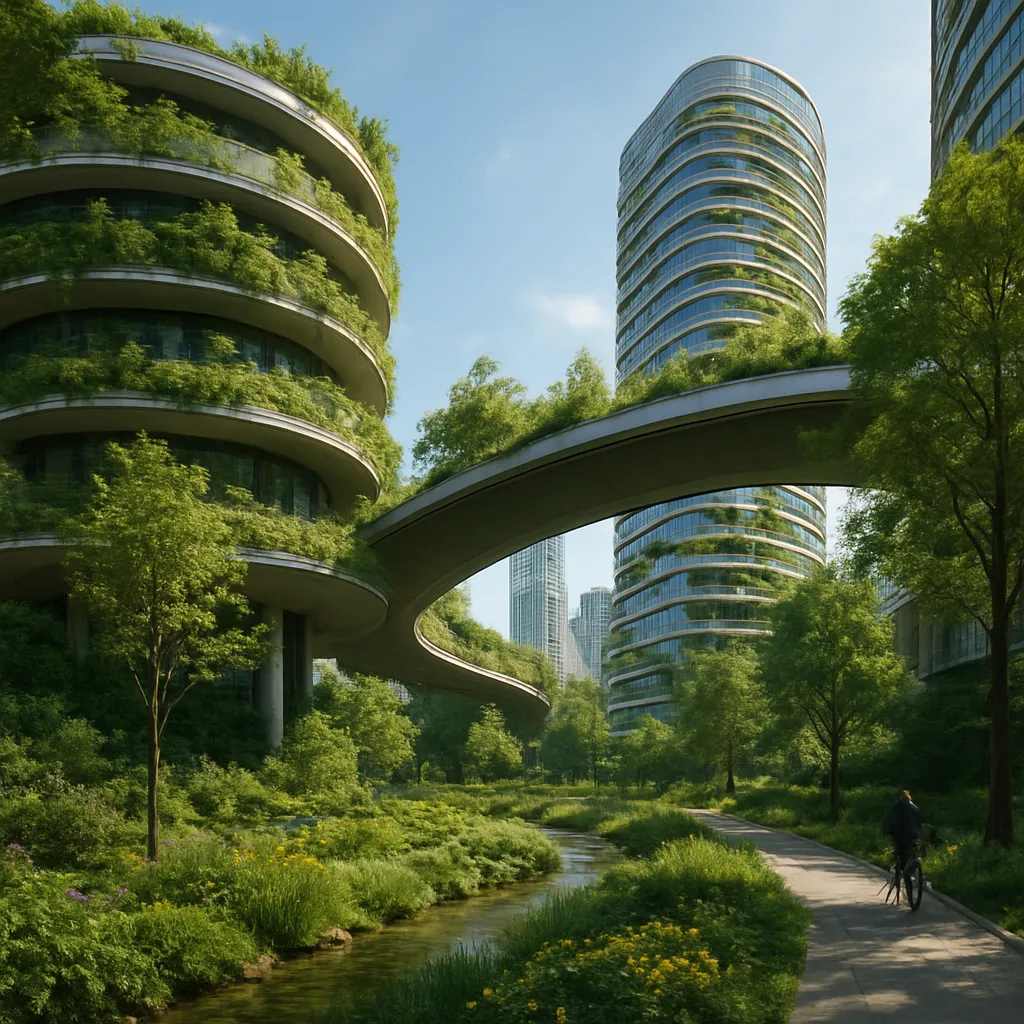
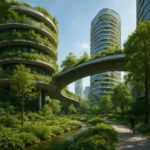
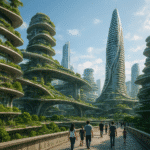
Biophilic design transforms sterile concrete into vibrant ecosystems. Living walls composed of native vegetation filter air pollutants, regulate interior temperatures, and support biodiversity. Green roofs retain stormwater, reducing runoff and easing pressure on municipal drainage. These features integrate with building management systems to provide real-time feedback on humidity, temperature, and photosynthetic activity. By blurring the lines between indoors and outdoors, campuses promote student well-being and environmental stewardship, establishing a tactile connection to nature within urban contexts.
Collaborative Spaces and Interactive Learning Hubs
Immersive Classrooms
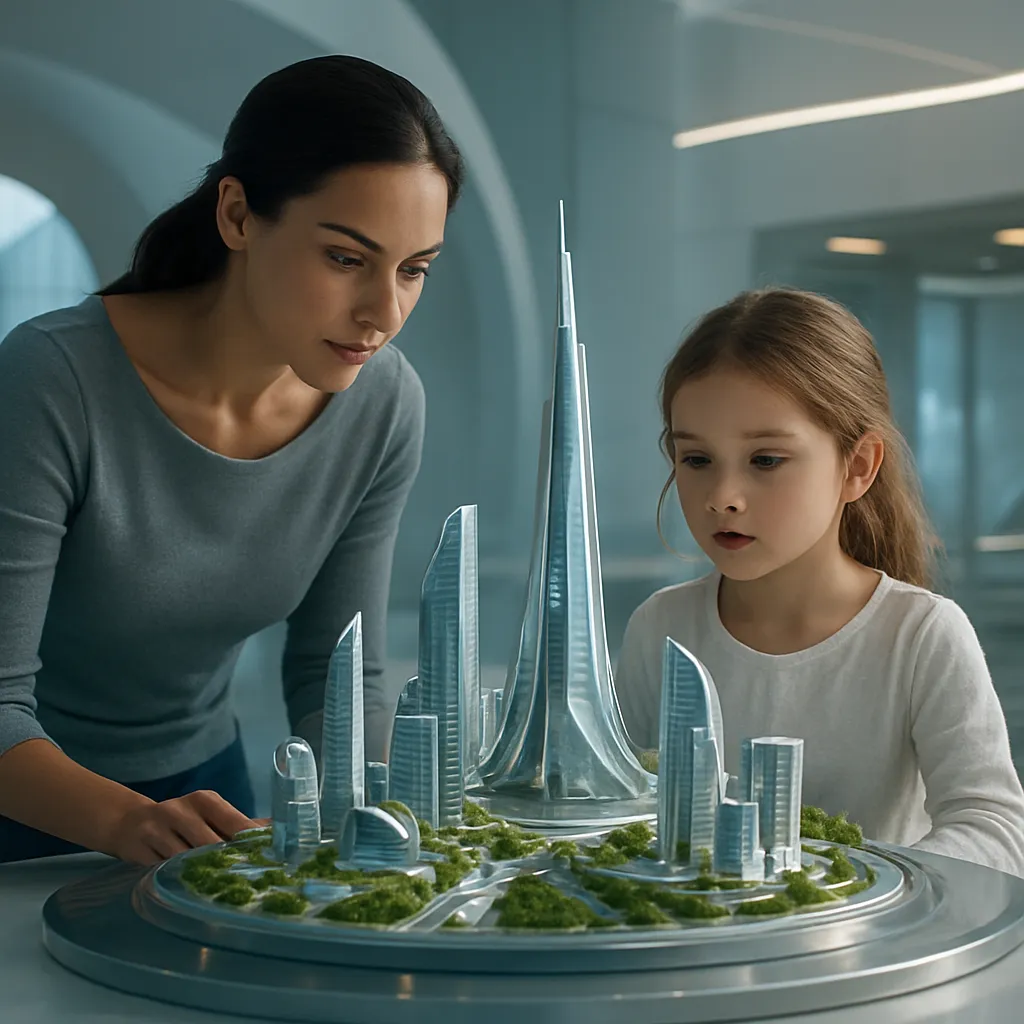
Gone are the days of static chalkboards and fixed seating. Immersive environments utilize augmented and virtual reality to transport learners into historical epochs, molecular structures, or remote ecosystems. Holographic displays project 3D models in the center of the room, while gesture-based interfaces allow students to manipulate digital objects as part of interactive problem-solving sessions. Acoustic zoning and personalized lighting systems ensure that each group can tailor the atmosphere to support different learning modalities, from quiet reflection to energetic debates.
Flexible Common Areas
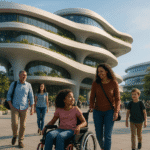
Collaboration thrives in liminal spaces that encourage spontaneous encounters. Open lounges, equipped with moveable furniture and writable surfaces, double as brainstorming hubs, exhibition galleries, and social lounges. Embedded charging points and wireless power transfer coils keep devices juiced up, while communal screens display live project feeds and campus bulletins. By designing with adaptability in mind, institutions cultivate serendipitous learning moments, where students from diverse disciplines converge to spark multidisciplinary innovation.
Implementation Challenges and Future Directions
Funding and Policy Considerations
Advanced architectural solutions often carry high upfront costs. Securing financing demands creative partnerships with private investors, tech firms, and government grants. Incentivizing energy performance through tax credits or carbon trading mechanisms can offset capital expenditure. Equally important is updating building codes and educational policies to accommodate new materials, autonomous systems, and digital infrastructure. Stakeholders must collaborate to establish guidelines that balance safety, resilience, and technological progress.
Technological Interoperability
Proprietary systems risk creating silos that hinder the full potential of a smart campus. Open-architecture frameworks and standardized communication protocols are essential for seamless integration of diverse devices and platforms. From student ID badges doubling as digital wallets to unified dashboards controlling climate, lighting, and security, interoperability ensures that data flows unhindered, enriching both operational efficiency and the learning experience.
Envisioning Tomorrow’s Campus
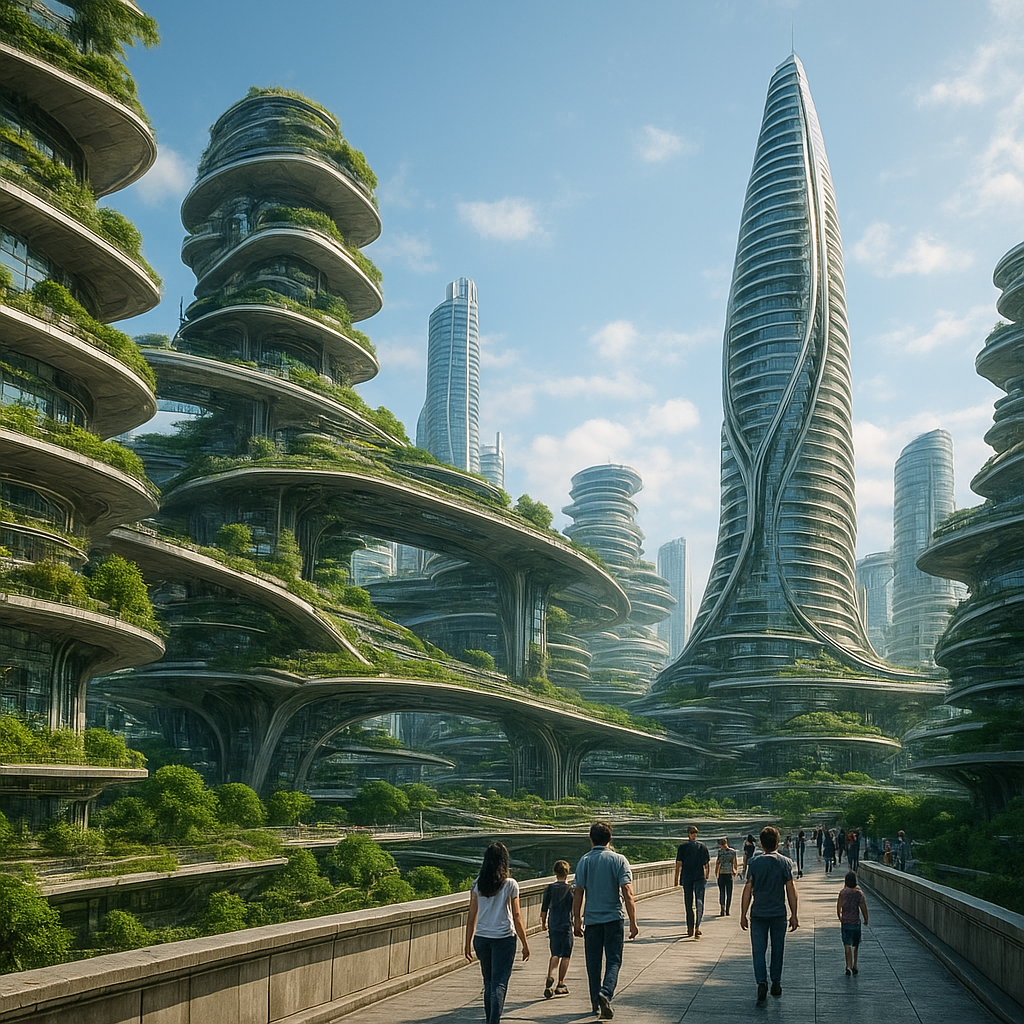
The trajectory of campus architecture points toward ever-greater immersive and personalized learning environments. Advances in robotics may introduce autonomous maintenance drones, while AI-driven analytics refine spatial design based on behavior patterns. Materials with self-healing properties could minimize repairs, and dynamic façades might generate energy or respond to environmental shifts. Above all, the future of educational buildings hinges on a holistic vision—one that marries innovation, community, and ecological responsibility to cultivate spaces where students not only absorb knowledge but actively shape the contours of tomorrow’s world.