

Architects and urban planners embrace a wave of innovation that dismantles traditional construction methods, unveiling a realm where homes can shift, grow, and respond to human needs. At the intersection of digital tools, advanced materials, and ecological imperatives emerges a vision of housing that is both modular and adaptable. These structures promise not only rapid deployment and cost efficiency, but also the ability to evolve alongside communities, ecosystems, and global challenges. This exploration charts the technological bedrock, material breakthroughs, ecological synergies, and social implications shaping the next era of housing.
Technological Foundations of Modular Architecture
Early factory-assembled buildings laid groundwork for today’s highly prefabrication systems. Modern advances accelerate this trend, fueled by:
- Digitalization: BIM (Building Information Modeling) and AI-driven design optimize every component before fabrication.
- Robotic assembly: Automated arms place structural elements with sub-millimeter accuracy, reducing waste and on-site labor.
- Standardized interfaces: Universal connectors allow units from different manufacturers to integrate seamlessly.
Parametric Design and Customization
Generative algorithms produce countless configurations, ensuring each module fulfills functional and aesthetic criteria. Designers use parametric tools to adapt floor plans instantly, balancing daylight, privacy, and mechanical systems. Such digital workflows underpin the flexibility that defines reconfigurable housing.
Automation and On-Site Integration
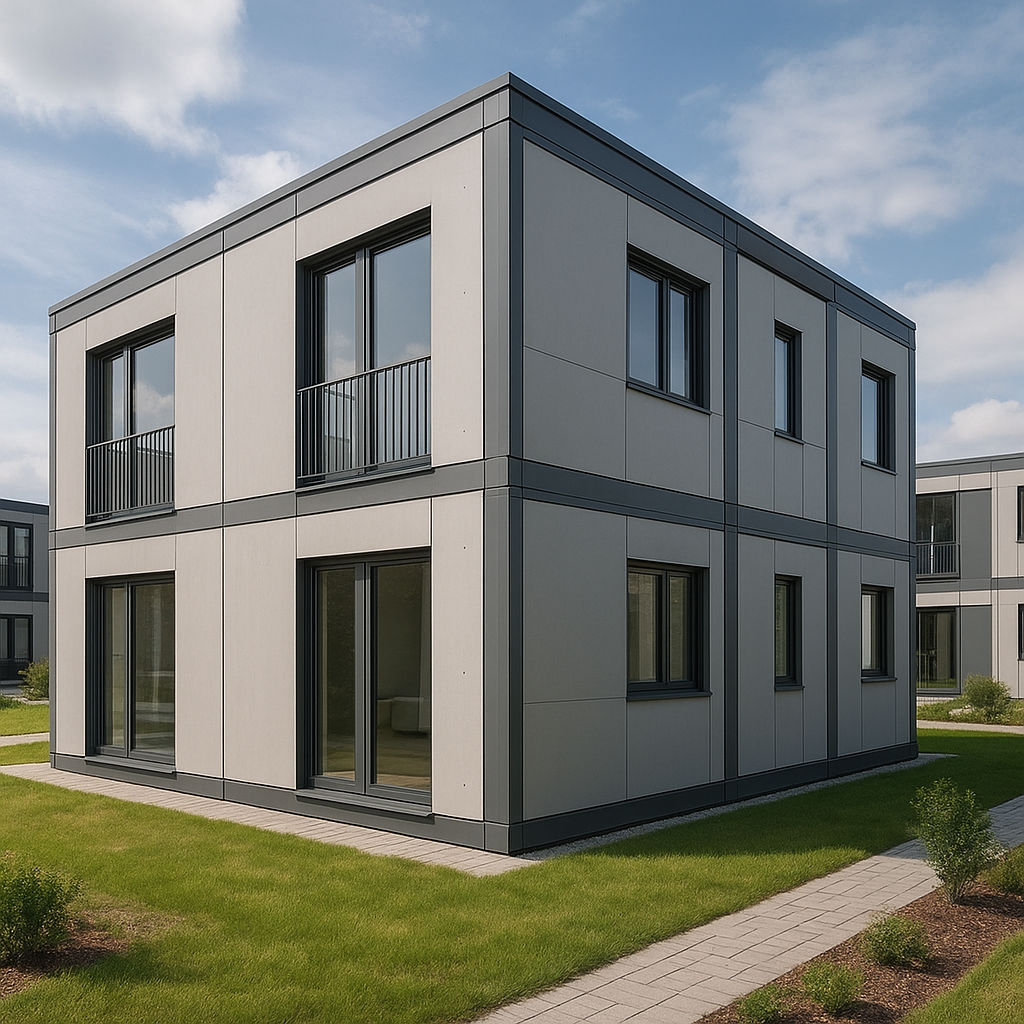
Prefabricated pods arrive pre-wired, plumbed, and insulated. On-site, drones and autonomous vehicles deliver modules to foundation points, where hydraulic jacks align and secure them. This orchestrated dance compresses construction timelines to weeks rather than months, offering a potent solution for disaster relief and rapid urban expansion.
Design Innovations and Material Advances
Futuristic architecture leverages materials once confined to aerospace and electronics, reshaping the physical limits of buildings.
- Graphene-infused composites provide strength-to-weight ratios previously unimaginable in exterior cladding and structural beams.
- Phase-change thermal panels regulate indoor temperatures by absorbing heat during peak solar hours and releasing it when needed.
- Self-healing polymers embedded in flooring and wall paints automatically seal cracks, extending building lifespans and reducing maintenance.
Smart Surface Technologies
Glass facades incorporate dynamic shading films that adjust opacity in response to solar intensity, cutting cooling loads. Exterior skins feature smart sensors that detect air quality, dust accumulation, and structural stress—prompting automated cleaning drones and alerting maintenance crews to emerging issues.
Lightweight Structural Systems
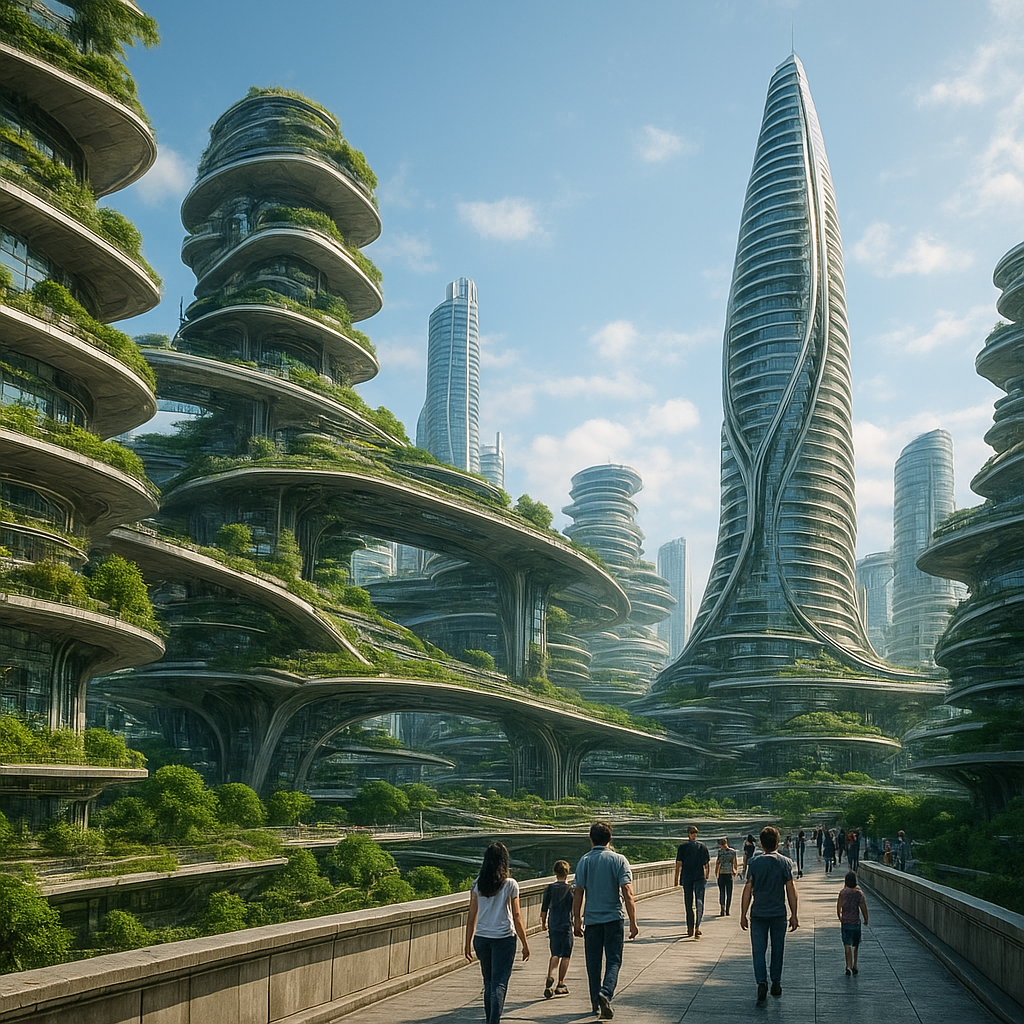
Hollow-core timber panels, reinforced with laminated bamboo and carbon nanotubes, create beams that rival steel in load capacity. Such systems enable expansive cantilevers, floating terraces, and open-plan interiors without intrusive columns. The result is an aesthetic of dematerialization, where architecture appears to hover or unfold.
Sustainability and Environmental Integration
Stewardship of natural resources lies at the heart of contemporary design. By embedding circular principles and renewable energy solutions, modular housing evolves into regenerative ecosystems.
- Closed-loop water systems harvest rain, treat greywater, and redistribute purified flows for irrigation and toilet flushing.
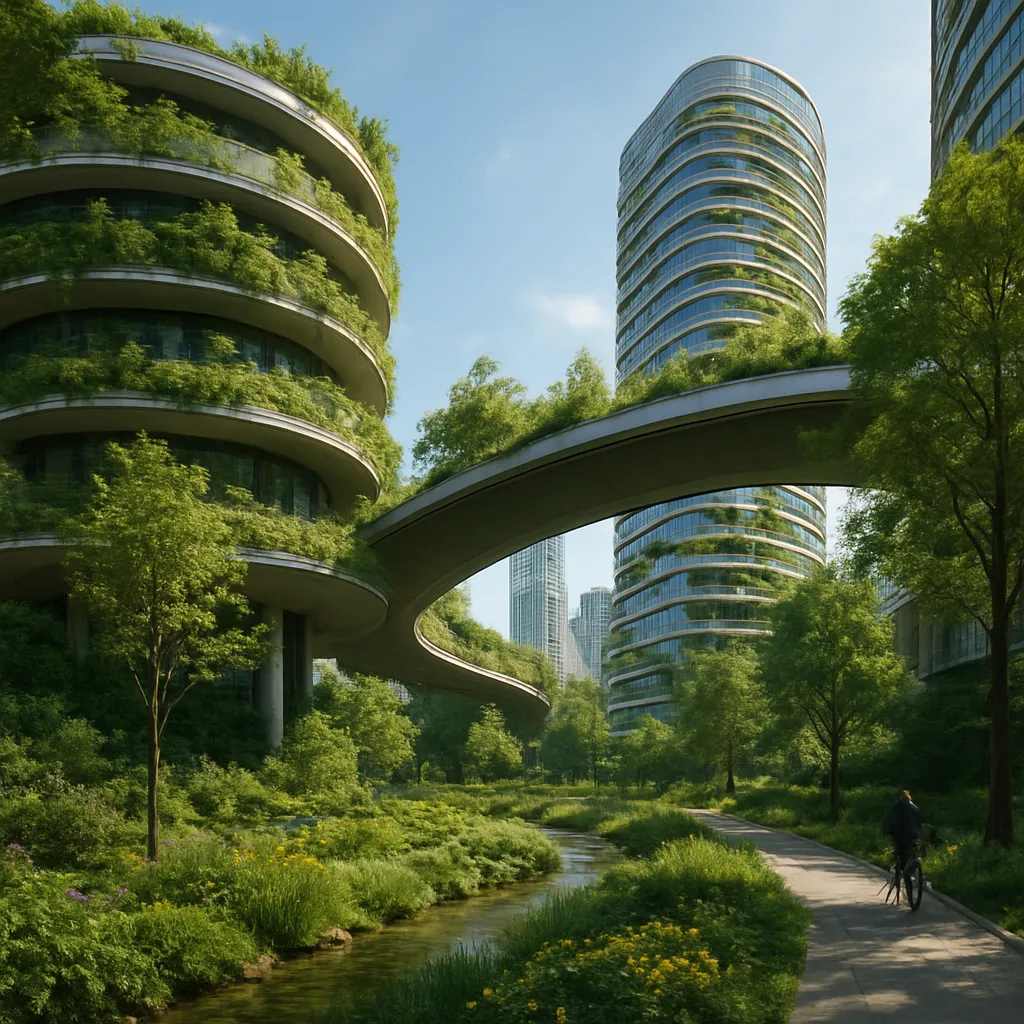
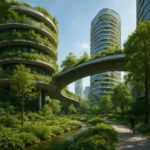
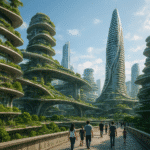
- Vertical gardens and living walls affixed to module exteriors sequester carbon and support biodiversity.
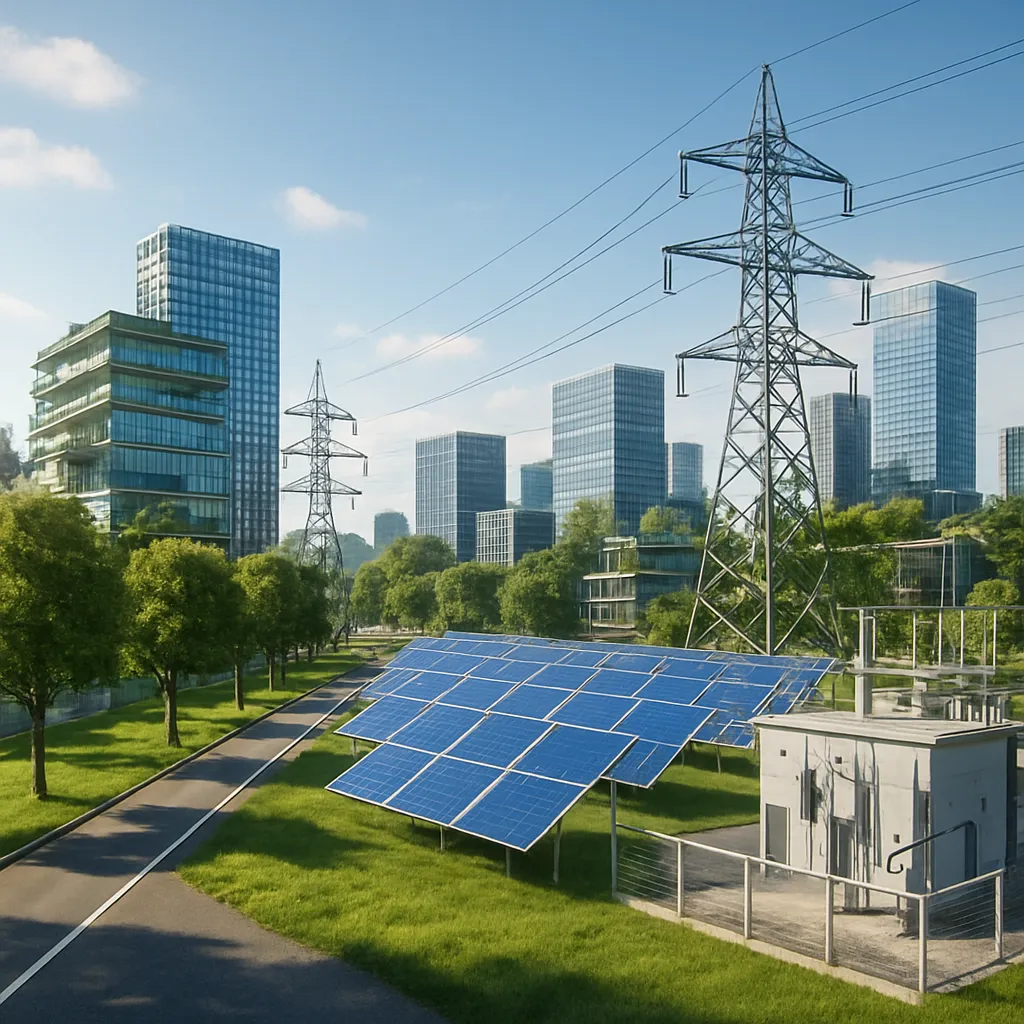
- Photovoltaic and bio-photonic panels blend into building skin, converting sunlight and indoor lighting into electricity.
Resource Recovery and Demountability
Unlike monolithic buildings destined for demolition, modular units are engineered for resilience and reuse. Bolted connections and standardized fasteners permit disassembly without material degradation. When a community’s needs shift, a module can be relocated, repurposed as office space, or deconstructed for parts, ensuring minimal landfill impact.
Climate-Adaptive Design
In regions prone to extreme weather, modules incorporate flood-mitigation features such as buoyant undercarriages or stilt foundations. Thermal mass elements adjust for day-night temperature swings in desert climates. And in seismic zones, interlocking frames slide on dampers, dissipating tremor energy to protect occupants.
The Future Landscape of Adaptable Housing
As demographic patterns, work habits, and environmental stresses evolve, housing must remain responsive. The concept of a static home gives way to dynamic living environments that:
- Expand or contract: Families can add bedrooms or merge living areas with simple plug-and-play units.
- Shift functions: A daytime co-working pod seamlessly transforms into an evening leisure lounge via movable partitions and fold-out furniture.
- Network with urban systems: Modules communicate with local grids, traffic management, and community data platforms to optimize energy use and social interaction.
Emerging social models
Communities embrace a shareable inventory of modules—guest rooms, fitness suites, urban farms—rotating them through neighborhoods according to demand. Such cooperative frameworks reduce individual ownership burdens while enhancing collective resilience.
Global scalability
From refugee settlements to underpopulated rural areas, modular and adaptable structures offer a scalable toolkit. Standard modules are shipped worldwide, then customized with local materials and cultural motifs to foster identity and belonging.
Integration with the Metaverse
Digital twins of every module populate virtual environments, enabling architects, occupants, and AI collaborators to prototype spatial configurations before physical deployment. Residents can walk through VR iterations, tweak design parameters, and experience future views—blurring the line between the digital and the built world.
Pathways to resilience
In an era of uncertainty—from pandemics to climate upheavals—modular, responsive housing systems provide a blueprint for communities that pivot and recover swiftly. By marrying advanced fabrication, ecological sensitivity, and human-centric design, the next generation of dwellings transcends mere shelter: they form living, learning, and healing machines that adapt in real time to the rhythms of nature and society.