Public spaces are undergoing a radical transformation, driven by advances in technology, materials science, and evolving cultural expectations. Architects and urban designers now envision plazas, parks, and transit hubs as dynamic environments that respond to human presence, adapt to changing conditions, and immerse visitors in multisensory experiences. This exploration delves into how **interactive** and **immersive** design principles are reshaping the blueprint of tomorrow’s communal landscapes.
Designing Dynamic Interfaces
The first step toward futuristic public spaces is reimagining the basic elements of interaction: pathways, seating, and façades that seamlessly blend form and function. Rather than static benches and rigid walkways, designers implement embedded sensor networks that detect movement, density, and even emotional states through biometric indicators. Data feeds into real-time control systems, transforming surfaces, lighting, and audio output to match the mood and flow of users.
Sculptural Mobility
Modular furniture units equipped with actuators can shift positions on demand, converting a linear promenade into an open forum or an intimate enclave. These units, often constructed from recycled composites and lightweight alloys, leverage modularity to optimize logistics and sustainability. Visitors feel as though the space itself is a living organism, sculpting its form around collective needs.
Sensory Layers
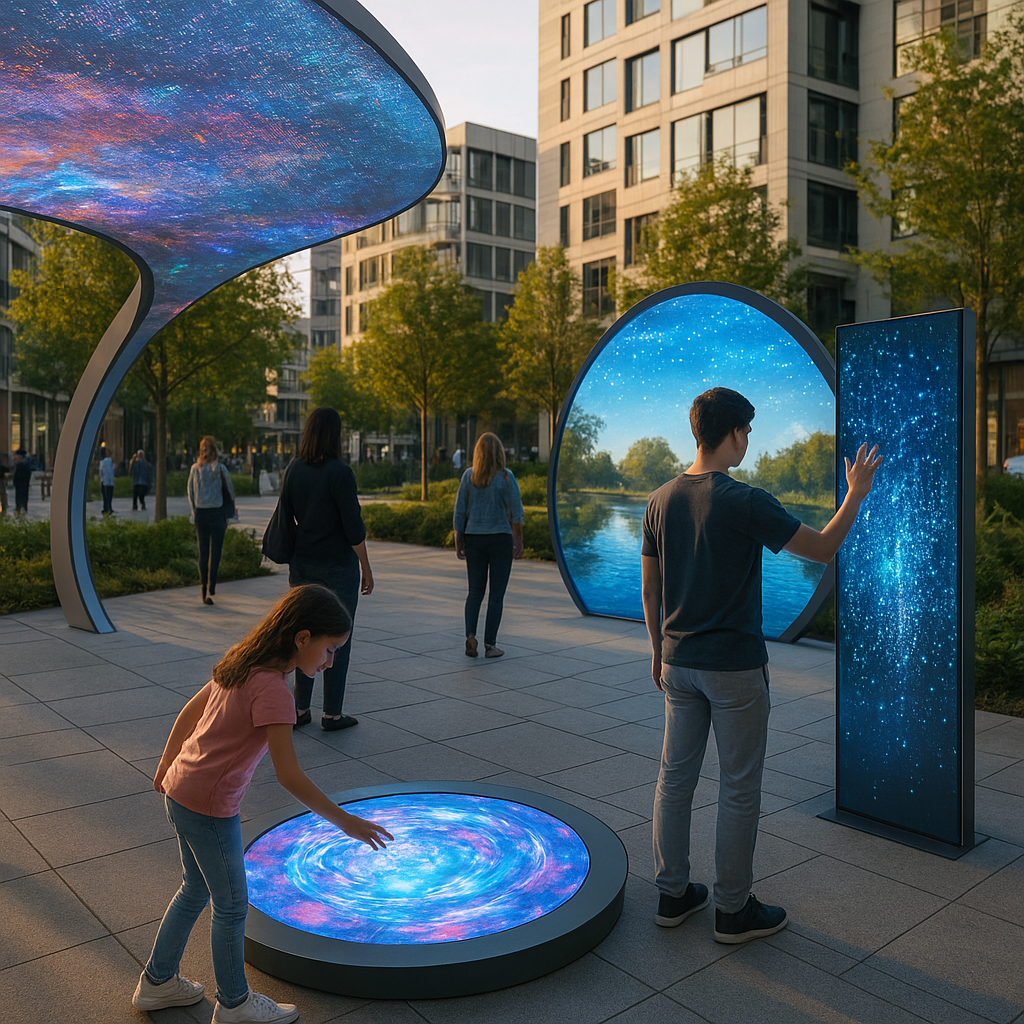
By layering augmented reality projections over physical structures, public spaces transcend their concrete footprints. Footpaths glow with interactive maps that guide tourists, while walls transform into poetic canvases reacting to sound and movement. A park pond might ripple with holographic koi, inviting children to play and learn about aquatic ecosystems.
Integrating Cutting-Edge Materials and Systems
Material science breakthroughs empower architects to incorporate self-healing concrete, photovoltaic glass, and phase-changing polymers into public infrastructure. These innovations ensure longevity, reduce maintenance costs, and enable energy harvesting directly from environmental stimuli.
Biomimetic Cladding
- Structures coated with biomimicry-inspired skins mimic the water-repellent properties of lotus leaves, minimizing grime and pollution buildup.
- Facade panels featuring micro-channels disperse heat, inspired by termite mounds, creating passive cooling systems that adapt to temperature fluctuations.
- Photovoltaic tiles integrated into walkways capture solar energy during the day, powering both overhead lighting and embedded interactive displays.
Adaptive Energy Networks
Smart grids within public spaces can dynamically allocate power to sensors, interactive screens, and environmental controls. Energy harvested from solar, wind, and kinetic sources (for example, piezoelectric pavers generating electricity underfoot) is stored in community batteries. This adaptive network ensures resilience during peak usage, natural disasters, or power outages.
Social Dynamics in Virtual-Physical Hybrids
As digital immersion becomes commonplace, the boundary between online interaction and real-world engagement blurs. Visitors might don lightweight AR glasses or use handheld devices to unlock layers of information superimposed on physical objects. A single bench could display historical narratives, user-generated art, or live social media feeds when viewed through a personal screen.
Collective Storytelling
Interactive installations allow neighborhoods to co-author evolving narratives. Through gesture-based interfaces, passersby contribute voices, images, and annotations to a digital tapestry that lives on a public façade. Each contribution, whether a poem, photograph, or data point, becomes part of a communal archive.
Inclusive Engagement
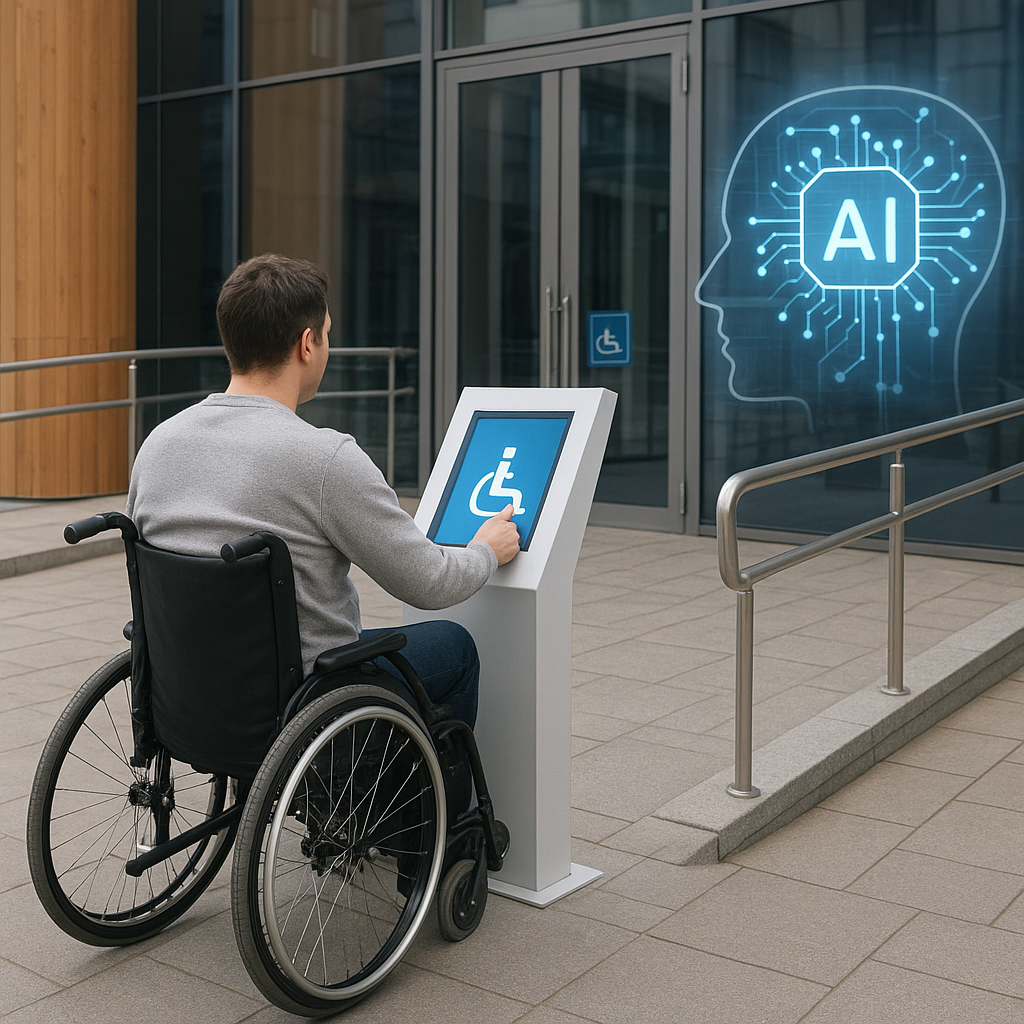
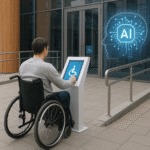
Designers prioritize inclusivity by ensuring interfaces are accessible to all ages and abilities. Tactile paving embedded with haptic feedback leads visually impaired visitors along safe routes, while multilingual audio prompts cater to diverse populations. Real-time translation stations offer conversational support so that international guests can connect effortlessly.
Environmental Resilience and Community Well-Being
Futuristic public spaces must address climate challenges and support the health of both ecosystems and communities. Green infrastructure merges with digital oversight to deliver spaces that are aesthetically inspiring and environmentally restorative.
Living Canopies
- Retractable solar sails double as overhead canopies, providing shade when needed and opening to harvest sunlight for on-site energy production.
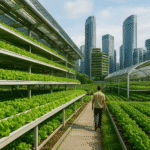
- Vertically stacked gardens equipped with IoT sensors optimize irrigation based on humidity and soil moisture, promoting sustainability while improving air quality.
- Constructed wetlands integrated into plazas manage stormwater runoff, filtering pollutants through natural bioremediation before releasing excess into urban aquifers.
Health-Centered Zones
Certain sectors within a public park may utilize ultrasonic emitters and gentle airflow to create connectivity between individuals and their environment, encouraging mindfulness and stress relief. Soundscapes adjust based on visitor density, preventing noise pollution and fostering well-being.
Charting the Path Ahead
Looking forward, emerging trends point to greater convergence of artificial intelligence, robotics, and human-centered design. Autonomous drones might patrol urban plazas, offering security surveillance and delivering supplies in real time. Modular pods could rise and fall as temporary exhibition spaces, adapting overnight to community events. With continued emphasis on innovation, these interactive public spaces will become more than meeting points—they will serve as living laboratories for architecture, technology, and society to co-evolve.