Emerging landscapes of urban mobility are being reshaped by architectural marvels that fuse form, function, and future-proof technology. Transportation hubs are evolving into dynamic ecosystems where connectivity between trains, autonomous shuttles, aerial drones, and micro-mobility devices is no longer aspirational but intrinsic. These structures embody bold experiments in spatial choreography, leveraging data streams and adaptive design to ensure every passenger journey is marked by efficiency, comfort, and aesthetic wonder.
Seamless Urban Integration: Interlinking Modes of Transit
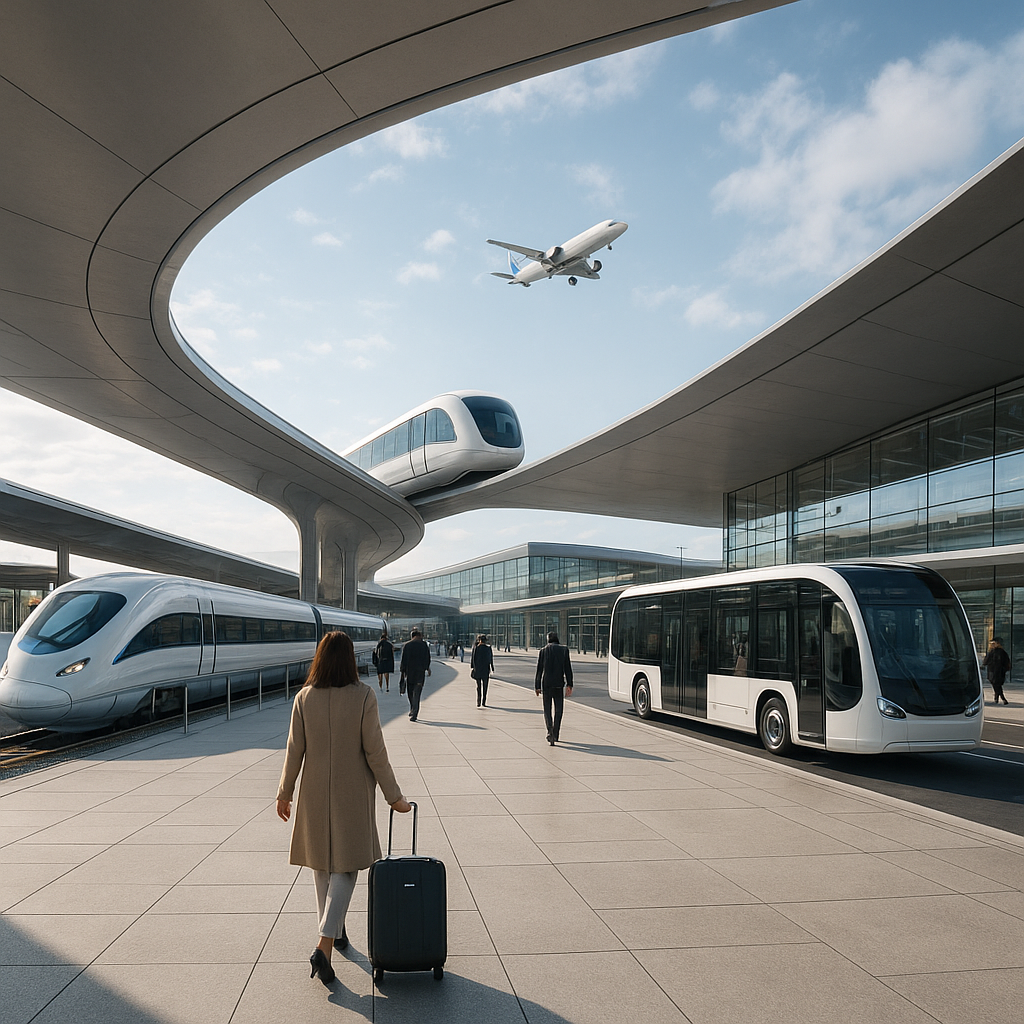
At the heart of tomorrow’s transit centers lies a philosophy of intermodal synergy. Platforms are conceived as fluid plazas where high-speed rail, maglev lines, autonomous pods, and cycle paths converge under a single roof. Visionaries are exploring modular geometries that allow rapid reconfiguration—platform modules can pivot or slide to create new boarding zones within minutes, responding to peak demand without halting service.
Beyond simple adjacency, these hubs employ layered circulation systems. Below ground, ultra-fast vacuum tubes whisk passengers between cities. At grade, electric buses and self-driving cabs glide along dedicated corridors. Elevated skywalks link solar-clad rooftops, offering green promenades and communal spaces. Aerial docking bays crown the structure, enabling drone taxis to land on magnetic pads, delivering luggage or medical supplies directly to travelers. With these overlapping strata, the hub becomes a living organism, each transport artery conditioned by sensors that optimize flow.
- Smart turnstiles monitor real-time occupancy, dynamically routing foot traffic to reduce bottlenecks.
- Interactive wayfinding walls project color-coded paths for each mode—simply scan a QR code and follow the glowing innovation-driven arrows.
- Multi-level retail galleries adapt their floorplans according to passenger density, creating pop-up kiosks and quiet lounges on demand.
Such holistic integration demands advanced structural materials and AI-powered coordination, ensuring that every movement—from intercity train arrivals to last-mile e-scooter pickups—feels as seamless as possible.
Intelligent Infrastructure: Data-Driven Design and Operation
Futuristic architecture places enormous trust in digital intelligence. Embedded sensors track ambient conditions, passenger flows, and energy consumption, feeding machine-learning algorithms that predict maintenance needs or safety risks. When a section of solar glazing begins to underperform, robotic drones mount internal inspections, applying self-healing coatings where microfractures are detected.
Inside arrival halls, augmented reality mirrors display personalized travel advisories, weather updates, and real-time crowd density maps. Even luggage handling is automated: RFID tags guide magnetic conveyors through a network of pneumatic tubes, depositing bags directly onto outbound vehicles. With each subsystem speaking a common data language, predictive analytics can rebalance resources—such as lighting, HVAC, and escalator speeds—to match fluctuating demand.
- Adaptive structural supports morph to dampen vibrations from passing high-speed trains, enhancing structural resilience.
- Machine vision cameras ensure security while preserving privacy by recognizing suspicious patterns rather than faces.
- Cloud-based control centers coordinate with local edge servers, guaranteeing uninterrupted operation even if network connectivity falters.
This marriage of architecture and artificial intelligence creates infrastructures that learn, heal, and evolve—delivering reliability and comfort without the legacy downtime of conventional facilities.
Sustainable Materials and Green Energy
As carbon footprints shrink in priority across global agendas, futuristic hubs lead with pioneering sustainability. Structural components incorporate recycled alloys, carbon-capturing concrete, and bio-resins derived from algae. Modular façade panels rotate to maximize solar harvest or switch to translucent mode for natural daylighting, reducing reliance on artificial illumination.
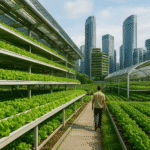
Vertical gardens wind around support columns, filtering air and creating microclimates that lower interior temperatures. Rainwater collection membranes channel precipitation into on-site reservoirs, sustaining hydroponic green walls and cooling systems. Kinetic floor tiles in high-traffic zones convert walking energy into electricity, powering interactive kiosks and digital signage. Meanwhile, rooftop micro-wind turbines spin atop aerodynamic ridges, supplementing the solar array with renewable power.
- Electrochromic glazing tints in response to sun angle, balancing thermal comfort and daylighting.
- Harvested residual heat from maglev brakes is recycled to warm waiting lounges during cooler months.
- Off-grid battery banks store excess renewable energy, ensuring emergency systems remain operational.
Through meticulous attention to material provenance and energy loops, these hubs reflect a responsible ethos—where every element contributes to a net-zero goal without compromising design ambition.
Human-Centric Environments: Experience and Accessibility
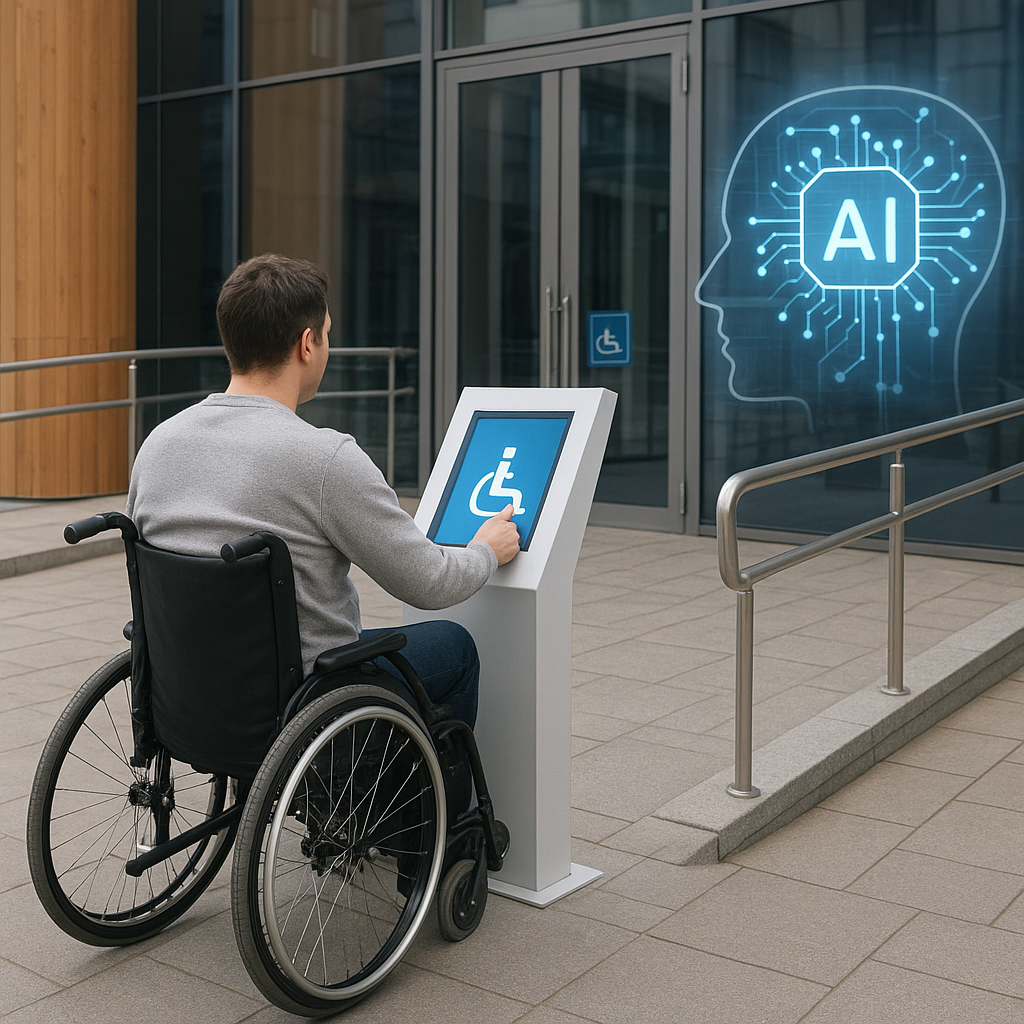
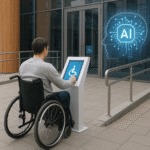
Beyond the spectacle of soaring atriums and kinetic facades, passenger well-being remains paramount. Designers incorporate accessibility guidelines at every stage: tactile flooring guides visually impaired travelers, while gesture-controlled elevators eliminate touchpoints. Quiet pods offer respite for neurodiverse individuals, and dedicated meditation nooks overlook vertical gardens framed by panoramic glazing.
In the retail and dining district, holographic hosts present personalized menu suggestions based on allergy or preference profiles. Children’s zones feature immersive play areas where augmented reality creatures guide youngsters through safe navigation exercises. Senior citizens benefit from ergonomic seating equipped with biometric sensors that alert staff if intense crowding or elevated heart rates are detected.
- Wayfinding apps integrate with wearable devices, offering voice instructions in multiple languages.
- Smart benches adjust height and firmness according to user weight and posture.
- Pop-up cultural exhibits rotate local art installations, connecting communities to global travelers.
By prioritizing human needs—comfort, safety, engagement—these hubs transcend mere transit points. They become memorable destinations, championing a future where mobility and design coalesce in an inclusive, dynamic tapestry of urban life.