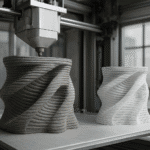
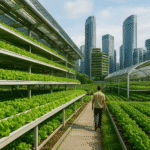

The evolution of urban landscapes is entering an era where futuristic visions merge seamlessly with cutting-edge technology. By leveraging AI algorithms and predictive modeling, designers and planners are redefining the principles of architecture and city-building. In this exploration, we delve into the core innovations shaping tomorrow’s cities, from intelligent structures to dynamic civic networks that adapt, learn, and transform in real time.
Emerging Technologies in Futuristic Architecture
AI-driven Design and Generative Models
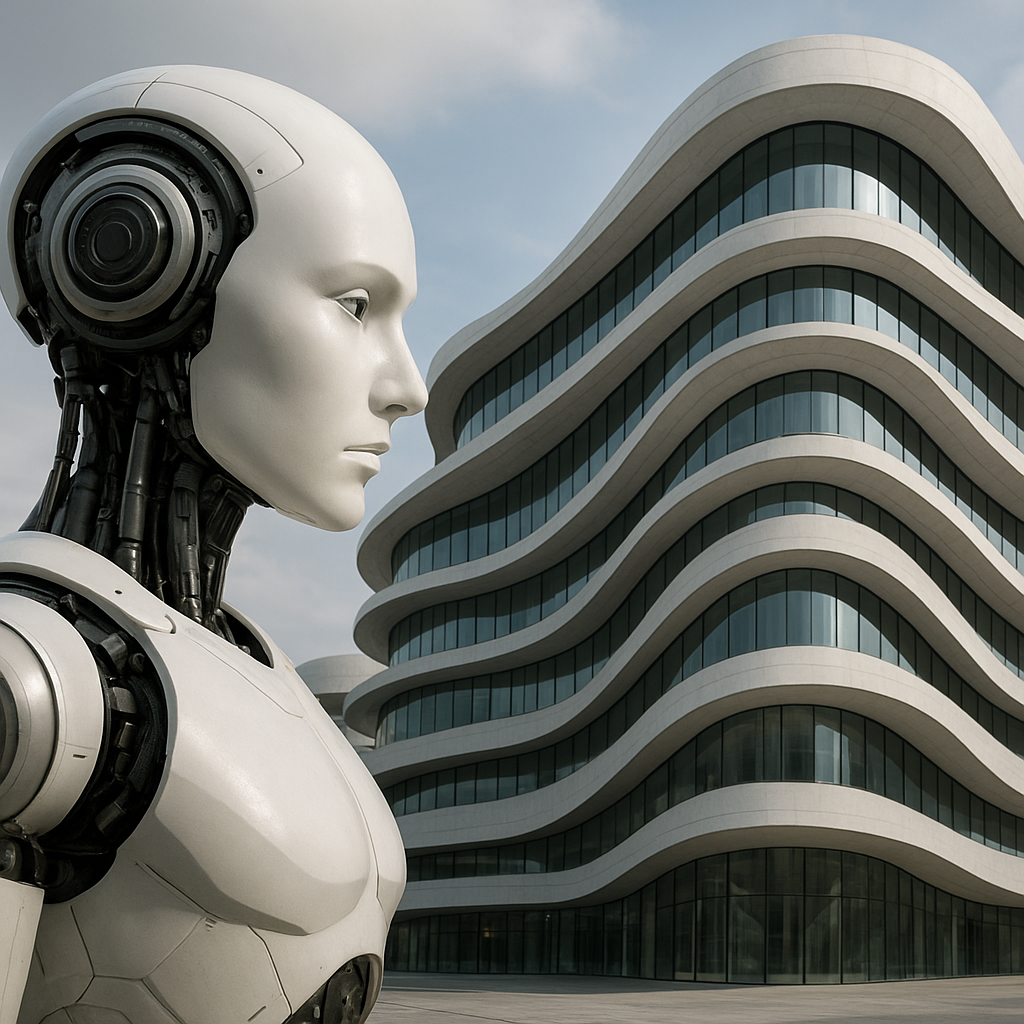
At the heart of revolutionary building concepts lies the use of AI to optimize form and function. Generative design engines process vast arrays of parameters—such as sunlight exposure, structural stress, and material costs—to produce thousands of configurations within seconds. Architects can then select and refine proposals that balance aesthetics and performance. This adaptive approach transcends manual drafting limitations, offering:
- Parametric facades that adjust transparency based on occupancy patterns
- Dynamic load-bearing elements optimized for both weight and seismic resilience
- Biomimetic shapes inspired by natural systems, reducing material waste
Digital Twins and Simulation
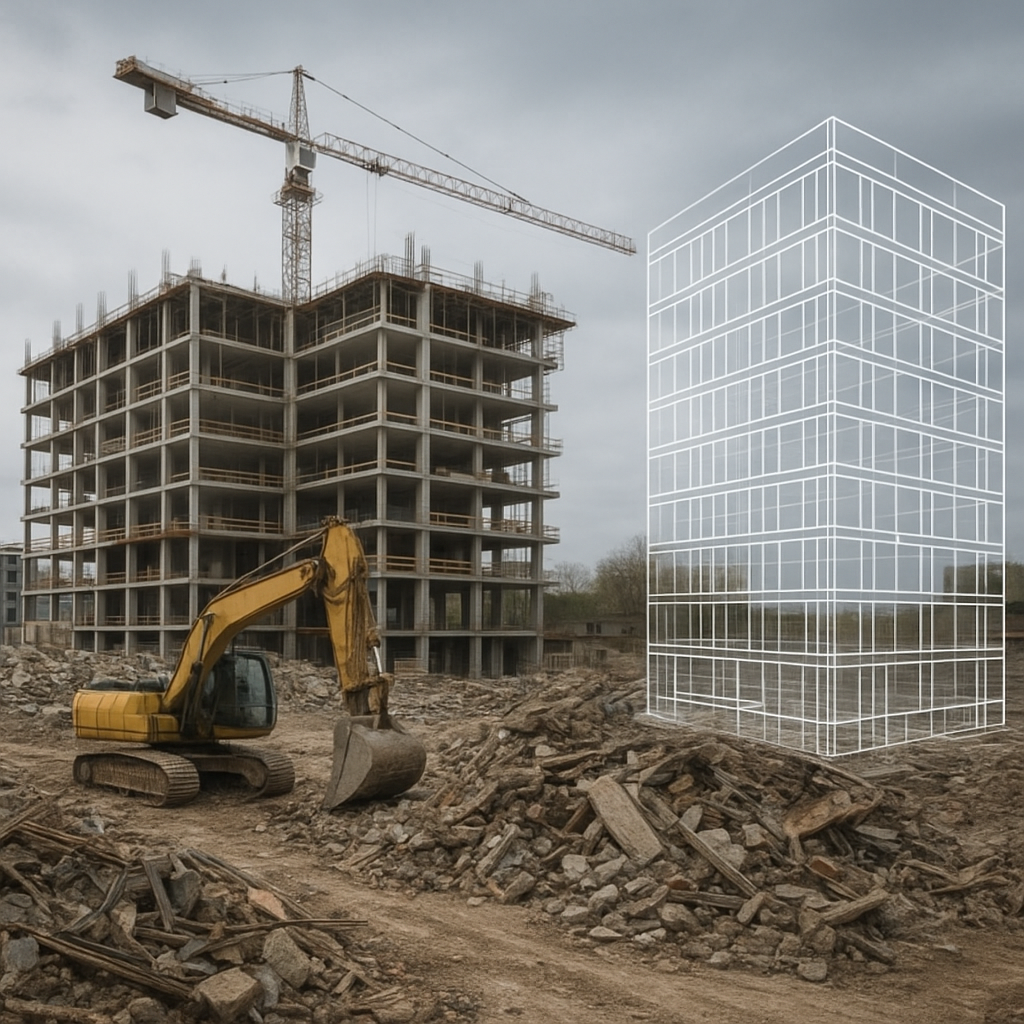
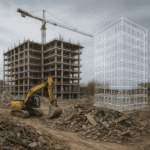
The creation of a simulation-ready digital twin enables planners to replicate an entire city block within a virtual environment. These immersive replicas incorporate real-time sensor feeds, traffic flows, and meteorological data, supporting continuous scenario testing. For instance, emergency response teams can rehearse evacuations during simulated flooding events, while energy managers can monitor microgrid performance under peak loads. Through this method, cities gain:
- Better insights into system interdependencies
- Faster iteration of design prototypes
- Enhanced predictive maintenance of critical infrastructure
Materials Science and Smart Surfaces
Advances in nanotechnology and composite materials are paving the way for self-healing concrete, phase-change insulation, and photovoltaic glass. These smart surfaces interact with environmental factors—such as temperature shifts, humidity variations, and solar irradiance—to optimize energy efficiency. They also contribute to overall sustainability goals by extending building lifespans and reducing maintenance costs. Key breakthroughs include:
- Electrochromic windows that tint on demand to manage glare
- Carbon-sequestering concrete blends that capture CO2
- Thermochromic coatings that alter albedo in response to heat
Predictive Urban Planning: From Data to Decision-making
Big Data and Real-time Monitoring
The foundation of any future-ready city lies in its ability to harness and analyze massive datasets. IoT-enabled streetlights, smart meters, and environmental sensors feed continuous streams of information into central analytics platforms. Advanced visualization tools then convert complex metrics into intuitive dashboards, empowering stakeholders to:
- Identify congestion hotspots before they escalate
- Optimize water distribution through leak detection algorithms
- Track air quality and noise pollution in granular detail
Algorithmic Zoning and Land Use Optimization
Traditional zoning often relies on static maps and manual approvals. By contrast, algorithmic zoning leverages predictive algorithms to assign land use designations that adapt over time. Machine learning models analyze demographic shifts, economic trends, and infrastructure capacity to recommend:
- Mixed-use corridors that evolve with population density
- Transit-oriented development nodes to reduce commute times
- Green corridors that connect parks and urban forests for biodiversity
This method fosters resilience by ensuring that neighborhoods can reconfigure their functions organically as community needs change.
Scenario Testing and Resilience Planning
Resilient cities require robust contingency plans for disasters and systemic shocks. Enhanced by synthetic data generation, planners can create thousands of extreme scenarios—ranging from heatwaves to cyber-attacks—and observe how infrastructure networks respond. Such stress tests enable the design of redundancy pathways for:
- Power grids with microgrid islands that isolate during outages
- Water systems capable of rerouting supply in case of contamination
- Communication networks that maintain connectivity under duress
Integration of Sustainability and Mobility in Future Cities
Climate-responsive Buildings
As global climates shift, buildings of tomorrow will integrate adaptive envelopes that mitigate environmental extremes. By syncing façade elements with weather forecasts, these structures can:
- Modulate ventilation to balance indoor air quality and thermal comfort
- Harvest rainwater and redeploy it for irrigation or greywater systems
- Deploy retractable solar canopies that track the sun for maximal output
Multi-modal Transportation Networks
Efficient mobility is crucial to reducing urban carbon footprints and boosting quality of life. Future transit systems will blend autonomous pods, high-speed rail, and drone logistics into a cohesive ecosystem. Key features include:
- Real-time route optimization using traffic flow predictions
- Seamless transfers between ground-level, aerial, and subterranean modes
- Subscription-based mobility services tailored to individual trip patterns
By embedding integration layers into citywide transport grids, passengers experience smoother, greener commutes that respond dynamically to demand fluctuations.
Community-centric Public Spaces
The concept of public realm is evolving beyond fixed plazas. Adaptive urban squares equipped with modular street furniture and retractable canopies can transform to host farmers’ markets, pop-up clinics, or cultural events. Real-time sentiment analysis gathered through social media feeds guides programming decisions, ensuring that communal areas reflect the preferences and needs of residents. This people-first design ethos has become a cornerstone of mobility and placemaking strategies.
Embracing a data-driven, AI-enhanced future, cities will emerge as living laboratories of innovation—where architectural forms and civic functions coalesce into systems of unparalleled efficiency and grace.