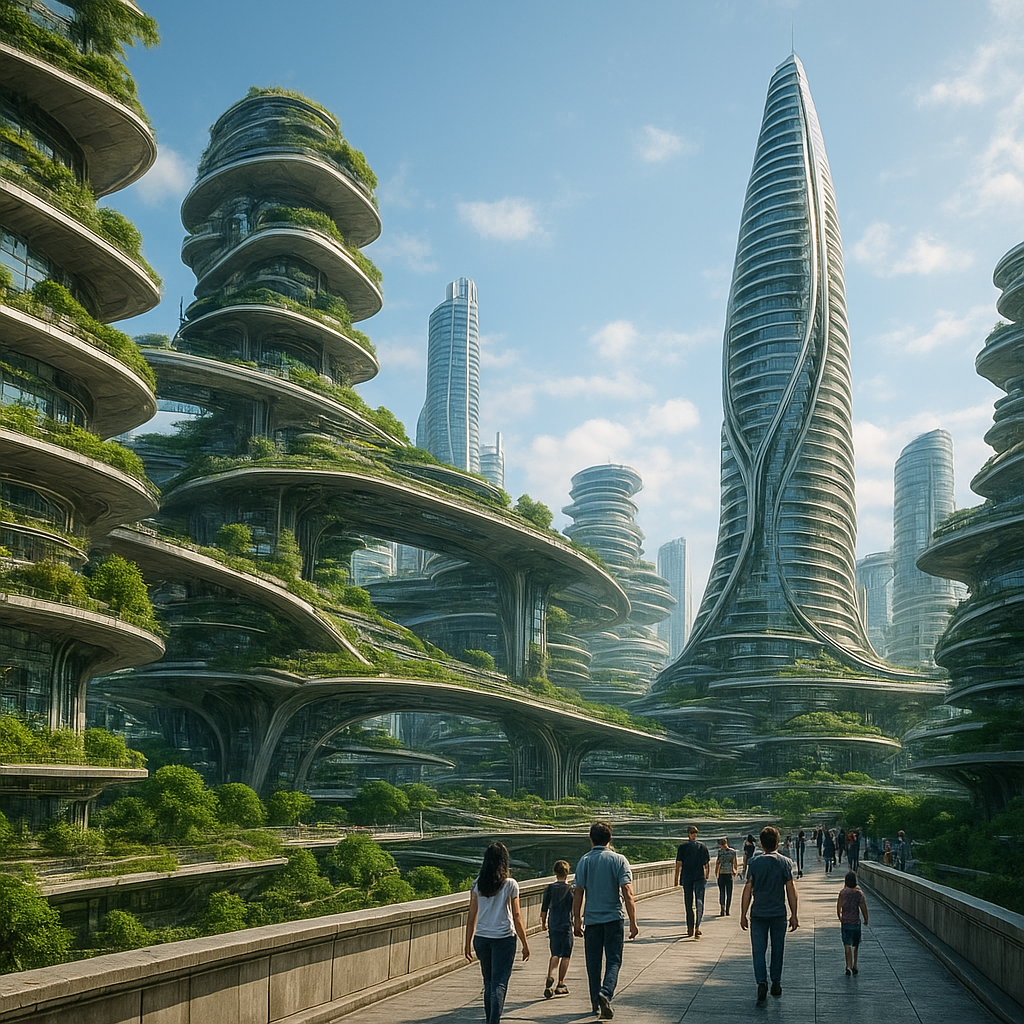


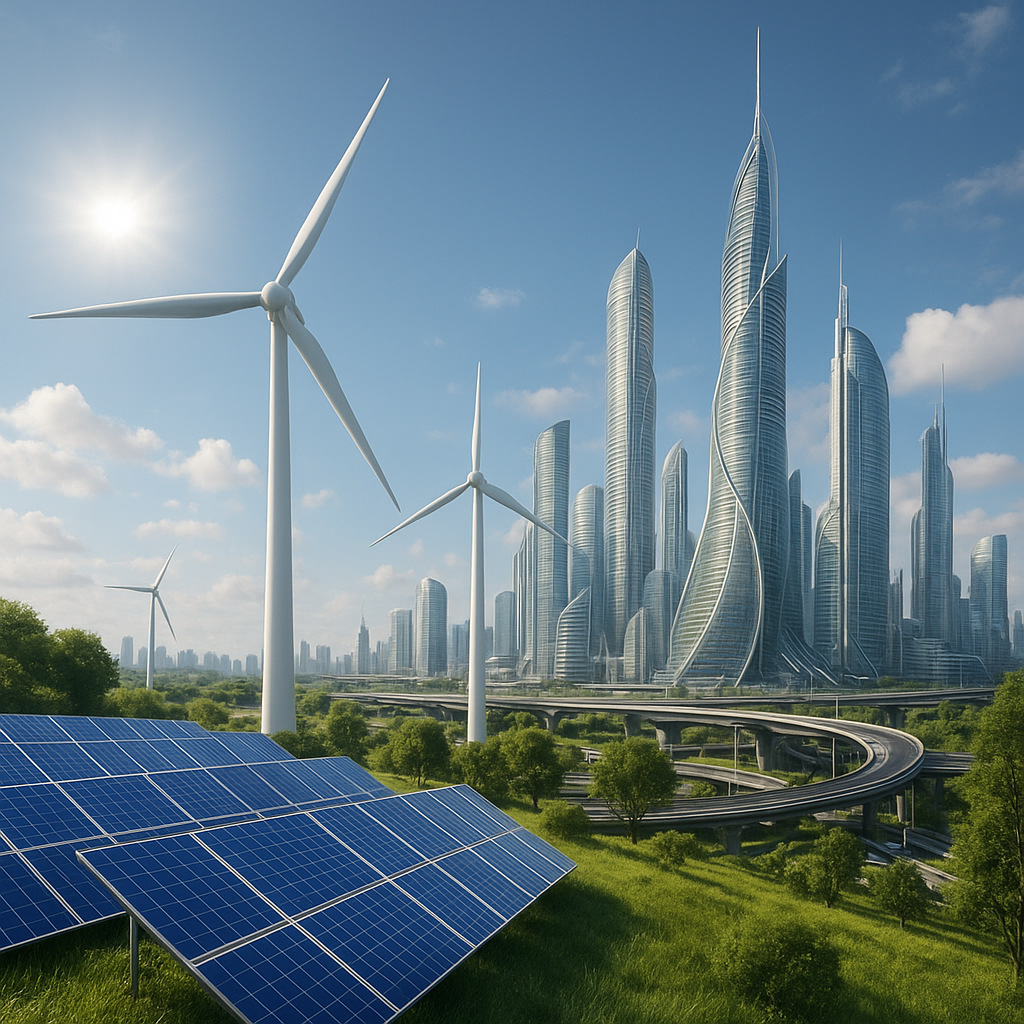
The rapid evolution of urban landscapes has given rise to a vision where cities harness the power of nature through renewable technologies and forward-thinking design. Futuristic architecture is no longer solely about bold aesthetics; it prioritizes sustainability, resilience, and the seamless integration of clean energy systems. By reimagining public spaces, transportation networks, and building façades, these urban centers aim to achieve unprecedented levels of efficiency, reducing reliance on fossil fuels and promoting healthier lifestyles for residents. This exploration delves into the core components, innovations, and societal shifts that underpin the role of renewable energy in tomorrow’s metropolises.
Integration of Renewable Energy Systems in Futuristic Cities
The Rise of Photovoltaic and Wind Energy
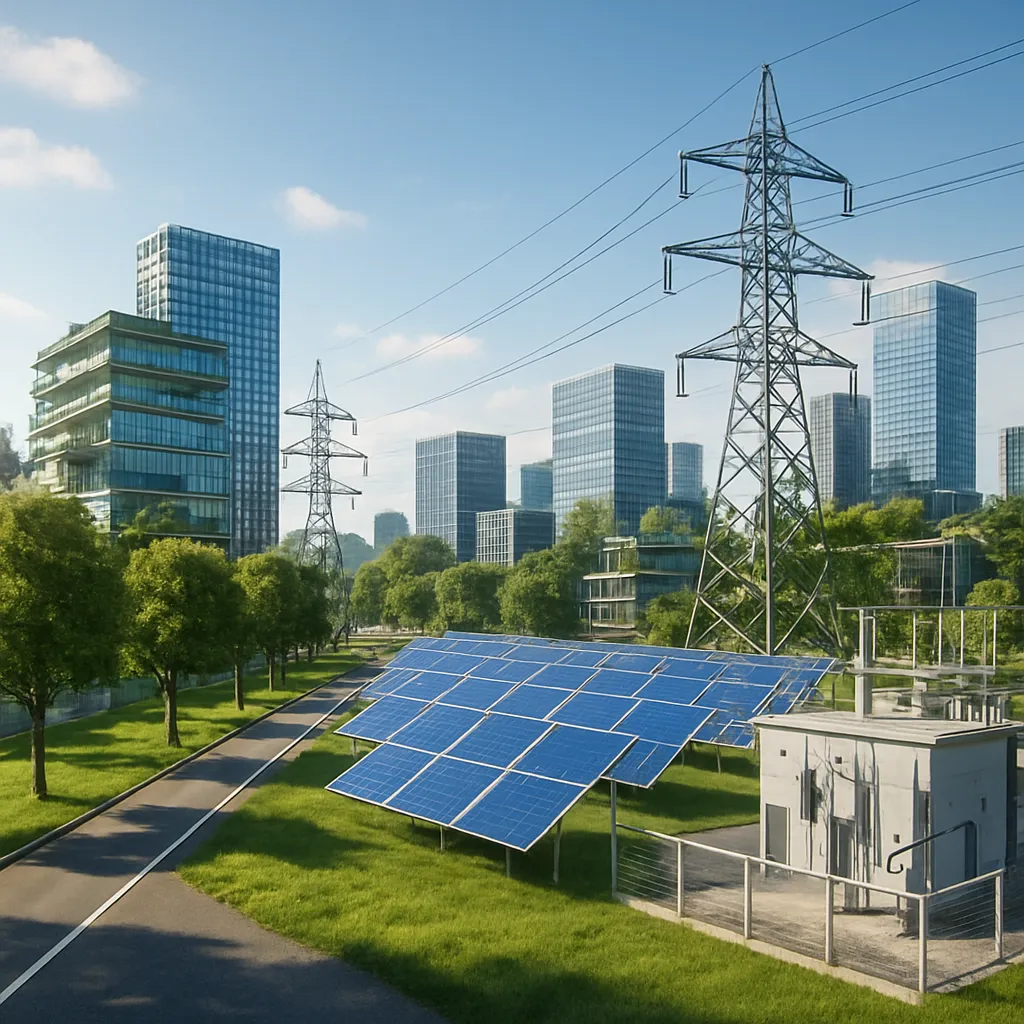
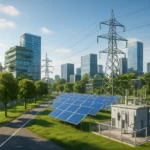
Advances in photovoltaic panel technology have enabled the transformation of entire cityscapes into power generators. Building-integrated photovoltaics (BIPV) allow architects to embed solar cells within glass façades, rooftops, and even windows, turning every surface into an energy-harvesting asset. Simultaneously, sleek, vertical-axis wind turbines are being incorporated into skyscrapers and public plazas, capturing wind at various heights and directions. These turbines operate quietly, with minimal vibration, making them suitable for densely populated areas. By combining solar and wind installations, futuristic cities can maintain a balanced energy supply even when one resource fluctuates.
Distributed Generation and Microgrids
Centralized power plants are giving way to decentralized energy models. At the heart of this transformation lies the concept of microgrids: autonomous clusters of power generators, storage devices, and consumers. Each district within a city might feature its own microgrid, capable of islanding itself during emergencies. Localized generation reduces transmission losses and enhances reliability. Residents and businesses become prosumers—both producing and consuming energy—fostering a collective sense of ownership. The interplay between microgrids is orchestrated by advanced control systems that monitor supply and demand in real time, optimizing flows to prevent waste and outages.
Technological Innovations Driving Energy Efficiency
Advanced Energy Storage Solutions
One of the greatest challenges in adopting green energy is managing its intermittency. Cutting-edge energy storage systems are emerging to address this issue. High-capacity solid-state batteries, dynamic pumped-hydro units, and thermal storage installations are storing surplus power during peak production and releasing it when the sun sets or wind patterns change. Enormous underground reservoirs filled with molten salts maintain heat for long-term use in district heating networks. These solutions guarantee a steady flow of electricity and heat, enabling buildings to operate off-grid if necessary.
Smart Grids and AI-Driven Optimization
The backbone of a futuristic energy ecosystem is the smart grids that connect consumers, producers, and storage facilities through a sophisticated digital layer. Artificial intelligence algorithms forecast consumption patterns, adjust generation schedules, and even coordinate electric vehicle charging to minimize peak demand. Sensors embedded throughout the urban fabric continuously relay data on weather, traffic, and human movement. Grid operators employ machine learning to predict potential faults, optimize maintenance, and dynamically reroute power. Such an intelligent network ensures maximum efficiency, cost savings, and an agile response to unexpected events.
Socioeconomic Impacts and Urban Planning Strategies
Community Engagement and Decentralized Models
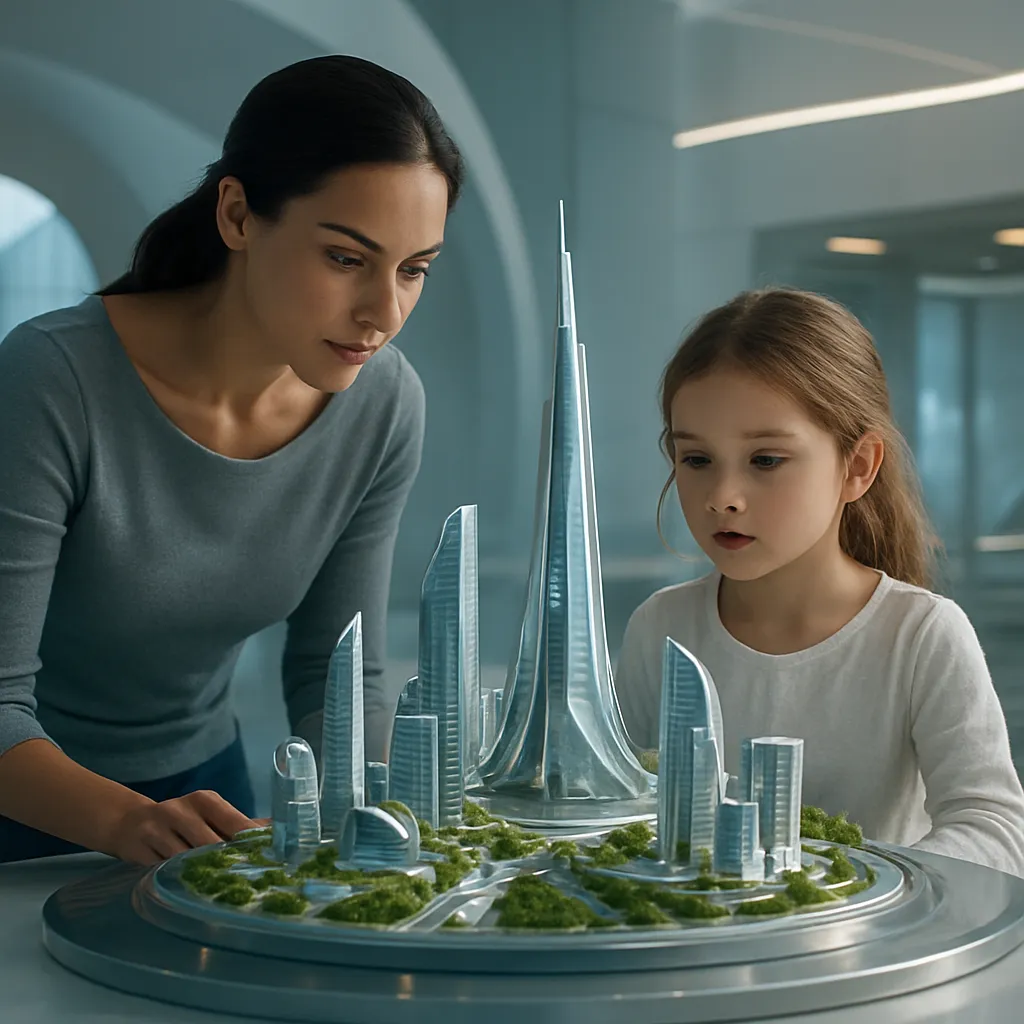
Equitable access to clean energy is essential for social cohesion. Participatory planning platforms invite residents to propose and vote on local renewable projects, from solar rooftops to community bioenergy plants fueled by urban waste. Cooperative ownership structures allow neighborhoods to share in financial returns, democratizing the benefits of green infrastructure. Public workshops, digital forums, and interactive installations foster a sense of unity, turning energy transition into a collective endeavor rather than a top-down mandate.
Policy Frameworks and Economic Incentives
Government policies shape the trajectory of renewable deployment. Tax rebates, feed-in tariffs, and grants encourage private investors to fund bold architectural ventures that integrate clean energy. Zoning regulations mandate minimum efficiency standards for new constructions, while adaptive reuse incentives transform historic buildings into hybrid energy hubs. Carbon pricing mechanisms penalize high-emission activities and funnel capital toward research in emerging fields like hydrogen power. Through a combination of carrots and sticks, policymakers can accelerate the energy transition while ensuring fiscal responsibility and long-term viability.
Environmental Benefits and Urban Resilience
Reducing Carbon Footprint and Emissions
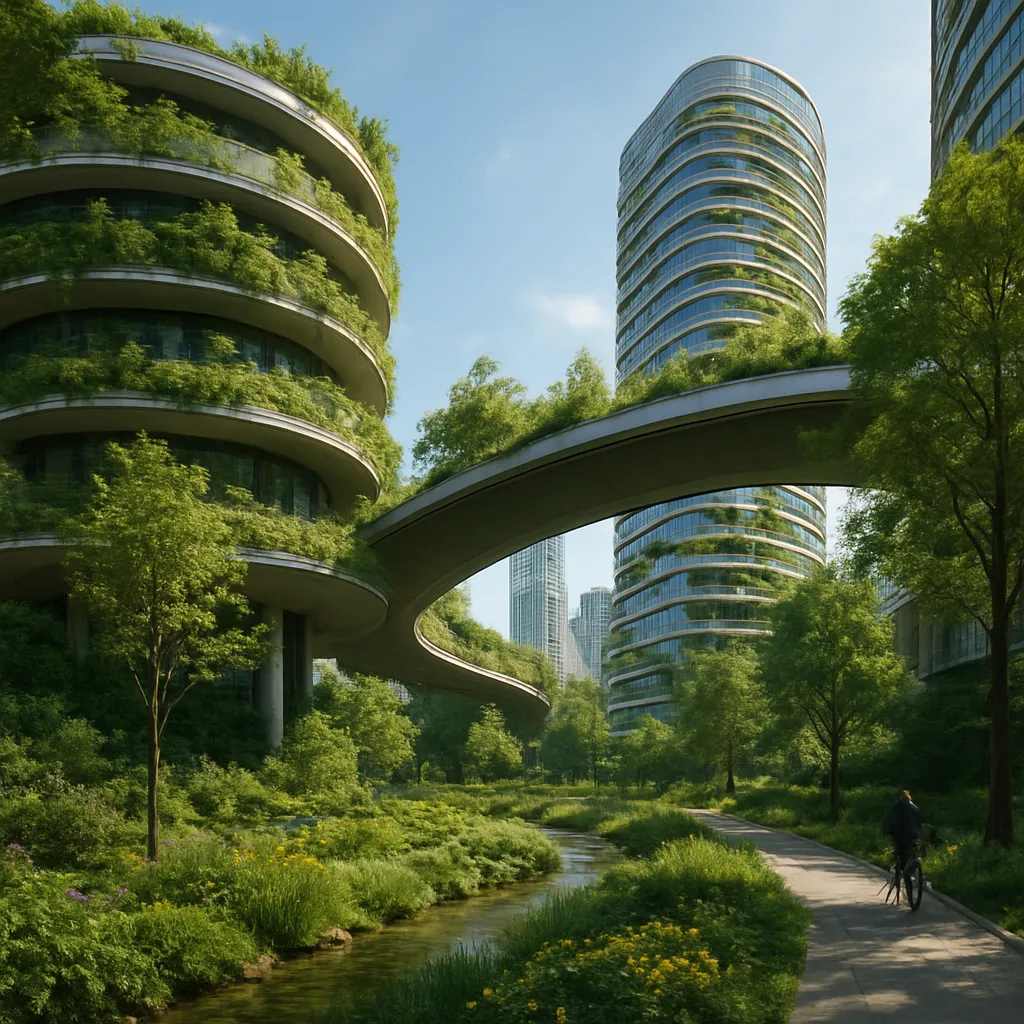
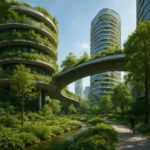
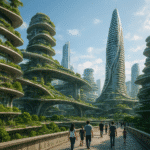
By embedding renewable systems within the very structure of buildings, futuristic cities slash greenhouse gas emissions from both power and heating. Rooftop gardens and vertical forests complement solar arrays, improving air quality and sequestering carbon dioxide. Water-cooled façades reduce the urban heat island effect, cutting down the need for energy-intensive air conditioning. Through these measures, metropolitan areas can align themselves with international climate targets and demonstrate leadership in environmental stewardship.
Enhancing City Resilience Against Climate Risks
Extreme weather events—storms, heatwaves, and flooding—pose significant threats to urban centers. A decentralized network of resilience-oriented energy assets ensures that critical services like hospitals, shelters, and communication hubs remain operational even during grid failures. Modular, prefabricated power units can be transported and deployed rapidly in disaster zones. Green corridors, comprised of parks and wetlands, serve dual roles: stormwater management and urban cooling. These integrated systems create a robust urban fabric capable of adapting to evolving challenges.
Emerging Frontiers: Fusion of Architecture and Energy
Adaptive Building Skins
Dynamic façades change orientation, porosity, or color in response to environmental cues. Smart materials infused with photovoltaic nanoparticles generate electricity while controlling solar gain. These “living walls” respond to temperature and light, opening to ventilate interiors on mild days and closing to retain heat during cold spells. Embedded sensors communicate with the city’s urban planning hubs to adjust energy flows and enhance occupant comfort.
Vertical Farming and Integrated Agriculture
Rooftops and reclaimed land become fertile grounds for vertical farms, powered by on-site solar and wind installations. LED-lit growing chambers produce fruits, vegetables, and herbs year-round, reducing transportation emissions. By integrating food production with building infrastructures, cities achieve greater self-sufficiency. Nutrient cycles close the loop, with organic waste converted into biogas or compost, fueling a holistic, sustainable urban ecosystem.
Conclusion
The fusion of renewable energy and futuristic architecture heralds a transformative era for urban environments. By embracing decentralized generation, innovative storage, and AI-driven networks, cities can deliver reliable, low-carbon power while fostering economic growth and social equity. As global populations continue to rise, the imperative to reshape our built environments becomes ever more pressing. In this visionary landscape, each building stands not merely as an isolated structure, but as an integral node within a living, breathing energy web—one that powers communities, protects the planet, and inspires generations to come.